
 Pin This
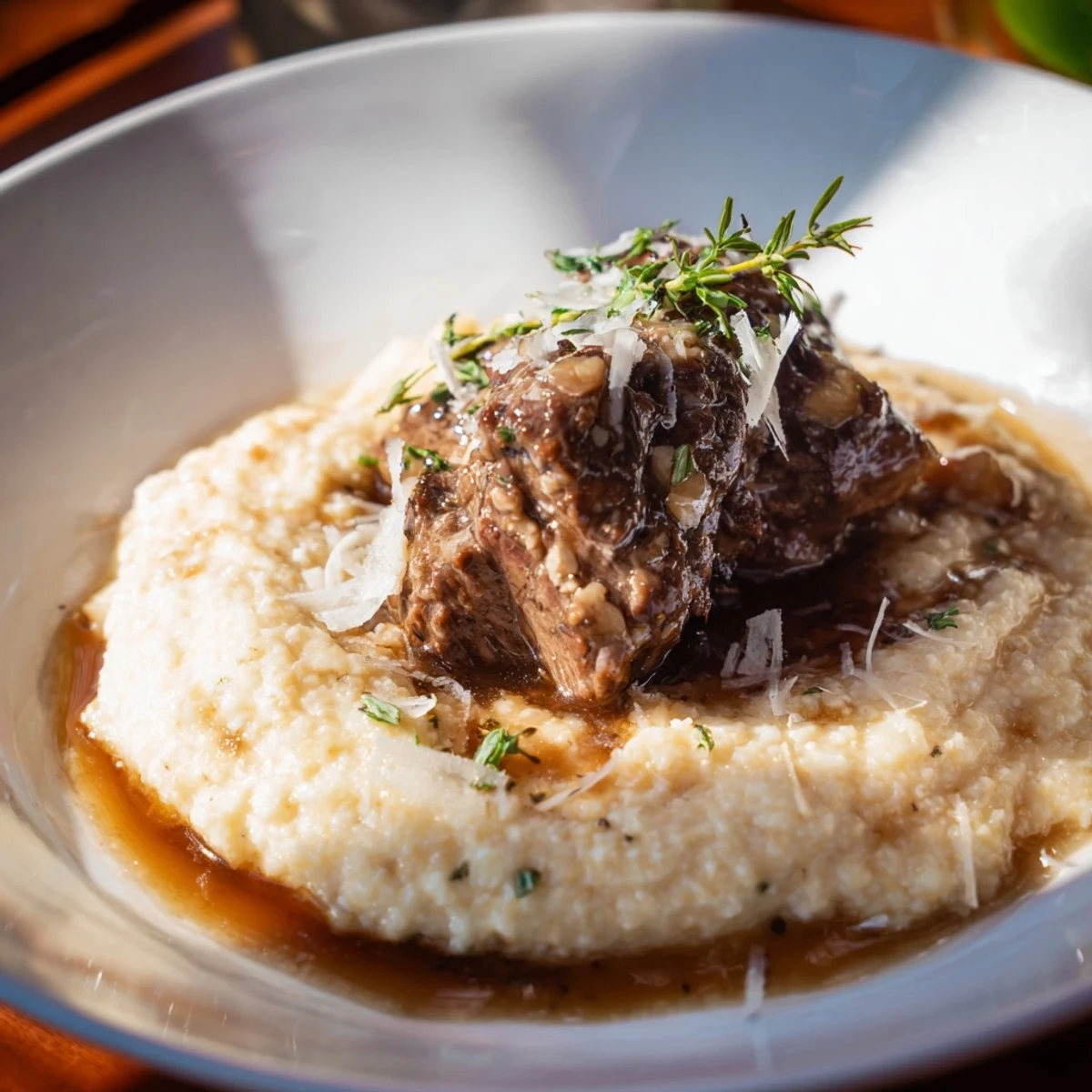
 This dish features beef cheeks gently braised until tender in a rich red wine and herb sauce, resulting in deep, comforting flavors. Served on a bed of creamy Parmesan-infused polenta, it offers a satisfying balance of textures. The long, slow cooking transforms the meat, making it perfect for special dinners or gatherings. Enhanced with garlic, tomato paste, and fresh herbs, this plate is a showcase of rustic Italian-inspired comfort.
I wasn't planning to make anything fancy that night, but the butcher had beef cheeks on special and I'd never worked with them before. Three hours later, my kitchen smelled like a Roman trattoria and I understood why some cuts demand patience. The meat fell apart at the touch of a fork, and the wine-dark sauce clung to everything it touched.
The first time I served this to friends, I worried the beef cheeks would sound too rustic or unfamiliar. But when I brought the pot to the table and lifted the lid, the room went quiet except for someone whispering that it smelled incredible. We ate slowly that night, savoring every bite and finishing two bottles of wine between us.
Ingredients
- Beef cheeks (1.2 kg): They're marbled with collagen that melts during braising, creating a silky texture you won't get from other cuts. Trim any silver skin but leave some fat for flavor.
- Olive oil (2 tbsp): Use this to get a deep golden crust on the meat before braising, which builds the foundation of flavor for the entire dish.
- Onion, carrots, celery (1 onion, 2 carrots, 2 stalks): The classic soffritto base that sweetens and deepens as it cooks down with the wine and stock.
- Garlic (4 cloves): Minced fine so it melts into the sauce rather than sitting in chunks, adding warmth without sharpness.
- Tomato paste (2 tbsp): Cooking it until it darkens a shade brings out a concentrated sweetness that balances the wine's acidity.
- Red wine (500 ml): Choose something dry and medium-bodied that you'd actually drink, the flavor concentrates as it reduces so cheap wine shows.
- Beef stock (500 ml): Homemade is beautiful, but a good store-bought stock works perfectly as long as it's not too salty.
- Fresh thyme, rosemary, bay leaves (2 sprigs each, 2 leaves): These herbs infuse the braising liquid with earthy notes, but fish them out before serving so no one bites into a woody stem.
- Polenta (250 g): Coarse-ground polenta has more texture and corn flavor than instant, and the stirring becomes almost meditative.
- Butter and Parmesan (40 g butter, 80 g cheese): Stirred in at the end, they turn the polenta creamy and rich, almost like a savory porridge.
Instructions
- Preheat and Season:
- Set your oven to 160°C (325°F) so it's ready when the pot goes in. Season the beef cheeks all over with more salt and pepper than feels polite, the seasoning needs to penetrate that thick meat.
- Sear the Beef:
- Heat olive oil in your heaviest pot until it shimmers, then brown the cheeks hard on every side until they're deep mahogany. Work in batches if you need to, crowding kills the sear.
- Build the Base:
- Toss in the onion, carrots, and celery, letting them soften and pick up the browned bits stuck to the pot. After 6-8 minutes, stir in the garlic and let it bloom for just a minute before it turns bitter.
- Toast the Tomato Paste:
- Push the vegetables aside slightly and add the tomato paste to a hot spot, stirring it for 2 minutes until it darkens and smells almost sweet.
- Deglaze with Wine:
- Pour in the red wine and scrape up every caramelized bit from the bottom of the pot, that's where the flavor lives. Let it bubble and reduce for 5 minutes, the alcohol will cook off and leave the fruit behind.
- Add Stock and Herbs:
- Pour in the beef stock and tuck in the thyme, rosemary, and bay leaves. Nestle the beef cheeks back into the liquid so they're mostly submerged but not drowning.
- Braise Low and Slow:
- Bring everything to a gentle simmer, cover the pot with a lid, and slide it into the oven. Let it braise for 2.5-3 hours, the meat should yield to a fork with almost no resistance.
- Make the Polenta:
- When the beef has about 30 minutes left, bring water to a rolling boil and whisk in the polenta in a steady stream to avoid lumps. Lower the heat and stir frequently for 25-30 minutes, it'll thicken and pull away from the sides when ready.
- Finish the Polenta:
- Stir in butter and Parmesan off the heat, tasting for salt. The polenta should be creamy enough to spread slowly across a plate.
- Reduce the Sauce:
- Lift the beef cheeks out gently, they'll be fragile now. Fish out the herb stems and bay leaves, then simmer the braising liquid on the stove until it coats the back of a spoon.
- Plate and Serve:
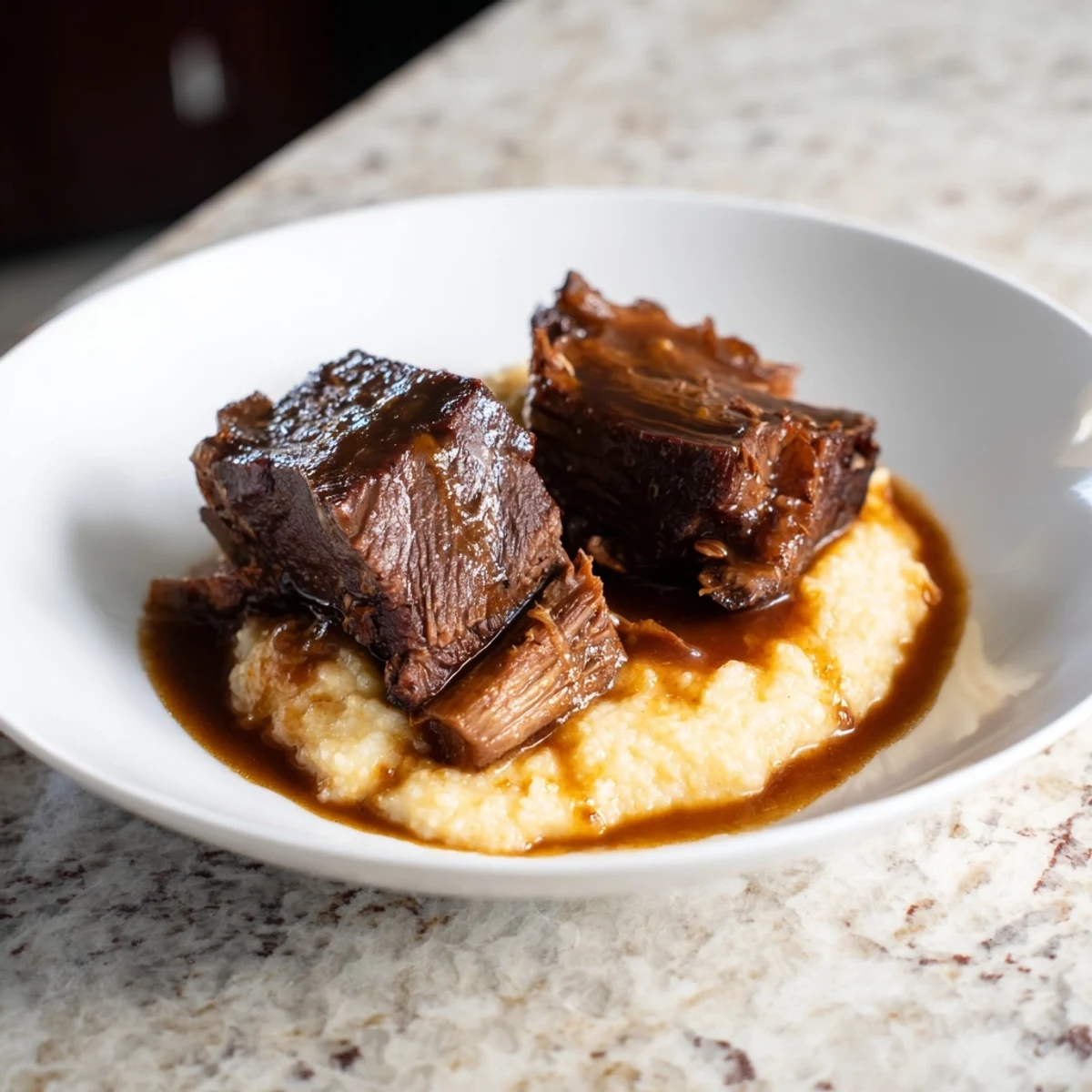
- Spoon polenta onto warm plates, settle a beef cheek on top, and ladle the glossy sauce over everything. Serve immediately while it's steaming.
 Pin This
 I made this for my dad's birthday one year, and halfway through the meal he put down his fork and said it reminded him of a restaurant in Florence he'd visited decades ago. I'd never been to Florence, but somehow we'd ended up in the same place that night, connected by a pot of slow-cooked beef and a bottle of wine.
Choosing Your Wine
The wine you braise with doesn't need to be expensive, but it should be something you'd pour in a glass without wincing. I usually reach for a Chianti or a Merlot, something with enough body to stand up to three hours in the oven but not so tannic it turns bitter. Pour yourself a glass while you cook, it makes the time pass sweetly.
Making It Ahead
This dish actually improves if you braise the beef a day ahead and let it sit in the sauce overnight in the fridge. The flavors marry and deepen, and you can skim off any fat that solidifies on top. Reheat gently on the stove while you make fresh polenta, and dinner comes together in twenty minutes.
Serving Suggestions
The polenta is traditional and perfect, but I've also served these beef cheeks over mashed potatoes, creamy white beans, or even a tangle of fresh pappardelle. A bright green salad with lemon dressing cuts through the richness, and a good loaf of bread for mopping up sauce is non-negotiable.
- A splash of balsamic vinegar in the finished sauce adds a sweet-tart edge that wakes everything up.
- Garnish with a small handful of fresh parsley or a grating of lemon zest if you want a pop of brightness on the plate.
- Pair it with a robust red wine like Barolo or Brunello, something with enough weight to match the dish.
 Pin This
 There's something deeply satisfying about putting a pot in the oven and coming back hours later to find it transformed into something this tender and rich. I hope this becomes one of those recipes you make when you want to slow down, pour a glass of wine, and remember that the best meals are worth the wait.
Recipe FAQs
- → How long should beef cheeks be cooked?
-
Beef cheeks require slow braising for around 2.5 to 3 hours until fork-tender, allowing connective tissues to break down for a soft texture.
- → Can I use a different cut of beef instead of cheeks?
-
While beef cheeks offer unique tenderness, tougher cuts like chuck roast can be braised similarly but may yield a slightly different texture.
- → What makes the polenta creamy?
-
Gradual stirring during cooking and the addition of butter and grated Parmesan cheese create its smooth, creamy consistency.
- → Is it necessary to reduce the braising liquid into a sauce?
-
Reducing the braising liquid concentrates flavors, thickening it to complement the beef cheeks and polenta richly.
- → What herbs enhance the dish's flavor?
-
Fresh thyme, rosemary, and bay leaves infuse earthy and aromatic notes, enriching the slow-cooked meat and sauce.
- → Can this dish be prepared gluten-free?
-
Yes, ensuring all ingredients like beef stock are certified gluten-free keeps the dish safe for gluten-sensitive diets.