
 Pin This
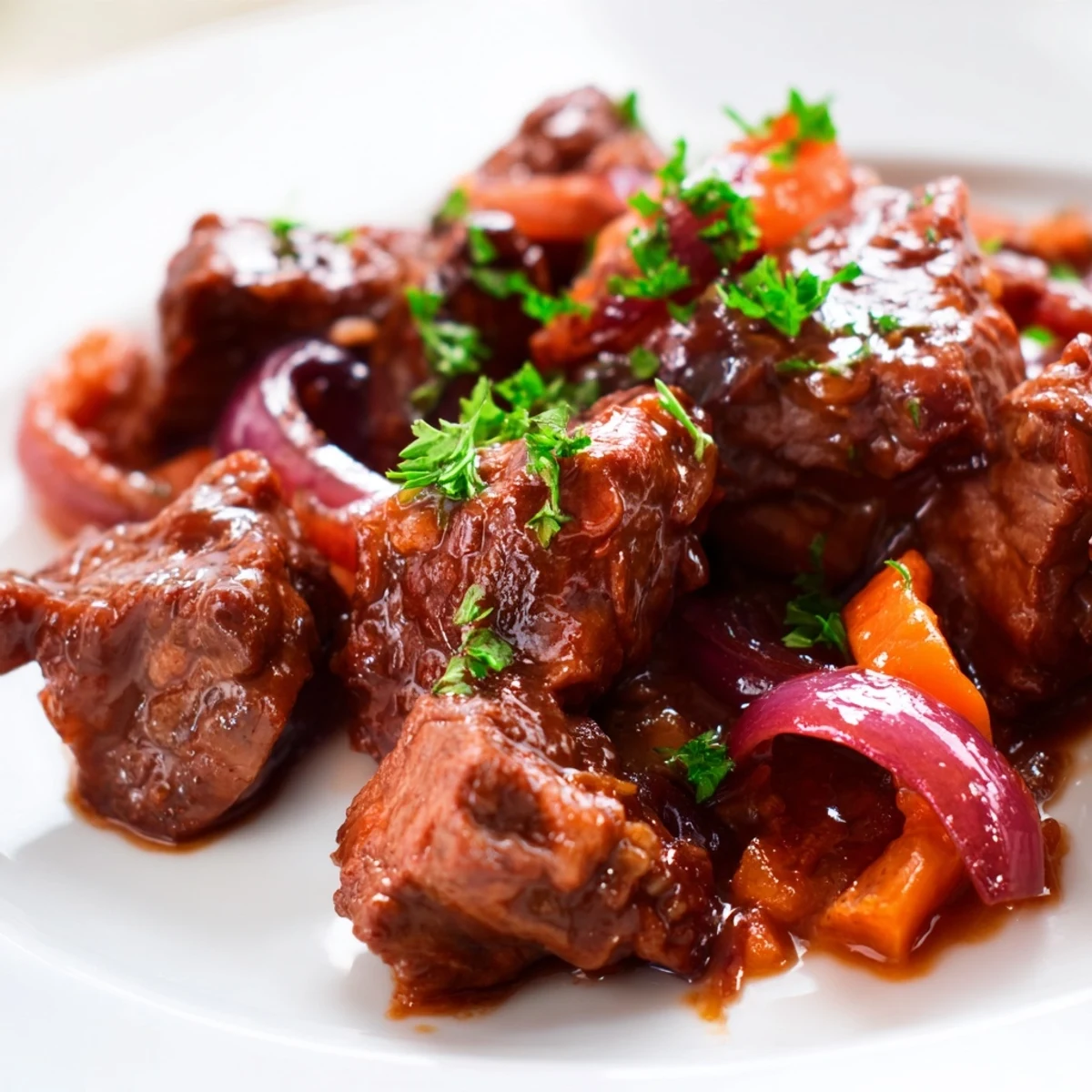
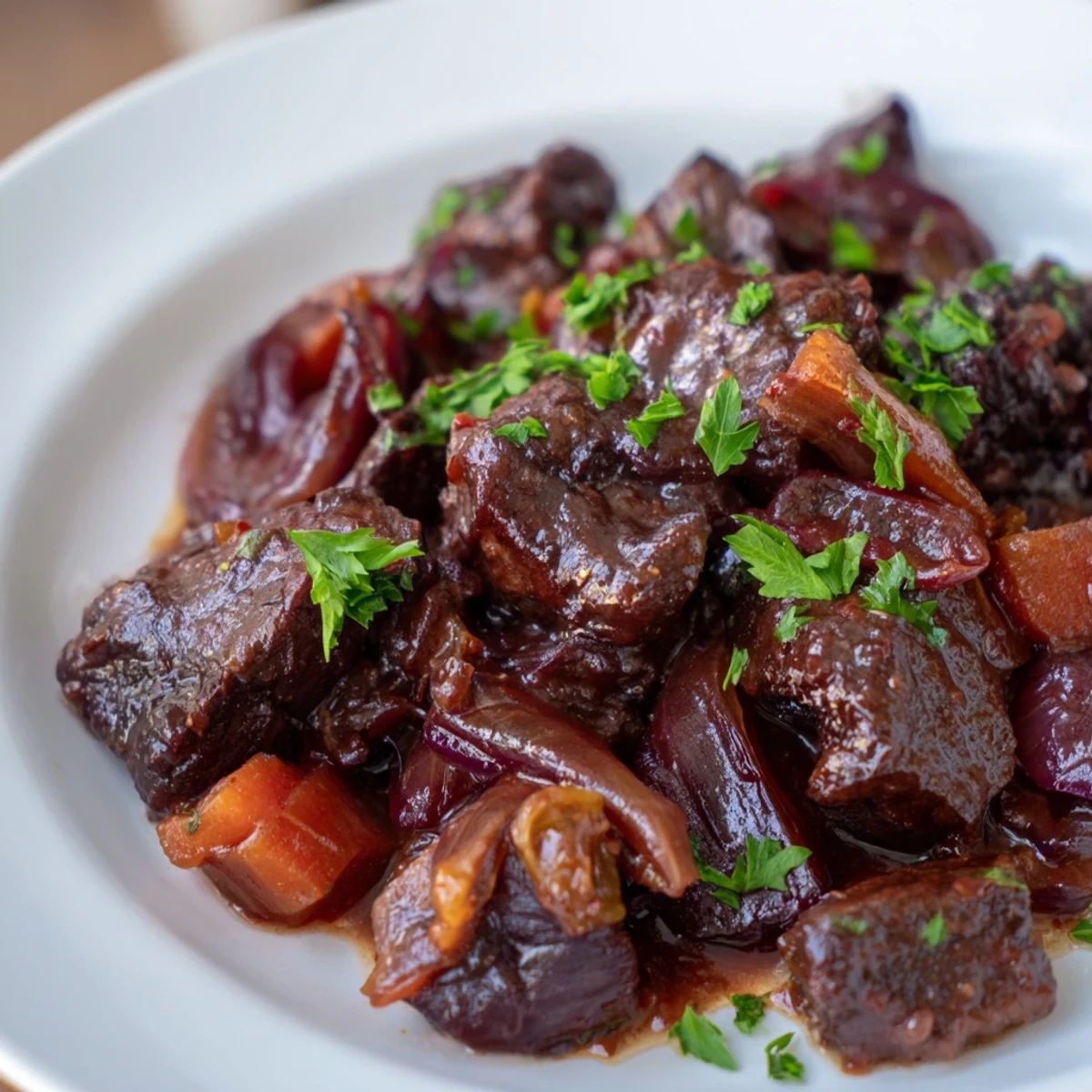
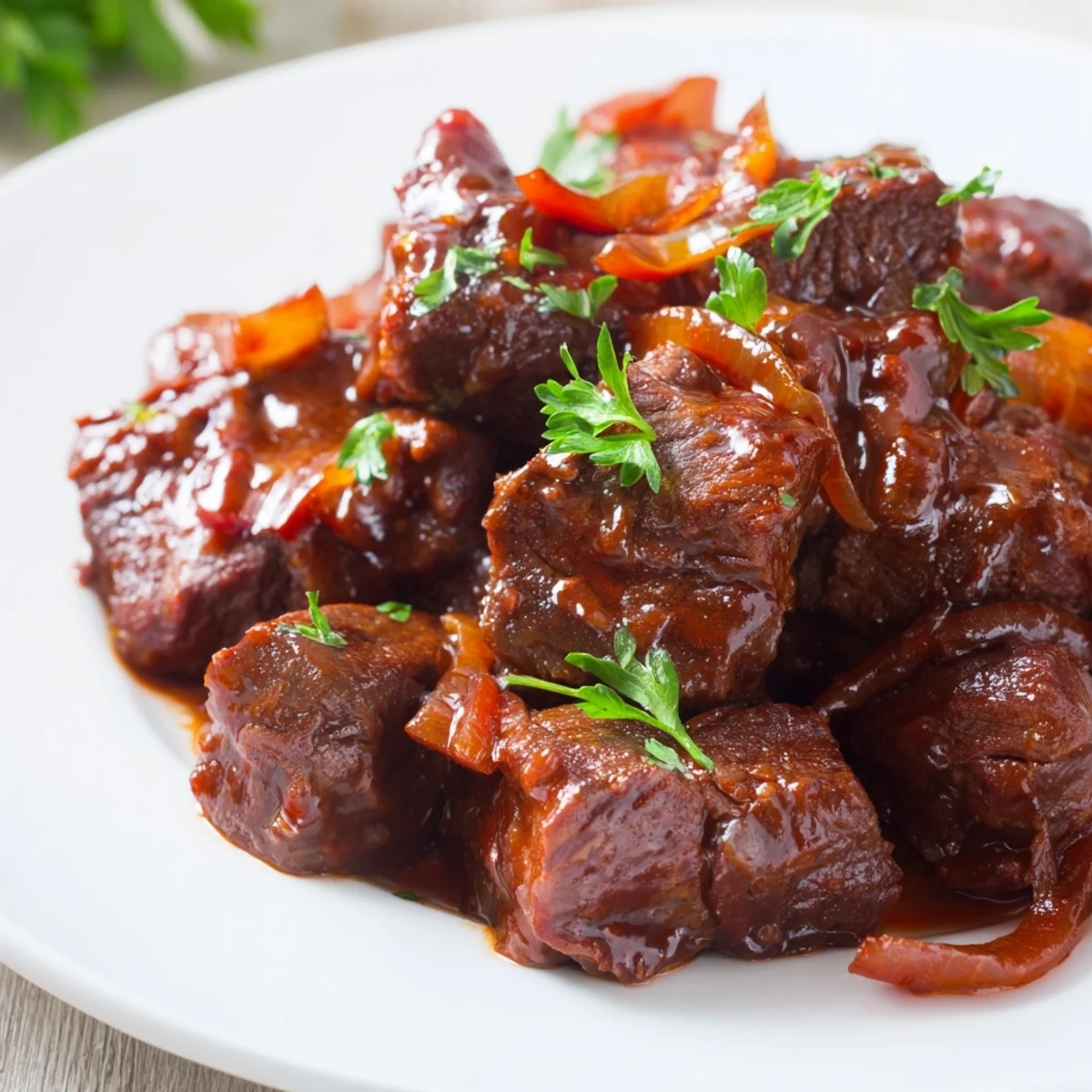
 This dish features tender beef chuck slowly cooked with sliced red onions, garlic, carrots, and celery in a savory red wine and beef stock sauce. Aromatic thyme and bay leaves infuse deep flavors, while caramelized onions add natural sweetness. The long, gentle braising ensures a melt-in-your-mouth texture, perfect to serve alongside creamy mashed potatoes or crusty bread. Garnish with fresh parsley for a burst of color and freshness.
There's something about the smell of beef braising that fills a kitchen with promise. Years ago, I stood in my grandmother's tiny kitchen watching her coax beef chuck into tenderness with nothing but time, red wine, and those beautiful crimson onions she'd slice by hand. She never rushed the braise, never even glanced at the clock once it went into the oven. That patience taught me everything about this dish.
I made this for my partner on a cold November evening when we'd both had terrible weeks at work. We didn't talk much while it cooked, just listened to the gentle bubble of the braise and opened a bottle of the same wine going into the pot. By the time we sat down to eat, somehow the day didn't feel quite so heavy anymore.
Ingredients
- Beef chuck, 1.5 kg cut into large cubes: This cut has enough marbling to stay juicy during the long braise, and the connective tissue becomes gelatin that naturally thickens your sauce.
- Red onions, 3 large sliced: They're sweeter than yellow onions and their color bleeds beautifully into the wine, turning the sauce a gorgeous deep burgundy.
- Garlic, 3 cloves minced: Add it after the vegetables soften so it doesn't burn and turn bitter in the hot oil.
- Carrots, 2 peeled and sliced: Cut them thick enough that they won't disappear into the sauce but still soften completely.
- Celery, 2 stalks sliced: It adds subtle backbone to the sauce and plays nicely with the wine without demanding attention.
- Dry red wine, 400 ml: Don't use anything you wouldn't drink, but you don't need something expensive either—a solid everyday Merlot or Cabernet works perfectly.
- Beef stock, 500 ml: Homemade is wonderful if you have it, but good quality store-bought makes this completely manageable on a weeknight.
- Olive oil, 3 tbsp: Use it generously for searing; this is where you build the deep flavors everything else depends on.
- Tomato paste, 2 tbsp: This small amount adds umami depth without making the dish taste tomato-forward.
- Bay leaves and fresh thyme, 2 and 4 sprigs: These are the quiet herbs that let the beef and onions shine rather than competing with them.
- Salt and black pepper: Taste as you go because seasoning needs to happen at different stages, not just at the end.
- Fresh parsley for garnish, optional: A handful of bright green at the end reminds everyone this came from a garden and not just a slow cooker.
Instructions
- Get everything ready and heat your oven:
- Set your oven to 160°C (325°F) so it's warm and waiting. When you're braising, temperature consistency matters more than speed.
- Prepare your beef with confidence:
- Pat each cube completely dry with paper towels—this step feels small but dry meat browns instead of steams. Season generously with salt and pepper right before you sear, not minutes before, so the seasoning stays on the surface.
- Sear the beef in batches:
- Heat your oil until it shimmers, then add beef without crowding the pot. Let each piece sit for a minute before moving it around, watching for that mahogany crust to form. Work in batches so the pot stays hot and the meat browns rather than boils in its own steam.
- Build your flavor foundation with vegetables:
- Lower the heat and add your onions, carrots, and celery to the same pot. You'll hear them sizzle and soften, and the onions will start to turn translucent and golden at the edges. Stir occasionally and let this happen slowly—8 to 10 minutes feels long but it's where sweetness develops.
- Wake everything up with aromatics:
- Add minced garlic and tomato paste, stirring constantly for about 2 minutes until the kitchen smells like something wonderful is about to happen. You'll know it's ready when the paste starts to darken slightly and cling to the vegetables.
- Bring back the beef and deglaze:
- Return all your beef to the pot, then pour in the red wine. Scrape the bottom of the pot with a wooden spoon, working up all those caramelized bits that are basically liquid gold. Bring it to a gentle simmer and let it bubble for a minute.
- Add stock and herbs, then braise low and slow:
- Pour in your beef stock, then tuck in the bay leaves and thyme sprigs. Give everything a gentle stir, cover the pot with its lid, and slide it into the oven. The braise will take 2 to 2.5 hours depending on the size of your beef cubes and your oven's quirks.
- Finish and serve:
- The beef is done when it falls apart with the gentlest pressure from a spoon. Remove the bay leaves and thyme sprigs, taste the sauce, and adjust salt and pepper until it tastes right to you. Serve it hot, scattered with parsley if you have it.
 Pin This
 My sister brought her new boyfriend over for dinner the first time I made this, and watching his face when he took that first bite—surprise that something this good came from his girlfriend's sister's kitchen—that's when I realized this dish does more than feed people. It makes moments feel special.
What Makes This Different
This isn't quick cooking, and that's entirely the point. While some people reach for instant gratification, braising teaches you that good things take time and attention, even if that attention is mostly just letting the oven do the work. The red onions are key here because they don't just add flavor—they dissolve into the sauce and create a silky texture that you'd think came from cream but comes purely from them.
Perfect Pairings and Serving Ideas
Serve this with something starchy to soak up the sauce, because that sauce is the whole reason you braise in the first place. Creamy mashed potatoes are the obvious choice, but polenta is equally lovely, and crusty bread works if you're feeling casual. Some people add a knob of butter to the finished sauce for richness, and honestly, that small addition shifts the whole dish into velvet.
Common Questions and Small Discoveries
People ask if they can make this in advance, and the answer is yes—it actually gets better the next day when flavors have married together overnight. You can refrigerate it for three or four days, or freeze it for a month, which makes this recipe quietly perfect for meal planning. Some home cooks worry about the red wine, but it mellows completely into the sauce and becomes something warm rather than sharp. If you absolutely can't have alcohol, substitute more beef stock, though you'll lose some of the wine's complexity.
- Shallots work beautifully if you can't find good red onions, though the final color will be less dramatic.
- The tomato paste is non-negotiable because it adds depth without tomato flavor, so don't skip it even if it seems unnecessary.
- Leftover braise freezes wonderfully and tastes even better after it thaws and you reheat it gently.
 Pin This
 This dish taught me that the best cooking doesn't always happen when you're watching. Sometimes the most delicious food comes from putting good ingredients together, trusting the process, and walking away to live your life while the oven works its quiet magic.
Recipe FAQs
- → How do I achieve tender beef chuck?
-
Slow braising at a low temperature allows the beef chuck to break down connective tissues, resulting in tender, flavorful meat.
- → Can I substitute red onions with other ingredients?
-
Shallots can be used for a milder, sweeter onion flavor while maintaining the dish’s aromatic depth.
- → What type of red wine works best for braising?
-
Dry, full-bodied red wines like Cabernet Sauvignon or Merlot complement the rich flavors without overpowering the dish.
- → How can I enhance the sauce's richness?
-
Finishing the sauce with a knob of butter before serving adds smoothness and depth to the flavor profile.
- → What side dishes pair well with this meal?
-
Creamy mashed potatoes, polenta, or crusty bread soak up the flavorful sauce and balance the hearty beef.