
 Pin This
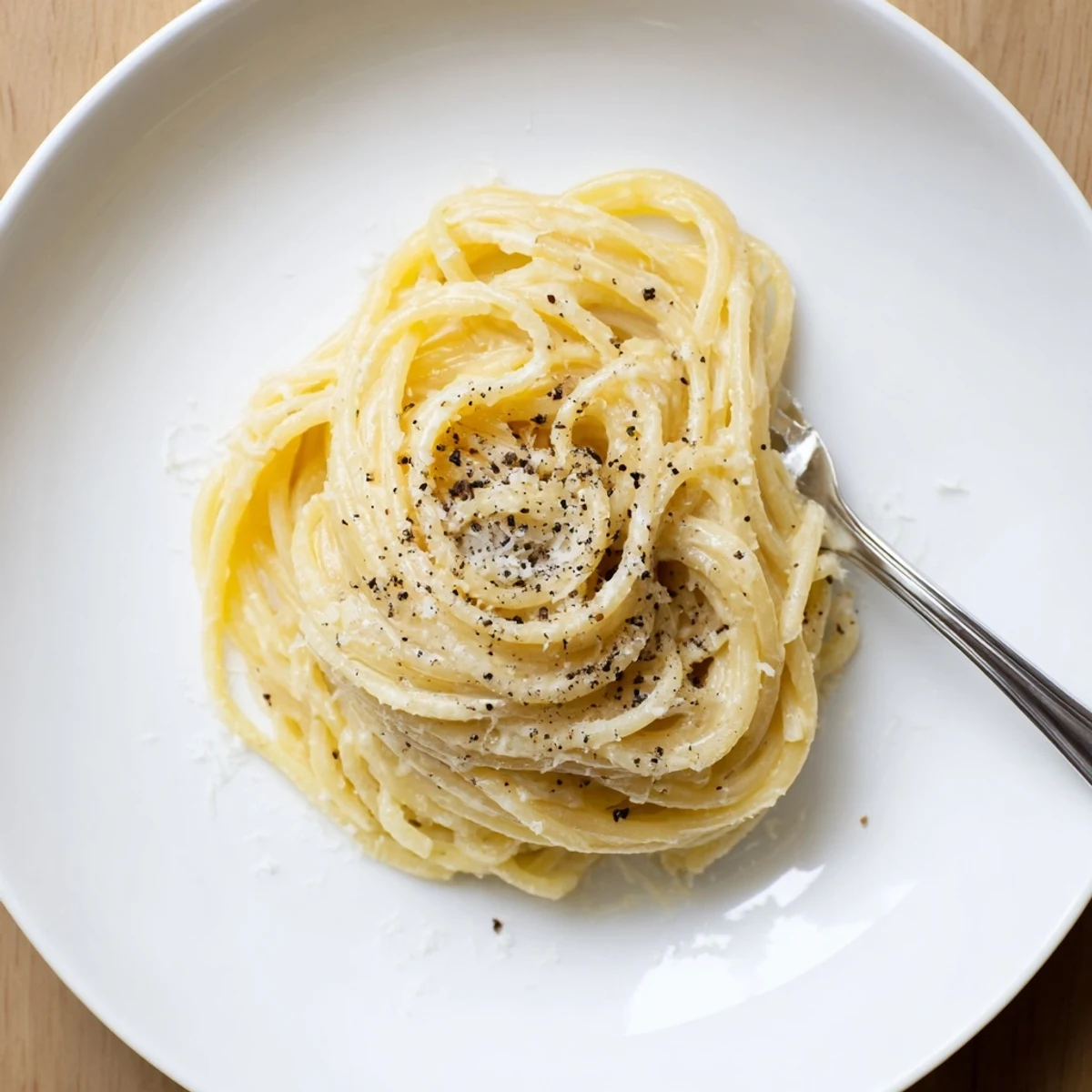
 This beloved Roman classic transforms just three ingredients into pure luxury. The magic lies in creating a silky emulsion from Pecorino Romano, freshly cracked black pepper, and starchy pasta water that clings perfectly to each strand. The key is working quickly off-heat to prevent sauce separation, resulting in that signature creamy texture without any cream. Serve immediately while hot for the silkiest coating on perfectly al dente pasta.
The first time I attempted Cacio e Pepe in my tiny apartment kitchen, I ended up with a clumpy, separated mess that looked nothing like the silky, glossy plates I'd enjoyed in Rome. My roommate watched me struggle through three attempts, laughing as I frantically whisked cheese paste into steaming pasta water. On the fourth try, everything clicked—the sauce emulsified into pure liquid gold. Now it's become my go-to dinner for nights when I want something luxurious but can barely summon the energy to chop garlic.
Last winter, during a particularly brutal week of deadlines, I made this for two friends who stumbled into my kitchen exhausted and hungry. We stood around the stove, taking turns peppering the water and grating cheese, the sharp aroma filling every corner of the room. Something about the rhythm of toasting pepper and whisking cheese paste felt meditative. We ate standing up, plates balanced on countertops, not saying much because the food was that good.
Ingredients
- 200 g spaghetti or tonnarelli: Tonnarelli's square edges catch the sauce beautifully, but good quality spaghetti works perfectly too
- 80 g Pecorino Romano, finely grated: Buy a wedge and grate it yourself—pre-grated cheese has anti-caking agents that prevent proper emulsification
- 2 tsp freshly ground black pepper: Toast it in the pan first to bloom those citrusy, floral oils
- 1/2 tsp salt: For the pasta water—go lighter than usual since the cheese brings plenty of saltiness
- 1 liter water: Using less water than usual creates a starchier cooking liquid, which is crucial for sauce texture
Instructions
- Boil the pasta water:
- Bring your water to a rolling boil, salt it lightly, then add the spaghetti. Cook until al dente, but reserve about 1 cup of that starchy, golden pasta water before draining—this liquid gold is the foundation of your sauce.
- Toast the pepper:
- In a large skillet over medium heat, add your black pepper and toast it for about 1 minute until it becomes fragrant and the scent fills your kitchen. Add 1/2 cup of hot pasta water and let it simmer briefly.
- Create the cheese paste:
- In a mixing bowl, combine the grated Pecorino with a few tablespoons of hot pasta water, whisking until you have a thick, smooth paste. This step ensures your cheese will melt evenly instead of clumping.
- Bring it all together:
- Transfer the cooked spaghetti to the skillet with the pepper water and toss well. Remove from heat completely, then gradually add the cheese paste, tossing quickly and adding more pasta water as needed until you achieve a glossy, creamy sauce that coats each strand.
 Pin This
 My friend Marco, who lived in Rome for three years, took one bite of this version and went quiet for a full minute. He finally said it reminded him of a tiny trattoria near the Pantheon where he'd eaten every Tuesday for a year. That's the highest compliment I've ever received.
The Emulsification Secret
The magic happens when cheese fat meets pasta starch at just the right temperature. I've learned that working quickly and confidently matters more than perfect measurements. The sauce wants to come together if you let it.
Choosing Your Cheese
Pecorino Romano's sharp, salty punch is non-negotiable here. Parmigiano will make a lovely pasta, but it won't be Cacio e Pepe. Find a wedge that's been aged at least 8 months for the best flavor.
Getting The Texture Right
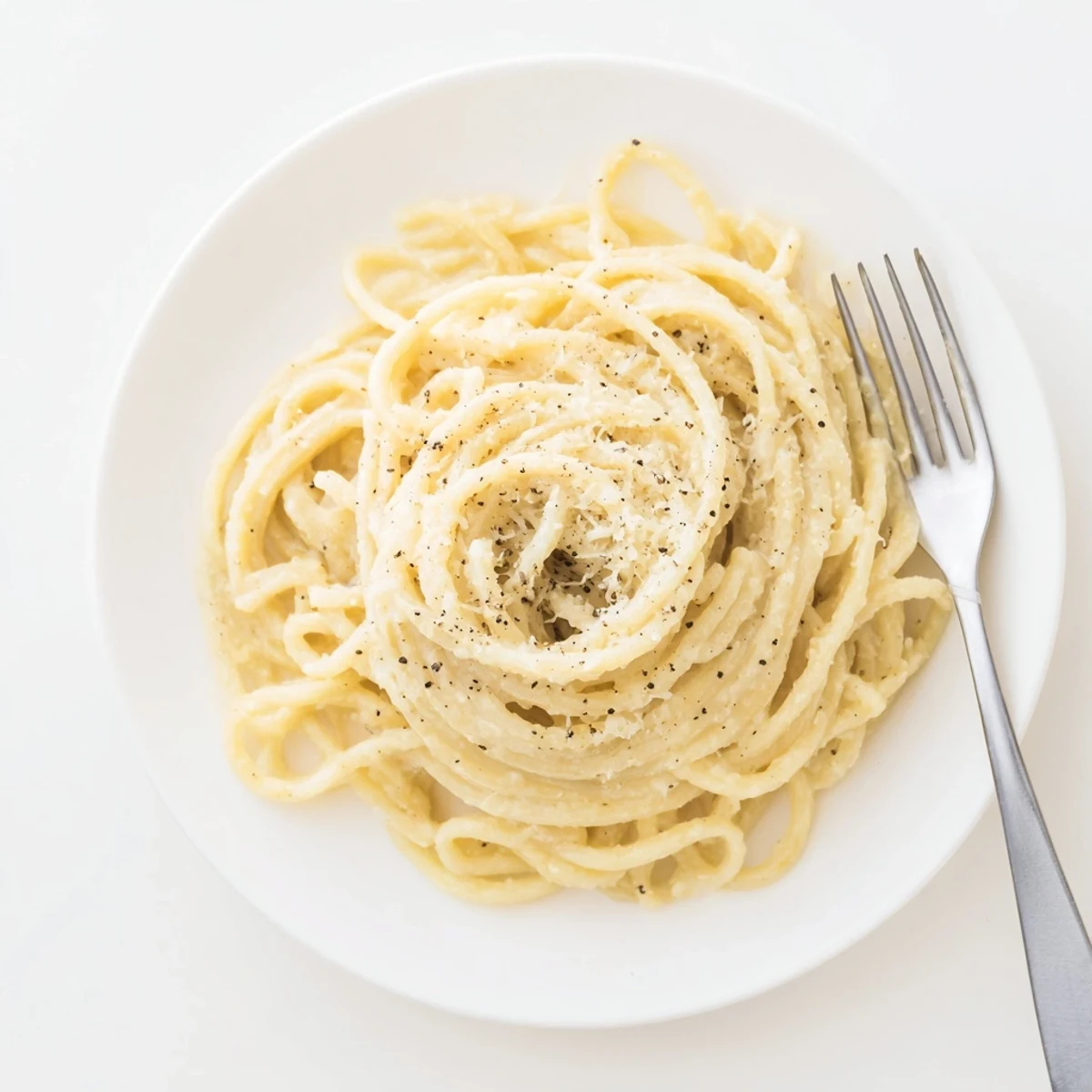
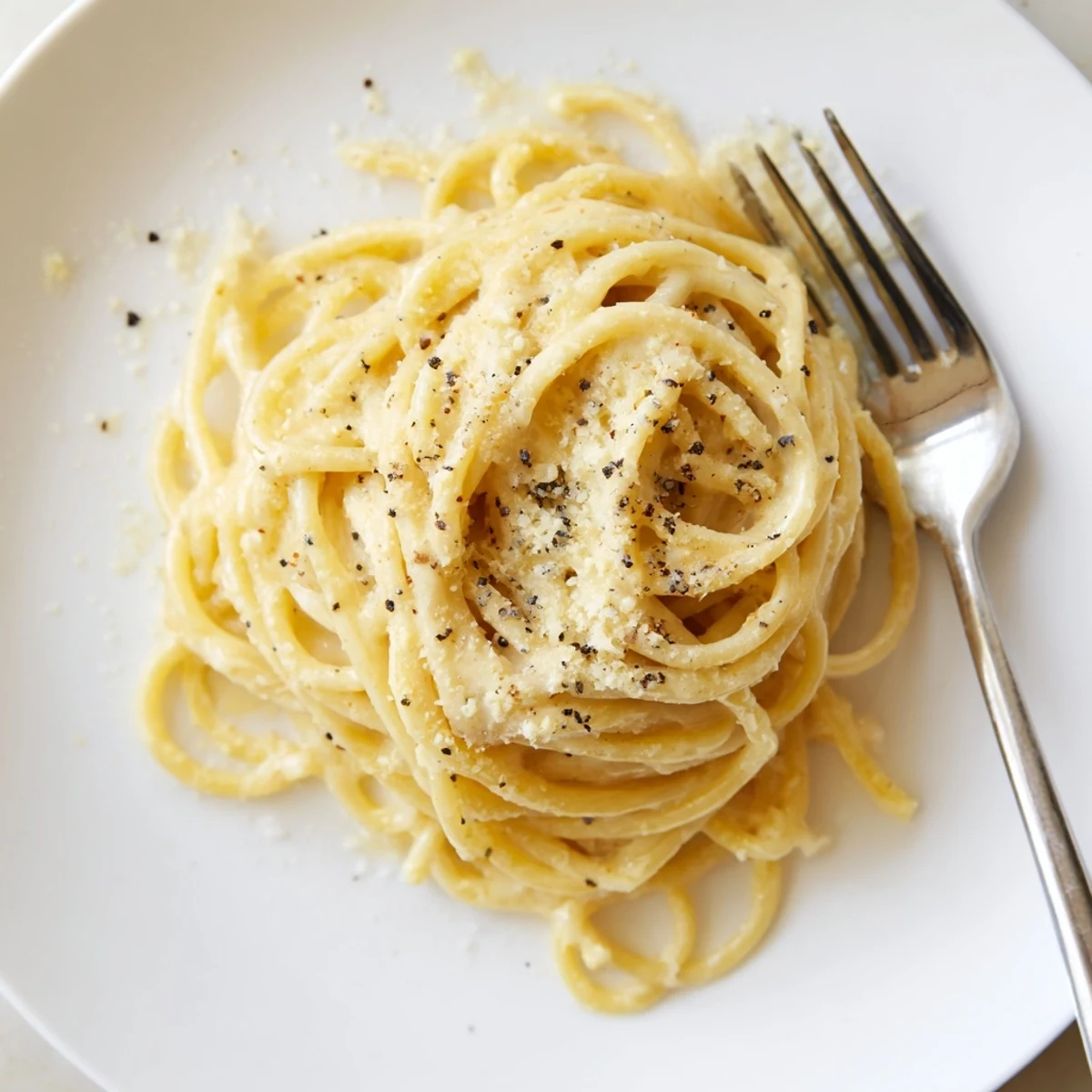
The final sauce should cling to the pasta like a glossy coat, not pool at the bottom of the bowl. If it looks dry, add pasta water. If it looks oily, add more cheese paste.
- Work fast once the pasta hits the pepper water
- Keep your reserved pasta water hot, not lukewarm
- Serve immediately while the sauce is at its silkiest
 Pin This
 There's something profoundly satisfying about a dish that relies on nothing but technique and quality ingredients. This pasta taught me that simplicity, when done with attention, becomes its own kind of luxury.
Recipe FAQs
- → What type of cheese works best for authentic Cacio e Pepe?
-
Pecorino Romano is essential for authenticity. This aged sheep's milk cheese provides the sharp, salty flavor profile that defines the dish. While some suggest Parmigiano-Reggiano as a substitute, it lacks the proper tang and complexity. Always grate it finely yourself for the smoothest emulsion.
- → Why does my sauce sometimes become clumpy or separate?
-
Sauce separation occurs when the cheese overheats or the pasta water isn't incorporated properly. Work quickly and remove the pan from heat before adding the cheese mixture. The starchy pasta water acts as an emulsifier—add it gradually while tossing vigorously to create that silky, cohesive coating.
- → Can I make this with whole wheat or gluten-free pasta?
-
Traditional wheat pasta releases the ideal amount of starch for emulsification. Whole wheat may alter the sauce texture slightly. For gluten-free versions, choose higher-quality brands and consider reducing the water temperature slightly when creating your cheese paste, as alternative flours behave differently with emulsification.
- → What's the purpose of toasting the black pepper first?
-
Toasting freshly ground pepper in the dry pan releases its essential oils and intensifies the aromatic qualities. This step is crucial for achieving that distinctive peppery backbone that cuts through the rich cheese. The fragrance alone tells you when it's ready—about one minute over medium heat.
- → How do I achieve restaurant-style silky coating on the pasta?
-
The secret is using plenty of reserved starchy pasta water and working in two stages. First, create a thick paste with cheese and a small amount of water. Then, add this to the pasta while tossing vigorously, incorporating more water as needed. The constant motion distributes the emulsion evenly for that flawless coating.
- → What pasta shape is most traditional?
-
While spaghetti is common outside Italy, Romans traditionally use tonnarelli, a thick square spaghetti made fresh. Long thin strands work best as they provide ample surface area for the sauce to cling to. Bucatini makes an excellent alternative with its hollow center capturing extra sauce.