 Pin This
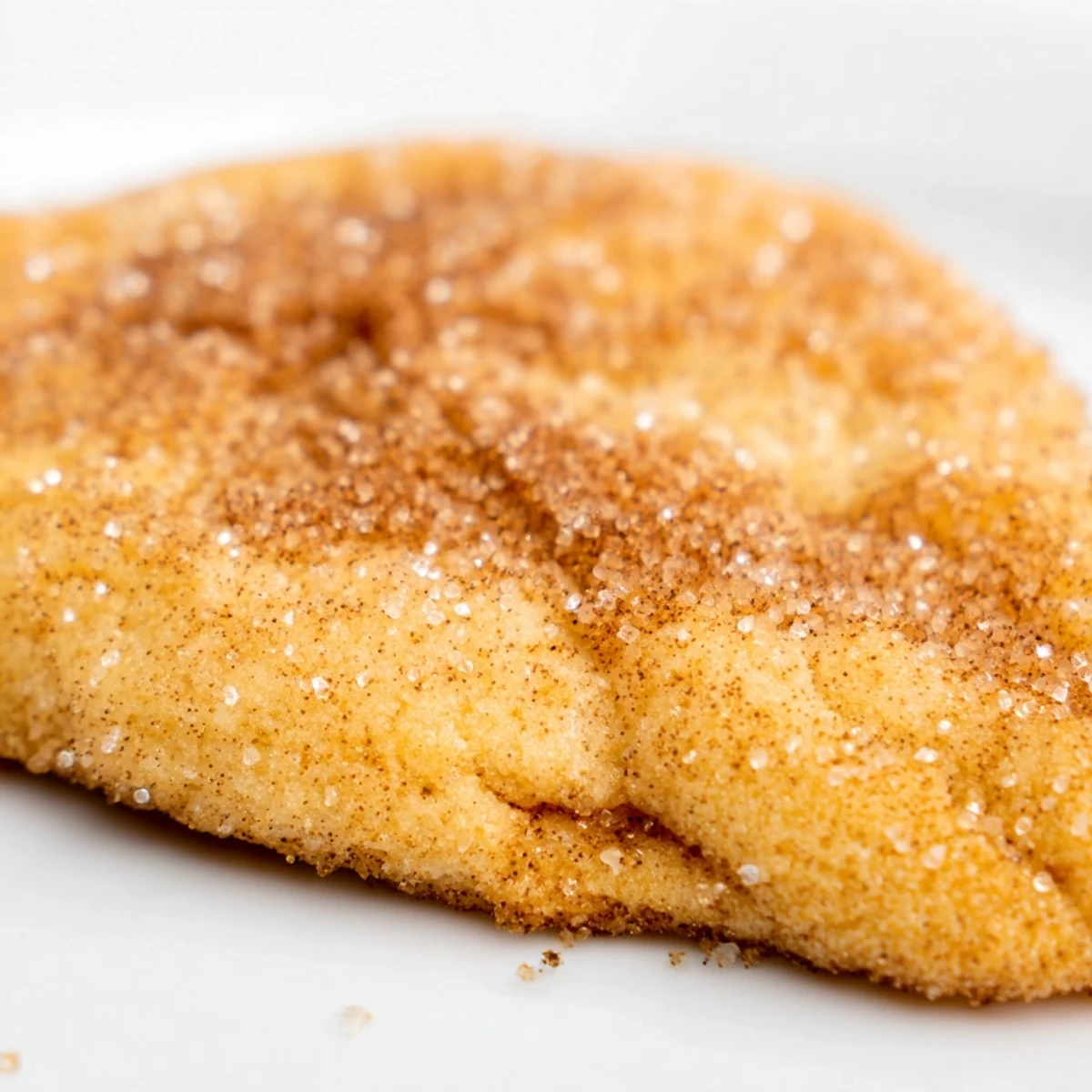
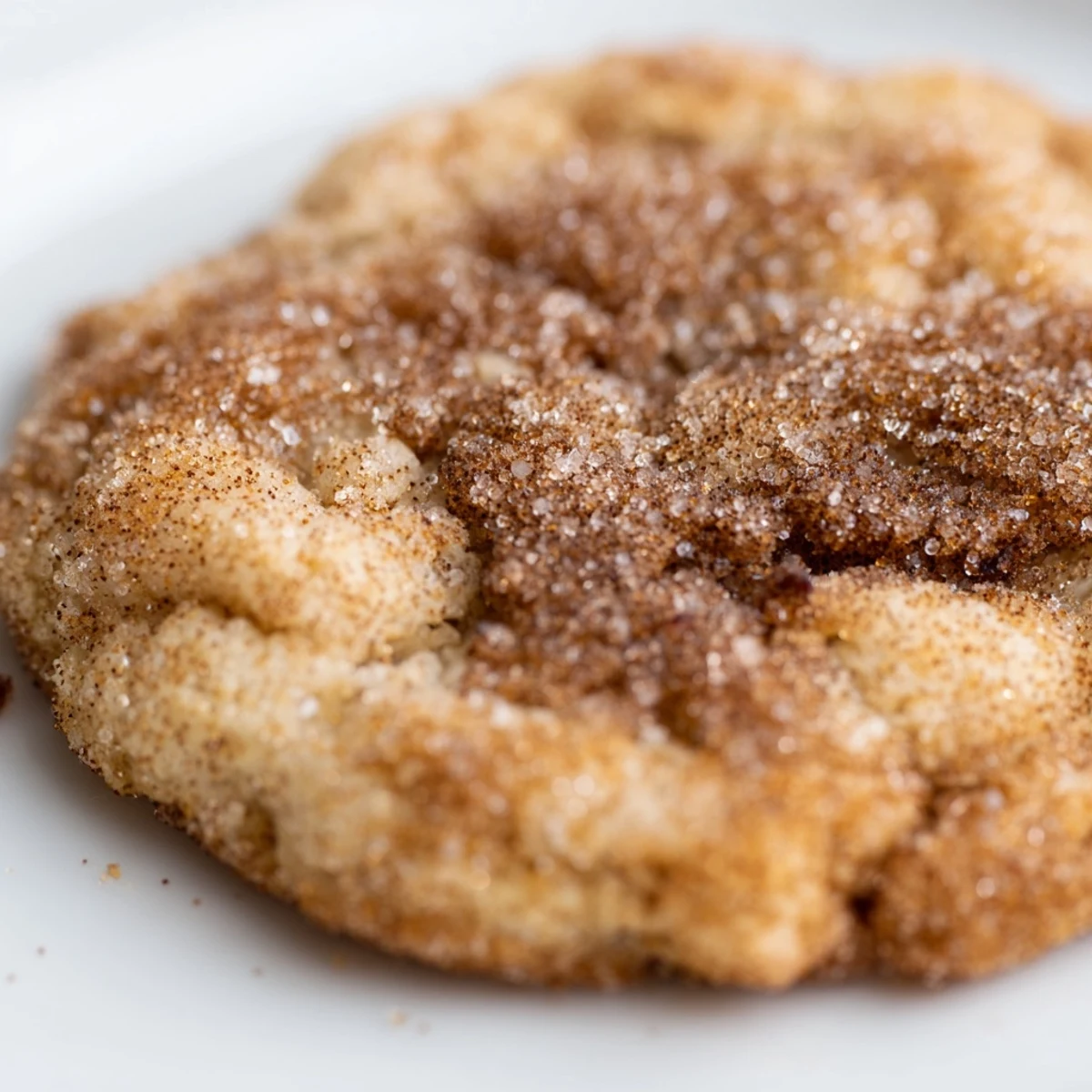
 These soft, chewy delights feature a crisp cinnamon-sugar coating that sparkles with each bite. Combining all-purpose flour, cream of tartar, and baking soda creates a tender texture, while butter and vanilla add richness. Rolled in a cinnamon and sugar mixture before baking, they develop a perfect balance of sweet and spice. Slight underbaking enhances chewiness, making them ideal with tea or coffee. Store in airtight containers to maintain freshness.
There's something about the smell of cinnamon hitting a warm kitchen that makes everything feel like home, even on an ordinary Tuesday afternoon. I discovered these cookies almost by accident, reaching for cream of tartar one baking day and suddenly remembering my grandmother mentioning it made cookies chewier. One batch later, I was completely hooked—soft centers that stay chewy for days, crispy edges dusted in sparkly cinnamon sugar, the kind of cookie that disappears from the plate before anyone realizes how many they've eaten.
I made these for a coworker who'd been having a rough week, and watching her face light up when she bit into one felt like the best compliment I could get. She came back three days later asking if I'd made more, and that's when I knew I'd found something special worth making again and again.
Ingredients
- All-purpose flour: The foundation that gives these cookies their tender structure while keeping them sturdy enough to handle that thick cinnamon-sugar coat.
- Cream of tartar: This is the secret ingredient that makes the magic happen—it reacts with the baking soda to create that signature chewy texture that lingers on your tongue.
- Baking soda: Works with the cream of tartar to lift the cookies just enough so they bake up fluffy in the middle.
- Salt: A small pinch that makes the sweetness sing without tasting salty at all.
- Unsalted butter: Use real butter here because it's what carries all those warm, toasted flavors that make these cookies taste homemade.
- Granulated sugar: Creamed with the butter to trap tiny air bubbles that keep the dough light and tender.
- Eggs: They bind everything together and add richness that makes each cookie feel indulgent.
- Pure vanilla extract: A couple teaspoons give depth without overpowering the cinnamon, though don't be shy with it.
- Cinnamon: The star of the show—use the good stuff because you'll taste the difference in every bite.
Instructions
- Get your oven ready:
- Preheat to 350°F and line your sheets with parchment paper so the bottoms won't brown too fast and you can slide them right off when they're done.
- Mix your dry team:
- Whisk flour, cream of tartar, baking soda, and salt in one bowl—this prevents lumps from hiding in your dough later.
- Cream butter and sugar together:
- Beat them for a good 2-3 minutes until they look pale and fluffy, like clouds in a bowl. This is where the air gets trapped.
- Add eggs one by one:
- Add each egg, let it fully blend before adding the next one—rushing this step makes the dough look broken and grainy.
- Pour in vanilla:
- Just a couple teaspoons, stirred in until you smell it everywhere.
- Fold in the dry ingredients:
- Add them gradually and mix gently until just combined—overmixing here toughens the cookies.
- Make your cinnamon coating:
- Mix the 1/4 cup sugar and cinnamon in a shallow bowl so you can easily roll each dough ball through it.
- Scoop and coat:
- Use a tablespoon to portion the dough into rough balls, then roll each one in that cinnamon-sugar mixture until it's completely covered and shimmering.
- Space them out on the sheet:
- Leave about 2 inches between each cookie because they'll spread a little during baking.
- Bake until just right:
- Watch for the edges to firm up while the very centers still look a tiny bit soft—this is what keeps them chewy on the inside. Nine to eleven minutes is the sweet spot.
- Let them cool on the sheet first:
- Five minutes on the baking sheet lets the centers finish setting without getting hard. Then move them to a wire rack so they cool evenly all around.
 Pin This
 These cookies remind me that sometimes the smallest changes make the biggest difference. A friend tasted one and said it was the first time a cookie had made her pause mid-conversation, and that's when I realized I'd created something worth protecting with this recipe.
The Chewiness Secret
The cream of tartar is doing something special here that most bakers don't talk about—it's adding just a touch of acidity that softens the gluten slightly and keeps these cookies from setting up completely hard. Some people skip it thinking it's not essential, but I learned the hard way that it's exactly what makes the difference between a good sugar cookie and one that stays soft enough to sink your teeth into days later. If you've ever wondered why some homemade cookies turn rock-hard overnight while others stay tender, this ingredient is your answer.
Why Underbaking Matters
I used to bake cookies until they looked completely golden, and they'd be hard as rocks by the next day. The moment I started pulling them out with barely-set centers, everything changed. The carryover heat finishes the baking while they cool, and you end up with something that's firm enough to handle but still has that lovely, yielding texture when you bite down.
Storage and Keep-Fresh Ideas
These keep beautifully in an airtight container for up to a week, staying soft and chewy the whole time. A slice of bread tucked in with the cookies helps them stay moist if your kitchen is dry, and you can refresh them gently in a low oven if they ever firm up too much.
- Store them in an airtight container at room temperature, away from other strongly flavored foods.
- Add a small piece of bread or apple to the container to help maintain moisture and chewiness.
- You can freeze the dough balls on a sheet, then bake them fresh whenever you need fresh cookies.
 Pin This
 These cookies have become my go-to when I need something that feels homemade but doesn't demand hours in the kitchen. There's real joy in pulling warm cookies from the oven and knowing exactly what made them special.
Recipe FAQs
- → How do I achieve a chewy texture?
-
Underbaking slightly helps keep the centers soft and chewy. Use the exact baking times and check the edges for firmness.
- → Can I add other spices to the coating?
-
Yes, a pinch of nutmeg or cloves can be mixed with the cinnamon sugar for a subtle twist.
- → What is the role of cream of tartar?
-
Cream of tartar acts as a leavening stabilizer, contributing to a tender and light texture.
- → How should I store these cookies?
-
Place them in an airtight container at room temperature to keep them fresh for up to one week.
- → Can these be made dairy-free?
-
Butter can be substituted with plant-based alternatives, but texture and flavor may slightly vary.