 Pin This
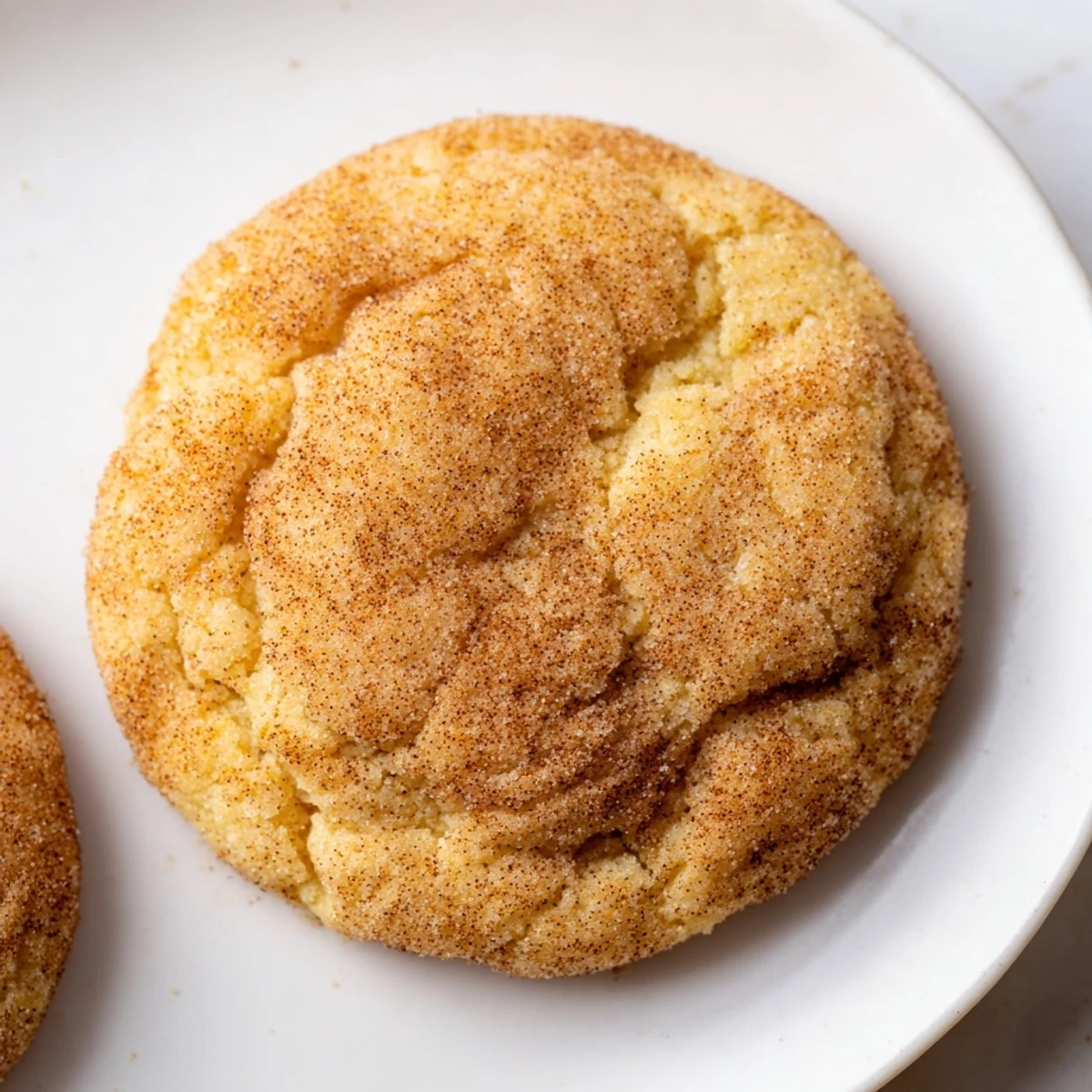
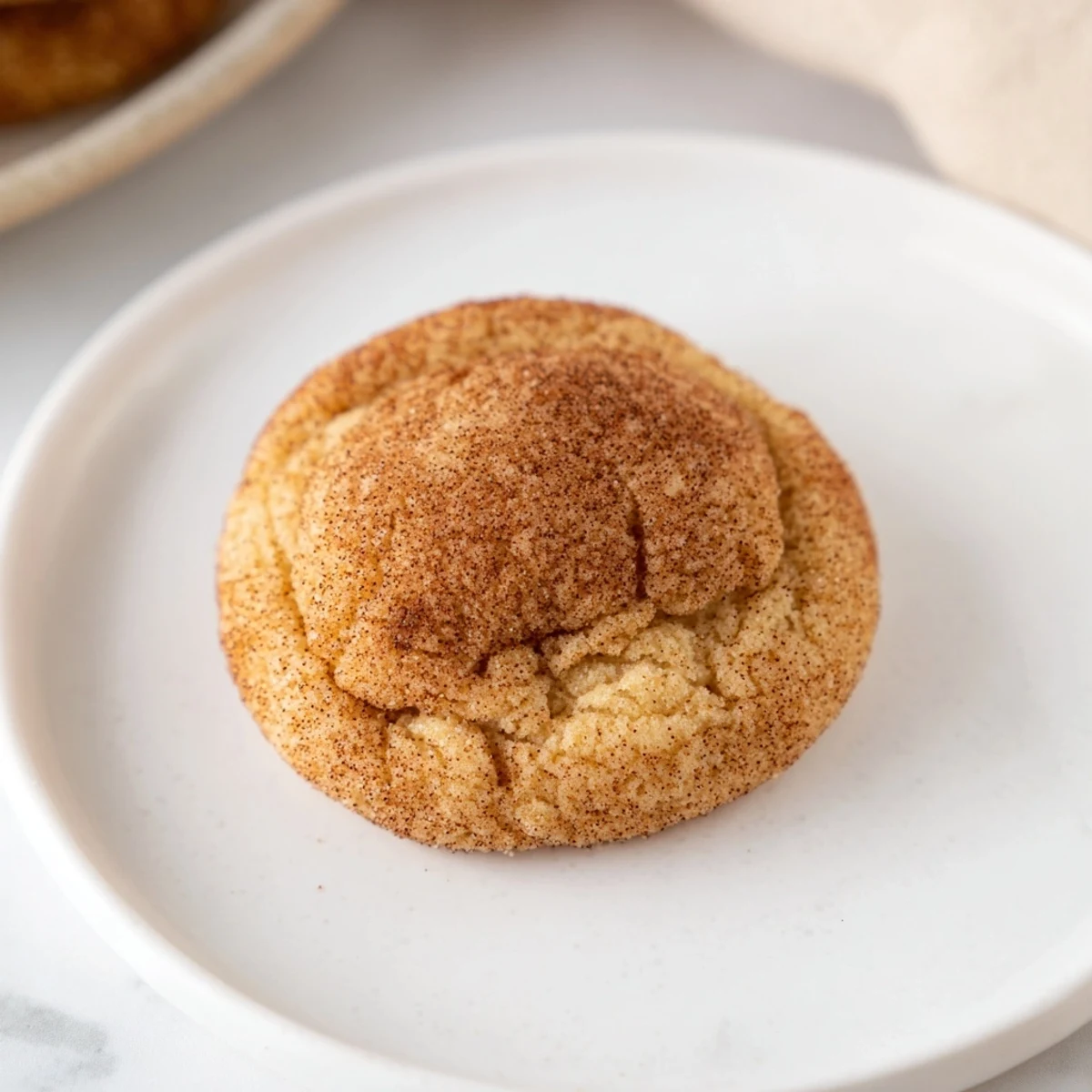
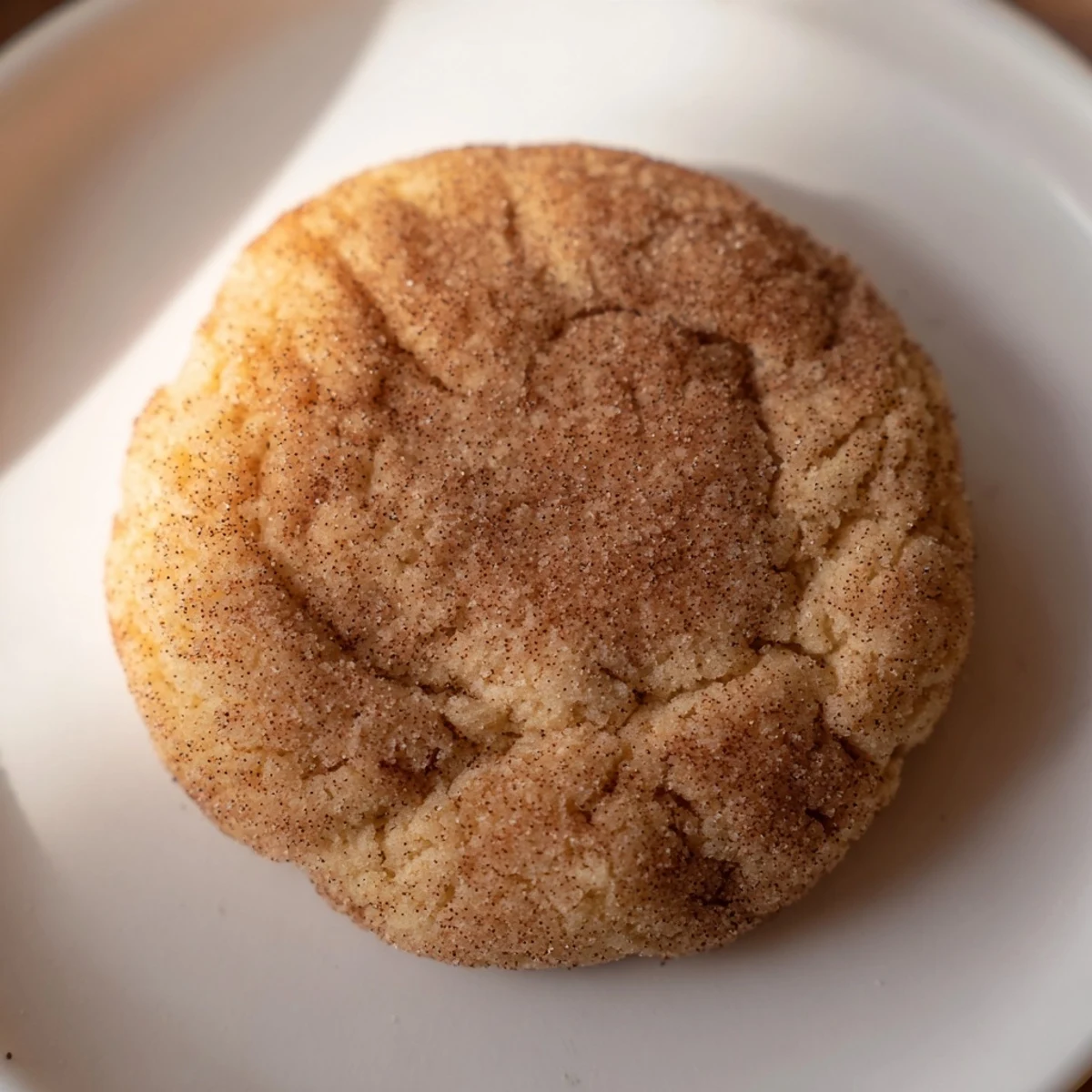
 These soft, chewy snickerdoodles offer a pleasant texture highlighted by a classic cinnamon-sugar crust. Made from all-purpose flour, cream of tartar, and baking soda, the dough is enriched with butter, vanilla, and sugar for a balanced sweetness. Baking at 375°F ensures a tender center with a slightly crisp exterior. Ideal for gatherings or a comforting treat, they bring a familiar, homey flavor to any dessert spread.
I still remember the day my grandmother handed me her worn recipe card for snickerdoodles, the edges soft from decades of kitchen use. She told me the secret wasn't just in the ingredients, but in how you'd know the moment they were done—when the edges set but the center still jiggled slightly on the pan. That first batch I made, I pulled them out too early, worried they weren't done, but they finished cooking on the cooling sheet and turned out perfectly chewy. Now every time I bake these, I'm transported back to her kitchen, the smell of cinnamon and vanilla filling the air, and I swear I can hear her voice guiding my hands.
I'll never forget the time I made these for my daughter's school bake sale, and she came home with an empty container and a note from her teacher saying they were gone within the first ten minutes. She looked at me so proudly, like I'd just won a gold medal, and asked if we could make double the batch next time. That's when I knew these weren't just cookies, they were little edible hugs that could make someone's whole day brighter.
Ingredients
- All-purpose flour (2 3/4 cups): This is your foundation, and measuring by weight ensures consistency every time, which I learned after too many batches of dense cookies from packed flour
- Cream of tartar (2 teaspoons): This is the magic ingredient that gives snickerdoodles their signature tang and helps create that chewy texture—don't skip it or substitute it
- Baking soda (1 teaspoon): Works with the cream of tartar to give you that perfect rise and slight browning on the edges
- Salt (1/2 teaspoon): Enhances all the flavors and makes the sweetness sing
- Unsalted butter (1 cup, softened): Room temperature butter creams properly and creates that tender crumb; cold butter means tough cookies
- Granulated sugar (1 1/2 cups): This sweetness is balanced by the cream of tartar, creating a cookie that's not cloyingly sweet
- Large eggs (2): Room temperature eggs incorporate better and create a more uniform texture throughout
- Pure vanilla extract (1 teaspoon): The pure stuff matters here; imitation extract will make a noticeable difference in the final flavor
- Cinnamon-sugar coating: The combination of 1/4 cup sugar and 1 1/2 teaspoons ground cinnamon should be generous and thick, giving you that beautiful coating that caramelizes slightly in the oven
Instructions
- Prepare your space:
- Preheat your oven to 375°F and line two baking sheets with parchment paper. This temperature is crucial—too hot and the edges burn before the center cooks, too cool and you lose that crispy-chewy contrast. I learned this the hard way after my first batch came out too dark.
- Mix the dry team:
- In a medium bowl, whisk together your flour, cream of tartar, baking soda, and salt. The whisking aerates the flour and distributes the leavening agents evenly—don't just stir, really whisk it like you mean it. Set this aside and let it breathe for a moment.
- Cream the butter and sugar:
- Using an electric mixer on medium speed, beat the softened butter and sugar together for about 2 to 3 minutes until it's pale, fluffy, and light. This creaming is where the magic starts; you're incorporating air that will make your cookies tender. If you skip this step or rush it, your cookies will be dense and heavy.
- Add the eggs one at a time:
- Crack one egg into the bowl and beat well until it's fully incorporated before adding the next one. Add your vanilla extract with the last egg. This patience ensures an emulsion, which creates that signature chewy texture you're after.
- Bring it together gently:
- With the mixer on low speed, add your dry ingredients to the wet ingredients in three additions, mixing just until combined after each addition. Overmixing toughens the dough, so stop as soon as you don't see streaks of flour anymore.
- Prepare your coating:
- In a small bowl, mix together your sugar and cinnamon until it looks like cinnamon-scented sand. This is your secret weapon for that gorgeous, crackly top.
- Shape and coat:
- Scoop the dough using a cookie scoop to get uniform sizes (about the size of a walnut), roll each ball gently between your hands, then press it into the cinnamon-sugar mixture to coat generously on all sides. The coating should be thick and visible—don't be shy with it.
- Bake with intention:
- Place your coated dough balls about 2 inches apart on your prepared baking sheets. Bake for 9 to 10 minutes. Here's the critical moment: they should look slightly underbaked on top, like the surface has just set but the center still jiggles slightly when you gently shake the pan. The edges will be just beginning to brown. This is where most people overbake and lose the chewiness, so trust me on this.
- The perfect rest:
- Leave the cookies on the baking sheet for 5 minutes—this is non-negotiable. They finish cooking with residual heat and set up just enough to transfer without falling apart, but they stay soft and chewy inside. After 5 minutes, transfer them to a cooling rack and let them cool completely.
 Pin This
 Years ago, I made these cookies for my best friend on the day she told me she was moving across the country. We sat in my kitchen eating warm snickerdoodles while crying and laughing, making promises to stay connected. Even now, whenever I smell cinnamon and vanilla baking, I think of her, and I know exactly where to send the next batch.
Storage and Keeping
The beauty of these cookies is that they actually improve over a day or two as they continue to soften. Store them in an airtight container at room temperature, and they'll stay perfectly chewy for up to five days. I like to place a piece of bread in the container with them; the cookies absorb some moisture from the bread and become even softer, and you can eat the bread too if you like. If you want to freeze them, they freeze beautifully for up to three months—just thaw them at room temperature for about an hour before serving.
Flavor Variations to Explore
Once you've mastered the classic, these cookies are a blank canvas for creativity. I've made versions with brown sugar instead of white (which adds a molasses depth), cardamom mixed into the cinnamon coating (which tastes elegant and slightly exotic), and even a vanilla bean version where I scraped real vanilla bean pods into the dough. The framework stays the same, but the personality changes completely. You could also dip the baked cookies halfway into melted white chocolate, or add a tiny pinch of nutmeg to the coating for warmth.
Why This Recipe Works
There's a reason snickerdoodles have been beloved for generations—the formula is nearly perfect. The cream of tartar creates tenderness and a subtle tang that balances the sweetness. The ratio of sugar to butter is calibrated to give you cookies that spread just enough to be chewy but not so much that they become thin and crispy. The eggs are the right amount to bind everything without making the dough cakey. This recipe has been tested and refined by countless bakers, and when you follow it faithfully, you can't really fail.
- Measure your flour by weight if you have a scale; it's the number one reason homemade cookies turn out inconsistent
- Don't skip the resting period on the baking sheet; those five minutes are when the cookies achieve their perfect texture
- Make a double batch and freeze half the dough; you can bake fresh cookies anytime in just a few minutes
 Pin This
 These cookies are more than just a recipe; they're an invitation to slow down and create something with your hands that brings joy to others. Every batch is a little act of love.
Recipe FAQs
- → What gives snickerdoodles their distinctive texture?
-
The combination of cream of tartar and baking soda creates a tender, chewy texture and subtle tang while helping the cookies rise gently.
- → How important is the cinnamon-sugar coating?
-
The cinnamon-sugar coating adds a sweet, warm crust that contrasts beautifully with the soft cookie interior.
- → Can I substitute butter with another fat?
-
Butter is preferred for flavor and texture, but margarine or shortening can be used with slight changes in taste and softness.
- → What’s the best way to store these cookies?
-
Store in an airtight container at room temperature to keep them soft and fresh for up to a week.
- → Can I freeze the dough or baked cookies?
-
Yes, dough balls can be frozen before baking. Baked cookies freeze well too; thaw to room temperature before serving.