
 Pin This
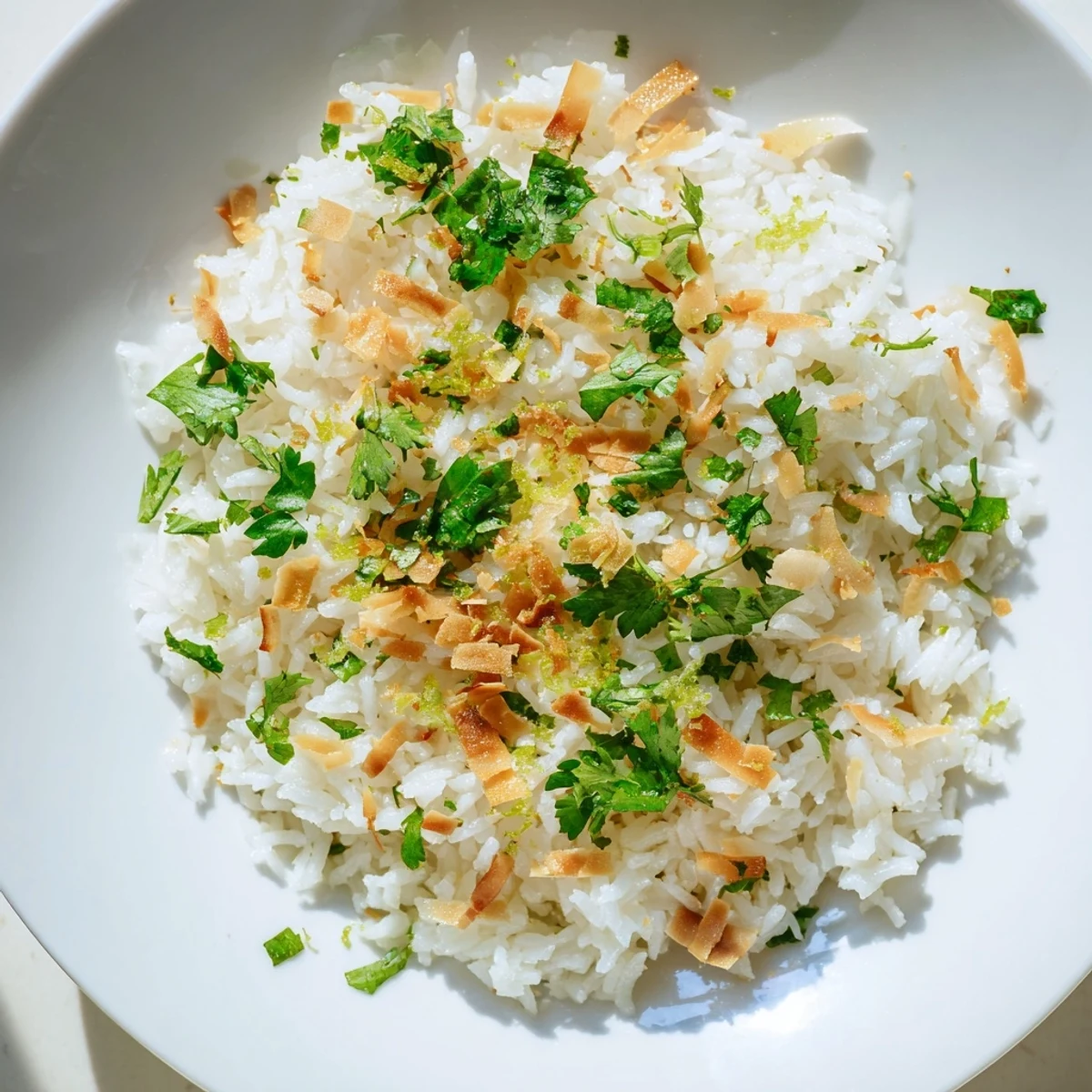
 This coconut rice combines rinsed jasmine rice with rich, full-fat coconut milk and a touch of salt, simmered low and slow until perfectly tender. The result is a fragrant, fluffy side dish with a subtle sweetness and creamy texture that pairs beautifully with Thai curries, grilled shrimp, or stir-fried vegetables.
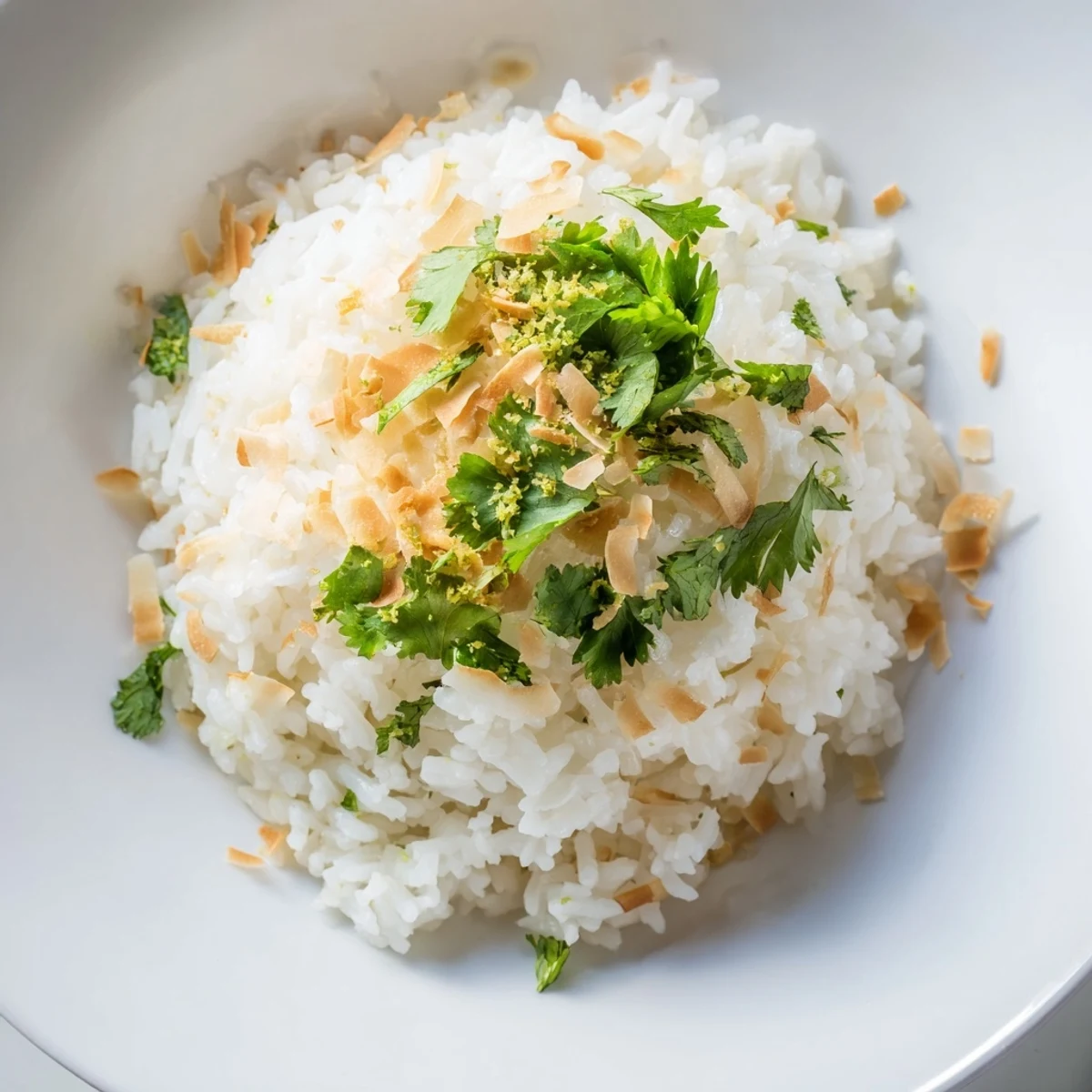
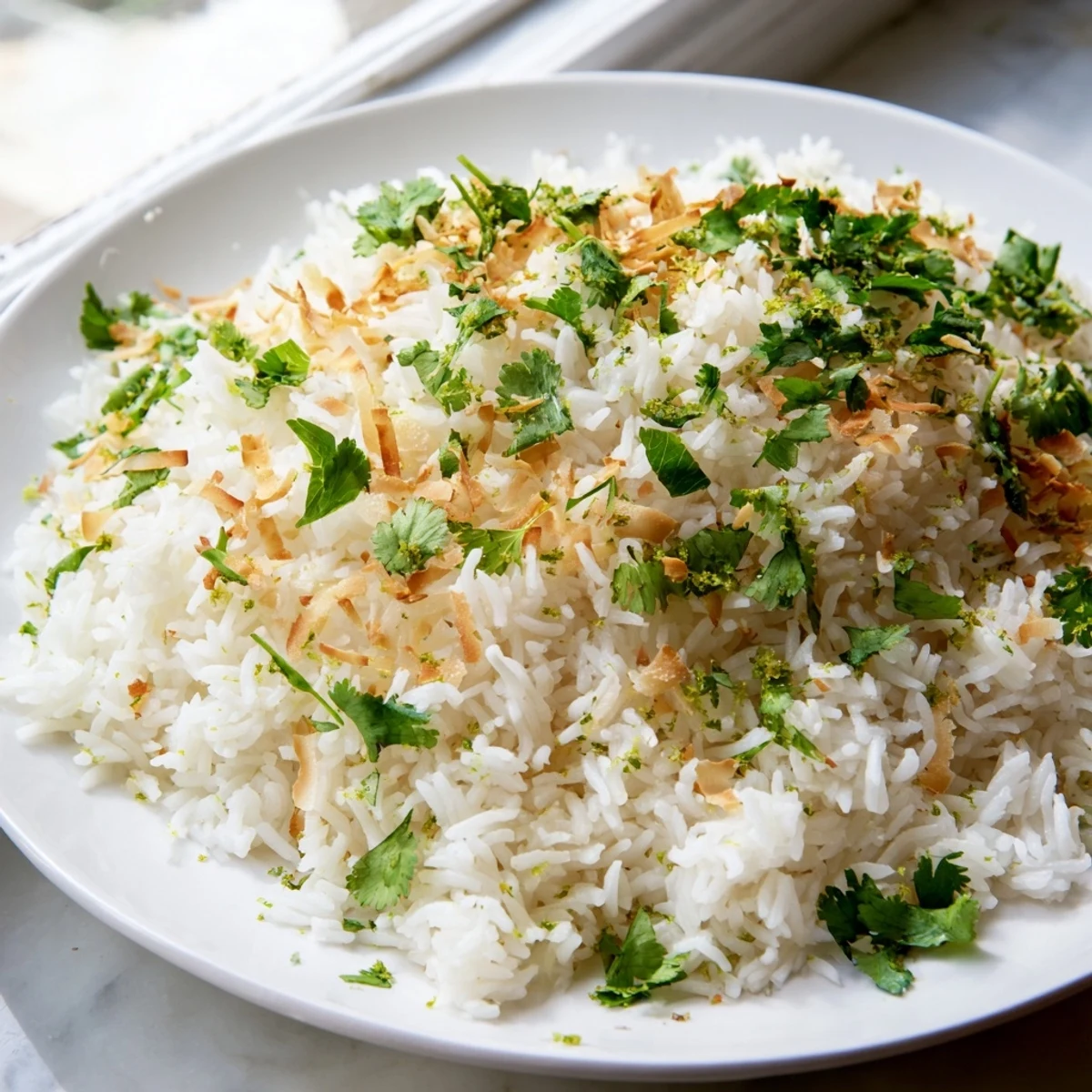
Ready in just 25 minutes with minimal prep, it's an effortless way to elevate any weeknight meal. Garnish with toasted coconut flakes, fresh cilantro, and lime zest for a restaurant-quality finish.
The smell of coconut milk hitting a hot saucepan is one of those small kitchen miracles that stops me in my tracks every single time. It is sweet, warm, and impossibly tropical, turning a basic Tuesday dinner into something that feels like a tiny vacation. Coconut rice was never something I grew up eating, but once I stumbled onto it during a phase of cooking through every Thai curry recipe I could find, it became a permanent fixture in my rotation. There is something deeply satisfying about a side dish that steals attention from the main course.
I once made a huge pot of this for a backyard dinner when a friend brought over a massive batch of green curry and we realized nobody had thought to make rice. Coconut rice saved the entire meal, and three people asked for the recipe before the night was over.
Ingredients
- Jasmine rice (1 cup, rinsed): Jasmine is the right choice here because its floral aroma complements the coconut without competing, but any long grain white rice will work in a pinch.
- Coconut milk (1 cup, unsweetened and full fat): Full fat is non negotiable if you want that creamy texture, and always shake the can well before opening so the fat and liquid are combined.
- Water (3/4 cup): The ratio matters more than people realize, and this amount balances the richness of the coconut milk perfectly.
- Salt (1/2 teaspoon): Just enough to wake up all the other flavors without making it taste salty.
- Toasted coconut flakes (2 tablespoons, optional): These add a crunch that makes the dish feel finished rather than thrown together.
- Chopped fresh cilantro (1 tablespoon, optional): A bright herbal note that cuts through the richness beautifully.
- Lime zest (1 teaspoon, optional): This tiny addition makes the whole bowl sing with a subtle citrus fragrance.
Instructions
- Wash the rice well:
- Rinse the jasmine rice under cold running water, swishing it with your fingers, until the water runs completely clear. This removes surface starch so the grains stay separate and fluffy rather than clumping into a sad sticky mass.
- Combine everything in the pot:
- Add the rinsed and drained rice to a medium saucepan along with the coconut milk, water, and salt, then give it a gentle stir to distribute the ingredients evenly.
- Bring to a boil:
- Set the pan over medium high heat and watch for the edges to start bubbling and the surface to release fragrant steam. You want a gentle boil, not a rolling one that might scorch the coconut milk at the bottom.
- Simmer with the lid on:
- Turn the heat to low, clamp on a tight fitting lid, and set a timer for fifteen minutes. Resist every urge to peek because lifting the lid lets the steam escape and that steam is what cooks the rice perfectly.
- Let it rest off the heat:
- Remove the saucepan from the burner but keep the lid on for another ten minutes. The residual heat continues to steam the grains and makes them tender all the way through without turning mushy.
- Fluff and finish:
- Use a fork to gently fluff the rice, lifting rather than stirring to keep the grains intact. Scatter toasted coconut flakes, cilantro, and lime zest over the top if you are feeling fancy.
 Pin This
 There was a winter evening when I ate a bowl of this rice entirely on its own, standing at the counter, too hungry and impatient to plate a proper meal. It was so good I did not feel guilty about it for even a second.
Getting the Texture Right Every Time
The difference between good coconut rice and unforgettable coconut rice comes down to one thing, and that is restraint. Too much stirring, too much heat, or too much liquid will each ruin it in their own frustrating way.
Ways to Build on the Base Flavor
Tossing a smashed piece of fresh ginger or a single bay leaf into the pot before simmering adds a layer of warmth that surprises people in the best way. Just remember to fish it out before serving so nobody gets an unexpected bite of raw ginger.
What to Serve Alongside Coconut Rice
This rice was practically designed for Thai curries, but it is equally brilliant next to grilled shrimp with a charred edge, sticky soy glazed chicken thighs, or a simple plate of roasted vegetables. Keep it in your back pocket for any meal that could use a little richness.
- Leftovers reheat beautifully with a splash of water in the microwave.
- It also works cold as a base for a quick rice salad with lime juice and shredded vegetables.
- Always make more than you think you need because it disappears fast.
 Pin This
 Coconut rice is proof that simple food, treated with a little care, often leaves the deepest impression. Make it once and you will find yourself reaching for that can of coconut milk again and again.
Recipe FAQs
- → Can I use regular white rice instead of jasmine rice?
-
Yes, any long-grain white rice works well. Basmati rice is also a great alternative. You may need to slightly adjust the water ratio depending on the rice variety you choose.
- → Should I use full-fat or light coconut milk?
-
Full-fat unsweetened coconut milk delivers the richest flavor and creamiest texture. Light coconut milk will work but produces a less indulgent result with subtler coconut flavor.
- → Why do I need to let the rice sit covered after cooking?
-
Letting the rice rest off-heat for 10 minutes allows it to finish steaming gently. This step ensures even texture throughout and prevents the bottom layer from sticking or becoming mushy.
- → What dishes pair well with coconut rice?
-
Coconut rice complements Thai and Indian curries beautifully. It also works alongside grilled shrimp, roasted chicken, stir-fried vegetables, or any dish with bold, spicy flavors that benefit from a cooling, creamy side.
- → How should I store and reheat leftover coconut rice?
-
Store leftovers in an airtight container in the refrigerator for up to 4 days. To reheat, sprinkle a tablespoon of water over the rice and warm it in the microwave covered, or gently steam it on the stovetop until heated through.
- → Is this coconut rice suitable for dietary restrictions?
-
This dish is naturally vegetarian, gluten-free, and dairy-free, making it suitable for most dietary needs. Note that coconut is classified as a tree nut allergen for some individuals, so always check with guests if needed.