 Pin This
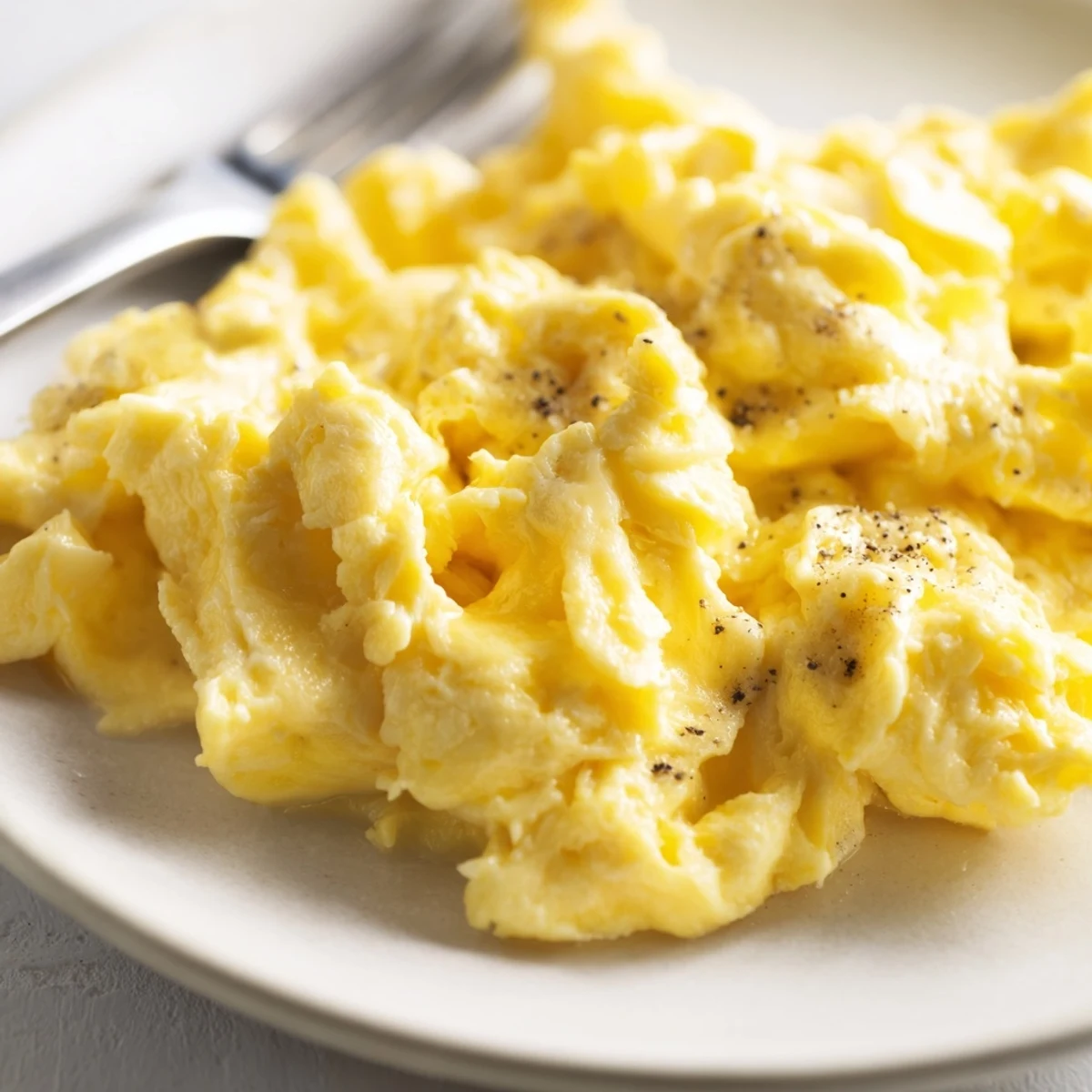
 Transform ordinary eggs into an extraordinary breakfast with this foolproof method for achieving perfectly creamy scrambled eggs. The secret lies in gentle heat management and patient folding techniques that create those signature soft curds everyone loves.
Start by whisking eggs with dairy until slightly frothy, then cook slowly over medium-low heat. The key is letting the mixture sit briefly between gentle pushes toward the center, allowing natural curd formation without overcooking. This results in irresistibly creamy, moist eggs that never turn rubbery.
Customization options abound—swap cream for milk to increase richness, fold in fresh herbs or grated cheese, or serve alongside avocado and smoked salmon for a restaurant-worthy presentation. Whether you're a beginner or seasoned cook, these eggs deliver consistent perfection every time.
The morning sun hit my tiny apartment kitchen just right as I finally cracked the code on scrambled eggs. After years of rubbery disappointments, I discovered that patience and low heat were the missing ingredients all along. Now these creamy clouds of egg are my go-to comfort breakfast, whether I am celebrating a promotion or nursing a broken heart.
Last winter my sister stumbled into my apartment at midnight, starving after a terrible date. Within minutes I had two plates of these fluffy eggs ready, and somewhere between the first bite and her third cup of tea, she forgot all about him. Sometimes the simplest food is exactly what we need.
Ingredients
- 4 large eggs: Fresh eggs create better structure and fluffier curds than older ones
- 2 tbsp whole milk or cream: Cream makes the eggs luxuriously rich, though milk still yields lovely results
- 1 tbsp unsalted butter: Butter adds essential flavor and prevents sticking better than oil ever could
- 1/4 tsp salt: Enhances the natural egg flavor without overpowering it
- 1/8 tsp freshly ground black pepper: Adds just enough subtle warmth and depth
Instructions
- Whisk everything together:
- Crack eggs into a bowl, add milk or cream, then season with salt and pepper. Whisk until uniform and slightly frothy for the lightest texture.
- Melt the butter:
- Heat butter in a nonstick skillet over medium-low heat until melted and gently bubbling.
- Pour and pause:
- Add the egg mixture and let it sit undisturbed for a few seconds until the edges begin to set.
- Create soft curds:
- Gently push eggs from edges toward center with a spatula, forming soft curds while letting uncooked egg flow into empty spaces.
- Finish carefully:
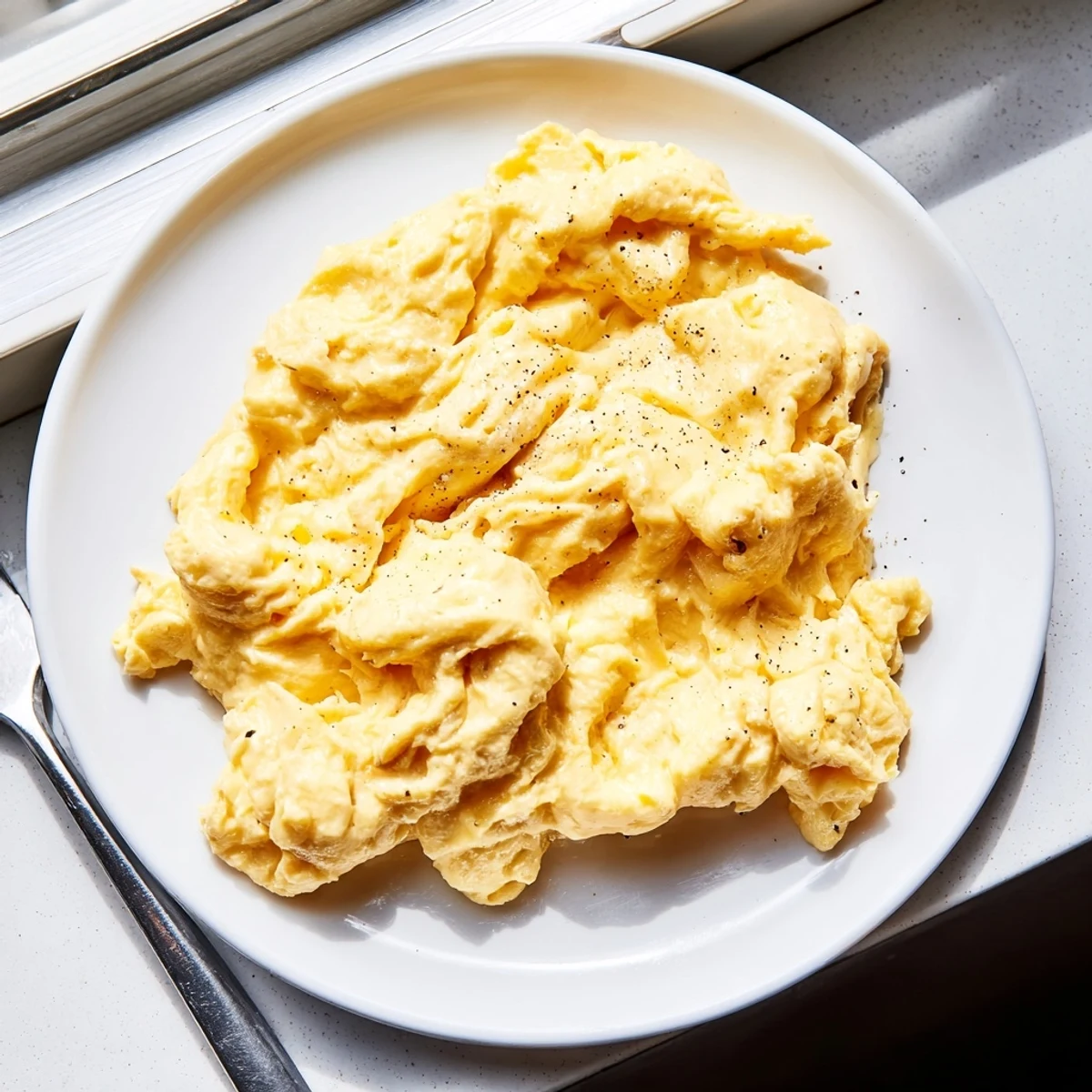
- Continue cooking until just set but still creamy and slightly moist. Remove from heat immediately.
 Pin This
 My grandmother insisted scrambled eggs should never see the inside of a microwave. She taught me that good food is worth the ten minutes it takes to cook it properly, and that lesson has stuck with me through every kitchen I have called home.
Choosing Your Dairy
Cream transforms these eggs into something indulgent, perfect for Sunday mornings when time feels abundant. Milk keeps them lighter for weekday breakfasts, while still delivering that essential creaminess. Either way, the result beats diner eggs every single time.
Temperature Control
Medium-low heat might feel agonizingly slow, but rushing with high heat yields disappointing results. I learned this lesson the hard way after countless batches of dry, rubbery eggs that nobody wanted to finish.
Make It Your Own
These eggs serve as the perfect canvas for whatever you are craving. Fresh chives from the windowsill garden, sharp cheddar cheese, or leftover roasted vegetables all find their home here.
- Add fresh herbs during the last thirty seconds of cooking
- Grate cheese over the eggs while they are still hot
- Pair with buttered toast for the ultimate comfort breakfast
 Pin This
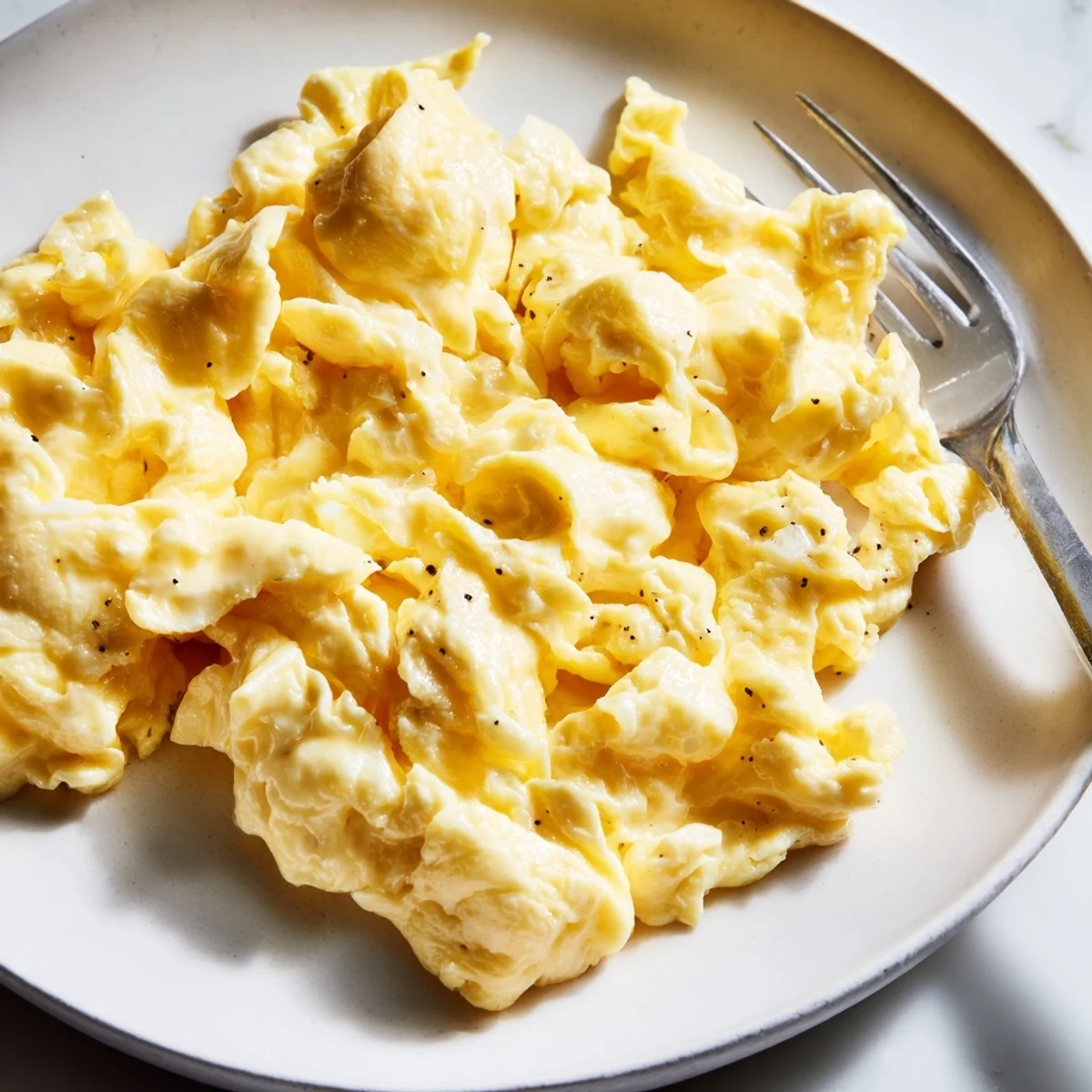
 Perfect scrambled eggs are about patience and attention, qualities worth practicing in the kitchen and beyond. Every batch teaches us something new.
Recipe FAQs
- → What's the secret to creamy scrambled eggs?
-
The secret lies in low and slow cooking. Use medium-low heat, avoid constant stirring, and remove from heat while eggs still appear slightly undercooked. The residual heat finishes the cooking process, ensuring perfectly creamy results.
- → Should I use milk or cream?
-
Both work beautifully. Milk creates lighter, fluffier eggs while cream produces richer, more decadent results. Start with 2 tablespoons per 4 eggs and adjust based on your preferred texture and taste preferences.
- → Why do my scrambled eggs turn rubbery?
-
Rubbery eggs typically result from high heat or overcooking. Keep the temperature at medium-low and remove the pan from heat while eggs still look slightly moist. They'll continue cooking on the hot pan for perfect results.
- → Can I prepare these ahead of time?
-
Scrambled eggs taste best fresh, but you can gently reheat leftovers. Place in a microwave-safe bowl, add a splash of milk or cream, and warm at 50% power in 30-second intervals, stirring between each.
- → What add-ins work well?
-
Fresh chives, dill, parsley, grated cheddar, goat cheese, crumbled feta, diced tomatoes, sautéed mushrooms, or caramelized onions all complement the creamy base. Add delicate ingredients like herbs and cheese just before removing from heat.
- → What size pan should I use?
-
An 8-inch nonstick skillet works perfectly for 4 eggs. Using too large a pan causes eggs to spread thinly and overcook, while too small a pan leads to uneven cooking. Nonstick coating ensures easy release without sticking.