
 Pin This
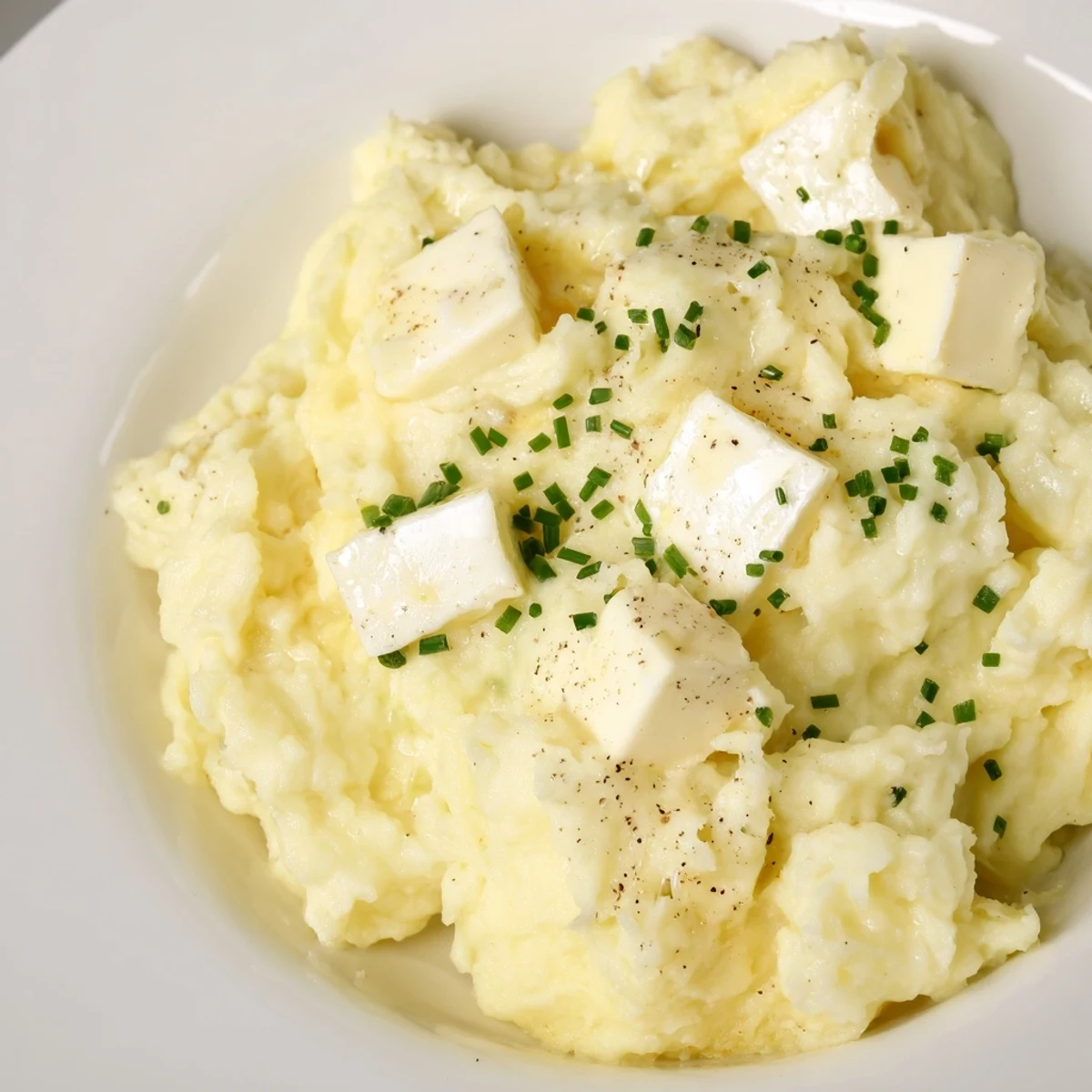
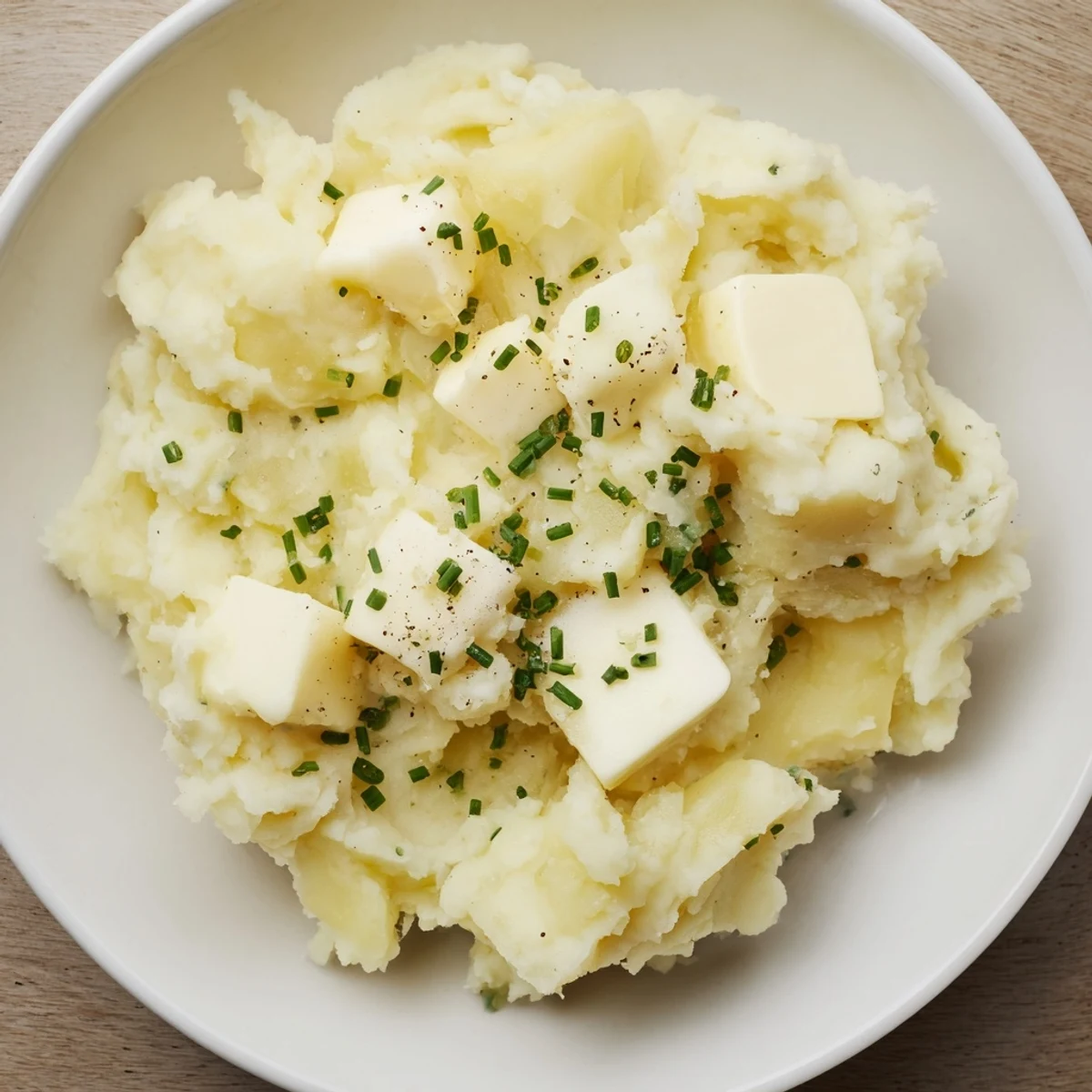
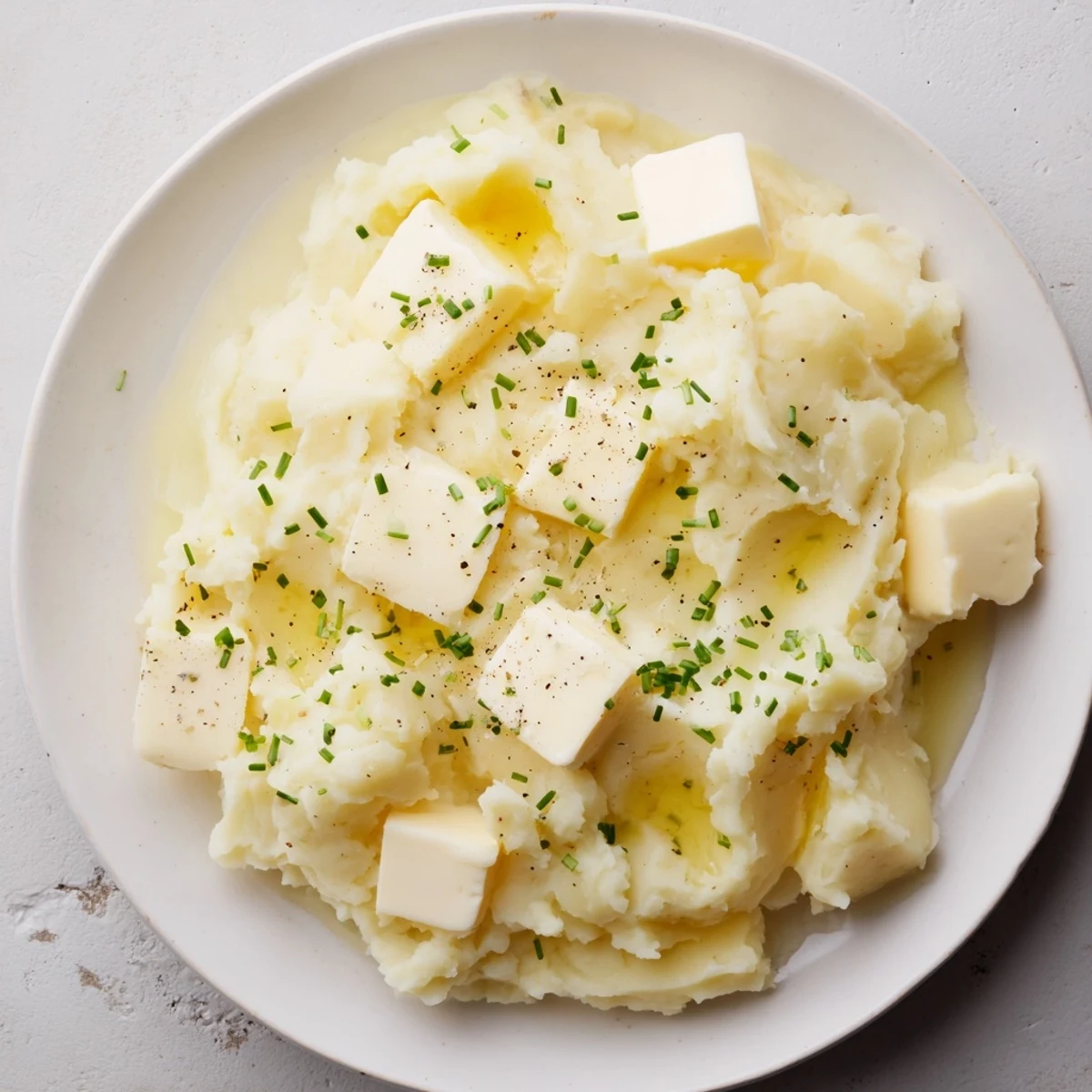
 This dish features tender Yukon Gold or Russet potatoes boiled until soft, then mashed to a smooth texture. Warm milk, cream, and butter are gradually blended in to create a creamy, velvety consistency. Gentle seasoning with salt and black pepper enhances the flavor, and a garnish of fresh chives or parsley adds a bright touch. Ideal for pairing with roasts or holiday dishes, it offers a satisfying comfort experience with minimal preparation time.
There's a particular smell that fills the kitchen when potatoes hit boiling water—earthy and clean, like something essential is being coaxed into tenderness. My grandmother used to say you could tell a person's character by their mashed potatoes, which felt dramatic until I realized she meant it as a compliment about care and attention. These creamy, buttery potatoes have become my answer to every holiday table, every comfort meal, every moment when I want to turn a simple vegetable into something that tastes like home. The secret, I've learned, is patience and warm cream.
I once made these for a dinner party where everything felt like it was falling apart—the roast was running late, the greens wilted faster than expected. But when I served the mashed potatoes in a warm bowl, golden from a whisper of cream and butter, the whole table quieted. Someone asked for the recipe. Another person went back for seconds before touching anything else. That's when I understood these aren't just a side dish; they're the moment people relax into a meal.
Ingredients
- Yukon Gold or Russet potatoes (1.2 kg / 2.6 lbs): Yukon Golds stay naturally creamy and buttery; Russets get fluffier if you prefer that texture—peel them and cut into chunks so they cook evenly.
- Whole milk, warmed (120 ml / ½ cup): Warm milk mixes in without cooling the potatoes down, keeping them at that perfect fluffy stage.
- Unsalted butter, cubed and room temperature (60 g / ¼ cup): Room-temperature butter incorporates smoothly; cold butter creates little greasy pockets.
- Heavy cream, warmed (60 ml / ¼ cup): This is what makes them silky—don't skip it or reduce it, the cream matters more than you'd think.
- Fine sea salt (1 tsp, plus more): Salt in the cooking water and in the final seasoning brings out the potato flavor in a way you won't identify but will absolutely taste.
- Freshly ground black pepper (½ tsp): Fresh pepper is worth the extra ten seconds; pre-ground tastes dusty by comparison.
- Chives or parsley for garnish (2 tbsp chopped): A bright finish that looks intentional and tastes like you know what you're doing.
Instructions
- Start with cold water:
- Place potato chunks in a large pot and cover with cold water, adding 1 teaspoon salt. Cold water means the potatoes cook evenly from the inside out, not falling apart on the outside while the center stays firm.
- Boil, then simmer:
- Bring to a boil over high heat, then reduce to a simmer and cook for 15–18 minutes until a fork slides through with no resistance. You'll know they're ready when they're tender enough to mash with barely any pressure.
- Drain and steam:
- Drain thoroughly in a colander, then return the potatoes to the hot pot off the heat for 1–2 minutes. This steaming step dries them out slightly, which keeps the final dish from being waterlogged and dense.
- Mash to your texture:
- Use a potato masher for rustic, slightly chunky potatoes, or a ricer for completely smooth ones—either is right, just avoid a blender or food processor, which will make them gluey. Work steadily but don't obsess; a few tiny flecks are fine.
- Fold in the dairy:
- Gradually add the warm milk, cream, and butter in small additions, stirring gently until fully incorporated and creamy. Warm dairy matters because cold liquid would shock the hot potatoes and seize the starches.
- Season and taste:
- Add more salt and pepper a pinch at a time, tasting after each addition. Potatoes taste bland when they're hot, so season slightly more than feels right; the flavor will settle as they cool.
- Serve with intention:
- Transfer to a warm serving bowl and garnish with chives or parsley if you have them. Serve immediately while they're still steaming.
 Pin This
 There was a Tuesday night when my daughter asked if we could make mashed potatoes just to eat them alone, with nothing else on the plate. We sat at the kitchen counter, steam rising, and talked about her day while the butter melted into every bite. That's when food stops being about nutrition or technique and becomes about presence, about slowing down.
Why This Works Every Time
The texture of mashed potatoes lives in the space between technique and ingredients—neither one is enough alone. Starting with cold water and building heat gradually means the insides cook before the outsides break down, giving you that perfect tenderness. The butter and cream matter not just for flavor but for emulsion, creating a silky coating around each potato cell. It's science, but it tastes like care.
Make Ahead and Variations
These hold beautifully if you need them to—make them up to 2 hours ahead, cover with foil, and reheat gently in the pot over low heat with a splash of warm milk stirred through. If you're feeling adventurous, roasted garlic mashed into the butter before adding creates an almost savory depth, or a few tablespoons of cream cheese folded in at the end turns them into something new entirely. Even just a swirl of sour cream instead of some of the cream shifts the flavor toward something tangier and more complex.
The Comfort in Simplicity
Mashed potatoes teach you that the best recipes aren't the most complicated—they're the ones that make you feel something when you eat them. There's no fancy technique to hide behind, just potatoes, butter, cream, and salt, asking you to pay attention. When they turn out perfect, it's not luck; it's because you listened to the little signals—the steam rising from the pot, the resistance of the masher, the way the butter melts into gold.
- Cold water starts the process right; warm water cooks the outside too fast.
- A potato ricer makes them restaurant-smooth, but a masher with intention works just fine.
- Season twice—once in the water, once at the end—and you'll never have bland potatoes again.
 Pin This
 These mashed potatoes have fed my family through ordinary Tuesdays and important celebrations, and they've never once disappointed. Make them with attention, taste them often, and let them remind you why simple food, done with care, is everything.
Recipe FAQs
- → What type of potatoes work best?
-
Yukon Gold or Russet potatoes offer the ideal texture, becoming fluffy and smooth when mashed.
- → How can I make the potatoes extra creamy?
-
Gradually incorporate warm milk, cream, and butter while mashing to achieve a rich, velvety texture.
- → Can I prepare this dish ahead of time?
-
Yes, it can be made ahead and gently reheated with a splash of milk to restore creaminess.
- → What are good garnishes for this dish?
-
Chopped chives or parsley add a fresh, vibrant flavor and color contrast.
- → Are there flavor variations I can try?
-
Consider adding roasted garlic or cream cheese for subtle, delicious twists.