
 Pin This
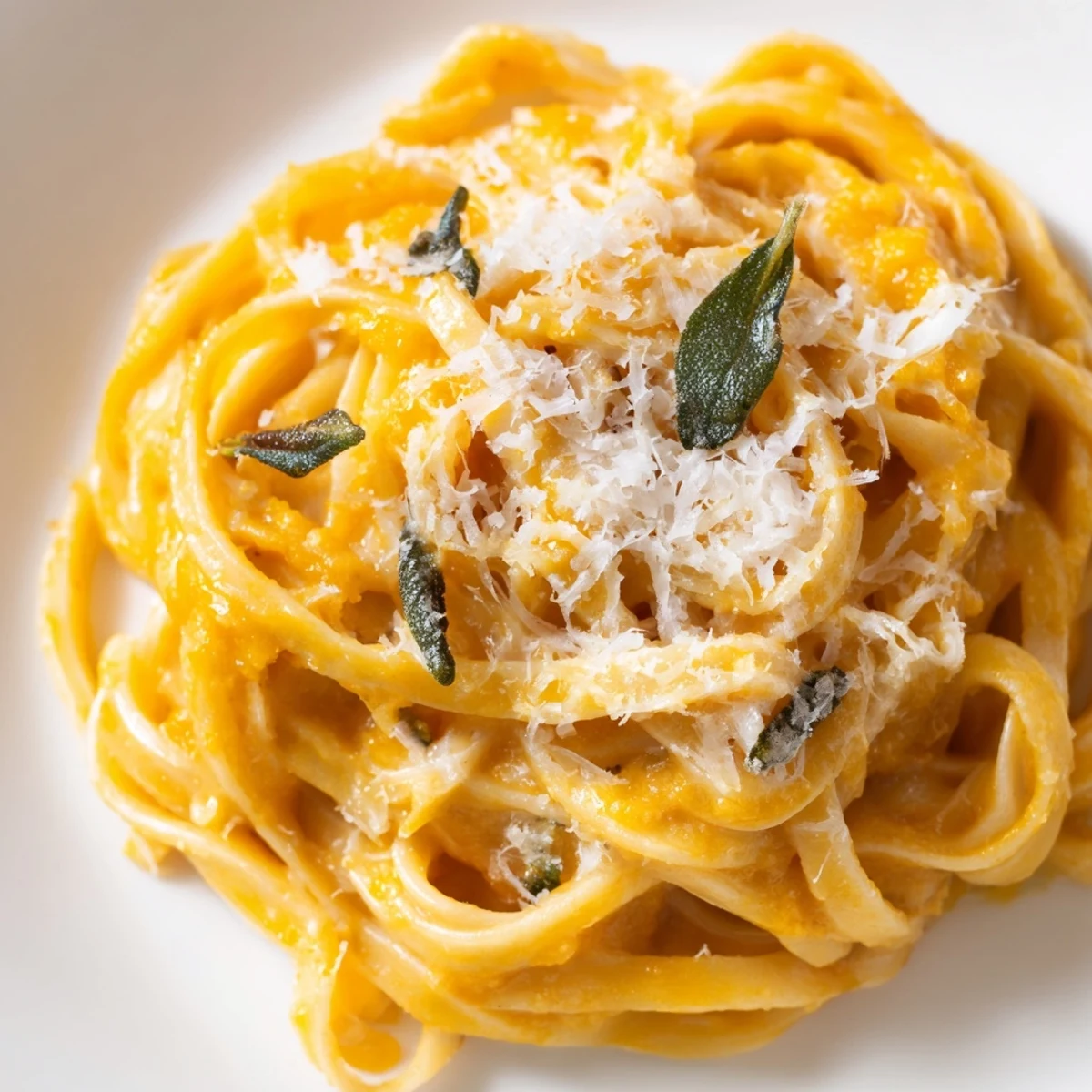
 This sauce combines unsweetened pumpkin purée, fresh sage, and rich cream to create a smooth, savory blend perfect for autumn meals. Sautéed onions and garlic build the aromatic base, while Parmesan adds depth and richness. Nutmeg and black pepper introduce subtle warmth, complementing the flavors. Tossed with pasta and finished with reserved pasta water for ideal consistency, this sauce offers a comforting, creamy texture that enhances any pasta choice. A simple, elegant dish perfect for quick, satisfying dinners.
There's something about the way sage leaves crackle in butter that makes you feel like you're cooking in someone else's Italian grandmother's kitchen. I discovered this sauce on a drizzly October afternoon when I had half a can of pumpkin purée sitting in my fridge and a handful of fresh sage from the garden. It was supposed to be a quick weeknight fix, but the moment that cream hit the pan and swirled into the orange purée, I knew I'd stumbled onto something worth repeating.
I made this for my sister during her first fall after moving to the city, when she was feeling a little homesick and cold. She called the next day asking for the recipe, and I realized then that good food has this quiet power to remind people they're cared for. Now whenever she makes it, she texts me a photo of the bowl, and somehow that simple gesture means more than the actual eating.
Ingredients
- Pumpkin Purée (1 cup): Make sure it's unsweetened or your sauce will lean dessert instead of dinner; many people grab the wrong can and wonder why it tastes off.
- Fresh Sage Leaves (8–10): Dried works in a pinch, but fresh leaves have this peppery brightness that dried sage just can't quite capture.
- Heavy Cream (1 cup): This is what makes the sauce velvety; don't skip it or substitute with milk unless you're committed to a thinner sauce.
- Butter (2 tablespoons) and Olive Oil (2 tablespoons): The combination gives you a deeper flavor than either one alone.
- Garlic (2 cloves) and Yellow Onion (1 small): Minced finely so they dissolve into the sauce rather than sitting as chunks.
- Parmesan Cheese (1/2 cup, grated): Freshly grated makes a real difference in how smoothly it melts; pre-grated has additives that sometimes make it grainy.
- Salt, Black Pepper, and Nutmeg: The nutmeg is what gives this sauce its secret depth; a pinch is all you need.
- Pasta (12 oz): Fettuccine or penne work beautifully, but honestly use whatever you have.
Instructions
- Start the Pasta:
- Fill a large pot with water, salt it generously, and bring it to a rolling boil. Add your pasta and cook according to the package instructions. Before you drain it, scoop out about 1/2 cup of that starchy pasta water—you'll use it later to loosen the sauce if needed.
- Build the Base:
- While the pasta goes, warm olive oil and butter in a large skillet over medium heat. Once the butter is foaming, add your chopped onion and let it soften for 3–4 minutes, stirring occasionally, until it turns translucent and loses its sharp edge.
- Introduce Fragrance:
- Add the minced garlic and sage to the onions and cook for just 1–2 minutes. You'll smell it shift from raw to toasted; that's your cue to move forward.
- Layer In the Pumpkin:
- Stir in the pumpkin purée along with your salt, pepper, and a small pinch of nutmeg. Cook for 2–3 minutes, stirring often, until the mixture becomes fragrant and the pumpkin loses any raw edge.
- Smooth It Out:
- Pour in the heavy cream slowly, stirring constantly so it blends smoothly with the pumpkin. Let it simmer gently for about 5 minutes; you're looking for small bubbles breaking the surface, not a rolling boil.
- Add Richness:
- Stir in the grated Parmesan cheese and keep stirring until it's completely melted and the sauce turns silky. If it's thicker than you'd like, add a splash of that reserved pasta water and adjust to your preference.
- Bring It Together:
- Add your drained pasta to the skillet and toss everything together until each strand is coated in sauce. Warm it all through for 1–2 minutes, then serve right away.
 Pin This
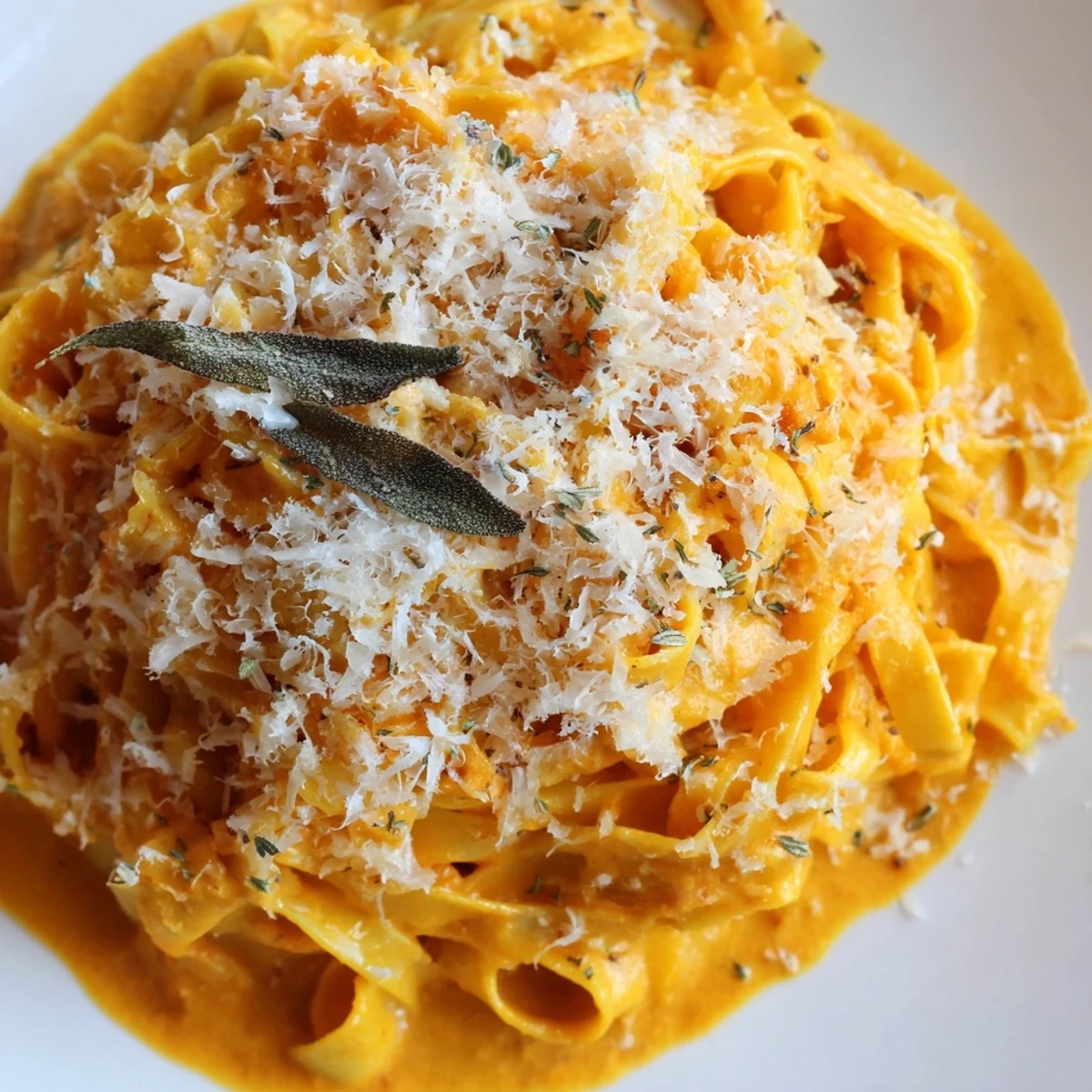
 There's a moment right before you serve this when the kitchen smells like an Italian countryside and your kitchen feels warmer than it actually is. That's when you know you've nailed it.
The Sage Question
I used to think sage was just for poultry, which was my loss. In this sauce, it acts like a subtle anchor that keeps the pumpkin from being too sweet and too one-note. The slight peppery edge of fresh sage is what tells your brain you're eating something savory and grown-up, not a spoonful of pie filling. If you're worried about it being too strong, remember that cooking mellows it significantly; add it early and let it soften into the background.
Making It Your Own
This recipe is a starting point, not a law. Some people I know add a splash of brandy or dry white wine right after the garlic; others stir in crispy sage-infused brown butter at the end for extra drama. Roasted mushrooms, toasted walnuts, or even a handful of crispy pancetta tucked on top all make sense here. The sauce is flexible enough to bend toward whoever is cooking it.
Serving and Storage
Serve this immediately while everything is warm and the cream is at its silkiest. If you've somehow made leftovers, they'll keep covered in the fridge for up to three days; when you reheat it, do it gently on the stove with a splash of cream or pasta water so it doesn't separate.
- A crisp white wine like Pinot Grigio or a light Sauvignon Blanc pairs beautifully without competing for attention.
- Fresh Parmesan shavings and a few sage leaves on top add a finishing touch that makes it feel intentional.
- If you're vegan, coconut cream works better than other plant-based creams here, and nutritional yeast brings the savory depth you'd get from Parmesan.
 Pin This
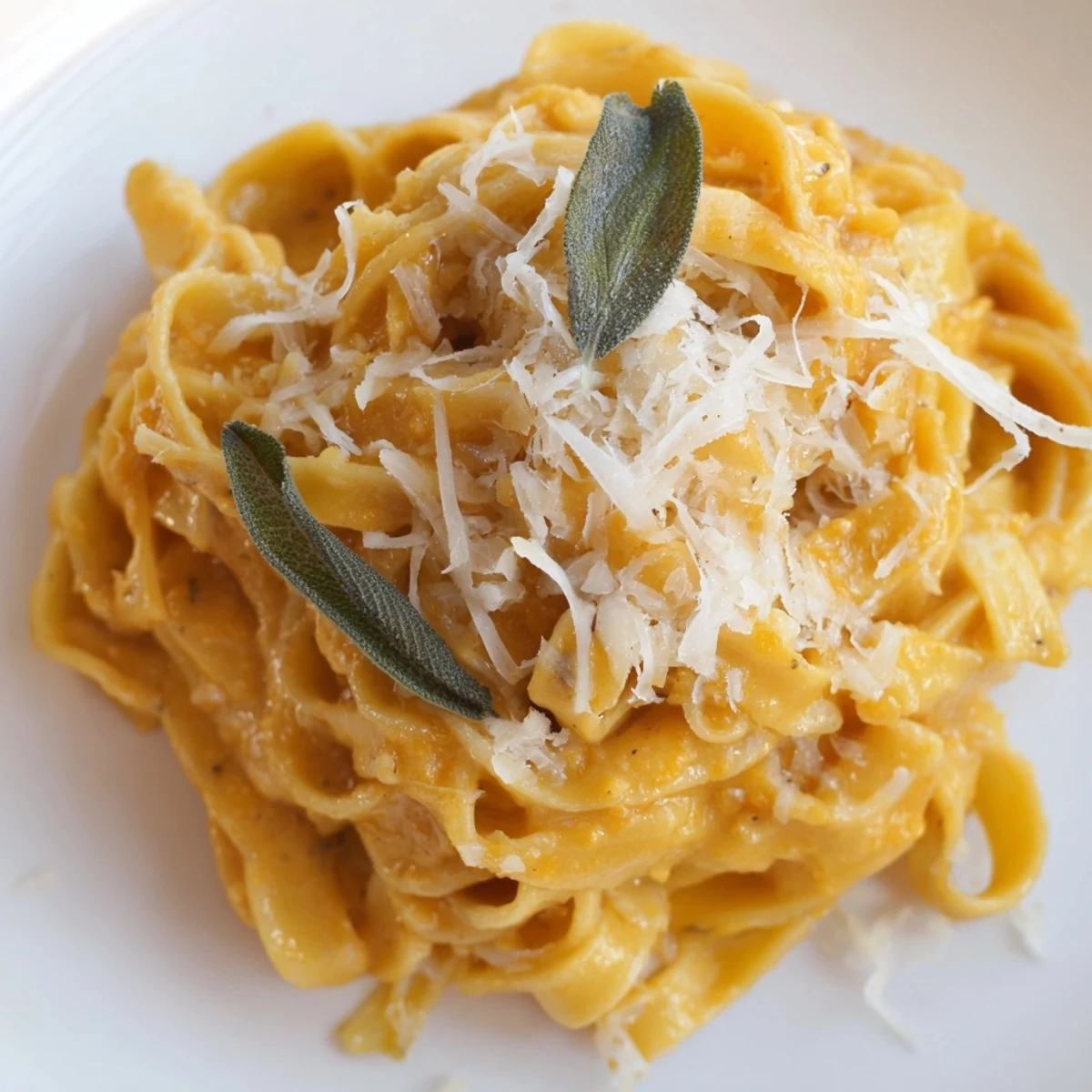
 This sauce carries something warm in it, the kind of comfort that lingers after dinner is over. Make it when you need to feel like someone cares.
Recipe FAQs
- → Can I use fresh or dried sage for the sauce?
-
Both fresh and dried sage work well; fresh provides a brighter flavor, while dried is more concentrated. Adjust amounts accordingly.
- → What type of pumpkin purée is best for this sauce?
-
Use unsweetened pumpkin purée to avoid sweetness overpowering the savory flavors. Homemade or canned works fine.
- → How can I thin the sauce if it becomes too thick?
-
Adding reserved pasta cooking water gradually helps loosen the sauce to your preferred consistency without diluting flavor.
- → Is it possible to make this sauce vegan-friendly?
-
Yes, substitute heavy cream with plant-based alternatives, use vegan butter, and replace Parmesan with nutritional yeast or vegan cheese.
- → Which pasta types pair best with this creamy sauce?
-
Fettuccine, penne, or other shapes that hold sauce well are ideal to capture the creamy, textured sauce evenly.
- → What spices enhance this sauce's flavor?
-
A pinch of nutmeg and freshly ground black pepper add subtle warmth and complexity to the sauce.