
 Pin This
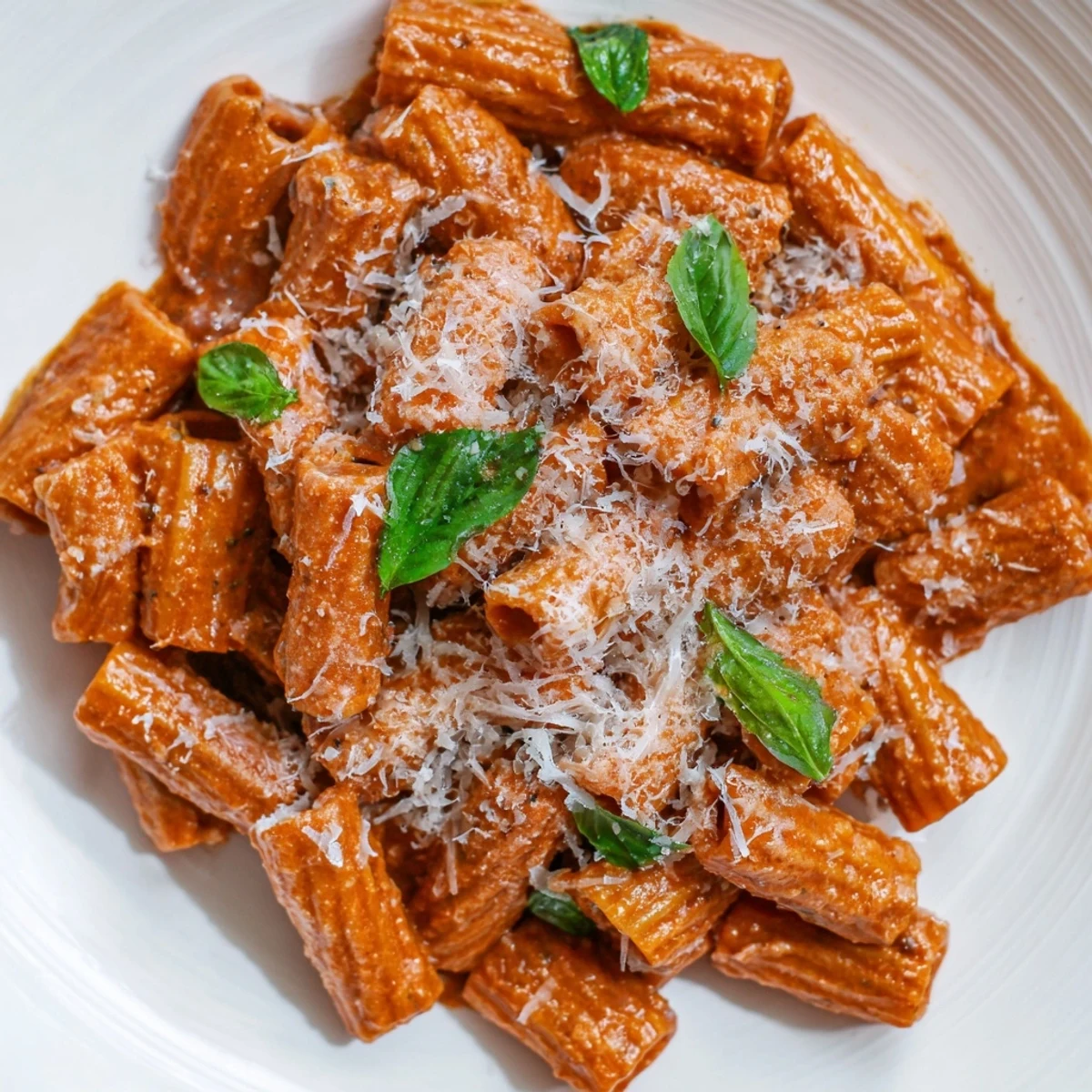
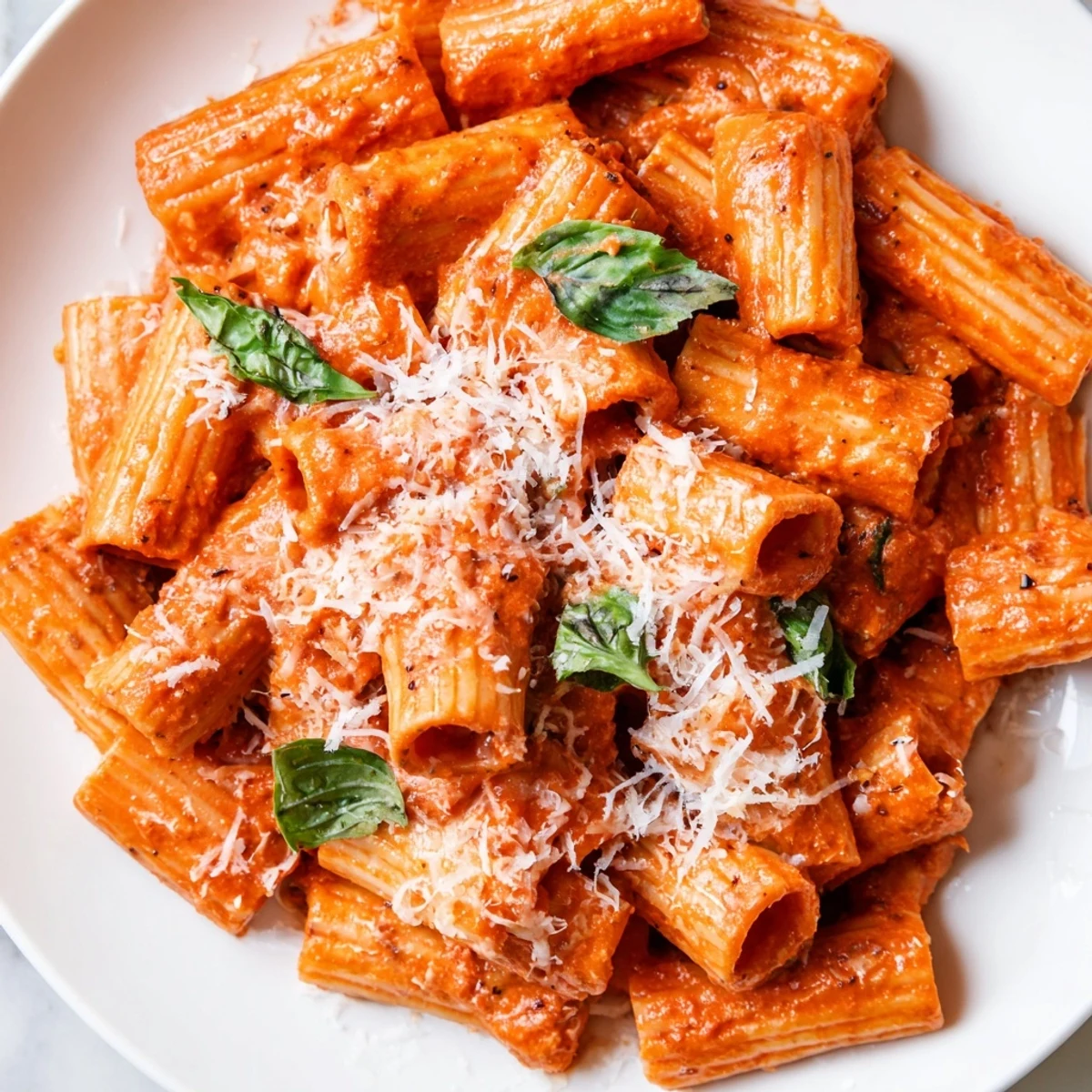
 Sauté onions and garlic before simmering crushed tomatoes to build a robust base. Stir in heavy cream for a velvety texture and toss with al dente penne. Finish with torn basil and grated Parmesan for a comforting, flavorful dish ready in thirty minutes.
There's a particular evening that comes back to me whenever I make this pasta—not because it was special, but because it was ordinary in the best way. A friend had shown up unannounced on my doorstep, exhausted from work, and I'd opened the cupboard to find canned tomatoes and cream. Twenty minutes later, we were twirling forks over steaming bowls, and she said something like, "Why do I keep ordering this at restaurants?" That question stuck with me, and it taught me that simple cooking—the kind that doesn't require a grocery list or advance planning—can still feel luxurious.
I've cooked this when the kitchen was cold and I needed something to fill it with steam and smell. I've made it on nights when the fridge held almost nothing, and it still turned into something people asked for seconds of. There's a quiet confidence in knowing you can turn a few honest ingredients into something that tastes deliberate and restaurant-worthy.
Ingredients
- Penne or rigatoni (350g): Use shapes that trap sauce in their ridges—that's where the creaminess lives.
- Olive oil (2 tbsp): Good quality matters here since it's not hiding in a long-cooked dish; this is your foundation.
- Onion (1 medium, finely chopped): The sweetness builds as it caramelizes slightly, balancing the acidity of tomatoes.
- Garlic (3 cloves, minced): Add it after the onion softens, or it'll turn bitter and sharp instead of mellow and golden.
- Canned crushed tomatoes (800g): The good ones matter—look for San Marzano if your budget allows, but honest brands work beautifully too.
- Heavy cream (120ml): This transforms the sauce from tangy to silky, tempering the tomato's natural acidity.
- Tomato paste (2 tbsp): A concentrated boost that deepens flavor without watering things down.
- Sugar (1 tsp): Just enough to whisper sweetness and round out the sauce's edges.
- Red pepper flakes (½ tsp, optional): A hint of heat wakes up your palate and makes the other flavors sing louder.
- Salt and black pepper: Taste as you go—the sauce will evolve and need adjusting more than you'd expect.
- Fresh basil leaves (30g, torn): Tear by hand so the leaves stay whole and release their oils instead of bruising under a knife.
- Parmesan cheese (40g, grated): The sharpness cuts through richness and adds a savory depth that makes people wonder what your secret is.
Instructions
- Get your water salted and boiling:
- Fill a large pot more than three-quarters full and bring it to a rolling boil before adding salt—the water should taste like the sea. This is where your pasta learns its flavor, so don't skip it.
- Cook the pasta to al dente:
- Follow the package time but taste it a minute early; you want it tender but with a whisper of firmness when you bite. Drain it into a colander but save that starchy water in a measuring cup—it's liquid gold for loosening your sauce.
- Build the flavor base:
- Heat olive oil in a large skillet over medium heat until it shimmers slightly. Add your chopped onion and let it soften for three to four minutes, stirring occasionally until the pieces turn translucent and smell sweet.
- Welcome in the garlic:
- Once the onion is tender, stir in minced garlic and cook for just about a minute—you're looking for that moment when the kitchen fills with its aroma but before it darkens. If it browns, the flavor turns acrid and bitter.
- Deepen with tomato paste:
- Push the tomato paste into the pan and stir it constantly for a minute so it caramelizes slightly and loses its raw edge. This step transforms it from concentrated to complex.
- Add the tomatoes and seasonings:
- Pour in the crushed tomatoes, stirring gently to combine. Sprinkle in the sugar, red pepper flakes if you're using them, and a generous pinch each of salt and pepper, then let it simmer uncovered for about ten minutes, stirring every couple of minutes. The sauce should smell rich and feel less watery.
- Introduce the cream:
- Turn the heat down to low and pour in the heavy cream, stirring until it swirls into the tomato base and everything becomes one velvety sauce. Let it simmer gently for two more minutes—don't let it boil or the cream might separate.
- Marry pasta and sauce:
- Add the drained pasta directly to the skillet and toss gently using two wooden spoons or a spoon and fork, coating each piece with sauce. If it feels thick, splash in a little of that reserved pasta water and keep tossing until it flows like silk around the pasta.
- Finish with basil and cheese:
- Turn off the heat and tear in most of the fresh basil and sprinkle the grated Parmesan, stirring gently to distribute them evenly. The residual heat will soften the basil just enough to release its fragrance.
- Serve while it's steaming:
- Transfer to bowls or plates immediately and finish with extra basil and a small handful more Parmesan. The sauce will continue to thicken as it cools, so getting it to the table while it's warm and pourable matters.
 Pin This
 I remember my neighbor—a retired chef—watching me cook this one evening and nodding once the basil went in. Afterward, she told me that the moment a sauce stops being about technique and starts being about presence is when you know you've made something real. That stuck with me more than any recipe instruction ever could.
On the Sauce and Its Secrets
The magic of this sauce lives in its simplicity and in understanding what each ingredient does. Canned tomatoes are already cooked and broken down, so they're not fighting you—they want to become smooth and creamy. The cream doesn't just add richness; it's a buffer that softens the tomato's natural acidity and turns sharpness into comfort. The sugar isn't about making it sweet; it's about balance, the way a pinch of salt in chocolate makes it taste more like chocolate. Once you understand these relationships, you can adjust the sauce to match your mood or your specific tomatoes on any given day.
The Basil Question
Fresh basil is fragile and bruises easily, turning dark and bitter if you're rough with it. Tearing it by hand preserves the cell walls and keeps the leaves whole and tender. Some people swear by adding it early; I've learned through small mistakes that adding most of it at the very end—when the heat is off—lets it stay bright and grassy instead of cooking into something muted. If you have a windowsill basil plant, this is the recipe that justifies keeping it alive all summer.
Building a Better Plate
This pasta is humble enough to eat alone but generous enough to welcome company. I've paired it with a simple green salad dressed in nothing but lemon and good oil, and that contrast of fresh acidity against creamy tomato makes both things taste better. A glass of crisp white wine—Pinot Grigio, Vermentino, even a Sauvignon Blanc—cuts through the cream and refreshes your palate between bites, making dinner feel longer and more intentional than it is. If you want substance, roasted vegetables or grilled chicken work without overwhelming the delicate balance of the sauce.
- Add sautéed mushrooms or spinach to the sauce in its final minutes for earthiness and color.
- Grilled or pan-seared chicken turns this into a more complete main course without changing what makes it special.
- A squeeze of fresh lemon over the finished dish brightens everything and adds a whisper of acidity that wakes up tired palates.
 Pin This
 This dish has taught me that cooking doesn't always have to be complicated to feel like care. Sometimes the most generous thing you can do for someone is to show up with something warm and real, made without fuss or excuse.
Recipe FAQs
- → How long does this dish take to cook?
-
The entire process takes about 30 minutes, with 10 minutes for prep and 20 minutes for cooking time.
- → Can I use different pasta shapes?
-
Yes, while penne or rigatoni are recommended for holding sauce, fusilli or farfalle also work well.
- → Is this dish suitable for vegetarians?
-
Yes, this dish is vegetarian as it contains no meat, though it does include dairy products like cream and cheese.
- → How can I make this vegan?
-
Substitute the heavy cream with a plant-based alternative and omit the Parmesan or use a vegan cheese substitute.
- → What can I add for extra protein?
-
You can add sautéed mushrooms, spinach, or grilled chicken to increase the protein content of the dish.