
 Pin This
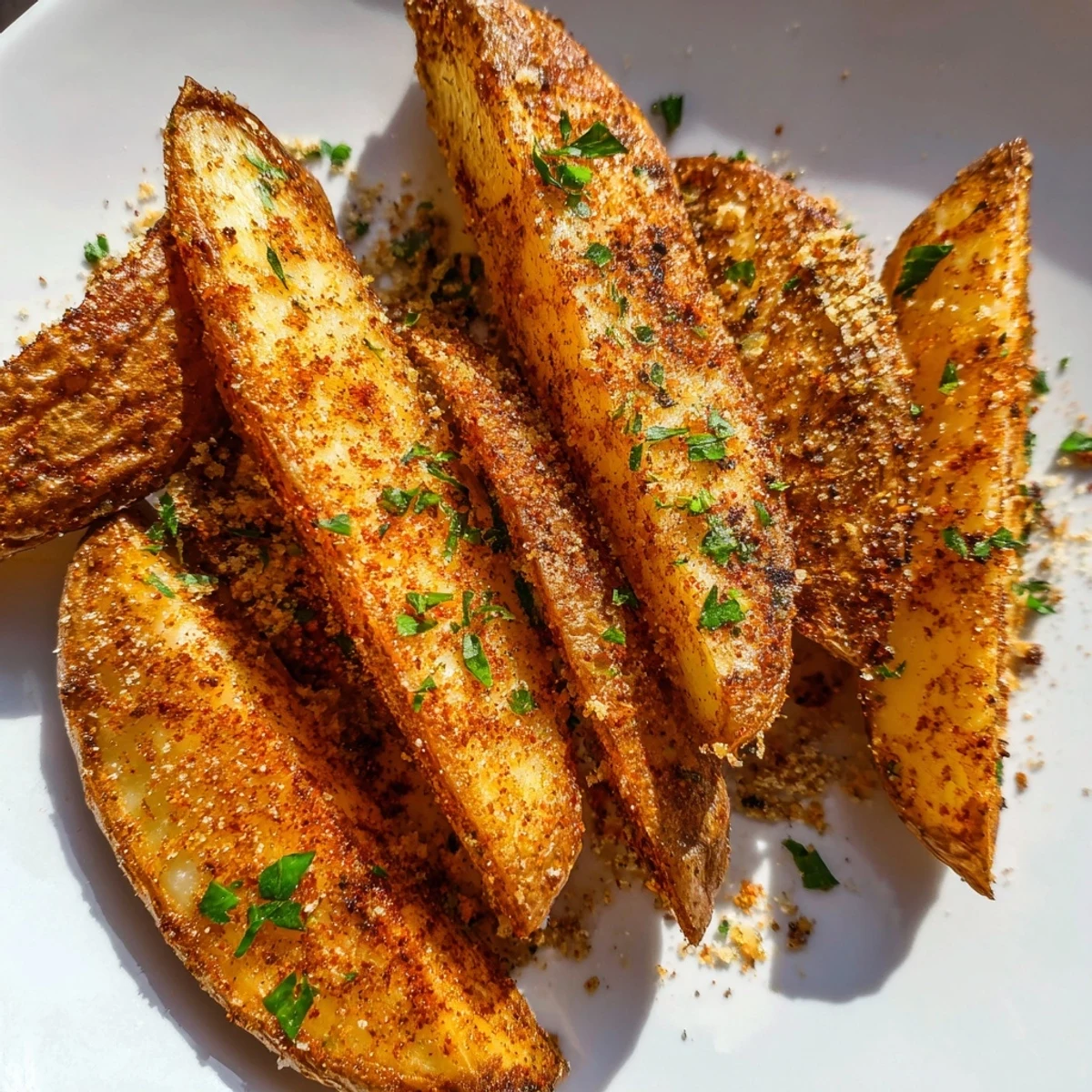
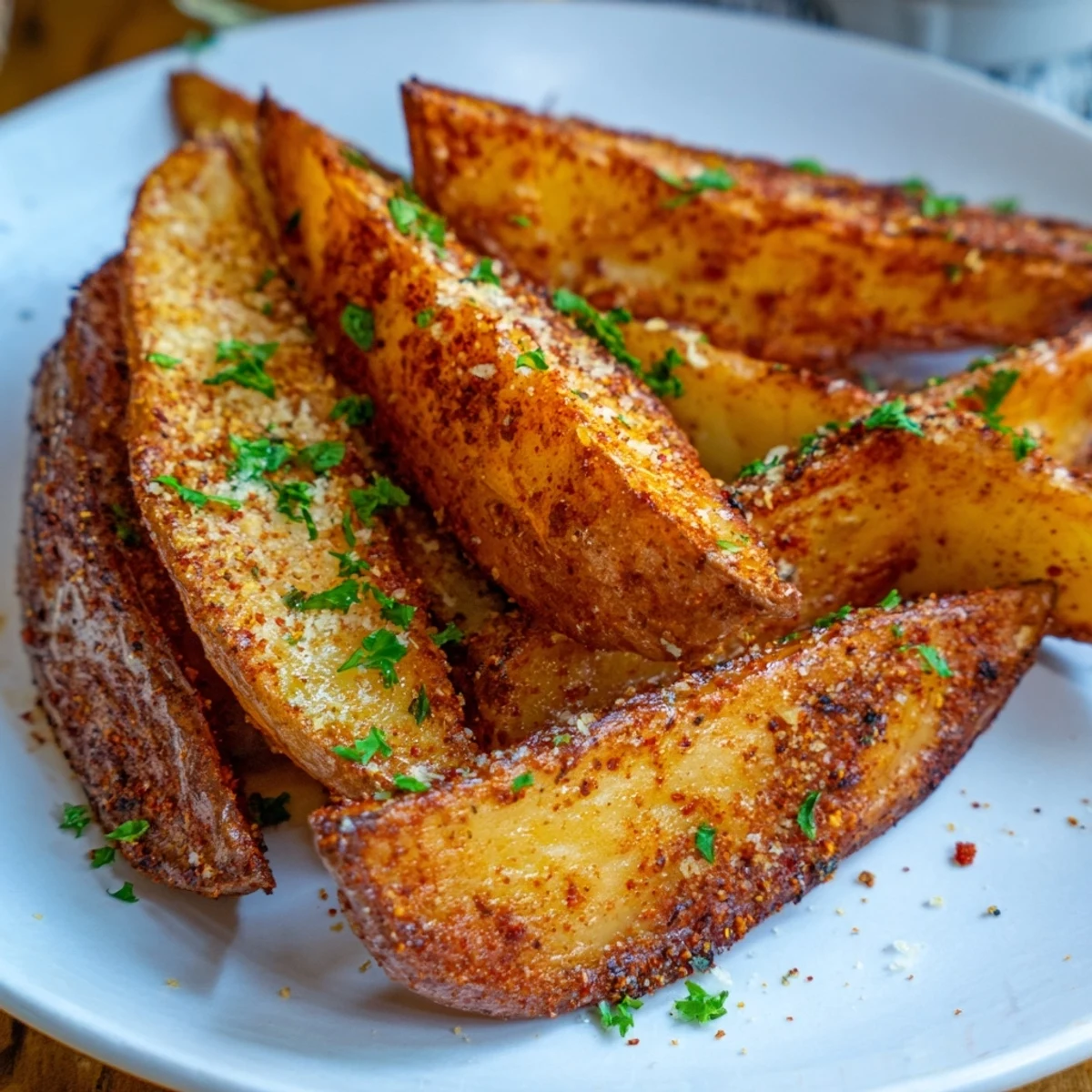
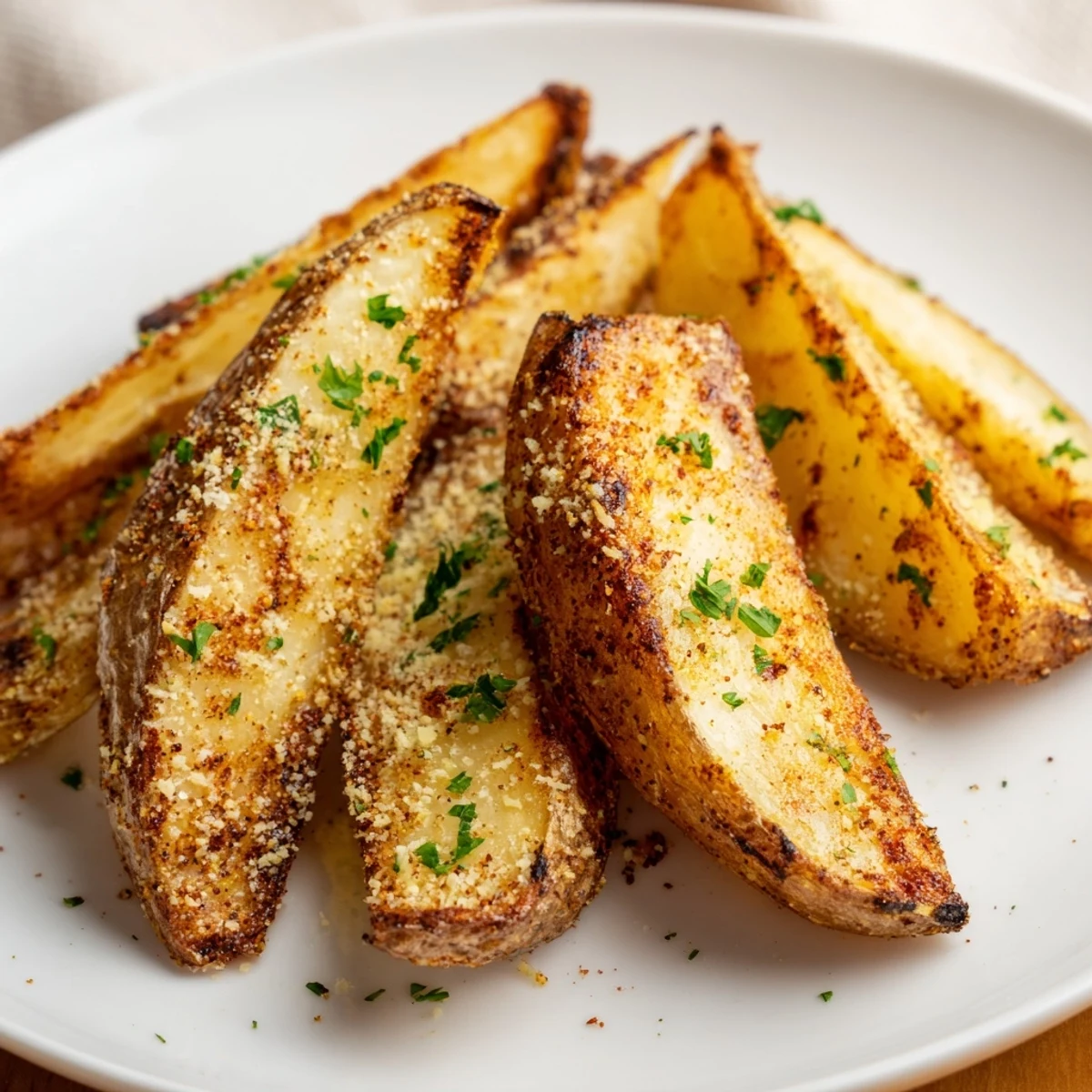
 Indulge in golden, crispy potato wedges that deliver a satisfying crunch on the outside and a fluffy interior. These wedges are seasoned with smoked paprika, garlic powder, onion powder, and oregano, then baked in olive oil for a healthier twist. Baking at high heat ensures a perfectly crisp texture without deep frying. Serve garnished with fresh parsley and optional Parmesan for added flavor. Perfect as a snack or side dish, this method highlights simple ingredients and easy preparation.
There's something about the smell of potatoes crisping in a hot oven that pulls me right back to a Saturday afternoon when my roommate convinced me we could make something better than frozen fries. We stood in the kitchen debating whether to deep fry or bake, and I stubbornly insisted the oven would work just fine—turns out it did, and these wedges became the reason he stopped buying the frozen kind. Now whenever I make them, that memory of standing there with a knife and a kitchen doubt that turned into a win still makes me smile.
I made these for a potluck once and watched someone eat four wedges in a row without saying a word—that's the kind of feedback that sticks with you. They disappeared before the main course was even done, and I've been making bigger batches ever since.
Ingredients
- 4 large russet potatoes: Scrub them well and leave the skin on—that's where the texture comes from and it adds an earthy flavor you can't replicate by peeling.
- 3 tablespoons olive oil: This is the key to crispiness without deep frying; don't skip it or reduce it.
- 1 teaspoon smoked paprika: This gives that subtle smoky depth that makes people ask what your secret ingredient is.
- 1 teaspoon garlic powder: Fresh garlic burns too easily at this temperature, so powder is actually the right choice here.
- 1 teaspoon onion powder: Works with the garlic to build a savory base that makes every bite feel intentional.
- 1 teaspoon dried oregano: Brings a Mediterranean whisper that lifts the whole dish.
- 1/2 teaspoon salt plus more to taste: Start conservative and taste as you go—potatoes can always take more salt.
- 1/4 teaspoon freshly ground black pepper: Fresh pepper matters here because you taste individual flecks.
- 2 tablespoons chopped fresh parsley: A bright finish that cuts through the richness and adds color.
- Grated Parmesan cheese (optional): If you use it, add it right out of the oven when the residual heat helps it cling.
Instructions
- Heat your oven first:
- Get it to 220°C (425°F) and line a baking sheet with parchment paper while it preheats. This matters more than you think—a properly heated oven is the difference between golden and pale.
- Cut your potatoes thoughtfully:
- Slice each potato lengthwise in half, then cut each half into 3–4 wedges so you get roughly 6–8 pieces per potato. Aim for consistency in size so they cook evenly.
- Coat with intention:
- Toss everything in a large bowl with the olive oil and all your seasonings, using your hands if you need to—make sure every wedge is touched by oil and spices. This is the moment that determines whether they'll be forgettable or unforgettable.
- Arrange with space to breathe:
- Lay them on the baking sheet skin side down in a single layer, making sure they're not touching each other. Crowding them steams them instead of crisping them.
- Bake and flip with confidence:
- Bake for 30–35 minutes total, flipping halfway through around the 15-minute mark. You'll know they're ready when the edges are deep golden and a fork slides through the center easily.
- Finish and serve immediately:
- Pull them from the oven, shower them with fresh parsley and Parmesan if you're using it, and serve right away while they're still crackling. Timing here is everything.
 Pin This
 I once forgot to flip them at the 15-minute mark and ended up with one tray that was almost burnt and another that was pale, which taught me that this step is actually worth setting a timer for. Now I never skip it, and the results are consistently beautiful.
Why Temperature Matters More Than You'd Think
That 220°C oven temperature is specific for a reason—it's hot enough to crisp the outside before the inside dries out, but not so brutal that the skin burns before the potato finishes cooking. I used to guess at temperatures until I realized that ovens vary wildly, so if yours runs cool, kick it up to 230°C, and if it's known to be aggressive, you might drop it to 210°C and just add a few minutes. The sound and smell will tell you when they're done anyway.
The Seasoning Strategy
The combination of smoked paprika, garlic powder, and onion powder creates something that tastes more complex than the sum of its parts—it's like they harmonize instead of just sitting on top of the potato. I've tried swapping things around over the years: cayenne pepper for heat, fresh rosemary (though it browns quickly so watch it), even a pinch of cumin for something unexpected. The oregano is the one I'd never drop because it ties everything together.
Dipping Sauces and Serving Ideas
These wedges stand alone beautifully, but a good dipping sauce elevates them from side dish to the thing everyone remembers about the meal. Ketchup is the classic and always works, but I've had the most fun with garlic aioli, a spicy sriracha mayo, or even a yogurt-based dip with herbs. They're equally at home on a dinner plate next to grilled chicken as they are piled into a paper cone as a snack.
- Make a quick garlic aioli by whisking mayo with minced garlic, lemon juice, and a pinch of salt for something that feels fancy but takes two minutes.
- A spicy sriracha mayo is just mayo mixed with sriracha and a tiny bit of lime juice—adjust the heat to your preference.
- Serve them hot and crispy, because they lose their magic within about 10 minutes of cooling.
 Pin This
 These wedges remind me that sometimes the simplest techniques produce the most satisfying results, and that a hot oven and a little patience can rival anything a deep fryer could do. I hope they become a regular in your rotation the way they have in mine.
Recipe FAQs
- → How can I make the wedges extra crispy?
-
Soaking the potato wedges in cold water for 30 minutes before seasoning helps remove excess starch, resulting in a crispier texture when baked.
- → Can I use different seasonings?
-
Yes, try swapping oregano for rosemary or adding cayenne pepper for a spicy kick to customize flavors.
- → Should potatoes be peeled before baking?
-
Keeping the skin on adds texture and nutrients, plus it helps wedges hold their shape during baking.
- → What temperature is best for baking potato wedges?
-
Baking at 220°C (425°F) ensures a crispy exterior and tender inside by cooking the wedges evenly and quickly.
- → Can these wedges be prepared ahead of time?
-
You can cut and soak the wedges in water a few hours ahead, then season and bake just before serving to retain crispness.