
 Pin This
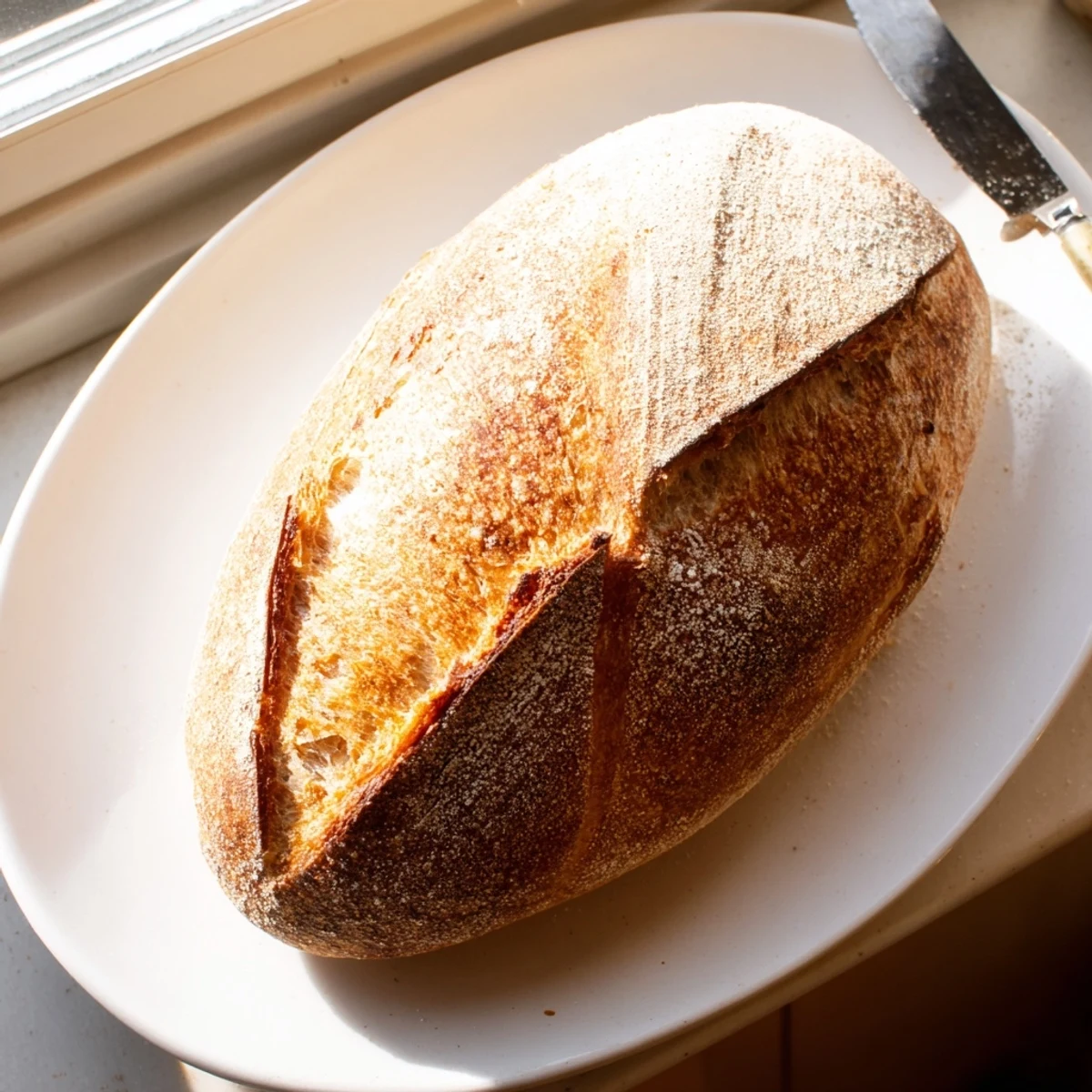
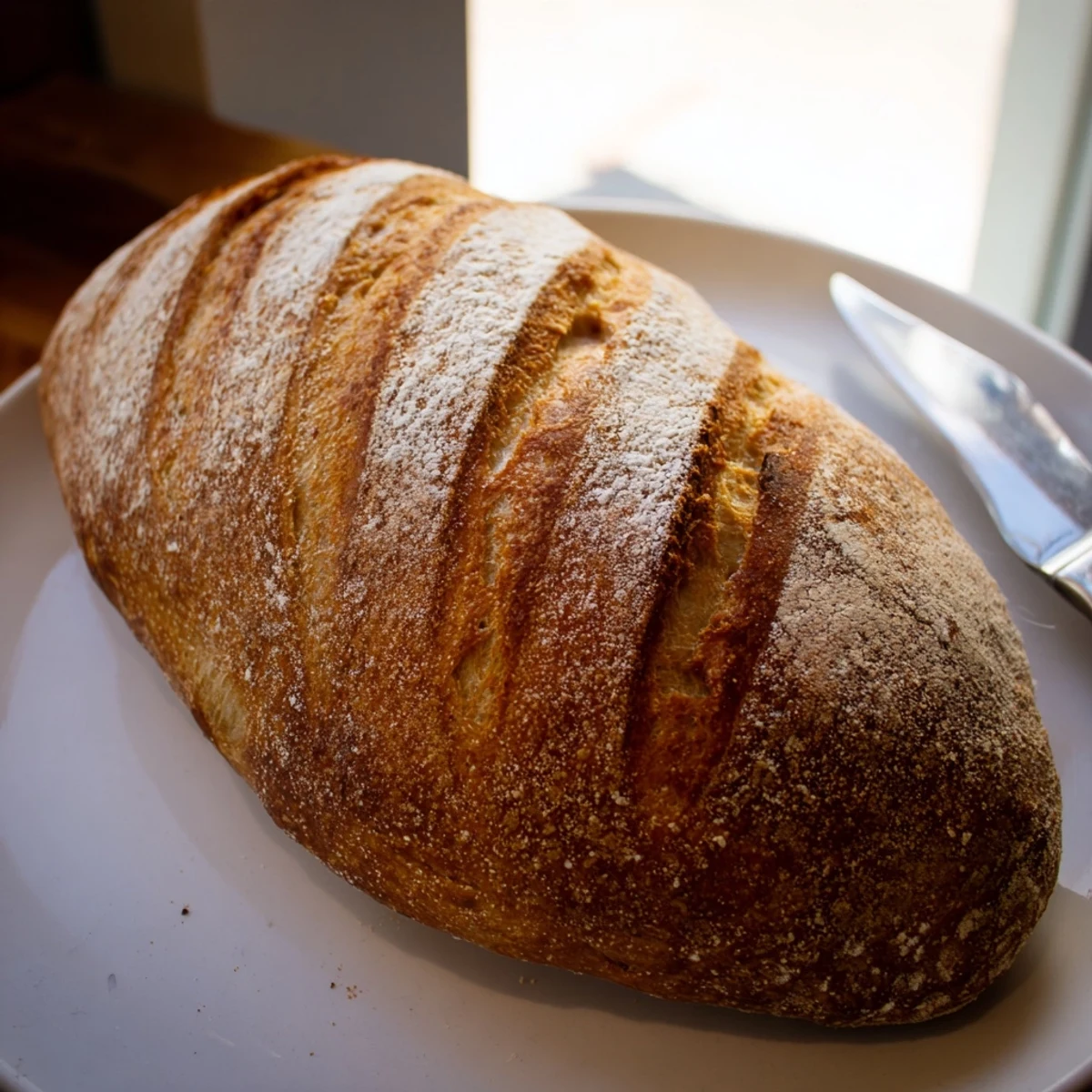
 Create an authentic Italian loaf featuring a signature golden crust and tender, chewy crumb. This traditional bread delivers restaurant-quality results with simple pantry staples and straightforward techniques. The steam-baking method produces that coveted crackly exterior while keeping the interior moist and elastic. Ideal for panini, bruschetta, or simply torn and dipped in premium olive oil.
Theres nothing quite like the smell of fresh bread filling your entire apartment. My first attempt at Italian bread ended up dense as a brick, but I kept at it, and now this recipe has become weekend therapy. The steam trick in the oven changed everything, creating that professional bakery crust at home.
Last winter, my neighbor texted me asking what I was baking because the aroma had drifted through the building. I ended up bringing over half the loaf still warm from the oven, and we stood in her doorway tearing off pieces and dipping them in olive oil while we talked.
Ingredients
- Bread flour: The higher protein content creates that chewy, stretchy texture that all-purpose flour just cant match
- Active dry yeast: Make sure your water is warm like bathwater, not hot, or youll kill the yeast before it even starts working
- Olive oil: This keeps the crumb tender and adds subtle flavor to the dough
- Salt: Dont skip it or reduce it, salt actually strengthens the gluten structure
- Cornmeal: A dusting on the baking sheet prevents sticking and adds a rustic crunch to the bottom crust
Instructions
- Wake up the yeast:
- Dissolve the yeast and sugar in warm water and wait until it becomes foamy, which means its alive and ready to work
- Build the dough:
- Mix the flour and salt in a large bowl, create a well in the center, and pour in the yeast mixture along with the olive oil
- Knead with purpose:
- Turn the shaggy dough onto a floured surface and knead for 8 to 10 minutes until it feels smooth and springs back when you poke it
- Let it rise:
- Place the dough in an oiled bowl, cover it, and leave it in a warm spot until it doubles in size, which takes about an hour or so
- Shape the loaf:
- Punch down the risen dough, form it into a tight oval or round, and set it on a parchment-lined baking sheet for another 45 minute rise
- Get ready to bake:
- Preheat your oven to 425°F and put an empty metal pan on the lowest rack to create steam later
- Score and steam:
- Slash the top of the loaf with a sharp knife, then pour hot water into the empty pan to generate steam for a crispy crust
- Bake until golden:
- Bake for 30 to 35 minutes until the loaf is deep golden brown and sounds hollow when tapped on the bottom
- Cool completely:
- Let the bread rest on a wire rack until its completely cool before slicing, or the inside will be gummy
 Pin This
 This bread has become my go-to housewarming gift. Theres something so personal about handing someone a loaf you shaped with your own hands, still radiating warmth from the oven.
Making It Your Own
Ive found that adding dried herbs directly to the dough transforms this into something entirely different. Rosemary works beautifully, but sometimes I mix in garlic powder or even grated Parmesan for a savory twist.
The Freezing Secret
Slice the bread before freezing and you can grab individual slices as needed. A quick toast brings back that fresh-baked texture, and nobody will know it wasnt made that morning.
Serving Ideas
This bread makes the best bruschetta Ive ever had. The sturdy crumb holds up to juicy tomatoes without getting soggy, and the crust provides perfect structure. I also love cubing day-old bread for croutons or breadcrumbs.
- Try it toasted and rubbed with raw garlic for a classic Italian treat
- Use slightly stale slices for panzanella salad
- Dont be afraid to experiment with different flours like whole wheat or rye for half the mixture
 Pin This
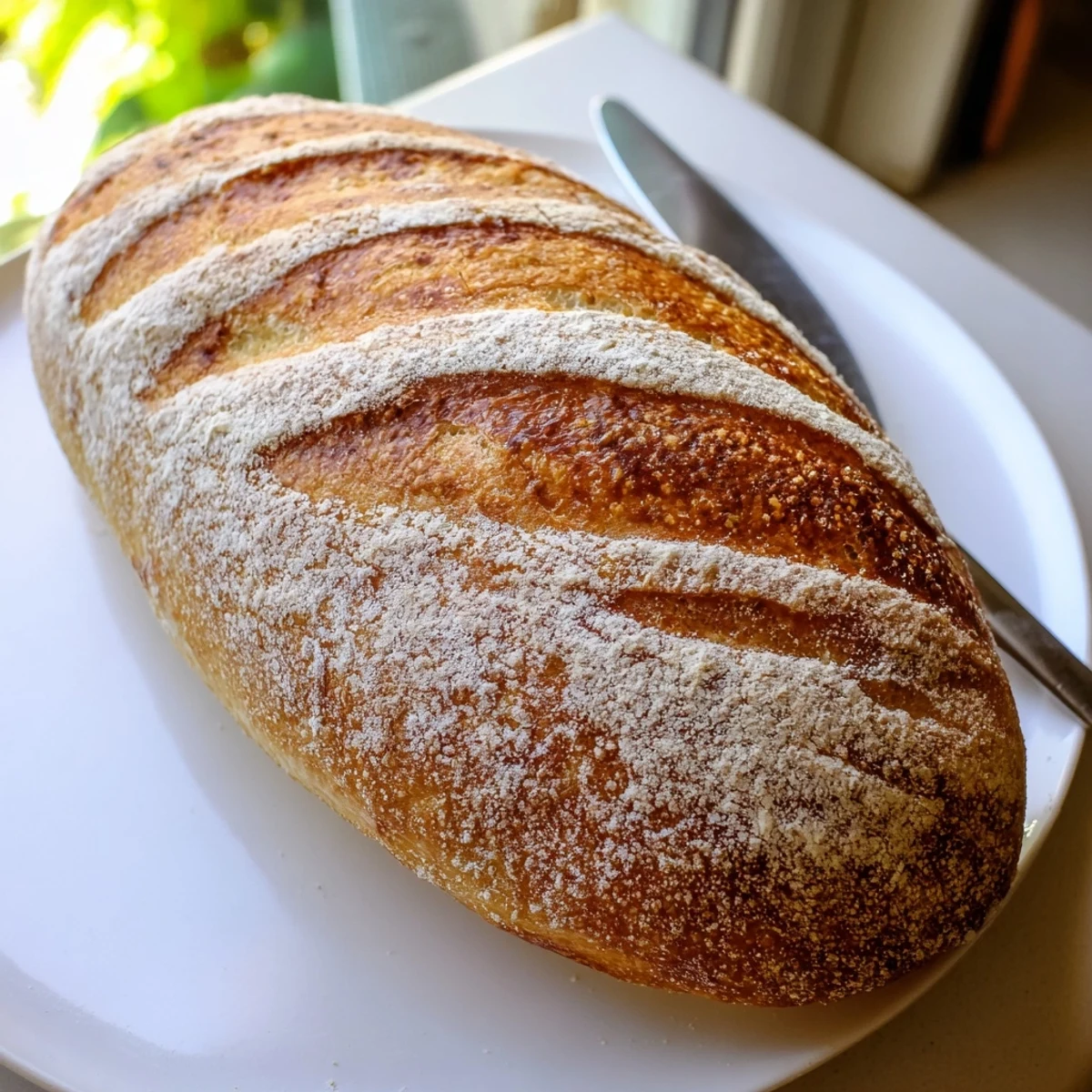
 Theres a profound satisfaction in pulling a golden loaf from the oven, knowing your hands created something that nourishes both body and soul.
Recipe FAQs
- → What makes Italian bread different from regular white bread?
-
Italian bread typically features a higher hydration content and specific shaping techniques that create its characteristic chewy texture and open crumb structure. The steam-baking process generates a thick, crispy crust that distinguishes it from softer sandwich breads.
- → Why is steam used during baking?
-
Steam creates a humid oven environment that keeps the crust flexible during initial baking, allowing the loaf to expand fully. This moisture later evaporates, producing the signature crackly, golden-brown crust that artisan breads are known for.
- → Can I use all-purpose flour instead of bread flour?
-
Bread flour's higher protein content (12-14%) provides better gluten development, resulting in superior texture and structure. All-purpose flour will work but may yield slightly less chewy results with a denser crumb.
- → How do I know when the dough has risen enough?
-
Properly risen dough will double in size and retain a gentle fingerprint when pressed lightly with a finger. If the indentation springs back completely, it needs more time. If it collapses, it has over-proofed.
- → Why is scoring the loaf important?
-
Scoring creates controlled weak points in the dough's surface, allowing steam to escape and directing expansion during baking. This technique prevents unsightly tearing and gives the loaf its professional appearance with distinct ridges.
- → How should I store this bread?
-
Store at room temperature in a paper bag for up to 2 days to maintain crust texture. For longer storage, freeze slices in an airtight container and thaw at room temperature or toast directly from frozen. Avoid refrigeration, which accelerates staling.