
 Pin This
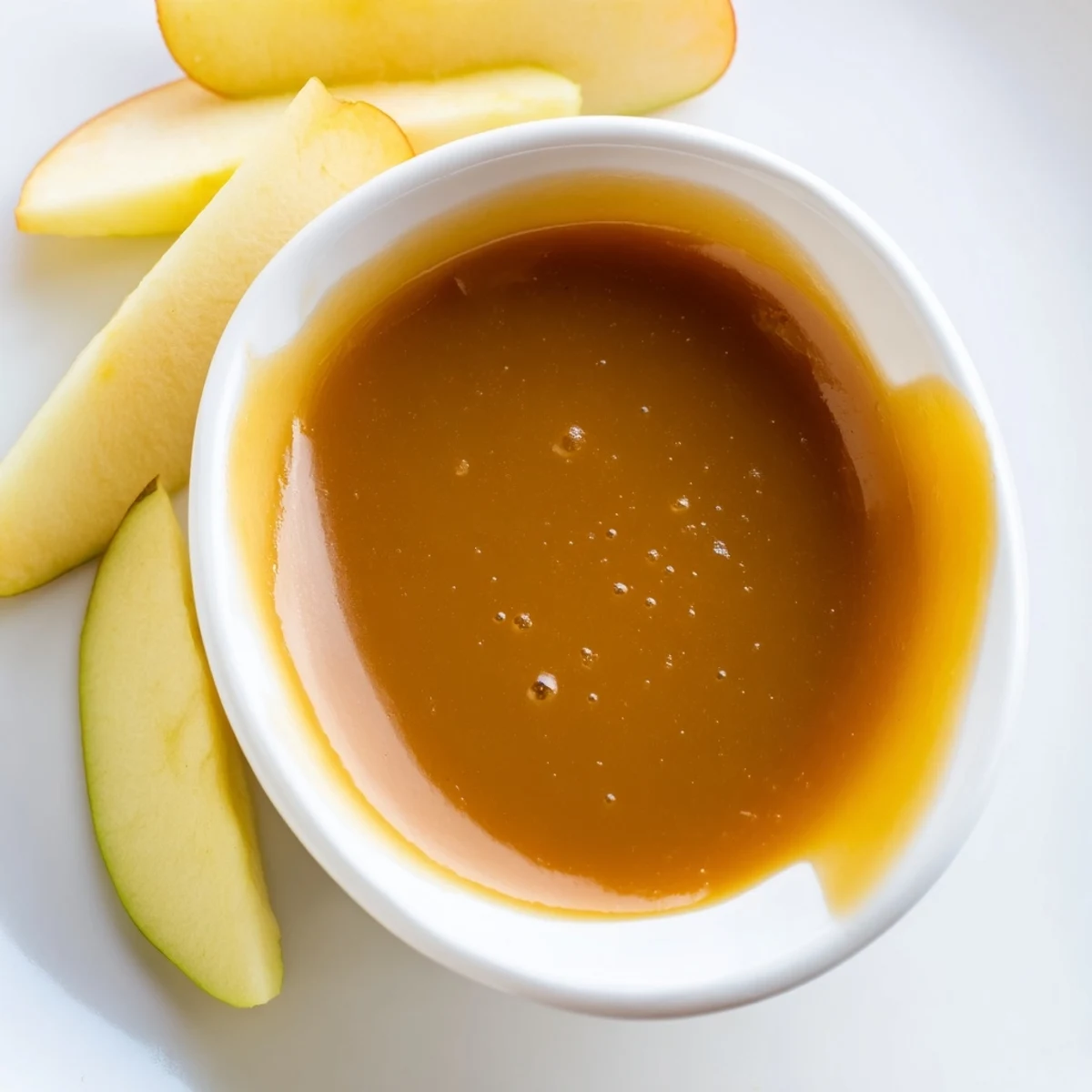
 This luscious caramel sauce comes together in just 15 minutes using basic pantry staples. The result is a smooth, golden topping ideal for enhancing ice cream, layering in cakes, or dipping fresh fruit. The technique involves melting sugar until amber, then incorporating butter and cream for that signature silky texture.
I stood in my kitchen watching sugar transform, completely mesmerized. Granulated crystals melting into liquid gold felt like kitchen magic. That first batch burned because I got distracted by a phone call. Now caramel making is my favorite form of meditation.
Last Christmas I made six batches to give as gifts. My sister called me in January asking if I'd sell her a jar. Apparently her kids had been eating it by the spoonful. Now I double the recipe just to keep some for myself.
Ingredients
- 1 cup granulated sugar: Plain white sugar works best here because it melts predictably
- 6 tablespoons unsalted butter: Cut into cubes beforehand so you can add it quickly
- 1/2 cup heavy cream: Room temperature prevents the caramel from seizing
- 1/4 teaspoon fine sea salt: Makes everything pop, but skip if you prefer plain
- 1 teaspoon pure vanilla extract: Adds that classic dessert flavor everyone loves
Instructions
- Melt the sugar:
- Heat sugar in a heavy-bottomed saucepan over medium heat, stirring constantly until it turns into golden-brown liquid
- Add the butter:
- Carefully drop in butter cubes while stirring vigorously as the mixture bubbles up
- Pour in the cream:
- Slowly stream in room temperature cream, continuing to stir until everything combines smoothly
- Finish with flavor:
- Remove from heat and stir in salt and vanilla extract if using
- Let it cool:
- Wait 10 to 15 minutes for the sauce to thicken slightly before using
 Pin This
 My friend tried this on vanilla bean ice cream and refused to eat plain ice cream again. Something about warm caramel hitting cold ice cream creates the most incredible texture. Now she keeps a jar in her fridge at all times.
Making It Salted
Salted caramel became my obsession after tasting it at a fancy bakery. The key is balancing salt so it enhances rather than overpowers. Start with a quarter teaspoon and adjust from there.
Storage Solutions
This sauce keeps beautifully in the refrigerator for about two weeks. Glass jars work best since caramel can sometimes react with metal. Reheat in 15 second bursts in the microwave.
Serving Ideas
Keep a jar handy for whenever you need a quick dessert upgrade. Caramel transforms even simple things into something special.
- Stir a spoonful into morning coffee
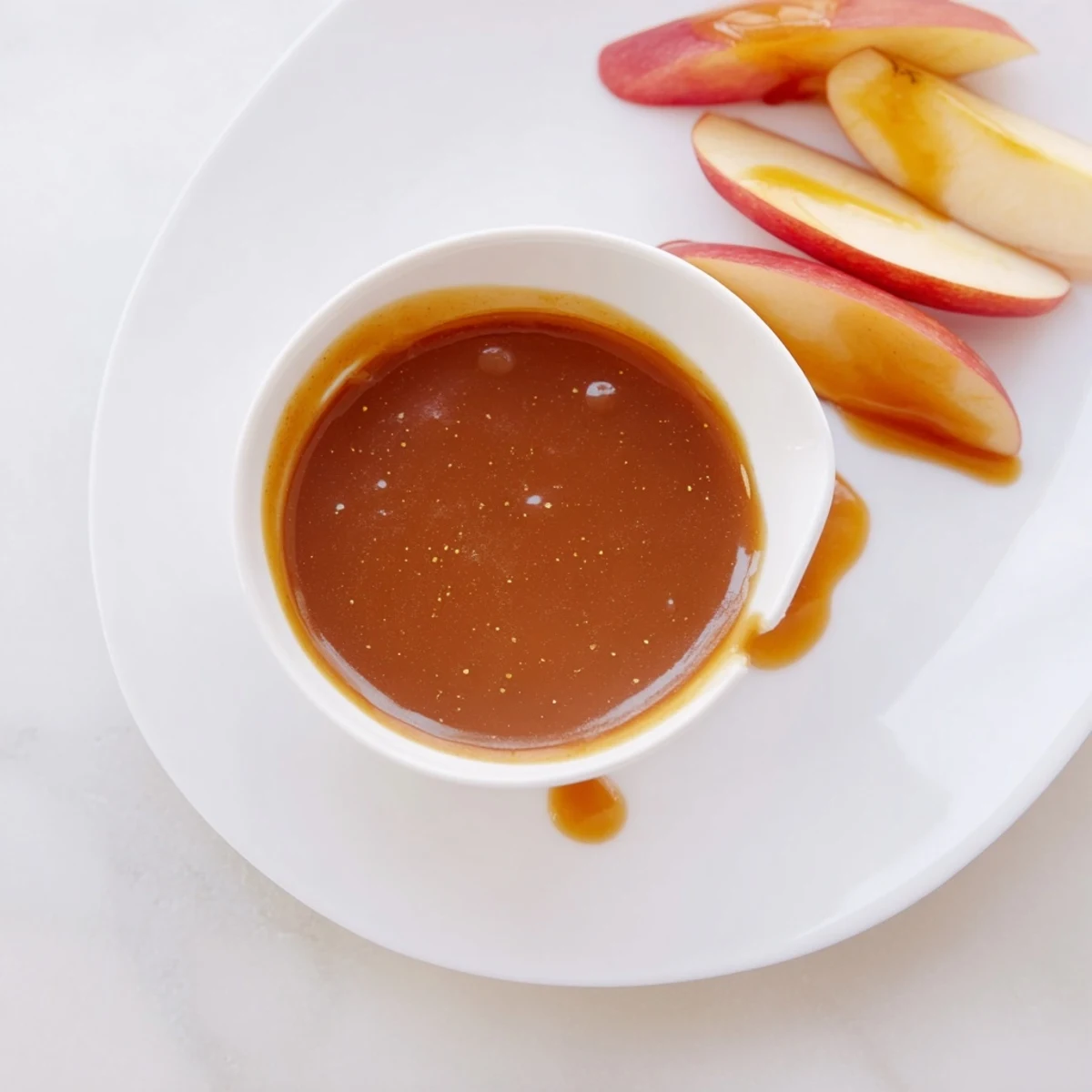
- Drizzle over apple slices for an easy snack
- Serve warm over pound cake or brownies
 Pin This
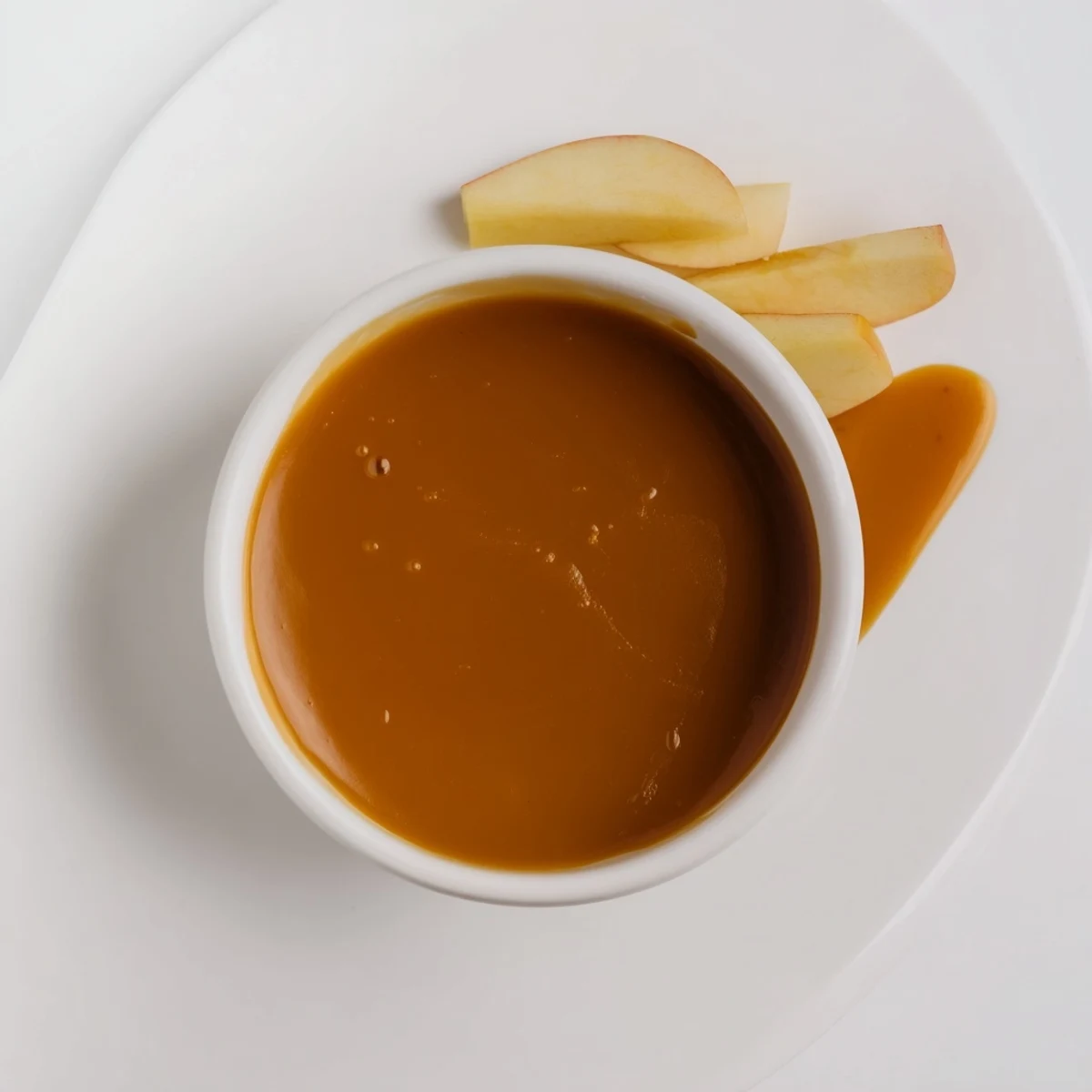
 There's something deeply satisfying about turning three simple ingredients into something so delicious. Homemade caramel makes everything taste better.
Recipe FAQs
- → How do I prevent the sugar from burning?
-
Keep the heat at medium and stir constantly with a heat-resistant spatula. Watch closely as the sugar turns from clear to golden-amber—this happens quickly. Remove from heat immediately once the desired color is reached.
- → Can I make salted caramel?
-
Absolutely. Increase the sea salt to 1/2 teaspoon during preparation, or finish with flaky sea salt sprinkled on top just before serving for a delightful crunch and salty-sweet contrast.
- → How should I store leftover caramel?
-
Store in an airtight glass jar in the refrigerator for up to two weeks. The sauce will thicken when cold—simply reheat gently in the microwave or over low heat, stirring until smooth again.
- → Why did my caramel seize when adding cream?
-
This can happen if cold cream hits hot caramel. Always bring your heavy cream to room temperature before adding, and pour it slowly while stirring continuously to maintain a smooth emulsion.
- → What can I use this sauce for?
-
Drizzle over vanilla ice cream, apple pie, or chocolate cake. Swirl into coffee or hot chocolate. Use as a dip for apple slices, pretzels, or strawberries. It also makes an excellent gift in decorative jars.
- → Can I double this recipe?
-
Yes, simply double all ingredients. Use a larger saucepan to prevent overflow when adding cream—the mixture bubbles vigorously. Cooking time may increase slightly, so monitor the color closely.