
 Pin This
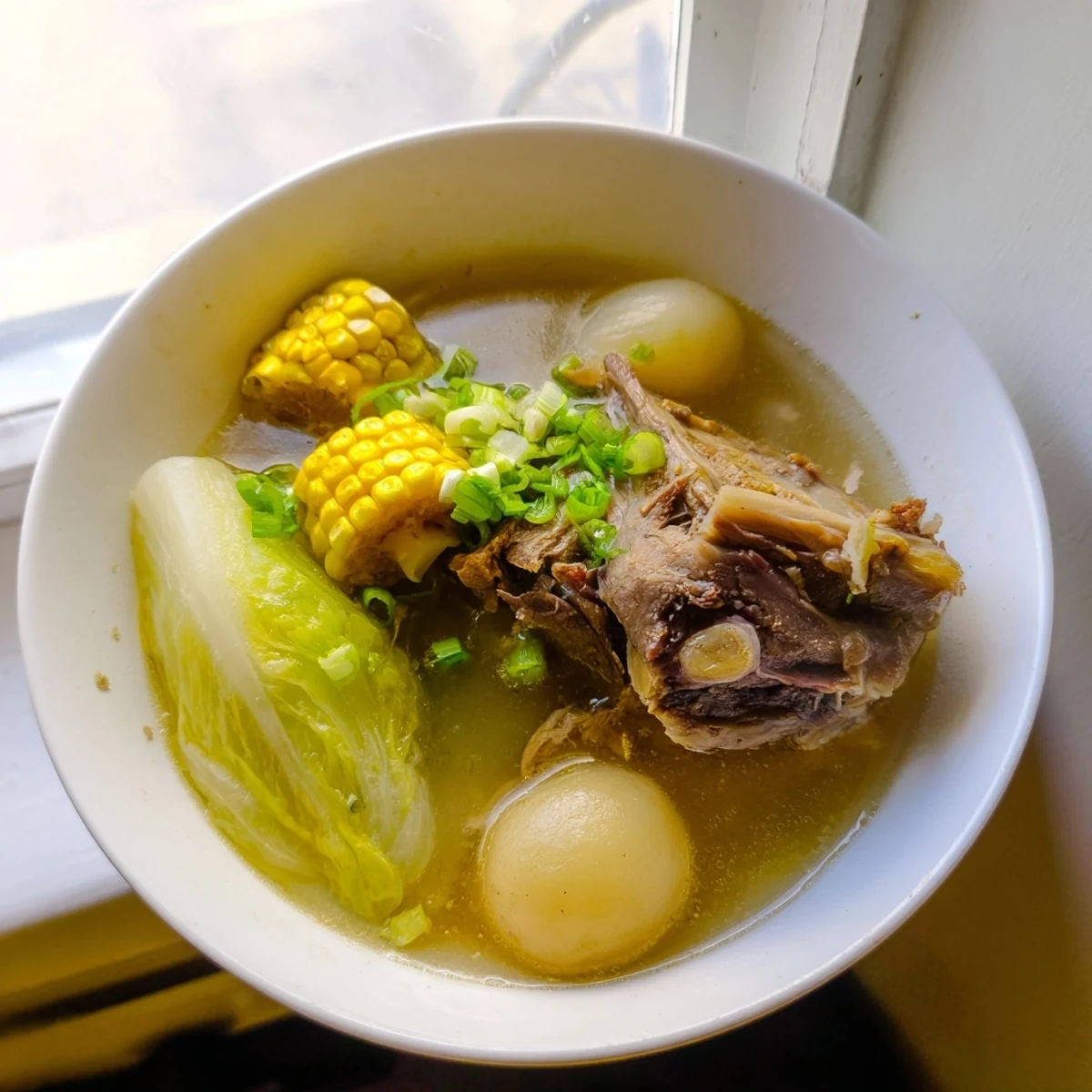
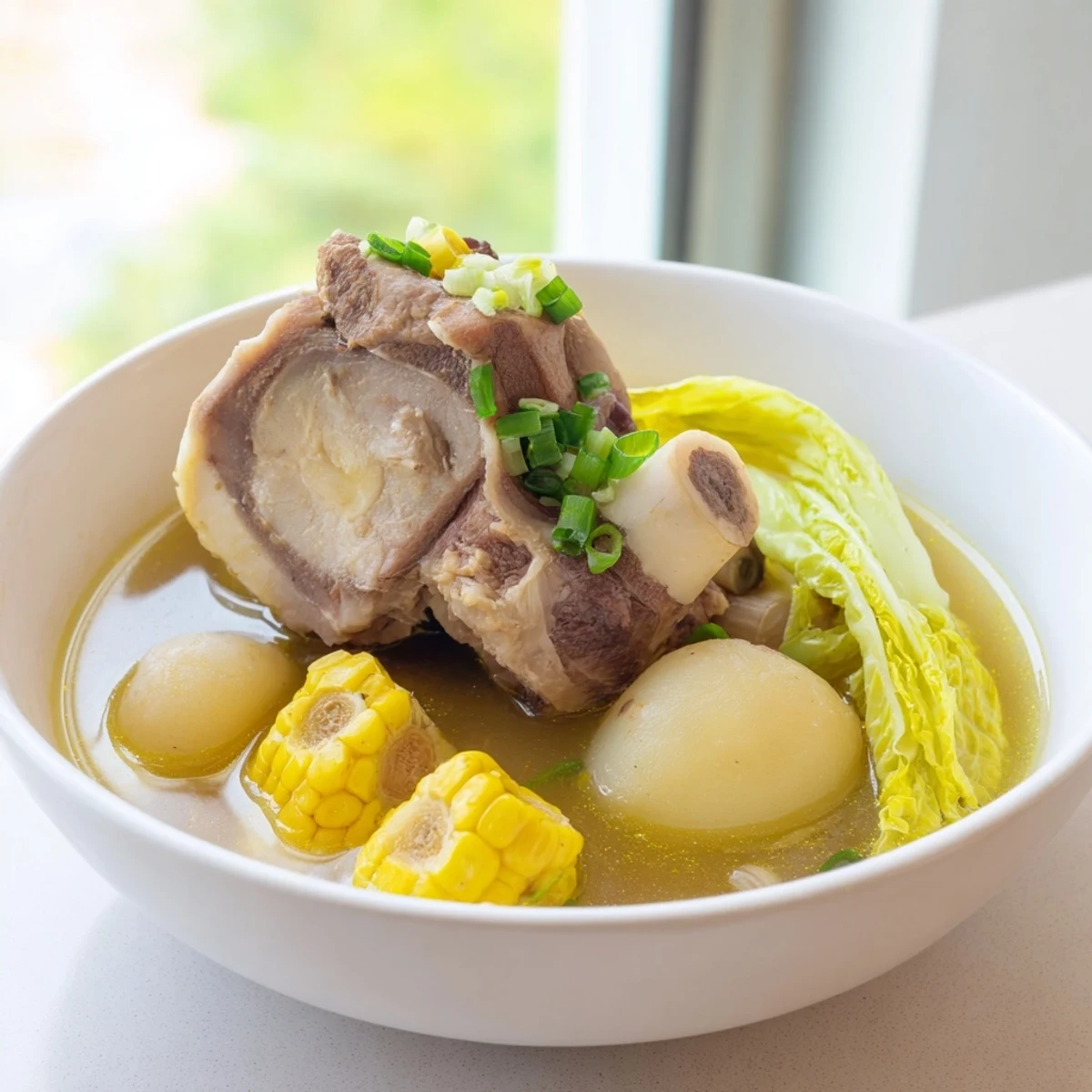
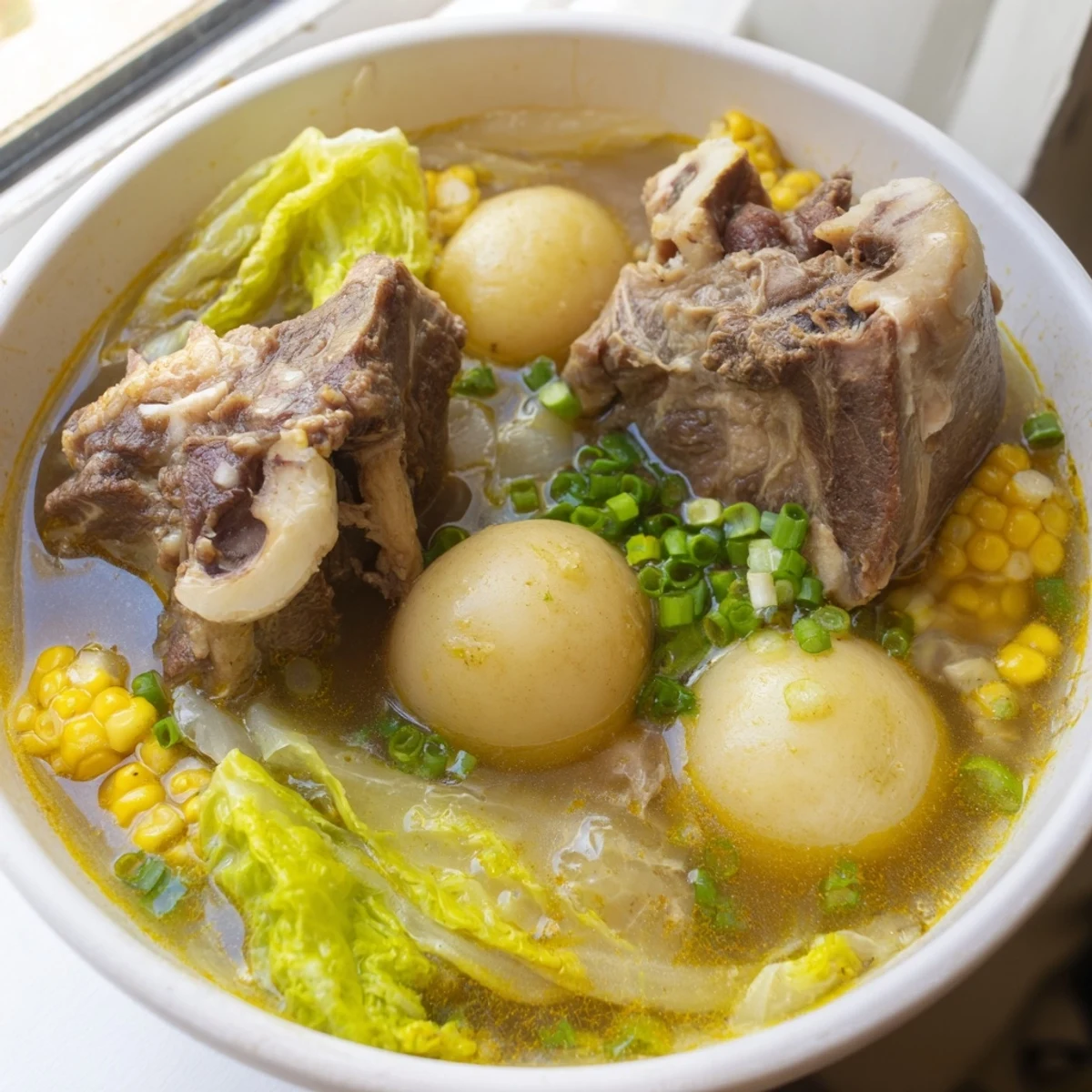
 This hearty Filipino soup features fork-tender beef shank and nutrient-rich bone marrow simmered for hours to create a deeply flavorful clear broth. The addition of corn, potatoes, carrots, napa cabbage, and green beans makes this a complete meal in a bowl. Traditionally served with steamed rice and calamansi for squeezing, this warming dish brings families together and is especially satisfying during cool weather. The long simmering time allows the beef to become melt-in-your-mouth tender while extracting all the richness from the bones.
Rainy season in Manila meant one thing at our house. The heavy drumming of rain against the roof signaled that Mom was already at the stove, slowly simmering beef shank until the kitchen windows fogged up with that rich, meaty steam. Id sit nearby doing homework, counting the hours until wed all gather around the steaming bowl, each person fishing out their favorite vegetable before the soup even hit the table.
My Tito Eddie taught me the real secret. He invited me over one rainy afternoon, sat me down with a small bowl, and showed me how to properly scoop out the bone marrow. You dont rush it. You take your time, he said, swirling his spoon in the broth. That first taste changed everything I thought I knew about comfort food.
Ingredients
- 1.5 kg beef shank, bone-in with marrow: The shank provides both meat and incredible gelatin that gives body to the broth
- 500 g beef bone marrow bones: Extra marrow means extra richness and that luxurious mouthfeel
- 2 ears corn: Sweetness that balances the savory beef, cut into pieces so the flavor infuses the broth
- 1 medium onion: Quartered so it holds its shape during long simmering
- 1 medium carrot: Cut into large chunks that become sweet and tender
- 250 g baby potatoes: Halved so they cook through without falling apart
- 1 small head napa cabbage: Adds freshness and texture to the rich soup
- 1 small bunch green beans: For color and a slight crunch
- 2-3 saba bananas: The subtle sweetness is traditional and absolutely worth finding
- 10 cups water: Enough to cover everything with room for simmering
- 1 tablespoon whole black peppercorns: Gentle warmth that builds slowly
- 2 tablespoons fish sauce: The essential umami base of the broth
- Chopped scallions: Fresh bite to cut through the richness
- Calamansi or lemon wedges: Bright acidity that wakes everything up
Instructions
- Start the broth base:
- Place beef shank and marrow bones in a large pot and cover with water. Bring to a rolling boil over high heat, watching carefully as gray foam rises to the surface.
- Clear the way:
- Skim off all the scum and impurities with a ladle until the broth looks relatively clear. Lower heat to a gentle simmer and add onion, peppercorns, and fish sauce.
- Let it work its magic:
- Cover partially and cook for 2 hours, checking occasionally that it maintains a slow bubble. The beef should be falling off the bone when tested with a fork.
- Add the hearty vegetables:
- Stir in potatoes and carrots. Simmer for 10 minutes until they begin to soften but still hold their shape.
- Add the sweet elements:
- Add corn pieces, plantain slices if using, and green beans. Cook another 10 minutes until the corn is tender and the beans are bright green.
- Finish with the greens:
- Stir in napa cabbage and cook just until wilted, about 2-3 minutes. Taste the broth and adjust with salt or more fish sauce as needed.
- Serve it up:
- Ladle hot soup into bowls, making sure each serving gets some marrow. Top with scallions and serve with calamansi wedges on the side.
 Pin This
 That first time I made bulalo on my own, I called my mom at midnight because I couldnt tell if the beef was tender enough. She laughed and said, Listen to your kitchen, not the clock. Now I understand that some soups tell you when theyre done.
Getting the Best Marrow
The bone marrow is the prize here, but getting it out can be tricky. A small marrow spoon or even a cocktail fork works better than a regular spoon. Some people swirl it directly into their broth to make it incredibly rich, while others eat it straight like butter. Both ways are completely correct.
Making It Ahead
Bulalo actually tastes better the next day, which is why many Filipino families make a huge pot. The flavors deepen and the broth develops more body overnight in the refrigerator. Just reheat gently, adding fresh vegetables if you want them crisp-tender.
What to Serve With It
Steamed jasmine rice is non-negotiable in our house. The rice soaks up that flavorful broth like a sponge. Some families also serve it with a side of crispy fried fish or a simple vegetable salad to balance the richness.
- Have extra fish sauce at the table so everyone can adjust their own bowl
- A patintong or marrow spoon makes eating the marrow so much easier
- Save any leftovers within 3 days, though it rarely lasts that long
 Pin This
 Theres something about a steaming bowl of bulalo that feels like home, no matter where you are. The best part is always that moment when someone at the table finally breaks into the marrow and the whole family leans in.
Recipe FAQs
- → What is bulalo?
-
Bulalo is a traditional Filipino soup from the Batangas region, made with beef shank and bone marrow boiled for hours until the meat becomes tender and the broth develops a rich, savory flavor.
- → How long does it take to cook?
-
The beef shank needs to simmer for about 2 hours to become fork-tender. The vegetables are added during the last 20-25 minutes of cooking to maintain their texture.
- → Can I use other beef cuts?
-
While beef shank with bone marrow is traditional, you can substitute with other beef cuts with bones like beef short ribs or knuckles, though the flavor and richness may vary slightly.
- → What makes the broth clearer?
-
Parboiling the beef briefly and discarding the first boil helps remove impurities. Skimming off scum and foam during simmering also results in a clearer broth.
- → What do I serve with bulalo?
-
Bulalo is typically served with steamed jasmine rice and calamansi or lemon wedges for squeezing over the soup. Chopped scallions make a fresh garnish.
- → Can I make this in advance?
-
Yes, bulalo actually tastes better the next day as the flavors continue to develop. Store in the refrigerator and reheat gently, adding fresh vegetables when serving.