
 Pin This
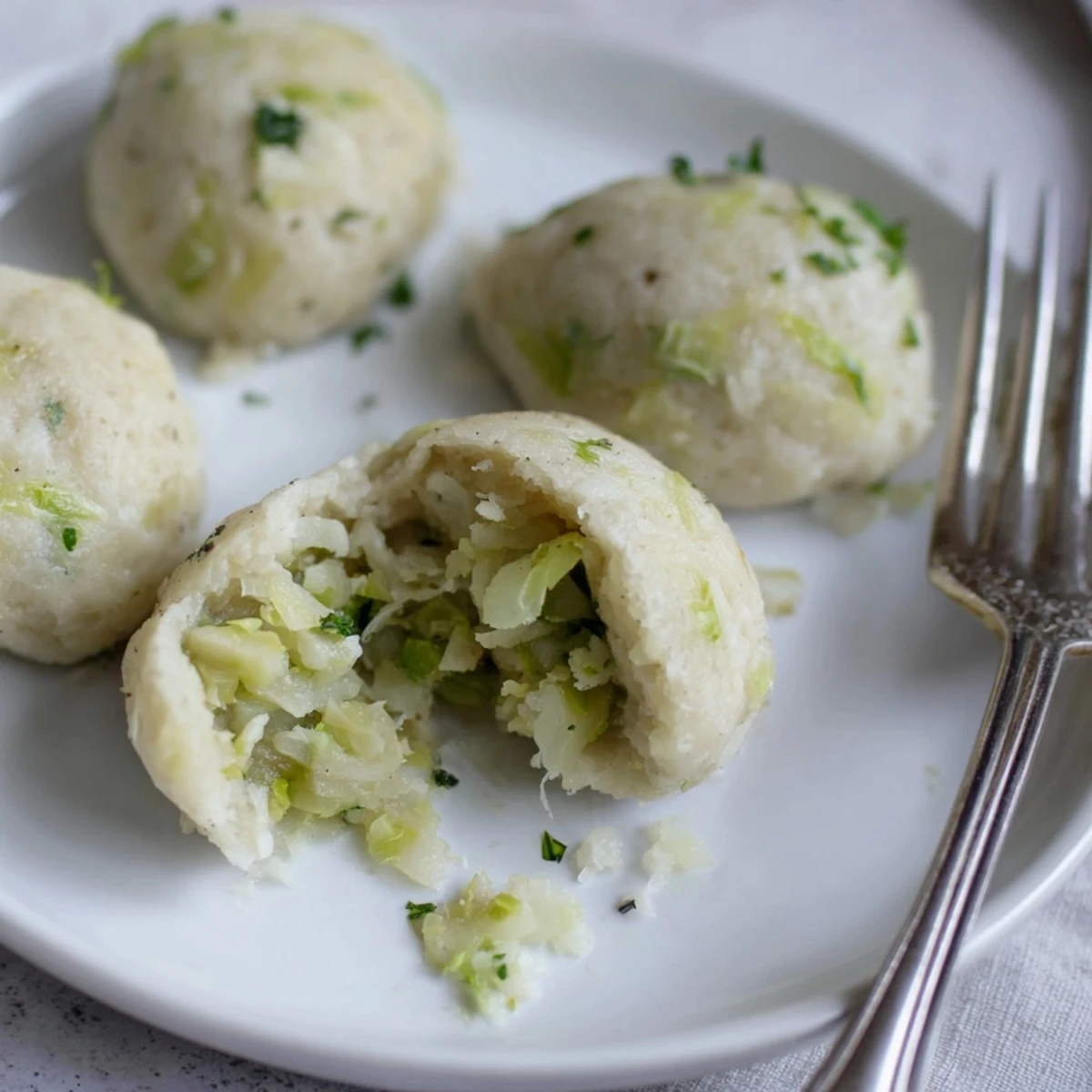
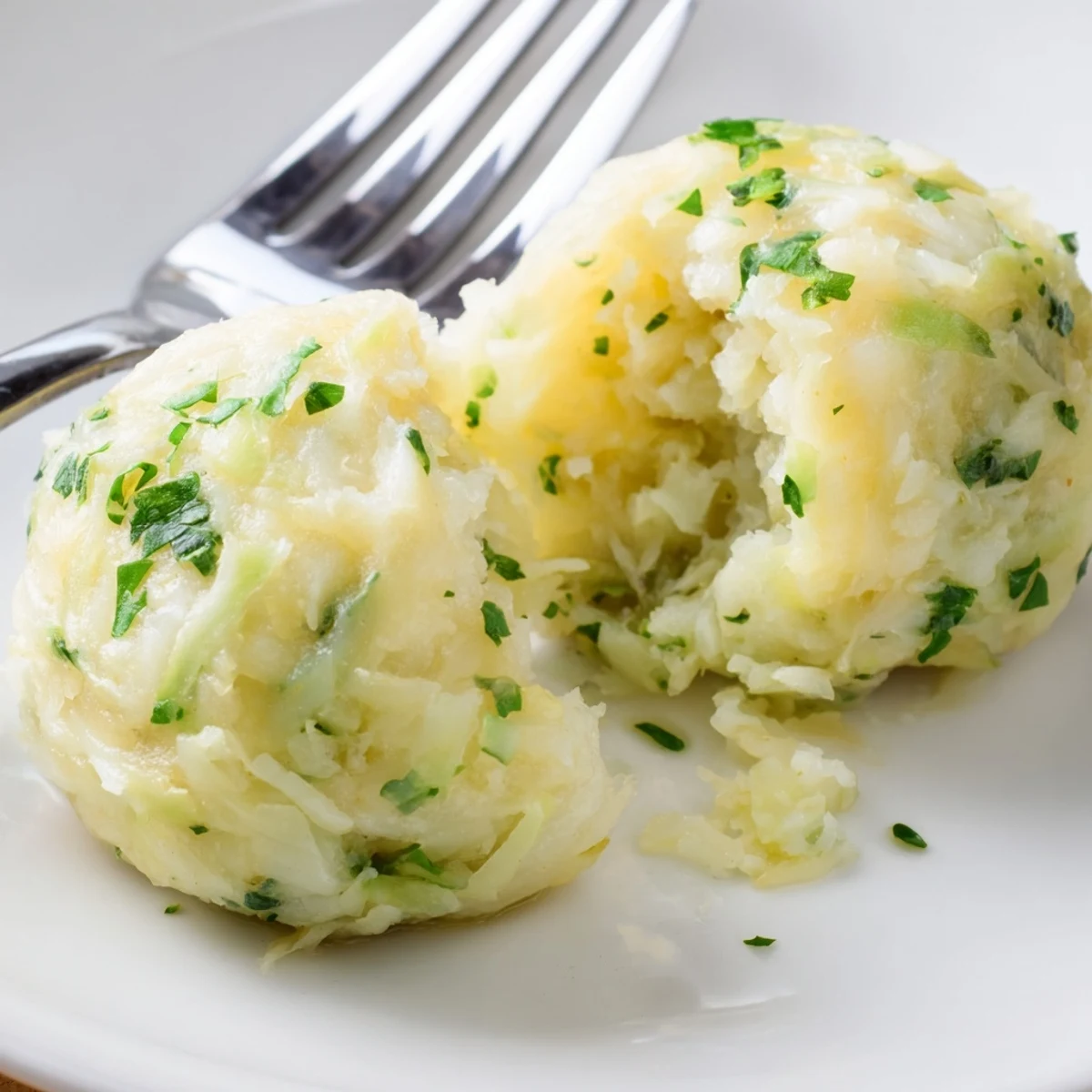
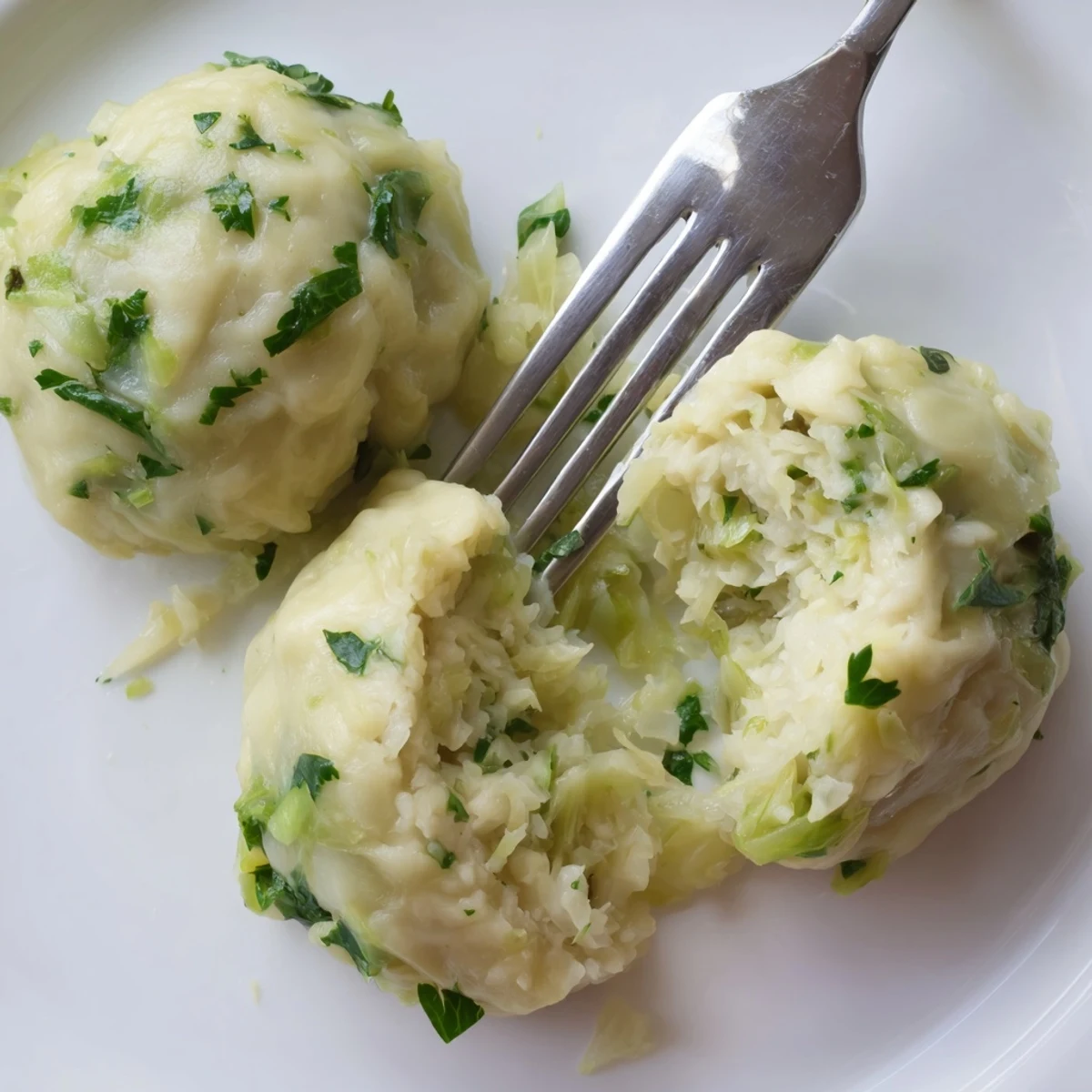
 These tender German cabbage dumplings feature a comforting blend of shredded cabbage, onions, and aromatic nutmeg, all bound together with soaked bread and eggs. The dumplings simmer gently in vegetable broth until they achieve a light, fluffy texture that melts in your mouth. Each batch yields eight satisfying portions that work beautifully as a hearty main course or alongside your favorite German dishes.
The preparation involves sautéing the cabbage until softened, combining it with milk-soaked bread cubes, and shaping the mixture into rounds that cook to perfection in just under 20 minutes. The result is a traditional dish that brings authentic German flavors to your table with minimal effort.
The first time I encountered cabbage dumplings was in a tiny gasthaus in Munich, where the waiter simply called them "the grandmother's way." I watched steam curl off the plate as they arrived, pillowy and golden, and that first bite revealed something unexpected—how finely shredded cabbage could become a luxurious filling rather than a humble side. Years later, I finally recreated that memory in my own kitchen, learning that the secret lies in patience, not technique.
Last winter, during a particularly bleak stretch of February, I made a batch for friends who'd just moved into their first apartment. We stood around the stove watching the dumplings bob gently in the broth, and something about that rhythm—steam rising, bread expanding, the kitchen growing warm—turned a simple dinner into a proper housewarming. They've asked for the recipe three times since then.
Ingredients
- Small head green cabbage: Finely shredded and cooked down slowly, it becomes the tender heart of each dumpling
- Medium onion: Diced small and sautéed until translucent to build a sweet foundation
- Unsalted butter: Two tablespoons provide the richness needed to carry the spices through the bread
- Large eggs: These bind everything together while keeping the texture light and fluffy
- Whole milk: Soaking the bread cubes in milk creates the perfect tender consistency
- Day-old white bread: Remove crusts and cube it—the slightly stale texture absorbs moisture beautifully
- All-purpose flour: Just enough to give the dumplings structure without making them heavy
- Ground nutmeg: A half teaspoon adds that classic German warmth without overwhelming
- Ground black pepper: Freshly cracked provides a gentle heat that balances the sweetness
- Salt: One teaspoon seasons the dough, plus an extra pinch when cooking the cabbage
- Fresh parsley: Two tablespoons, finely chopped, bring brightness to each bite
- Vegetable broth: One and a half liters for gentle simmering, imparting subtle depth
Instructions
- Sauté the aromatics:
- Melt butter in a large skillet over medium heat, cooking diced onion until translucent before adding shredded cabbage with a pinch of salt. Cook for 10–12 minutes, stirring occasionally, until the cabbage has softened completely.
- Prepare the bread:
- Combine bread cubes with milk in a large bowl, letting them soak for 5–10 minutes until soft, then mash gently with a fork until no dry pieces remain.
- Form the dough:
- Add eggs, flour, nutmeg, pepper, salt, parsley, and the cooled cabbage mixture to the soaked bread. Mix thoroughly until you have a uniform, slightly sticky dough that holds its shape.
- Shape the dumplings:
- With damp hands to prevent sticking, form the mixture into 8 equal rounds, handling them lightly to keep the texture airy.
- Simmer gently:
- Bring vegetable broth to a gentle simmer—never a rolling boil—and carefully lower in the dumplings. Cook for 18–20 minutes until they're firm to the touch and cooked through.
- Serve immediately:
- Lift dumplings carefully with a slotted spoon, letting excess broth drip away before transferring to warm bowls. Garnish with additional parsley if you like.
 Pin This
 These dumplings have become my go-to when someone needs feeding but I don't have the energy for anything elaborate. Something about watching them float in that simmering broth feels meditative, like the kitchen is taking care of itself for a while.
The Bacon Question
I've made these both vegetarian and with diced bacon cooked alongside the onion. The bacon version is undeniably rich and savory, but the vegetarian rendition lets the nutmeg and cabbage shine more brightly. Both are valid, depending on who's gathering around your table.
Sauce Decisions
While these dumplings are satisfying on their own, a creamy mushroom sauce or simply melted butter elevates them to dinner-party status. I've found that the sauce should complement, not overwhelm—the dumplings themselves deserve to remain the star.
Make-Ahead Wisdom
You can assemble the dumplings several hours before cooking and refrigerate them on a parchment-lined tray. The texture actually benefits from this brief rest, giving the flour time to hydrate fully.
- Shape dumplings in the morning and simmer them just before dinner
- Cooked dumplings reheat gently in simmering broth for 2–3 minutes
- Uncooked dumpling mixture keeps in the refrigerator for up to 24 hours
 Pin This
 There's something profoundly satisfying about turning simple cabbage and stale bread into a meal that makes people pause between bites. These dumplings have taught me that comfort food doesn't need to be complicated to feel like a gift.
Recipe FAQs
- → What makes German cabbage dumplings traditional?
-
Traditional German cabbage dumplings feature a combination of soaked bread, shredded cabbage, onions, and warm spices like nutmeg. The mixture is shaped into rounds and gently simmered in broth rather than boiled, creating their characteristic light and fluffy texture.
- → Can I make these dumplings ahead of time?
-
Yes, you can prepare the dumpling mixture several hours in advance and store it covered in the refrigerator. Shape and cook them just before serving for the best texture. Leftover cooked dumplings can be gently reheated in hot broth or sliced and pan-fried in butter.
- → What should I serve with cabbage dumplings?
-
These dumplings pair wonderfully with creamy mushroom sauce, melted butter, or rich gravy. They complement German classics like sauerbraten, roast pork, or serve as a satisfying vegetarian main dish alongside roasted vegetables and a crisp salad.
- → How do I know when the dumplings are done cooking?
-
The dumplings are ready when they float to the surface and feel firm when gently pressed with a spoon. This typically takes 18-20 minutes of gentle simmering. Avoid boiling vigorously, as this can cause them to break apart.
- → Can I freeze German cabbage dumplings?
-
Uncooked dumplings freeze well—place them on a baking sheet until firm, then transfer to a freezer bag for up to 3 months. Cook from frozen, adding a few extra minutes to the simmering time. Cooked dumplings can also be frozen and reheated gently in broth.
- → What type of cabbage works best?
-
Green cabbage is traditional and provides excellent texture and flavor. Savoy cabbage also works beautifully, adding a slightly sweeter note. Red cabbage can be used but will give the dumplings a distinct color and stronger flavor profile.