
 Pin This
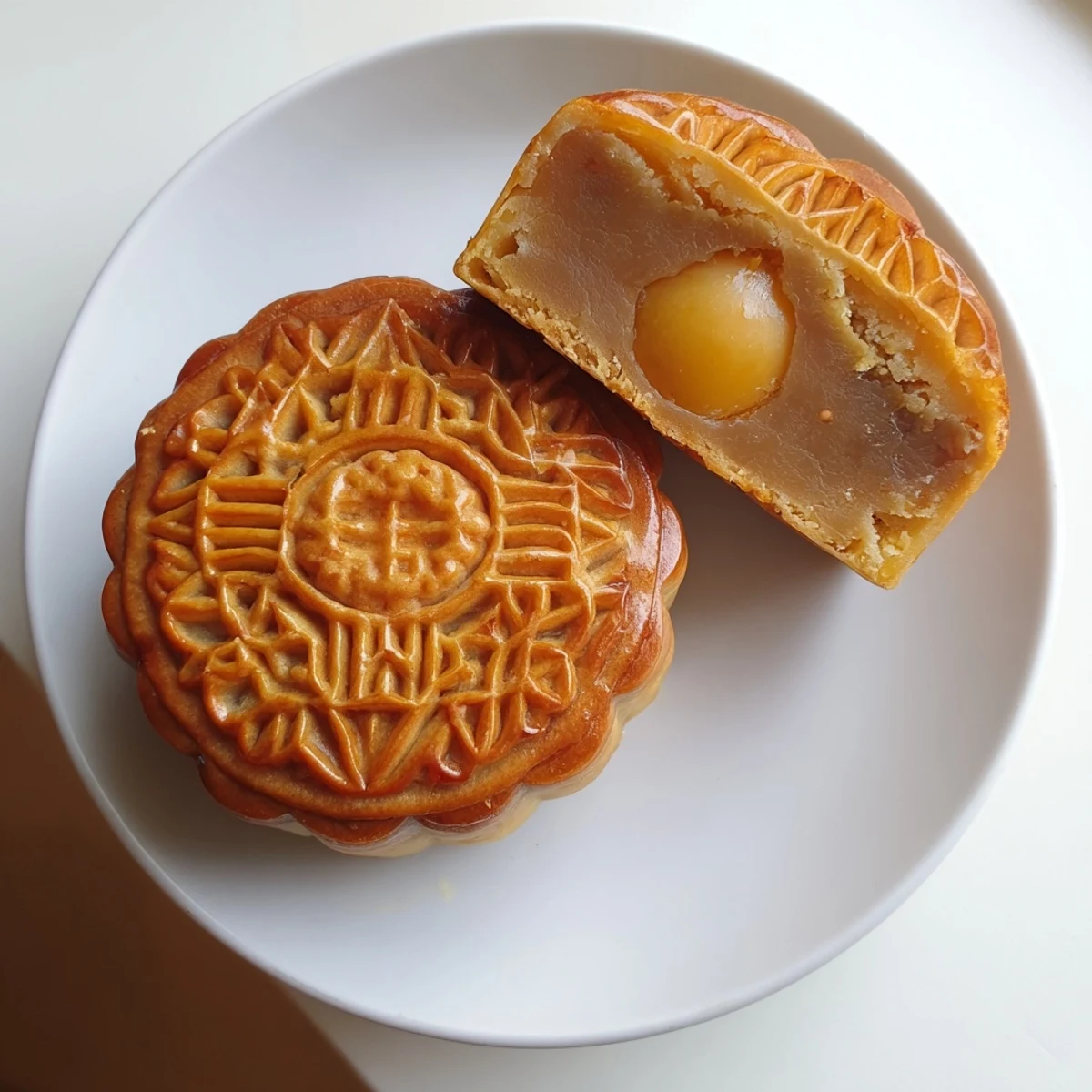
 These classic mooncakes feature a tender, golden pastry encasing sweet lotus seed paste, optionally enriched with salted egg yolks. The dough requires a 2-hour resting period to achieve the characteristic texture that softens beautifully over 1-2 days of storage.
Traditional mooncake molds create the iconic decorative patterns, while a golden egg wash produces the signature glossy finish. Best enjoyed after a day of resting to allow the pastry to develop its characteristic tender, chewy texture.
The process involves preparing an alkaline dough, wrapping the filling, shaping with decorative molds, and baking until golden brown. Perfect for sharing during Mid-Autumn Festival or as homemade gifts.
The golden syrup hitting the alkaline water creates this reaction that still fascinates me every time I make mooncakes. I started making these when I realized store-bought ones never captured that tender, almost chewy pastry texture I remembered from childhood bakery visits in Chinatown.
Last year I made three dozen for the Mid-Autumn Festival and my neighbor asked if I could teach her. We spent an entire afternoon pressing molds, wiping flour off each others arms, and eating the ones that came out looking less than perfect.
Ingredients
- 120 g all-purpose flour: Low protein flour keeps the pastry tender after baking
- 85 g golden syrup: This honey colored inverted sugar creates that signature chew and prevents the dough from toughening
- 30 g vegetable oil: A neutral oil lets the syrup flavor shine through without competing
- 1/2 tsp alkaline water: This reacts with the syrup to give mooncakes their golden amber color and distinct texture
- 480 g lotus seed paste: Smooth and sweet with an earthy undertone that balances the richness
- 12 salted egg yolks: Creamy and savory, these create that traditional contrast everyone seeks
- 1 egg yolk and 1 tbsp milk: Thinned slightly, this wash gives an even golden sheen without overbrowning
Instructions
- Prepare the pastry dough:
- Whisk golden syrup, oil, and alkaline water until completely combined, then fold in flour until just mixed. Cover and rest the dough for at least 2 hours so the flour fully hydrates.
- Shape the fillings:
- Portion lotus paste into 40 gram balls and press each around a salted egg yolk, sealing completely so the yolk stays centered during baking.
- Wrap the mooncakes:
- Flatten each rested dough portion into a thin disc and carefully encase the filling balls, pinching the seam closed. The dough should be stretched just enough to cover without tearing.
- Mold and bake:
- Dust the mooncake mold lightly with flour, press the filled ball firmly into the design, then release onto parchment. Bake 5 minutes before brushing with egg wash, then return to the oven until golden.
 Pin This
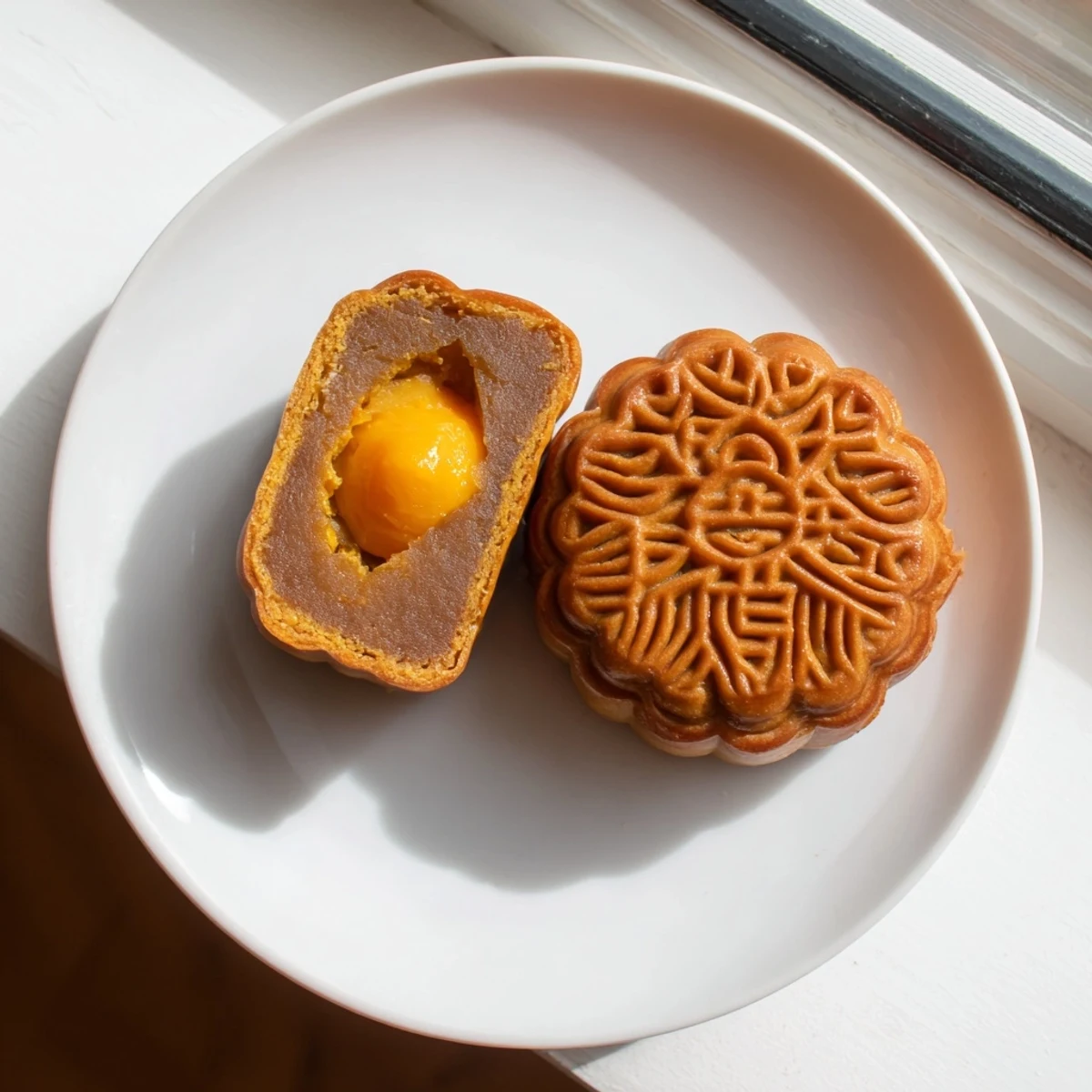
 My aunt told me mooncakes are meant to be shared, never eaten alone, which is probably why they are so rich and meant to be sliced into wedges. I now understand why the festival centers around passing these around and breaking them together under the moonlight.
Getting the Molding Right
Too much flour in the mold makes the design blur while too little makes the mooncake stick and tear when releasing. I tap the mold firmly against my palm once, press down on a hard surface, then tap again before lifting.
Working with Golden Syrup
This syrup is thick and sticky so measuring by weight is far more accurate than volume. Warm your measuring container slightly first and the syrup slides right out instead of clinging to everything.
Storing and Serving
Fresh baked mooncakes seem slightly crisp but within 24 hours the pastry softens into that legendary texture. Keep them in an airtight container at room temperature and they will continue developing depth.
- Wrap individually in small parchment squares for gifting
- Serve sliced into thin wedges with strong tea to cut the richness
- These freeze well for up to a month if you want to make them ahead
 Pin This
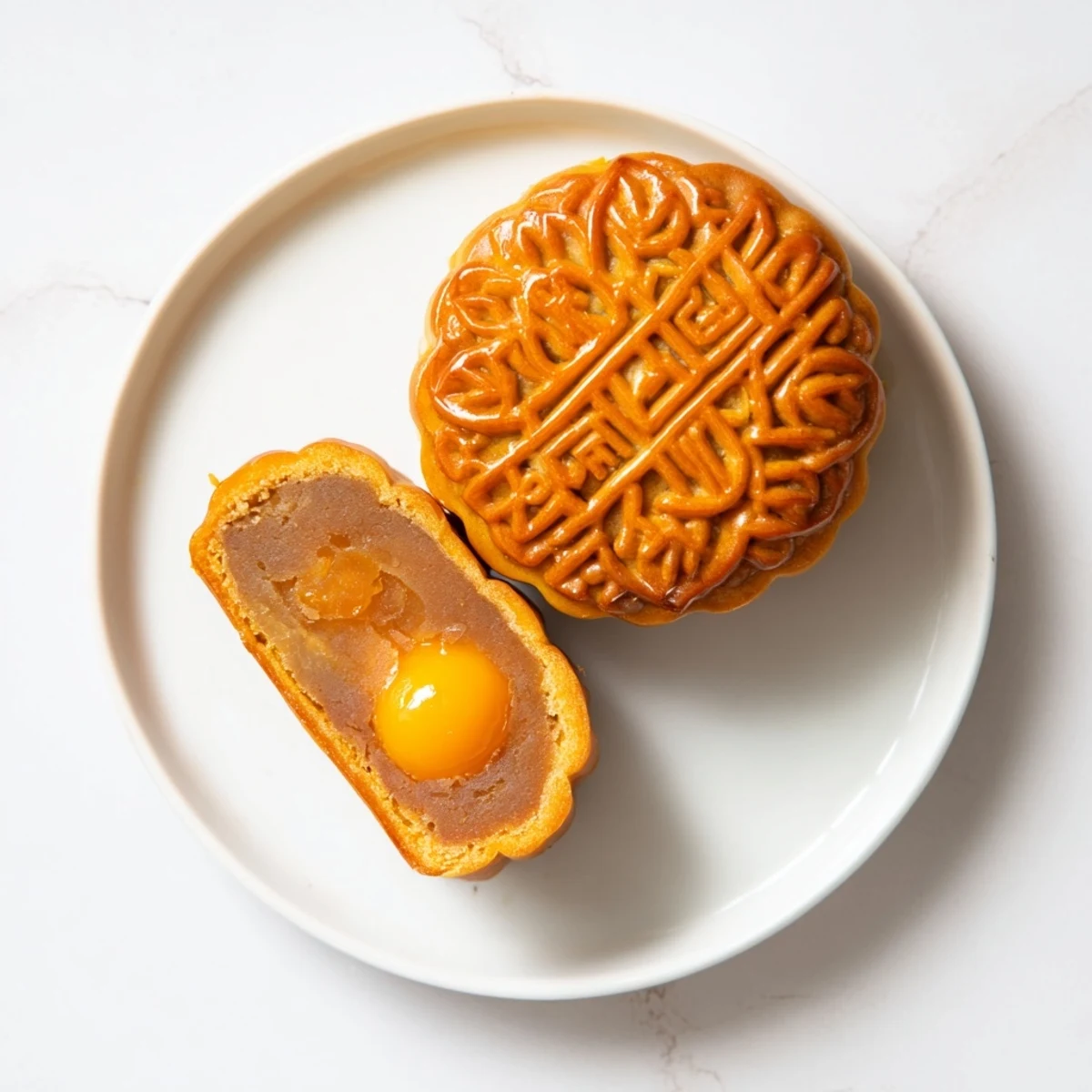
 There is something deeply satisfying about seeing those intricate patterns emerge from the mold and knowing these little cakes carry centuries of tradition in every bite.
Recipe FAQs
- → How long should mooncakes rest before serving?
-
Mooncakes require 1-2 days of resting in an airtight container. This allows the pastry to soften and develop the characteristic tender, slightly chewy texture that traditional mooncakes are known for.
- → Can I make mooncakes without a mooncake mold?
-
While traditional molds create the iconic decorative patterns, you can shape them by hand or use alternative molds. The taste remains the same, though the appearance will differ from classic bakery-style mooncakes.
- → What is alkaline water and why is it used?
-
Alkaline water (lye water) gives mooncake pastry its characteristic golden color and helps create the tender, slightly chewy texture. It's a traditional ingredient essential for authentic results.
- → Can I substitute the lotus seed paste?
-
While lotus seed paste is traditional, you can use red bean paste, date paste, or even fruit fillings. Keep in mind that texture and moisture content may vary, affecting dough handling.
- → Why do salted egg yolks need to be wrapped inside the paste?
-
Wrapping salted egg yolks in lotus paste prevents them from drying out during baking and ensures even distribution. This technique creates the prized creamy, savory center that contrasts beautifully with the sweet filling.
- → How do I store mooncakes?
-
Store completely cooled mooncakes in an airtight container at room temperature for up to 1 week. For longer storage, refrigerate for 2-3 weeks or freeze for up to 3 months. Bring to room temperature before serving.