
 Pin This
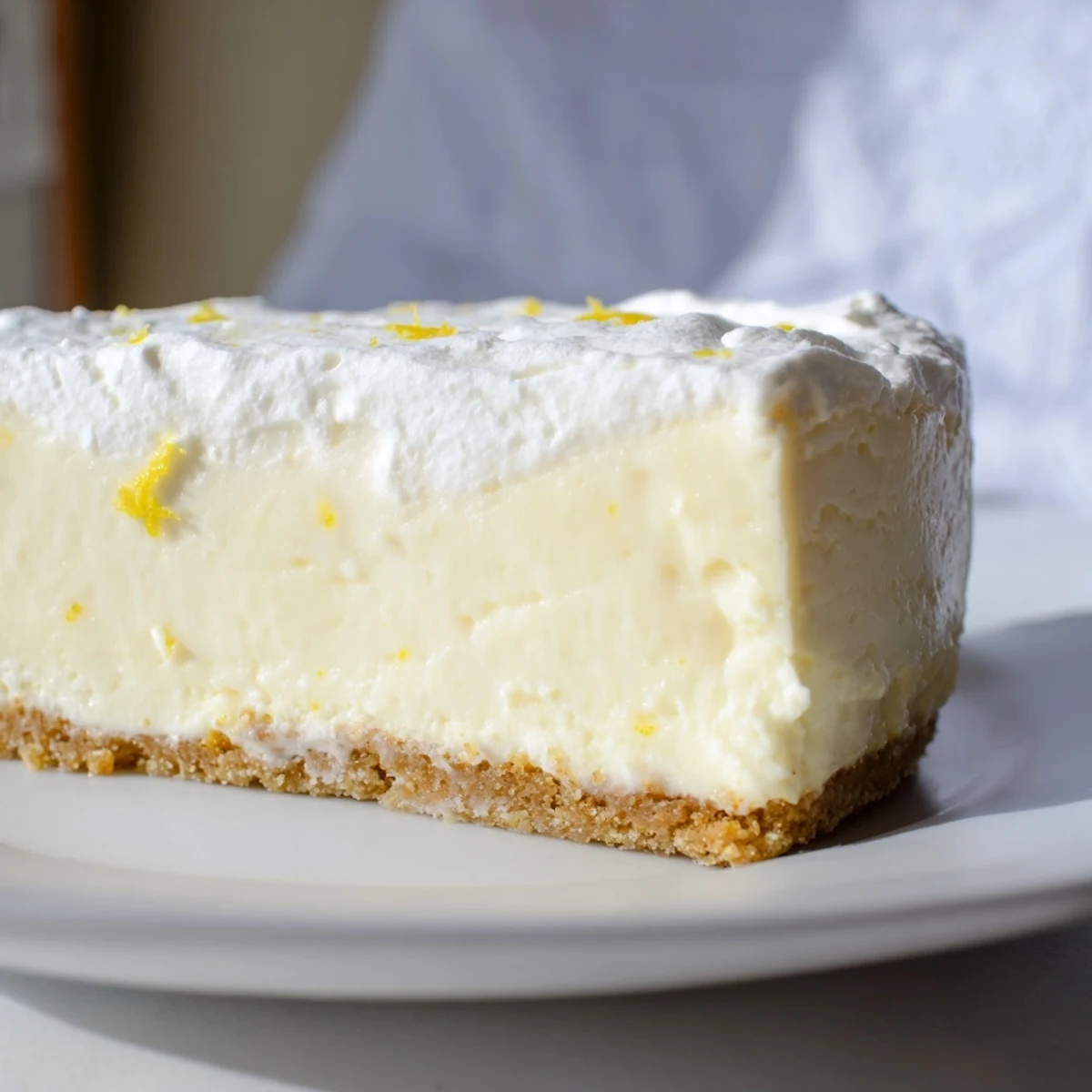
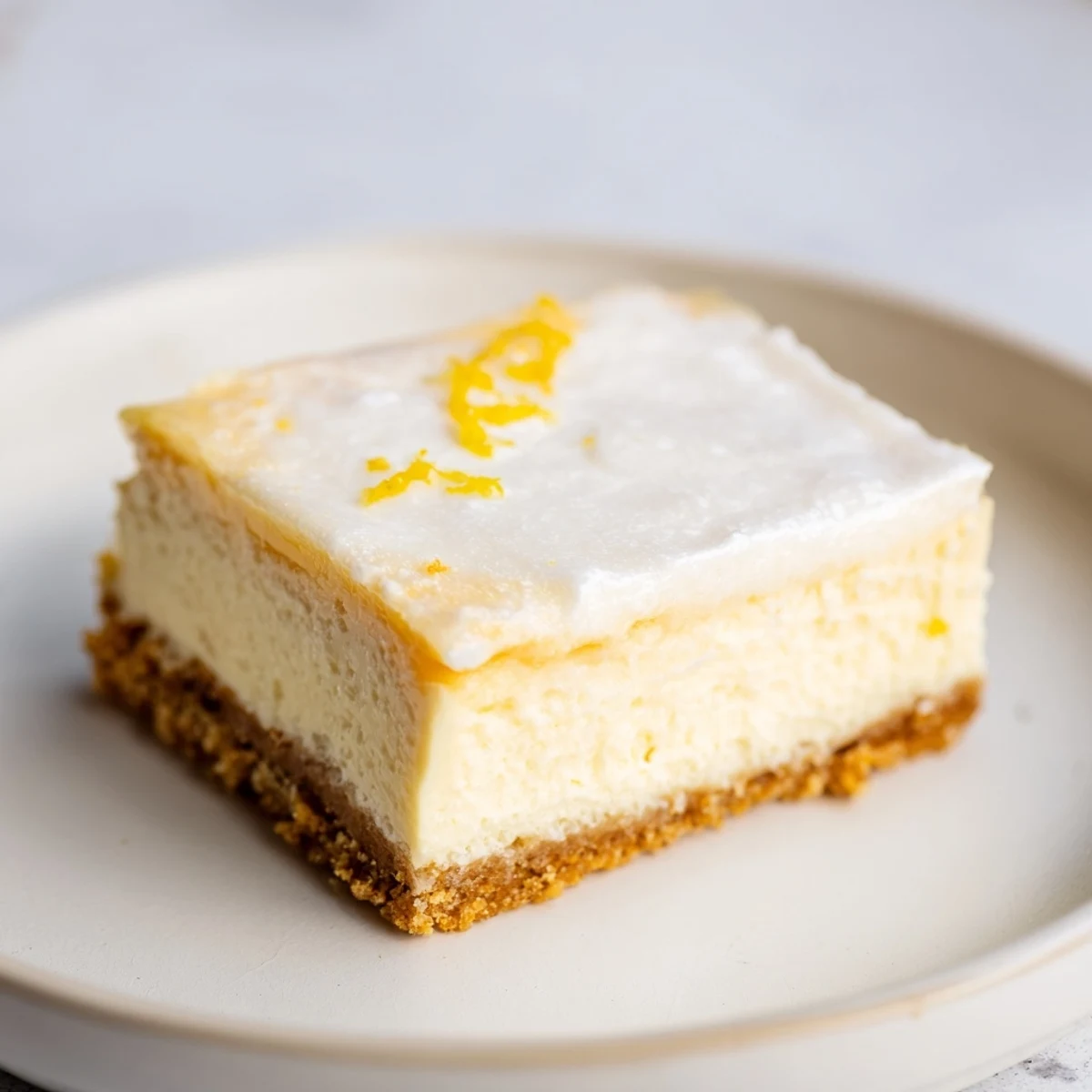
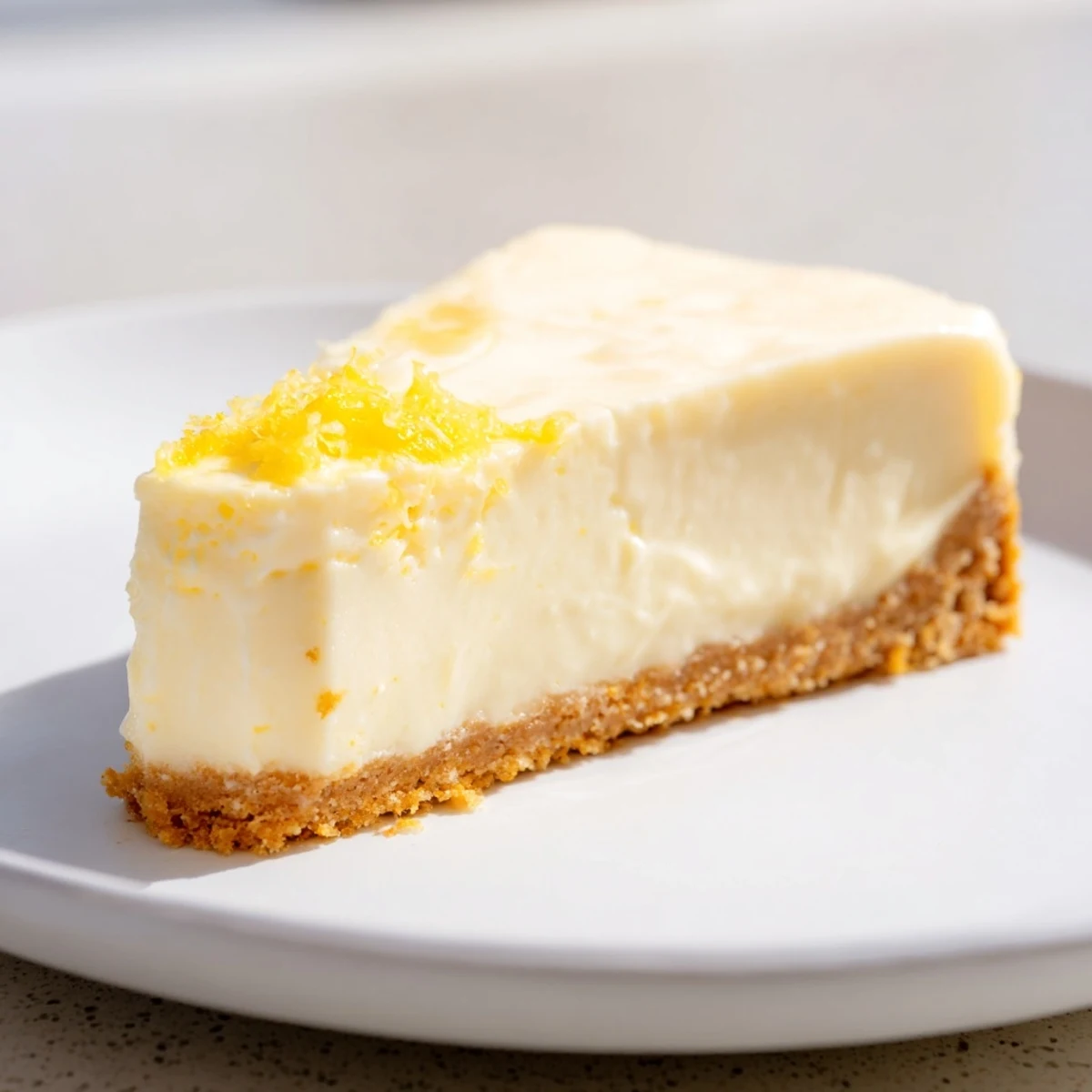
 This cheesecake combines the creaminess of full-fat Greek yogurt and cream cheese with a crisp graham cracker crust. Flavored with lemon zest and juice, it delivers a refreshing tangy note. The filling blends sugar, eggs, vanilla, and cornstarch to achieve a smooth, indulgent texture. After baking and cooling, an optional sour cream topping adds extra richness. Perfectly chilled, it's a luscious dessert with a balance of creamy and bright flavors.
Preparation involves grinding crackers for the crust and mixing the filling until silky. Baking sets the custard gently, ensuring a delicate wobble in the center for creaminess. Chilling overnight enhances texture and depth of flavor. This dish is vegetarian-friendly and can be customized with gluten-free crust options and fruit toppings.
The afternoon sun was streaming through my kitchen window when I first attempted a Greek yogurt cheesecake. I had this tub of thick, creamy yogurt staring at me and wondered what would happen if I swapped it for some of the heavy cream cheese. The result was this impossibly smooth, tangy creation that's become my go-to dessert for dinner parties ever since.
Last summer, I made this for my friend's birthday and watched her skeptical husband go back for thirds. He kept asking what made it taste so fresh and bright compared to every other cheesecake he'd ever had. That moment when someone discovers something new in a familiar dessert is exactly why I keep baking.
Ingredients
- Graham crackers or digestive biscuits: These create that buttery, slightly sandy foundation we all love in a cheesecake crust. Pulse them yourself for better texture control.
- Unsalted butter: Melted and mixed into the crust, this binds everything together. Salted butter works too, just adjust the added salt slightly.
- Full-fat Greek yogurt: This is the star of the show. The extra protein and strained texture make all the difference in the final consistency.
- Cream cheese: Still essential for that classic cheesecake structure. Let it come to room temperature completely or you'll end up with lumps.
- Granulated sugar: Sweetens without overwhelming the tangy notes. You can reduce by 20% if you prefer desserts less sweet.
- Eggs: Room temperature eggs incorporate more smoothly and help create that silky, custard-like texture we're after.
- Vanilla extract: Pure extract is worth every penny here. It blooms beautifully in the oven and rounds out all the flavors.
- Cornstarch: My secret insurance policy against cracks. Just a tablespoon helps stabilize the filling without affecting the taste.
- Lemon zest and juice: Fresh lemon brightens everything and enhances that yogurt tang. Bottled juice simply doesn't compare.
- Fine sea salt: A pinch balances all the sweetness and makes every other flavor pop forward.
Instructions
- Prep your pan and oven:
- Preheat the oven to 170°C (340°F) and line the bottom of a 23 cm springform pan with parchment paper. This little step makes removing the cheesecake so much easier later.
- Build the buttery crust:
- Pulse the graham crackers until finely ground, then mix in melted butter, sugar, and salt. Press firmly into the bottom of the prepared pan and bake for 10 minutes. Let it cool while you make the filling.
- Beat the base:
- In a large bowl, beat together the Greek yogurt, cream cheese, and sugar until completely smooth. Take your time here—lumps now mean lumps later.
- Add the eggs gently:
- Add the eggs one at a time, mixing well after each addition. Overmixing at this stage can introduce too much air, so mix just until combined.
- Finish the filling:
- Stir in vanilla extract, lemon zest, lemon juice, cornstarch, and salt until fully incorporated. The batter should look silky and glossy.
- Bake with patience:
- Pour the filling over the cooled crust and smooth the top. Bake for 50 minutes until the center is just set but still slightly wobbly—that wobble is your friend.
- The cooling ritual:
- Turn off the oven, crack open the door, and let the cheesecake cool inside for 1 hour. This gradual cooling prevents those dreaded cracks.
- Chill thoroughly:
- Remove from the oven and let cool to room temperature. Then refrigerate for at least 4 hours, or overnight if you can plan ahead.
- Add the optional topping:
- Mix sour cream or Greek yogurt with powdered sugar and vanilla. Spread over the chilled cheesecake before serving for an extra creamy layer.
 Pin This
 My grandmother used to say that desserts made with patience always taste better, and I think she was right about this cheesecake. The overnight chilling period somehow transforms it from good to extraordinary.
Making It Your Own
I've learned that the best recipes are really just templates. Sometimes I swap the lemon for orange when I want something more floral, or add a tablespoon of honey to the filling for depth.
Serving Suggestions
Fresh berries are the classic pairing, but don't overlook roasted stone fruits or even a drizzle of good quality balsamic vinegar. The contrast between the creamy cheesecake and bright fruit is magical.
Storage and Make-Ahead Tips
This cheesecake actually improves after a day or two in the refrigerator as the flavors meld together. It keeps beautifully for up to five days, though I've rarely had it last that long.
- Freeze individual slices wrapped tightly in plastic for up to two months
- The crust can be made a day ahead and kept at room temperature
- Always use a hot, dry knife for the cleanest slices
 Pin This
 There's something deeply satisfying about slicing into a perfectly smooth cheesecake you made yourself. I hope this recipe finds its way into your regular rotation.
Recipe FAQs
- → What makes Greek yogurt ideal in this cheesecake?
-
Greek yogurt adds a creamy texture and tangy flavor, lightening the richness of the cream cheese for a balanced dessert.
- → Can I use digestive biscuits instead of graham crackers?
-
Yes, digestive biscuits are a great substitute and will give a slightly different but equally delicious crust texture.
- → How do I achieve a smooth filling without lumps?
-
Beat the Greek yogurt, cream cheese, and sugar until smooth before gradually adding eggs and other ingredients to maintain creaminess.
- → Why is cornstarch included in the filling?
-
Cornstarch helps to stabilize the filling, ensuring it sets nicely without cracking or becoming too firm.
- → What’s the best way to serve this dessert?
-
Chilled for several hours or overnight, sliced cleanly with a warm knife, optionally topped with sour cream or fresh berries.
- → Can this be made gluten-free?
-
Yes, use gluten-free cookies for the crust to accommodate gluten-sensitive diets while maintaining flavor.