
 Pin This
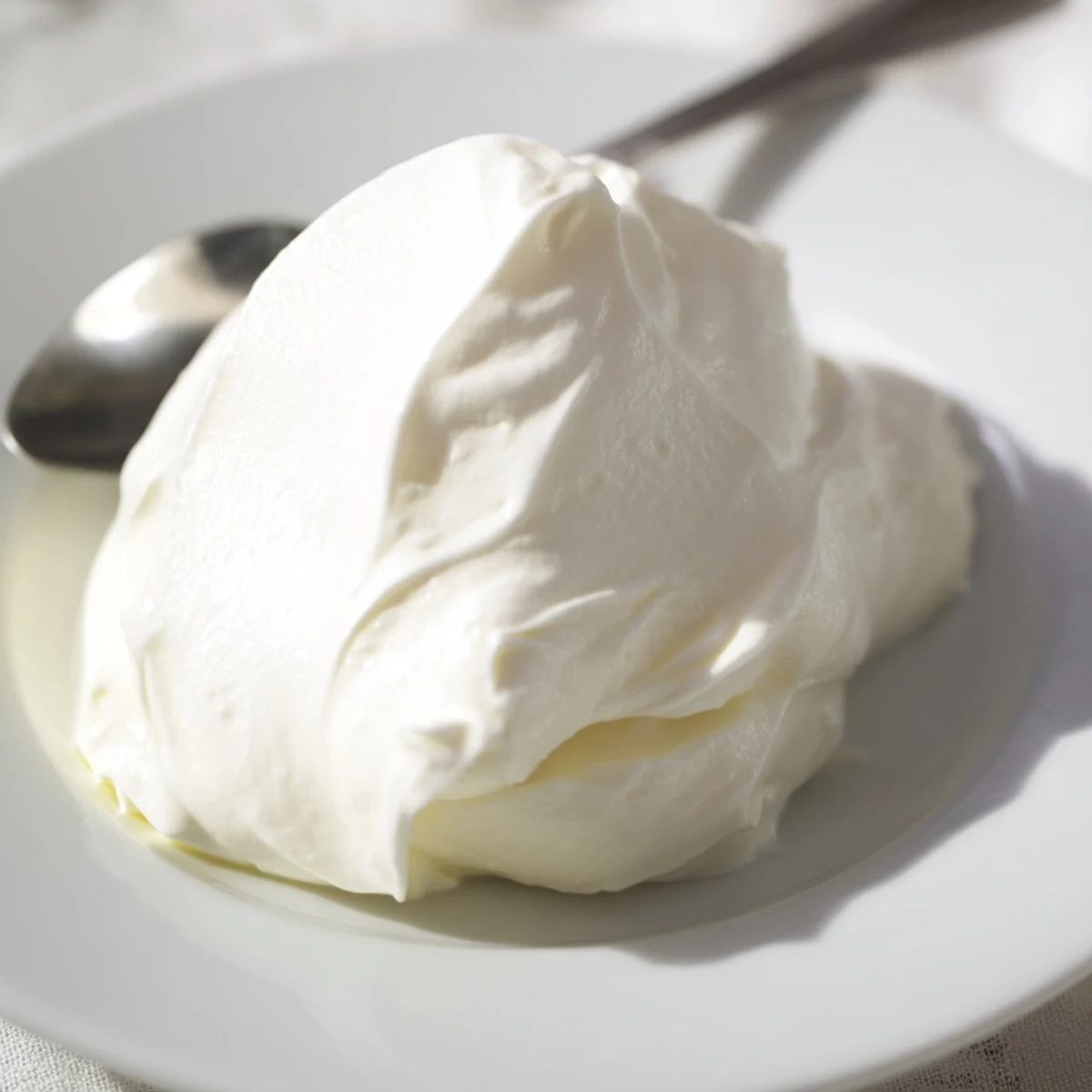
 Craft velvety Mediterranean-style yogurt using just milk and a starter culture. The slow culturing process develops that signature tang, while gentle straining creates the famously thick, spoonable consistency. Perfect topped with honey and fresh fruit, blended into smoothies, or used as a versatile base for savory dips and dressings.
My grandmother kept a thermometer in her kitchen drawer, right beside the wooden spoons, and taught me that making yogurt is really about patience and temperature. I spent countless summer afternoons watching the milk bubble and cool, learning that the magic happens in those quiet hours when you are not looking at all.
Last winter, during a snowstorm that kept us inside for days, I made a massive batch that fed my family through breakfasts topped with honey and walnuts. My daughter asked why we were making yogurt when we could just buy it, until she tasted the difference and understood completely.
Ingredients
- Whole milk: The fat content creates that luxurious Greek texture you cannot get from skim milk
- Plain yogurt with live cultures: Your starter is the heart of the recipe, so choose a brand you genuinely enjoy eating
Instructions
- Heat the milk gently:
- Watch the thermometer climb toward 82°C, stirring slowly so nothing sticks to the bottom of your pan
- Cool to the perfect temperature:
- Let the milk settle until it reaches 43°C, warm enough to activate the cultures without killing them
- Create your starter:
- Whisk a few tablespoons of cooled milk with the yogurt until completely smooth and blended
- Combine everything:
- Pour the starter mixture back into the warm milk, stirring gently to incorporate evenly
- Let it culture:
- Wrap your container in a thick towel or place it in a warm spot, then walk away and trust the process
- Strain for thickness:
- Line a strainer with cheesecloth, pour in the set yogurt, and refrigerate until the whey drips away
- Store your creation:
- Transfer the thickened yogurt to a clean container and keep it cold until you are ready to serve
 Pin This
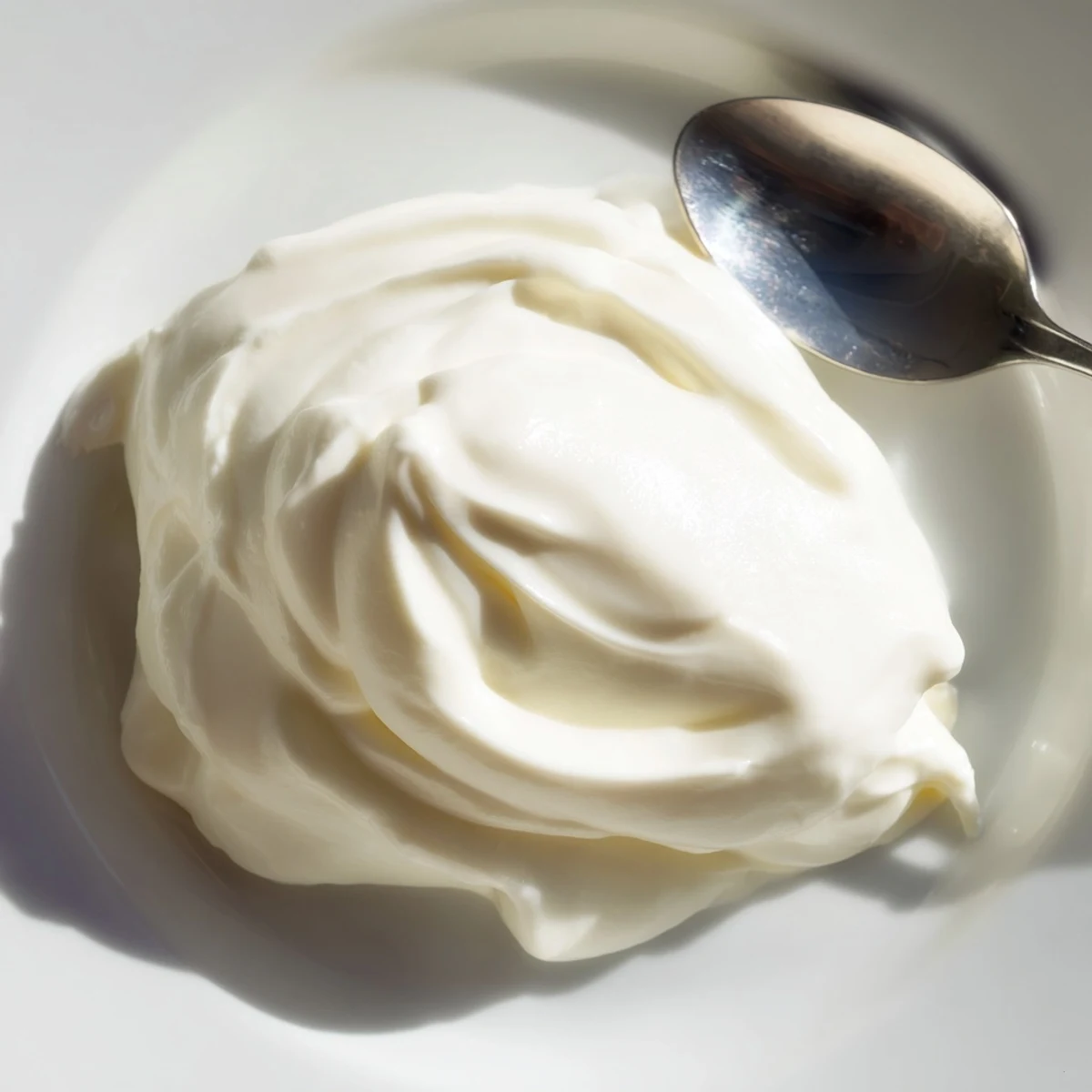
 This yogurt has become my go to hostess gift, layered in jars with granola and fresh fruit, wrapped with twine. Friends always ask for the recipe, surprised that something so exceptional comes from just two simple ingredients and time.
Choosing Your Milk
Sheep and goat milk create wonderfully tangy variations that transport you straight to Mediterranean villages. I once experimented with raw milk from a local farm, and the depth of flavor was unlike anything I had ever tasted from a grocery store.
Temperature Control
The sweet spot for culturing is surprisingly specific, and I learned the hard way that rushing the cooling phase produces disappointing results. In winter, I preheat my oven slightly, turn it off, and let the yogurt incubate in that gentle warmth overnight.
Serving Suggestions
The whey you strain off is packed with protein and deserves a place in your morning smoothies or homemade bread dough. I keep a jar in the fridge for improvisational cooking.
- Drizzle with good honey and toasted pine nuts for a simple dessert
- Stir in minced garlic and fresh herbs for an instant dip
- Swap half the sour cream in any recipe for a lighter version
 Pin This
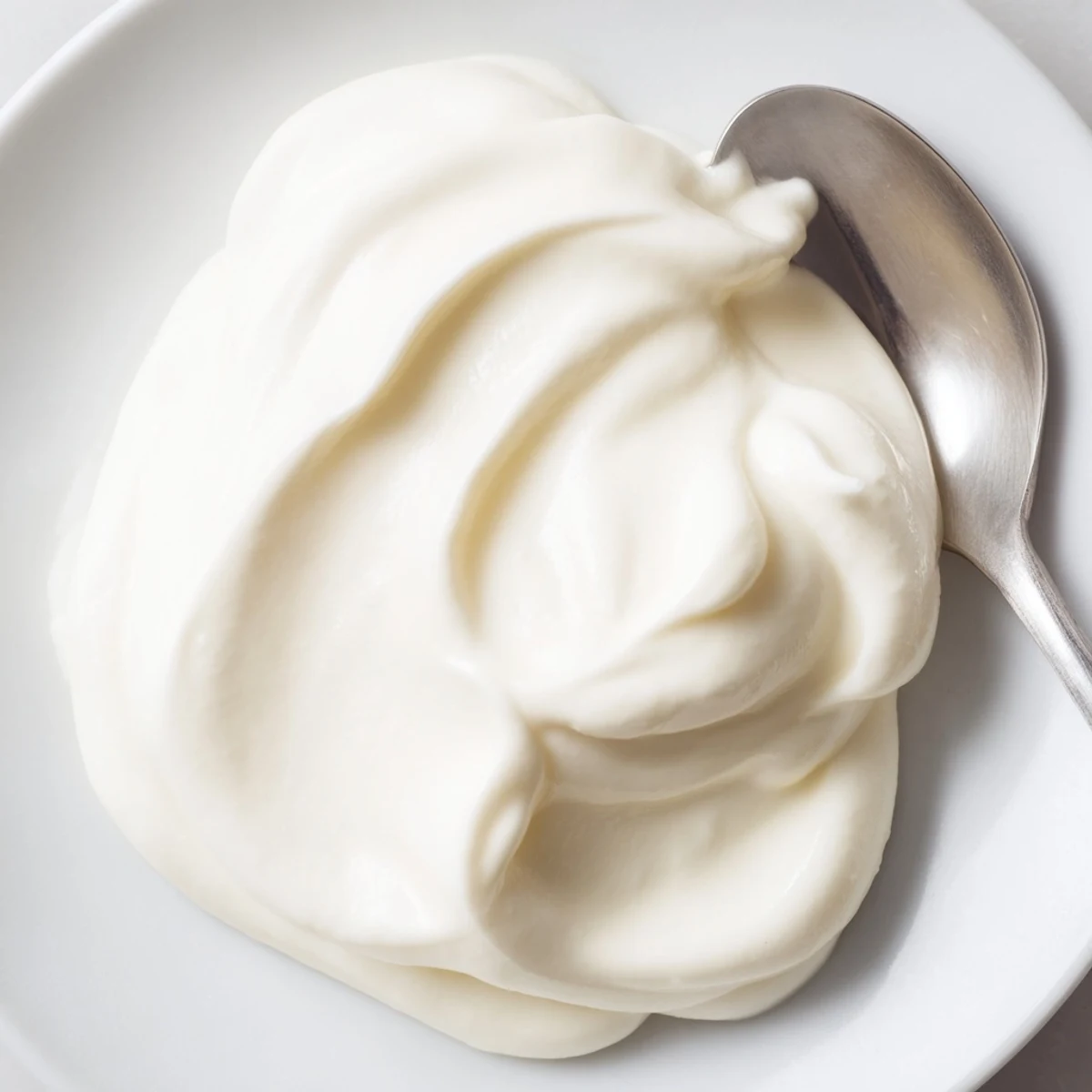
 There is something profoundly satisfying about turning milk into yogurt, a small kitchen alchemy that connects you to traditions spanning thousands of years. Start today, and tomorrow morning you will understand why this ancient practice endures.
Recipe FAQs
- → What makes Greek yogurt different from regular yogurt?
-
Greek yogurt undergoes straining to remove whey, resulting in a thicker, creamier texture with higher protein concentration compared to regular varieties.
- → Can I use low-fat milk?
-
Whole milk produces the creamiest results, but you can use low-fat options. The texture will be less rich, though the straining process still creates thickness.
- → How long does homemade Greek yogurt last?
-
Properly stored in the refrigerator, homemade yogurt stays fresh for up to two weeks. Keep it in a sealed container and avoid cross-contamination.
- → What can I do with the whey?
-
The liquid whey contains protein and beneficial nutrients. Use it in smoothies, baking, or add to soups for extra nutrition and depth.
- → Do I need a yogurt maker?
-
No special equipment is required. A warm spot, turned-off oven with light on, or wrapped in towels works perfectly for maintaining the culturing temperature.