
 Pin This
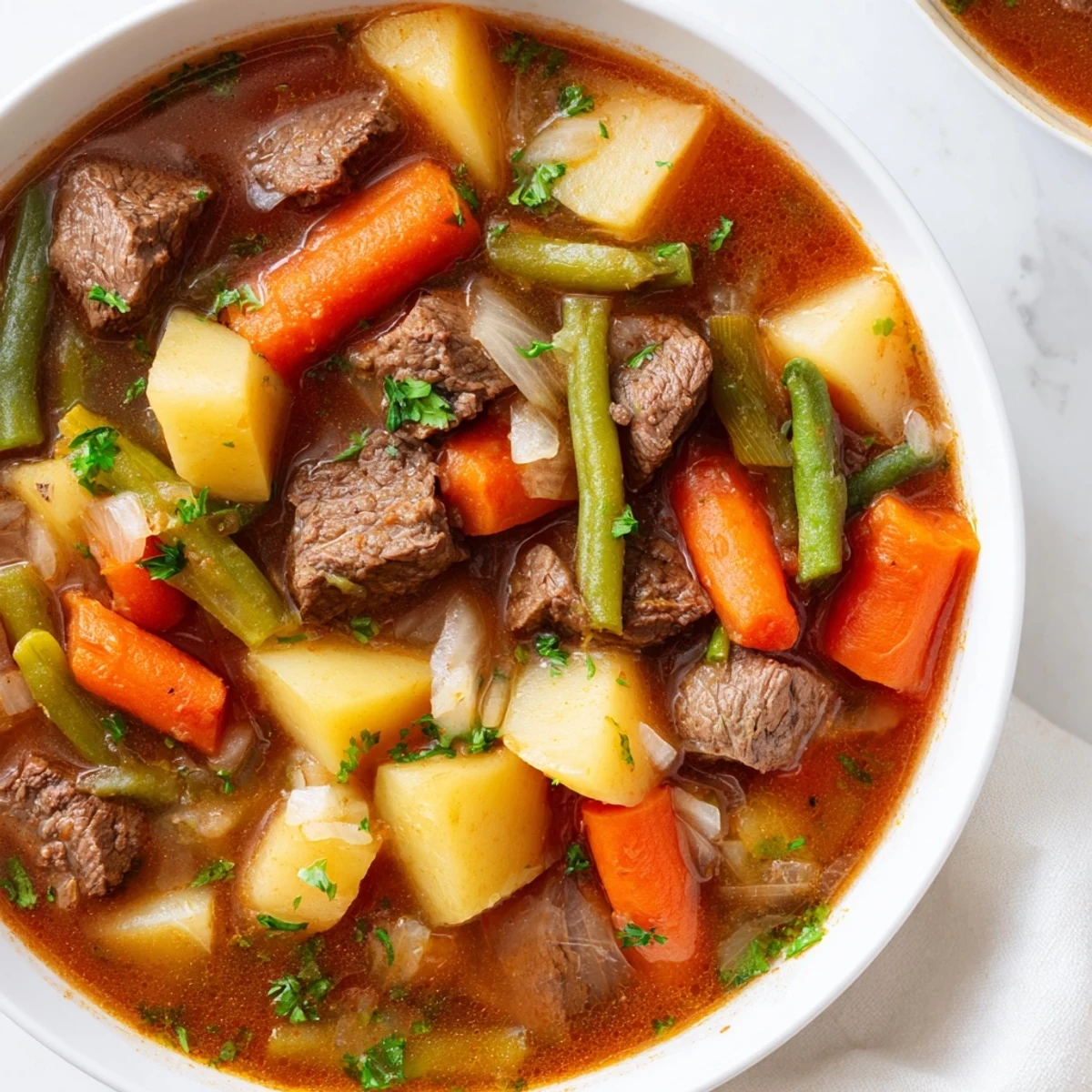
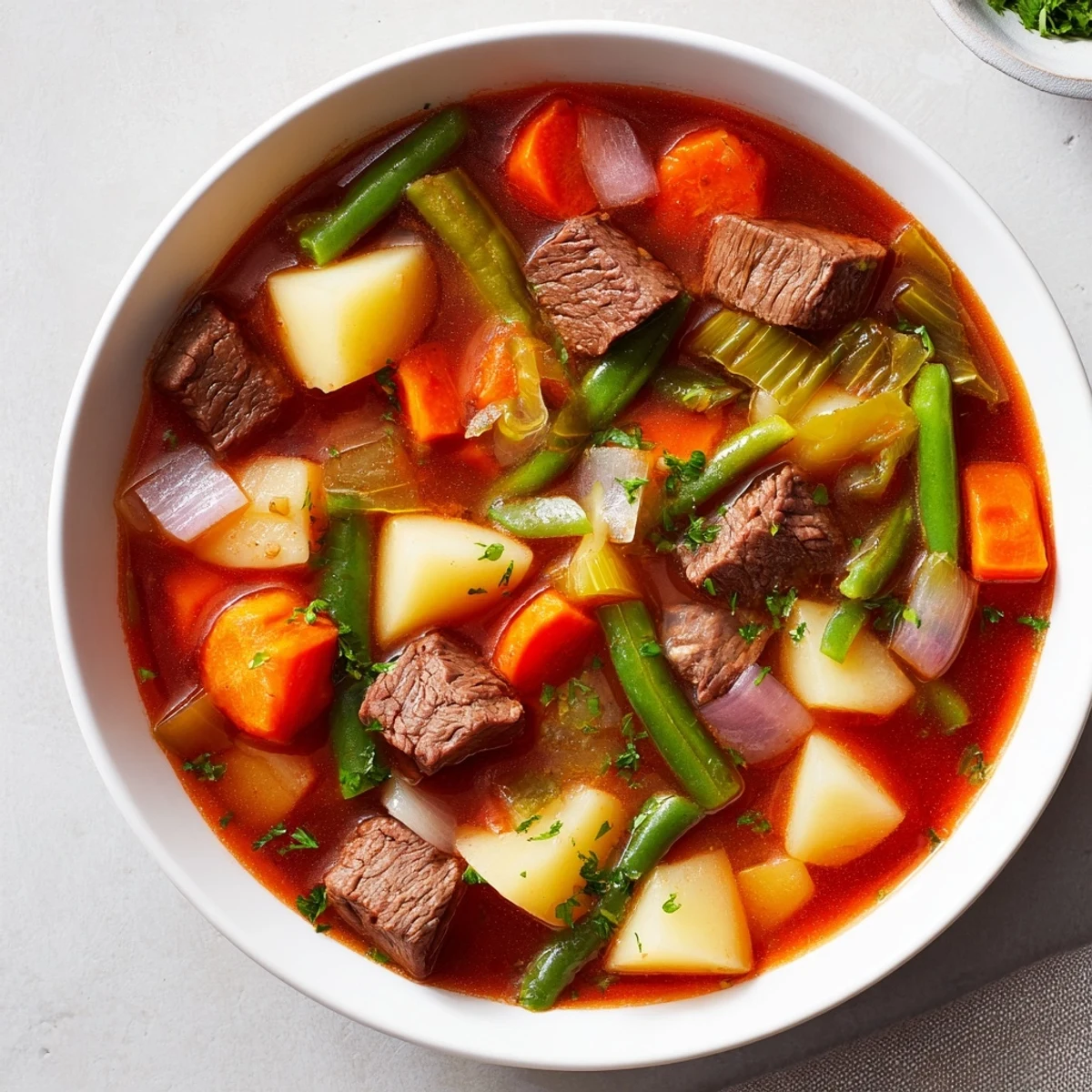
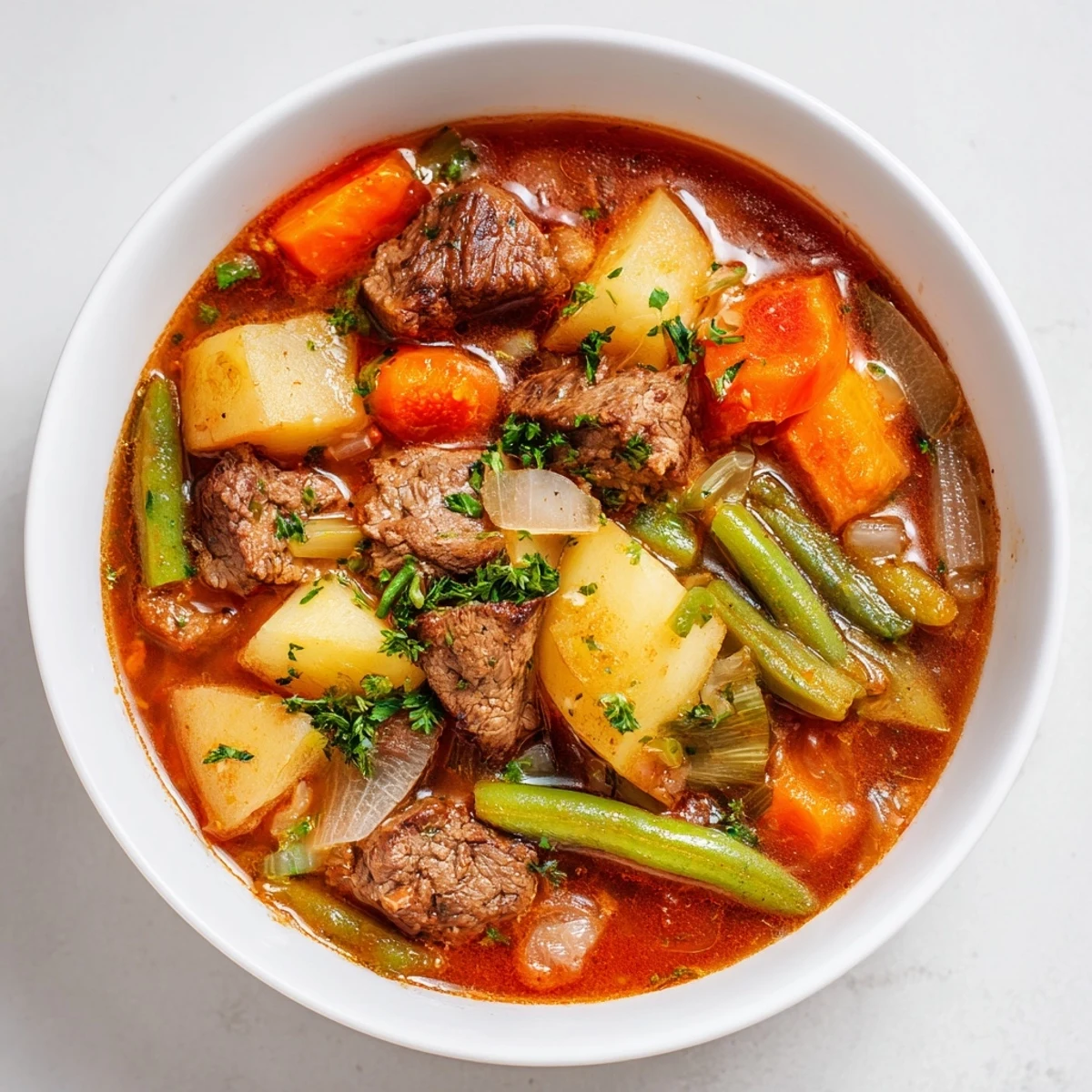
 This hearty beef soup brings together tender chunks of beef and a variety of root vegetables simmered gently with aromatic herbs. The slow cooking melds rich beef broth with fresh garlic, thyme, oregano, and bay leaves, producing a flavorful and satisfying dish ideal for colder days. Green beans and fresh parsley add brightness, while optional ingredients like parsnip enhance depth. Simmered to perfection, it offers comfort and nourishment in every bowl.
There's something about the smell of beef simmering with herbs that stops me mid-afternoon. My grandmother used to make this soup on days when the kitchen needed to be warm, and I'd watch her sear the meat until it was deep brown, muttering about how you can't rush good flavor. Now I make it the same way—not because I'm sentimental, but because it actually works. The whole house smells like comfort within an hour.
I made this for my partner on a particularly rough Tuesday, and he came home to find the kitchen already warm and smelling like something had been waiting for him. We ate it straight from the pot at the counter without ceremony, and that's when I realized this soup doesn't need anything fancy—it just needs to exist and do its job, which it does perfectly.
Ingredients
- Beef stew meat (700 g / 1.5 lbs): Cut into 2 cm cubes so they brown evenly and stay tender through the long simmer—avoid cutting them smaller or they'll fall apart.
- Carrots (2 medium): Peeled and sliced; they soften completely and sweeten the broth, which is the whole point.
- Celery (2 stalks): Sliced; it melts into the background but builds layers of flavor you'd miss if it wasn't there.
- Potatoes (2 medium): Peeled and diced; they thicken the broth naturally as they break down slightly.
- Onion (1 large): Diced; sauté it first so it loses that raw bite and becomes sweet.
- Garlic (2 cloves): Minced; add it early so it softens rather than staying sharp.
- Parsnip (1, optional): Peeled and sliced; earthy and slightly sweet, it deepens the root vegetable flavor if you have one.
- Green beans (1 cup): Cut into 2 cm pieces; add them late in cooking so they stay bright and slightly firm.
- Beef broth (1.5 L / 6 cups): Use good quality broth—it's the foundation, so it matters.
- Canned diced tomatoes (400 g / 14 oz): With juice; they add acidity that balances the richness.
- Tomato paste (2 tbsp): Cook it briefly in the pot before adding broth to deepen its flavor.
- Bay leaves (2): Add them early and remember to fish them out before serving, or your guests will find a bitter surprise.
- Dried thyme and oregano (1 tsp each): These herbs gentle the broth without overpowering it; if you have fresh herbs, add them at the end instead.
- Black pepper and salt: Season as you go rather than all at once at the end.
- Fresh parsley (2 tbsp): Chopped and stirred in just before serving for brightness.
Instructions
- Sear the beef until it's deep brown:
- Heat a large pot over medium-high heat, add a drizzle of oil, then place the beef cubes in—you should hear them sizzle immediately. Don't move them around; let them sit for 2-3 minutes so they develop a crust. Once all sides are browned, remove and set aside on a plate.
- Build the aromatic base:
- In the same pot, add the diced onion, minced garlic, sliced carrots, celery, and parsnip if using. Sauté for about 5 minutes until the vegetables soften and release their smell into the kitchen. You'll know it's ready when the onion turns translucent.
- Deepen the flavor with tomato paste:
- Return the beef to the pot, then stir in the tomato paste, coating the vegetables and meat. Let it cook for 1 minute, stirring constantly, so it caramelizes slightly instead of scorching.
- Add the liquid and seasonings:
- Pour in the beef broth and the canned tomatoes with all their juice. Add the diced potatoes, green beans, bay leaves, thyme, oregano, salt, and pepper. Stir well so everything is submerged and the seasonings distribute evenly.
- Simmer until the beef is completely tender:
- Bring everything to a boil, then immediately reduce the heat to low, cover the pot, and let it simmer for 1.5 to 2 hours. The longer it goes, the more tender the beef becomes and the more the flavors meld together; you'll know it's done when the beef breaks apart easily with a spoon.
- Finish and serve:
- Remove from heat, fish out the bay leaves with a spoon, then taste and adjust the salt and pepper if needed. Stir in the fresh parsley just before serving so it stays bright and green.
 Pin This
 The moment I realized this soup had become something I'd make again and again was when I caught myself standing at the stove, spoon in hand, tasting it at different stages just to watch how it evolved. By the final simmer, I understood—this is the kind of food that teaches you patience tastes better than rushing ever will.
Why Beef Soup Matters
This is the soup that appears when you need something real. Not trendy, not Instagram-worthy, just honest and warm. It's the kind of meal that fits into any season but somehow tastes better when the weather turns and you want the kitchen to be the warmest room in the house. There's no pretense in a bowl of beef soup—it's just there to nourish you, and it does that job without apology.
Variations That Work
I've made this soup at least twenty times now, and I've never made it quite the same way twice. Sometimes I add a splash of red wine when searing the beef, which catches on the bottom of the pot in the best way and adds a subtle depth. Other times, especially in autumn, I swap the regular potatoes for sweet potatoes, which soften faster and turn the broth a deeper gold. The parsnip isn't essential, but if you have one hiding in the vegetable drawer, throw it in—it's your secret ingredient that people notice without realizing what they're tasting.
Serving and Storage
Serve this soup with crusty bread that you can drag through the broth, or eat it straight from a bowl while sitting on the couch in comfortable clothes. It reheats beautifully, which is part of why I make it regularly—one pot on Sunday means you have lunch waiting all week. It also freezes for months if you use a freezer-safe container, though the potatoes can get slightly soft after thawing, which honestly doesn't bother me because the soup is already soft and comforting anyway.
- Store it in the refrigerator for up to 4 days in an airtight container, or freeze for up to 3 months.
- Reheat on the stovetop over medium heat, adding a splash of broth or water if it's thickened too much.
- Make it gluten-free by checking that your broth and canned tomatoes are certified, since some brands sneak wheat in unexpected places.
 Pin This
 This soup has a way of becoming a ritual, something you make not because you have to but because your kitchen misses it. Make it, eat it, freeze it, come back to it when you need something that feels like home.
Recipe FAQs
- → How long should the beef be cooked for tenderness?
-
The beef should simmer gently for 1.5 to 2 hours until tender and flavors meld fully.
- → Can I substitute any vegetables for those listed?
-
Yes, sweet potatoes can replace regular potatoes for a different flavor and texture.
- → What herbs enhance the soup's flavor?
-
Dried thyme, oregano, and fresh parsley contribute aromatic and fresh notes to the soup.
- → Is there a way to deepen the soup's flavor?
-
Adding a splash of red wine while browning the beef enriches the overall depth of flavor.
- → What tools are essential for preparation?
-
A large soup pot or Dutch oven, sharp knife, cutting board, and wooden spoon are recommended.