
 Pin This
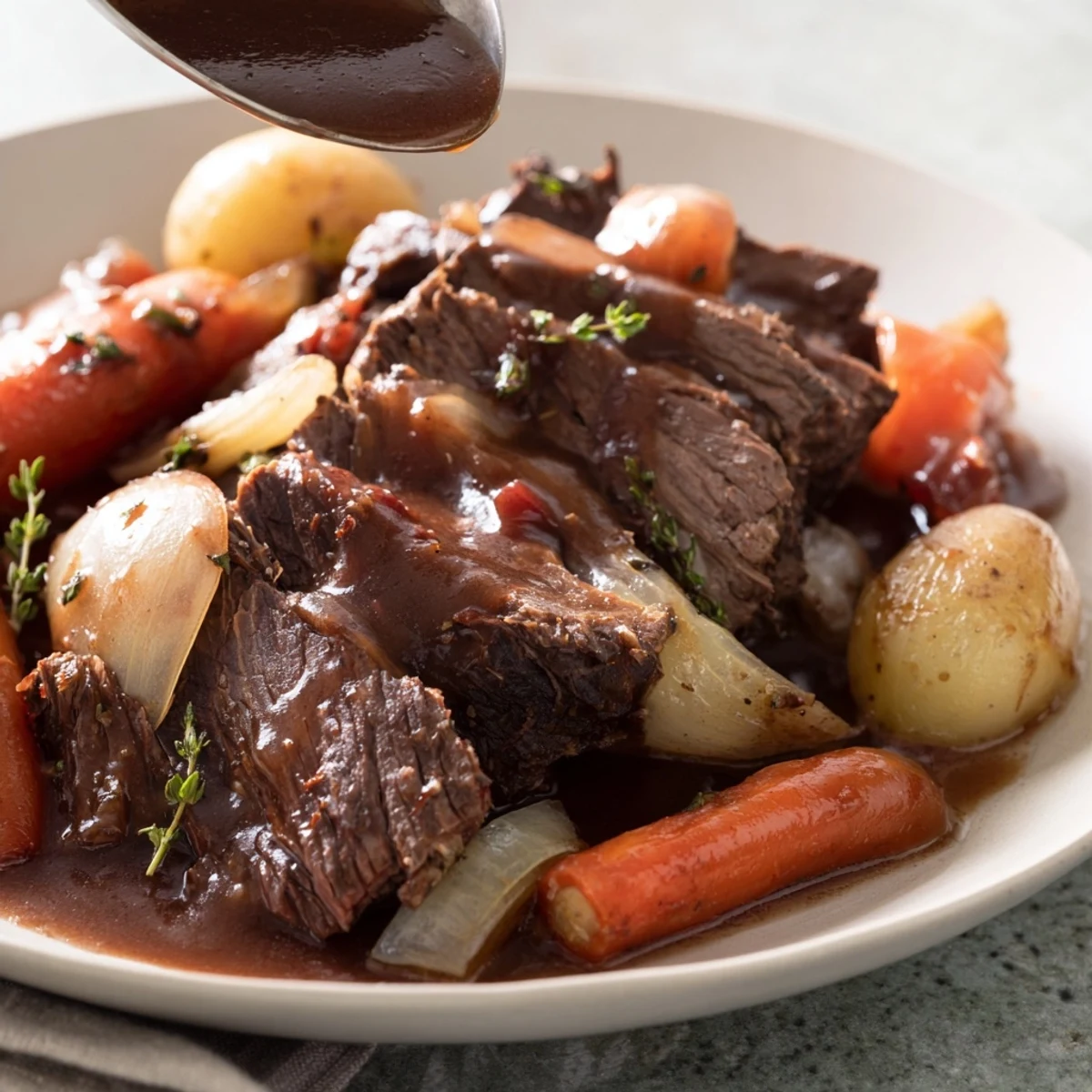
 This classic herb-braised beef chuck roast delivers meltingly tender meat and deeply comforting flavors through slow cooking. A 3-4 lb roast gets seasoned with salt and pepper, seared to golden perfection, then gently braised with onions, carrots, celery, garlic, beef broth, and red wine. Fresh thyme, rosemary, and bay leaves infuse the meat with aromatic depth while baby potatoes absorb the rich braising liquid.
The result is fork-tender beef that slices beautifully or shreds effortlessly, surrounded by tender vegetables in a savory sauce. Perfect served over mashed potatoes or creamy polenta, this hearty dish satisfies 6 people and naturally fits gluten-free diets. The hands-on preparation takes just 25 minutes before the oven does the work.
The house fills with that unmistakable braised beef smell around hour two, and suddenly Sunday afternoon feels complete. My husband wandered into the kitchen three different times asking if it was done yet, which is how I know this recipe works. Something about low and slow cooking with wine and herbs makes people gather around the stove, even when nothing is ready.
I made this for my parents last winter when they came to visit, and my dad actually went back for thirds. He's not someone who talks much about food, but he kept mentioning how the sauce reminded him of his grandmother's cooking. That's the power of braising with fresh herbs and red wine.
Ingredients
- Beef chuck roast: Chuck roast has perfect marbling for slow cooking, becoming meltingly tender while still holding its shape
- Kosher salt and black pepper: Season the meat generously before searing to build layers of flavor from the inside out
- Yellow onions, carrots, and celery: This classic trio creates a aromatic base that sweetens as it braises
- Garlic: Mince it fresh so it mellows into the sauce without becoming bitter
- Olive oil: You need enough oil to get a proper sear without burning
- Beef broth and dry red wine: The combination creates depth and richness that neither could achieve alone
- Tomato paste: This small addition adds body and subtle sweetness to the sauce
- Bay leaves, thyme, and rosemary: Fresh herbs make all the difference, infusing the sauce as it cooks
- Baby potatoes: Optional but worth it, they soak up all that flavorful braising liquid
Instructions
- Season and prepare:
- Preheat your oven to 325°F and pat the beef completely dry with paper towels before rubbing it all over with salt and pepper
- Sear the beef:
- Heat olive oil in your Dutch oven over medium-high heat until shimmering, then brown the roast on every side until deeply caramelized, about 3 to 4 minutes per side
- Build the vegetable base:
- Add onions, carrots, and celery to the pot, cooking until softened and golden at the edges, then stir in garlic for just one minute until fragrant
- Deglaze the pot:
- Stir in tomato paste and let it cook briefly before pouring in red wine and scraping up all those flavorful browned bits from the bottom
- Add the liquid and herbs:
- Pour in beef broth, add bay leaves, thyme sprigs, and rosemary, then return the roast to the pot along with any accumulated juices
- Braise slowly:
- Bring everything to a gentle simmer, cover tightly, and transfer to the oven for 3 hours, basting once or twice if you remember
- Finish and serve:
- Remove the herbs and let the meat rest for 10 minutes before slicing or shredding, then serve with vegetables and that incredible sauce
 Pin This
 My sister called me halfway through making this once, panicked that the house smelled too good and the beef wasn't even done yet. I told her that's exactly how it should be.
Making The Sauce Your Own
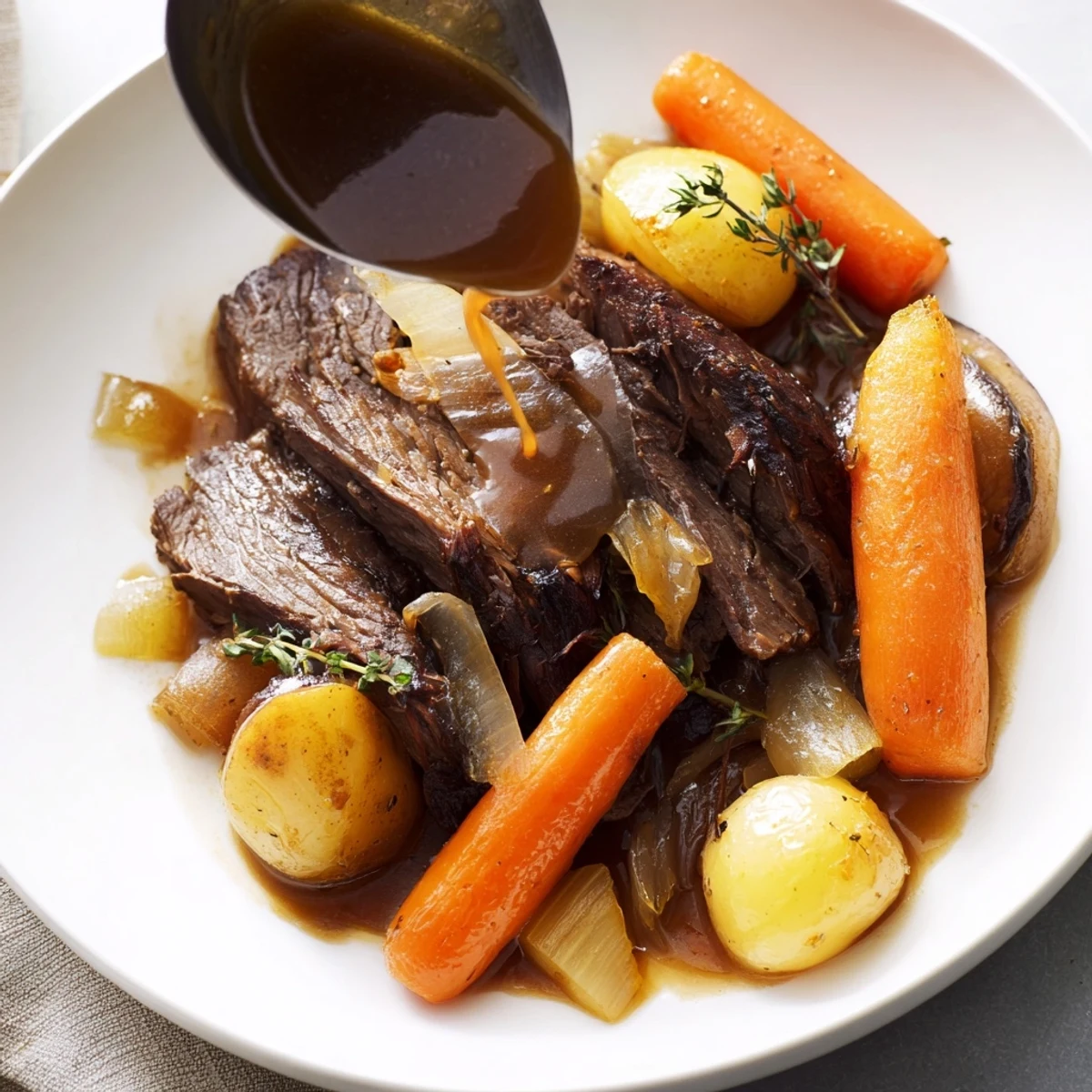
I've learned that everyone has an opinion about braising liquid thickness. My neighbor adds a slurry at the end, but I prefer simply simmering the sauce uncovered until it coats the back of a spoon. The reduction concentrates all those hours of flavor into something velvety and rich.
Getting That Perfect Sear
The searing step might feel like extra work, but those browned bits are worth every minute. I've skipped it before when I was rushing, and the sauce never develops quite the same depth. Get the oil hot enough that it shimmers but doesn't smoke, and don't move the meat until it releases easily.
Serving Suggestions That Work
Mashed potatoes are the classic choice for a reason, soaking up that incredible sauce. But creamy polenta works just as beautifully, especially on cold nights. I've even served this over buttered noodles when I needed something faster than mashed potatoes.
- Crusty bread is essential for sopping up extra sauce
- A simple green salad balances all that richness
- The same red wine you cook with makes the perfect pairing
 Pin This
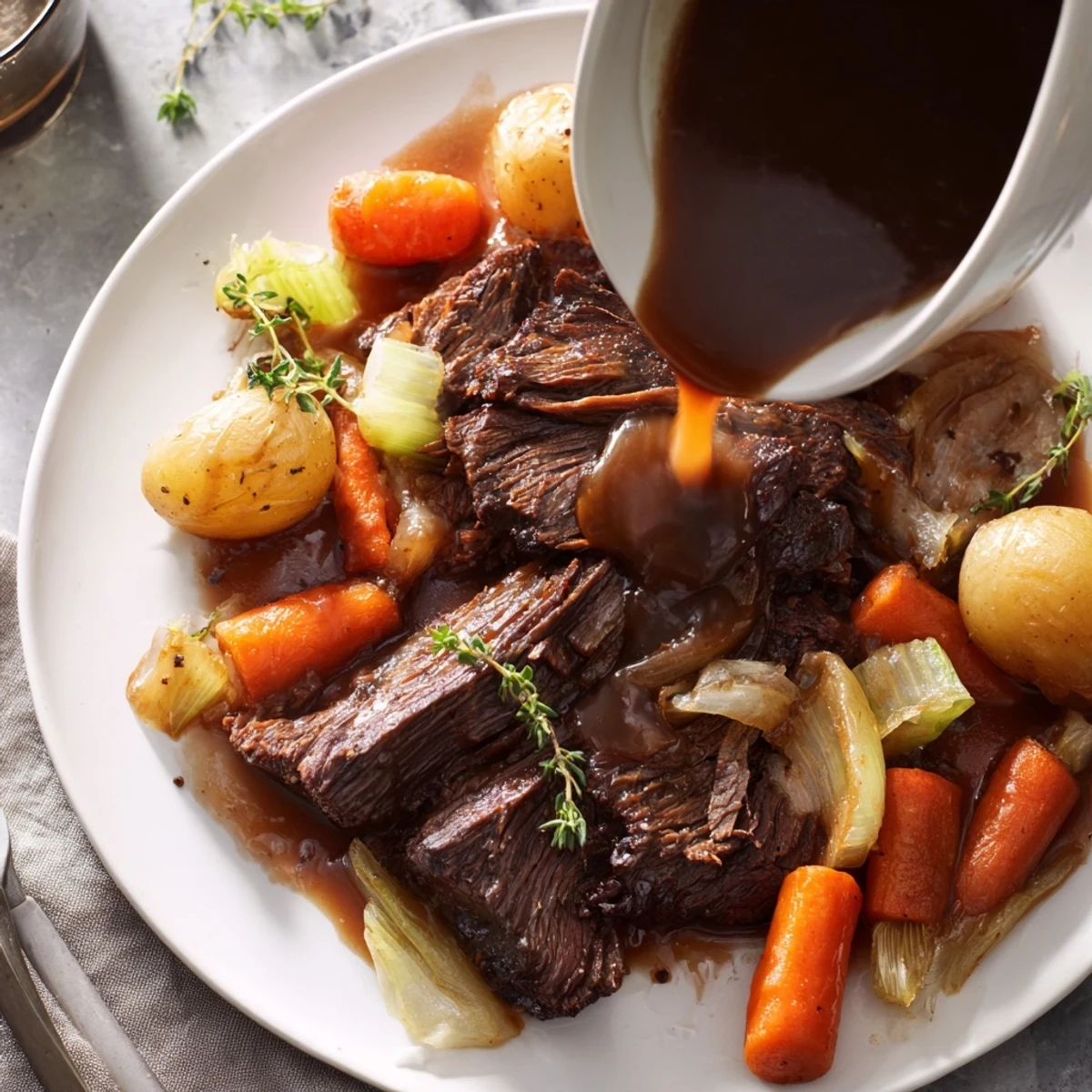
 There's something deeply satisfying about a recipe that rewards patience so generously. Good things really do come to those who wait.
Recipe FAQs
- → What cut of beef works best for braising?
-
Chuck roast is ideal for braising due to its rich marbling and connective tissue. The long, slow cooking process breaks down these fibers, transforming tough meat into fork-tender perfection while developing deep, savory flavor throughout.
- → Can I prepare this ahead of time?
-
Absolutely. In fact, braised beef often tastes better the next day as flavors meld and deepen. Prepare up to 2 days ahead, refrigerate in the cooking liquid, and gently reheat. The fat will rise to the top for easy removal before reheating.
- → What wine pairs well with this dish?
-
Choose a robust red wine you'd enjoy drinking, such as Cabernet Sauvignon, Merlot, or Zinfandel. The same wine used in cooking creates a beautiful flavor bridge. Serve slightly chilled to complement the rich, savory beef.
- → How do I know when the beef is properly braised?
-
Perfectly braised beef offers no resistance when pierced with a fork. The meat should easily shred or slice without crumbling. A visual check reveals deep, rich coloring and tender vegetables that yield to gentle pressure.
- → Can I make this without wine?
-
Certainly. Substitute additional beef broth or a combination of beef broth and balsamic vinegar for acidity. The herbs and vegetables still provide exceptional depth. Add a splash of red wine vinegar or lemon juice to brighten the flavors if desired.
- → What vegetables work well in the braise?
-
Classic trio onions, carrots, and celery form the aromatic foundation. Parsnips, turnips, or rutabaga add earthy sweetness. Baby potatoes become creamy and absorb the braising liquid. Add sturdy vegetables like these early, but delicate ones like peas in the last 15 minutes.