
 Pin This
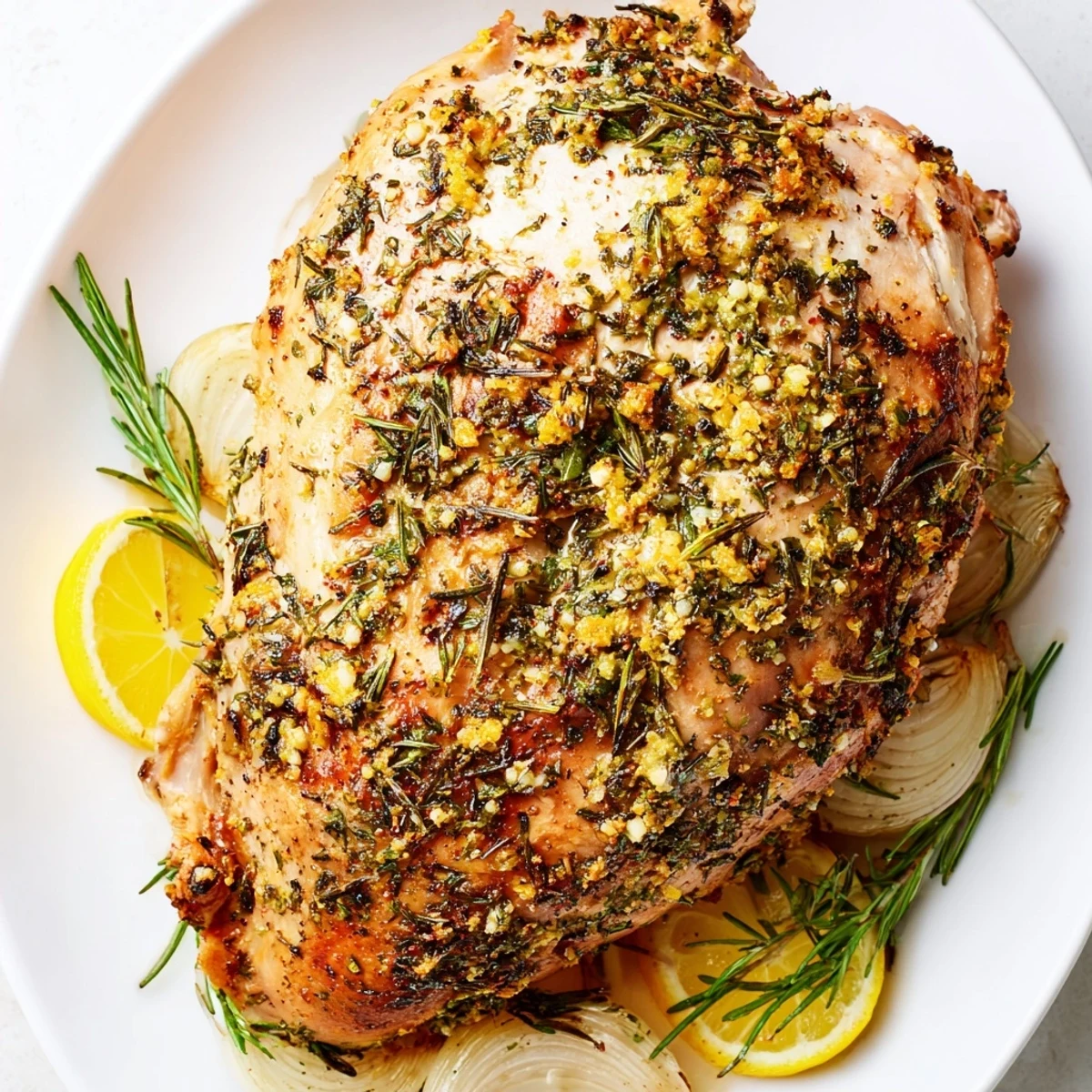
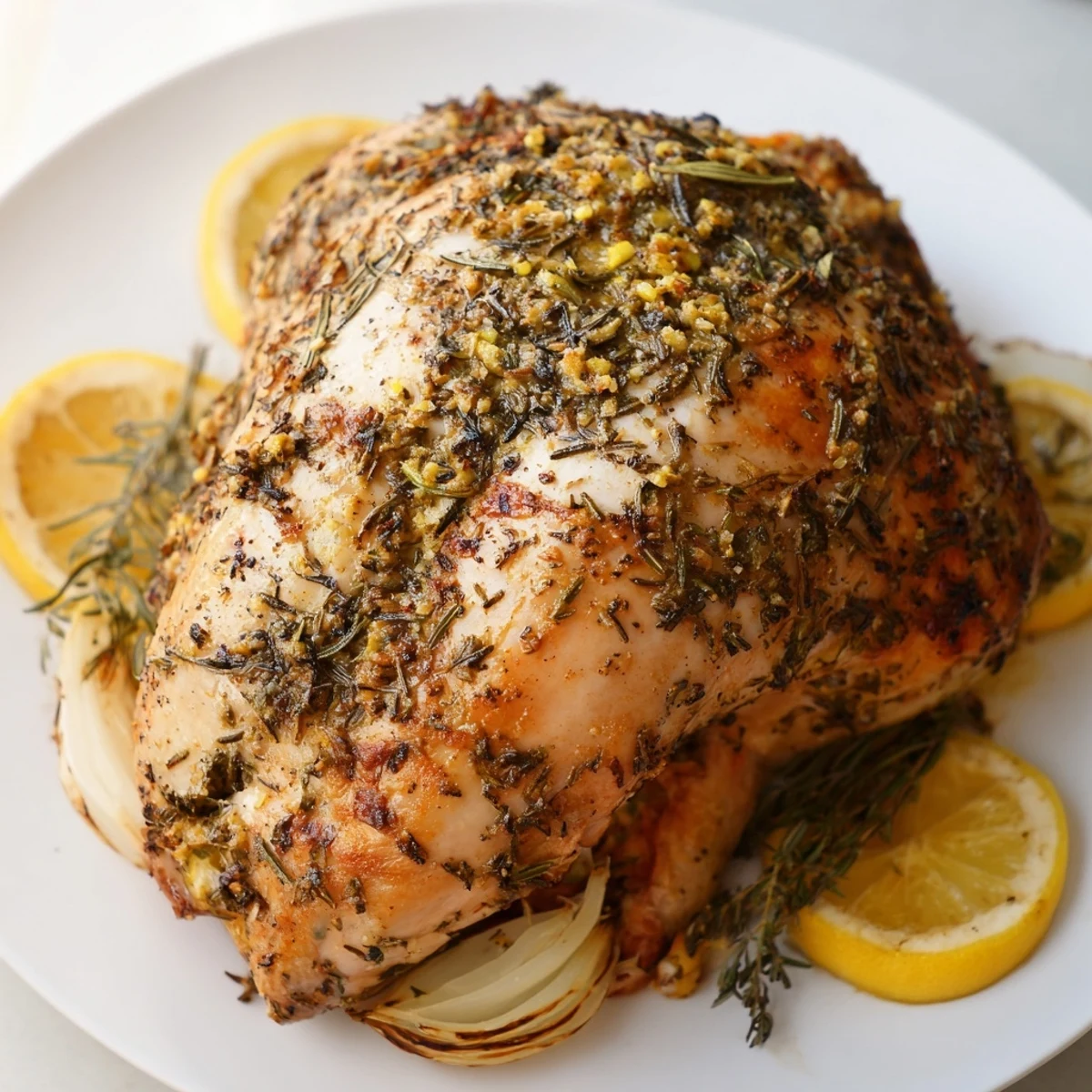
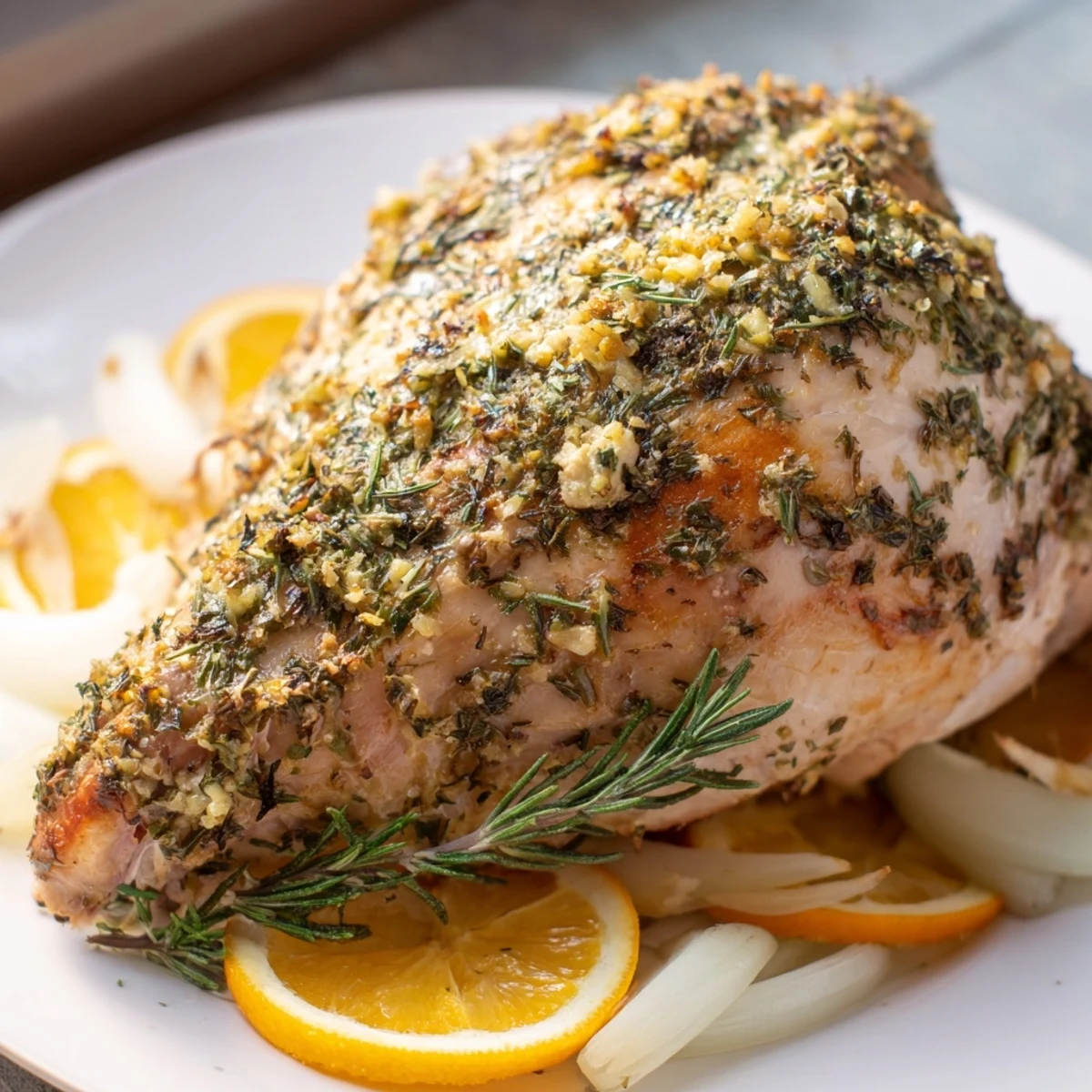
 This dish features a boneless turkey breast rubbed with a vibrant blend of fresh rosemary, thyme, sage, garlic, and lemon zest. The herbed turkey is roasted atop lemon and onion slices with chicken broth, which keeps it moist and flavorful throughout the cooking process. Resting the turkey after roasting allows juices to redistribute, resulting in a tender and aromatic centerpiece perfect for dinner occasions. Serve alongside roasted vegetables or potatoes for a balanced meal.
The first time I smelled rosemary and sage hitting hot olive oil, I was standing in my neighbor's cramped apartment kitchen watching her wrestle a turkey breast bigger than her roasting pan. She talked the whole time, never measuring anything, just rubbing herbs under the skin with the confidence of someone who had burned enough dinners to know exactly what worked now. That chaotic afternoon taught me more about trusting my hands than any cooking class ever could.
I made this for my sister the November she moved into a studio apartment with a oven that ran fifty degrees cold, and we sat on her floor eating slices with our fingers because she hadnt unpacked her plates yet. The lemon slices in the pan had caramelized into something almost candied, and we fought over them like kids.
Ingredients
- Boneless turkey breast with skin: The skin-on cut is non-negotiable here, it is your insurance policy against dry meat and the vehicle for all that herb flavor.
- Fresh rosemary, thyme, and sage: Chop them finely enough that they become paste-like when mixed with oil, woody stems will poke through the skin if you are lazy about it.
- Olive oil: Extra virgin carries too much bitterness here, use a mellow everyday oil that lets the herbs speak.
- Garlic: Mince it into almost a puree so it distributes evenly, nobody wants a aggressive garlic bite in one slice and none in the next.
- Lemon zest and slices: The zest goes under the skin for perfume, the slices go in the pan for acidity that keeps everything bright.
- Onion and chicken broth: These create a steamy aromatic bath that prevents the drippings from scorching and gives you liquid gold for basting.
Instructions
- Wake up your oven:
- Crank it to 375°F and give it a solid twenty minutes, a lukewarm oven is how you end up with rubbery skin and uneven cooking.
- Dry the bird:
- Pat every surface with paper towels until the skin feels almost tacky, moisture is the enemy of that crackling golden crust you are chasing.
- Make your herb paste:
- Work the oil into the chopped herbs with the back of a spoon until it looks like wet sand, this consistency helps it cling instead of sliding off.
- Get under the skin:
- Use your fingers to gently separate the skin from the meat, moving slowly so you do not tear holes, then massage half the paste directly onto the meat itself.
- Coat the outside:
- Rub the remaining paste all over the skin, getting into every crevice and fold, this is not the time for restraint.
- Build your roasting bed:
- Scatter lemon and onion slices across the pan bottom and pour in the broth, they will catch the drippings and keep the air in the oven humid.
- Position and roast:
- Set the turkey skin-side up on the rack and slide it into the middle of the oven, resist the urge to peek for the first thirty minutes.
- Baste with purpose:
- When you open the oven at the forty-five minute mark, tilt the pan and spoon those pooled juices over the skin, this is where the deep color comes from.
- Check for doneness:
- Insert your thermometer into the thickest part avoiding bone, 165°F means safe but 160°F and a ten minute rest gets you juicier meat.
- The waiting game:
- Tent loosely with foil and walk away, slicing too early floods your cutting board with juices that belong in the meat.
 Pin This
 Last Thanksgiving I carved this while my nephew stood on a stool asking why the meat was pink near the bone, and I got to explain carryover cooking to a six-year-old who mostly cared about whether there would be gravy. It was the first time I felt like I actually knew what I was doing.
The Broth Situation
I used to skip the basting step because it felt fussy, then I tasted turkey that had been basted against one that had not, and the difference was embarrassing. The pan juices reduce and concentrate into something almost glaze-like on the skin.
Resting Is Cooking
Those ten to fifteen minutes under foil are when the muscle fibers relax and reabsorb their juices, cut too soon and you will watch your work run across the board in a pool of disappointment.
What To Do With Leftovers
Cold slices straight from the fridge are underrated, but if you must reheat, do it low and slow with a splash of broth to bring back moisture.
- Shred into soup with the leftover bones for a second meal.
- Slice thin for sandwiches with good mustard and bitter greens.
- The carcass makes stock that will ruin you for store-bought forever.
 Pin This
 However you serve it, save a slice for tomorrow morning and eat it cold standing at the counter in your pajamas. Some things do not need to be improved.
Recipe FAQs
- → What herbs are used for seasoning the turkey breast?
-
Fresh rosemary, thyme, and sage are finely chopped and combined with garlic, salt, pepper, and lemon zest to create the herb mixture.
- → How do you keep the turkey breast moist while roasting?
-
Placing lemon and onion slices in the roasting pan along with chicken broth adds moisture and aromatics, while basting occasionally helps retain juiciness.
- → Can dried herbs be used instead of fresh?
-
Yes, dried herbs can be substituted—use about one tablespoon each of dried rosemary, thyme, and sage for similar flavor.
- → What internal temperature should the turkey breast reach?
-
The turkey breast should be roasted until it reaches an internal temperature of 165°F (74°C) for safe consumption.
- → How long should the turkey rest before slicing?
-
After removing from the oven, tent the turkey loosely with foil and let it rest for 10 to 15 minutes to allow the juices to redistribute.
- → What side dishes pair well with this herb roasted turkey?
-
Roasted vegetables or potatoes complement the herb roasted turkey well, making for a complete and balanced meal.