 Pin This
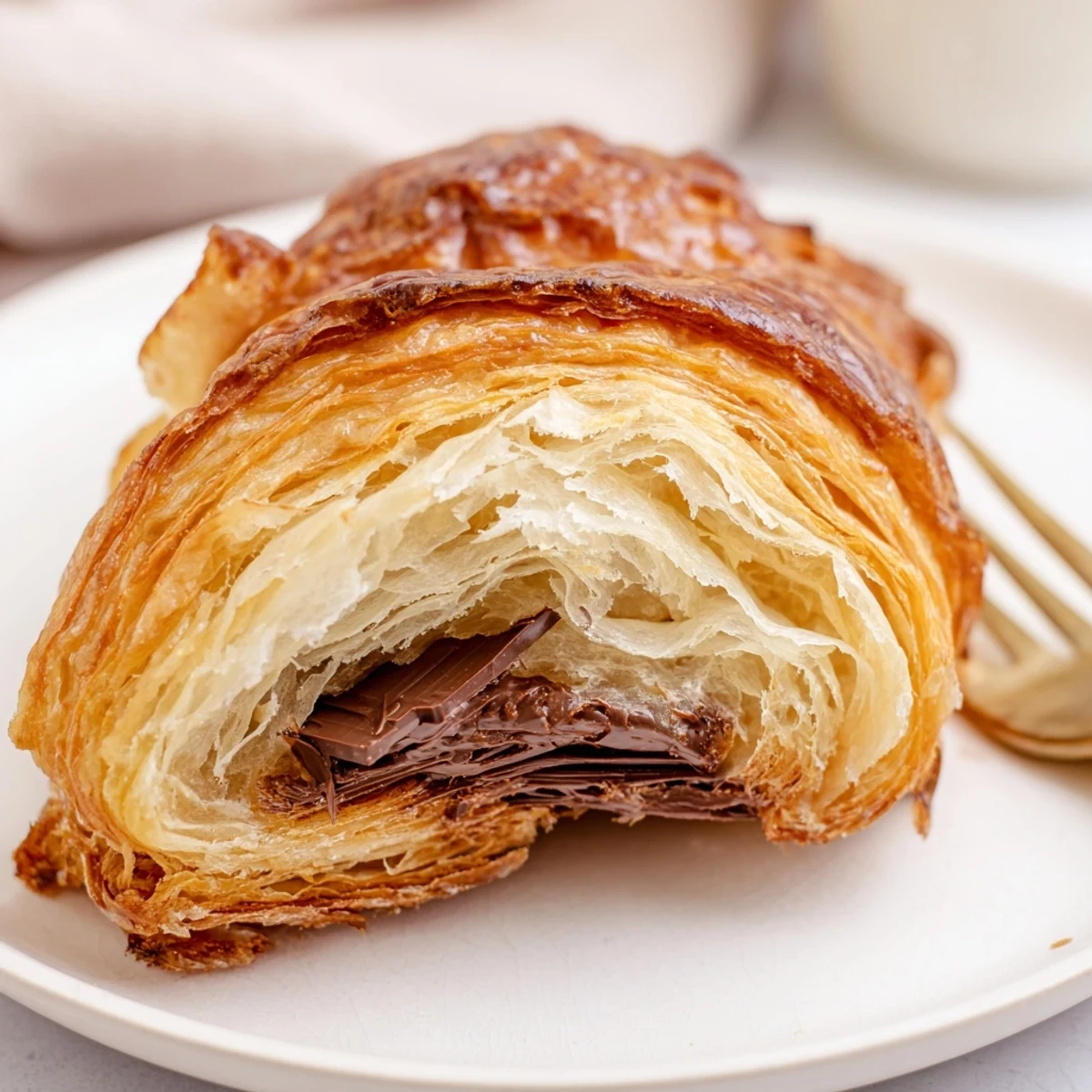
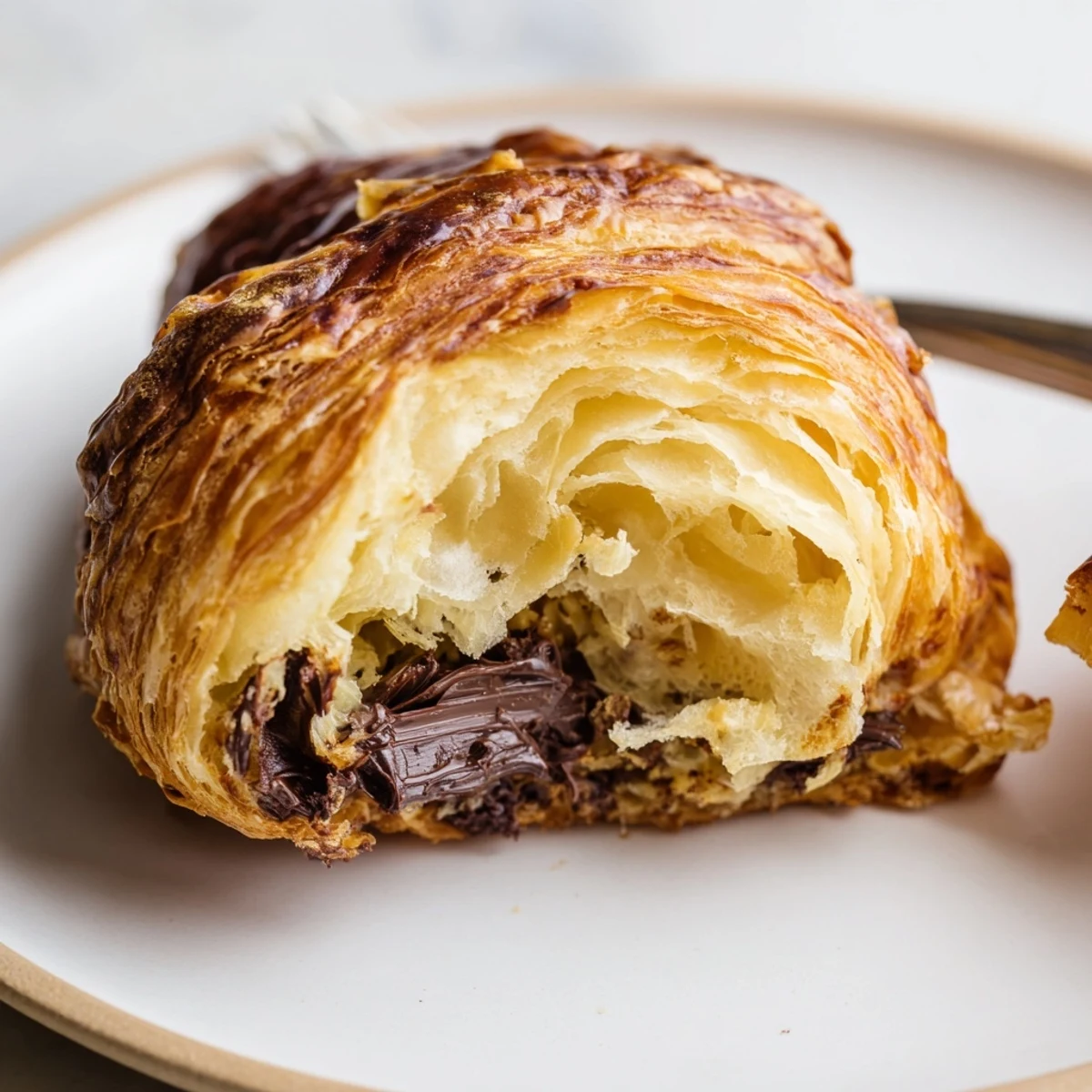
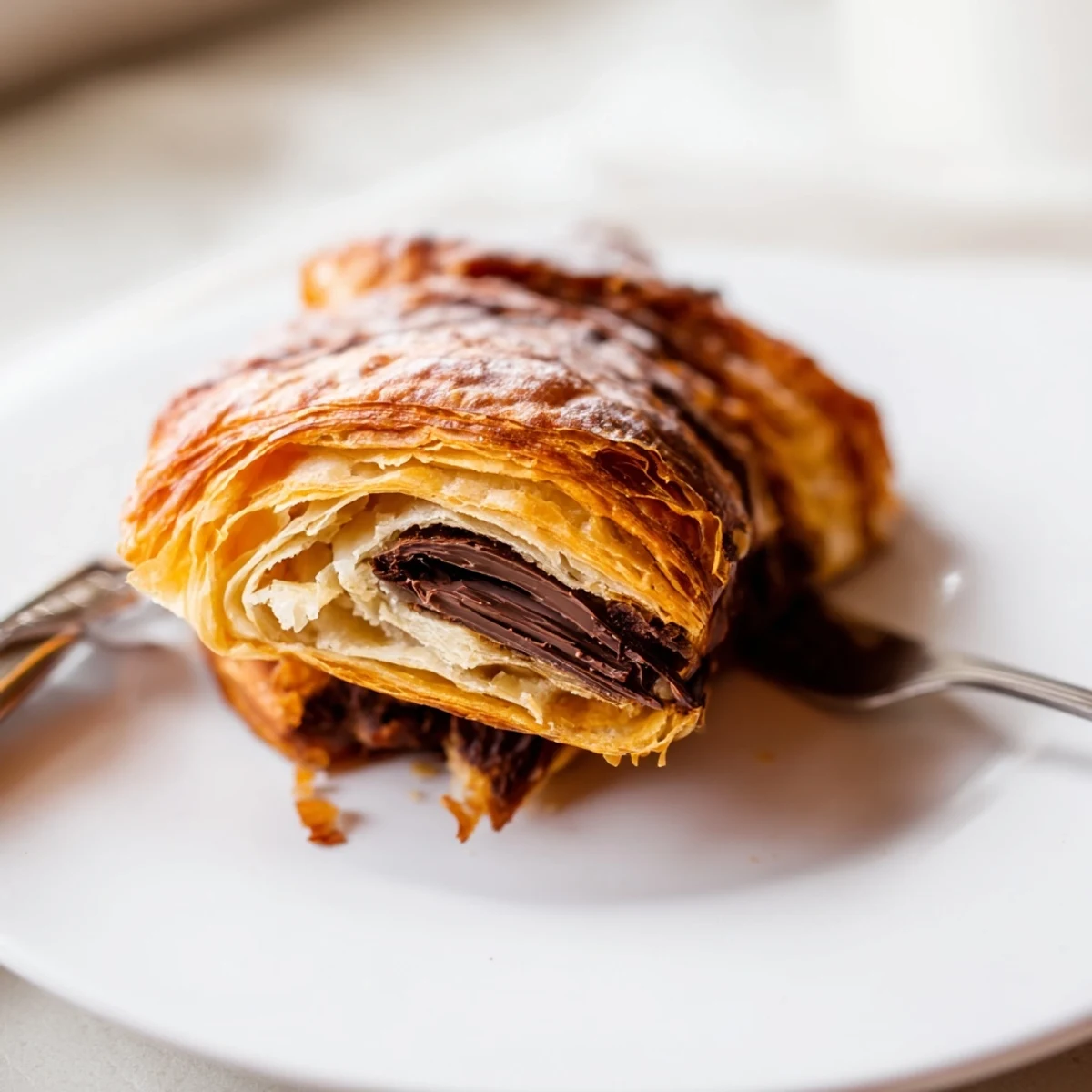
 These croissants feature a delicate, flaky dough layered with cold butter and filled generously with bittersweet chocolate. The process involves folding and chilling the dough multiple times to create signature layers. After shaping and proofing, they bake to a golden crisp, offering a rich and buttery flavor balanced by the deep chocolate interior. Perfect for breakfast or a special treat, these croissants pair wonderfully with coffee and can be frozen for convenience.
The smell of butter hitting a hot pan reminds me of my tiny apartment in Paris, where the neighbor's baking would drift through open windows. I tried making chocolate croissants once during that year, and the dough stuck to everything, my counter, my rolling pin, even my phone somehow. But when they emerged from the oven, flaky and impossibly tender, I understood why French bakers guard their laminating secrets fiercely. These croissants are worth every frustrating moment.
My sister came over last Christmas and we made these together, flour dusting everything we owned. We may have eaten three straight from the oven, burning our fingers because patience was impossible. Now she requests them every visit, and somehow they turn out better each time, probably because we laugh through the messy parts together.
Ingredients
- All-purpose flour: Bread flour gives extra structure but regular flour works beautifully for tender layers
- Active dry yeast: Dissolve it in warm milk first to wake it up, cold milk makes for sad sluggish dough
- Unsalted butter for laminating: European butter has less water content creating those legendary flaky separate layers
- Good-quality chocolate: Bittersweet balances the rich butter but semisweet works if you love sweeter mornings
- Whole milk: Fat content matters here, skim milk makes tough dough that fights back during rolling
Instructions
- Wake up the yeast:
- Dissolve yeast in lukewarm milk and let it foam for 5 minutes, this tiny bubble party means your dough will rise properly
- Make the dough:
- Mix flour, sugar, salt, and softened butter into the yeast mixture, then knead for 5-7 minutes until smooth and elastic
- First chill:
- Shape dough into a rectangle, wrap tightly in plastic, and refrigerate for 1 hour so it relaxes completely
- Prepare butter:
- Pound cold butter between parchment into a 6 x 8-inch rectangle, chilling if it gets too soft to handle
- Enclose butter:
- Roll dough into 10 x 14 inches, place butter on one half, fold dough over, and pinch edges to seal butter inside
- First fold:
- Roll gently into 10 x 20 inches, fold into thirds like a letter, wrap and chill for 30 minutes
- More folds:
- Repeat rolling and folding twice more, rotating 90 degrees each time and chilling 30 minutes between folds
- Shape croissants:
- Cut dough into 8 rectangles, place chocolate at one end, roll tightly into logs and arrange seam-side down on parchment
- Proof patiently:
- Cover loosely and let rise for 2 hours until puffy, they should wobble slightly when you move the pan
- Bake beautifully:
- Brush with egg wash, bake at 400°F for 18-20 minutes until deep golden, cool slightly before eating
 Pin This
 These became my go-to for housewarming gifts because people act like you performed magic. One friend actually asked where I bought them, and when I said homemade, she looked at me like I had revealed a secret superpower. They freeze beautifully too, so I always keep a stash for unexpected weekend guests.
Getting The Right Temperature
Dough temperature matters more than most recipes admit. If your kitchen runs hot, work quickly and chill more often. Cold butter creates distinct separate layers while warm butter melts into the dough, leaving you with dense brioche instead of flaky croissants.
Rolling Techniques
Use even pressure when rolling, letting the weight of the pin do most of the work. Pressing too hard forces butter out the edges. Work from the center outward, rotating the dough frequently to maintain rectangular shape without overworking any one section.
Make Ahead Strategy
Freeze unbaked croissants after shaping on a baking sheet until solid, then transfer to bags. Thaw overnight in the refrigerator, proof in a warm spot until puffy, and bake fresh. They taste just as good as day-of baking.
- Wrap frozen croissants tightly to prevent freezer burn which affects texture
- Proof frozen croissants longer than fresh ones, sometimes up to 3 hours
- Add 2-3 minutes to baking time if croissants are still slightly frozen in center
 Pin This
 Some mornings deserve extra effort, especially when chocolate and butter are involved. These croissants turn ordinary coffee into something you want to linger over.
Recipe FAQs
- → How do I achieve the flaky layers in the croissants?
-
Folding and chilling the dough with cold butter in multiple turns creates the delicate, flaky texture by forming thin buttery layers within the dough.
- → What type of chocolate works best for filling?
-
High-quality bittersweet or semisweet chocolate provides a rich flavor that balances the buttery dough perfectly.
- → Can these croissants be frozen before baking?
-
Yes, unbaked shaped croissants freeze well for up to one month. Thaw overnight and proof before baking for best results.
- → What is the ideal proofing time before baking?
-
Allow the croissants to rise at room temperature for about two hours until they become puffy and nearly double in size.
- → How should I store baked croissants to maintain freshness?
-
Store cooled croissants in an airtight container at room temperature for up to two days or freeze for longer storage.