
 Pin This
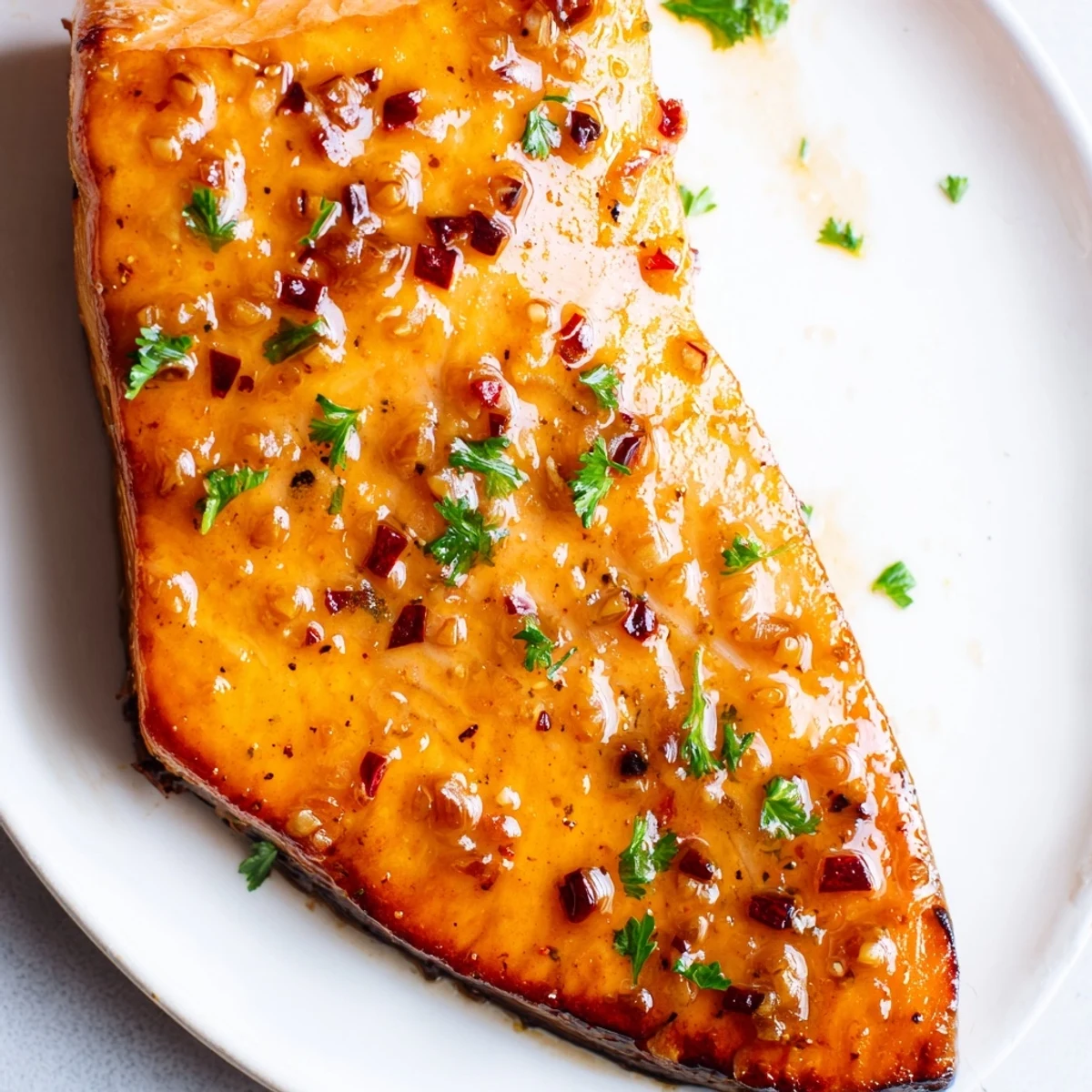
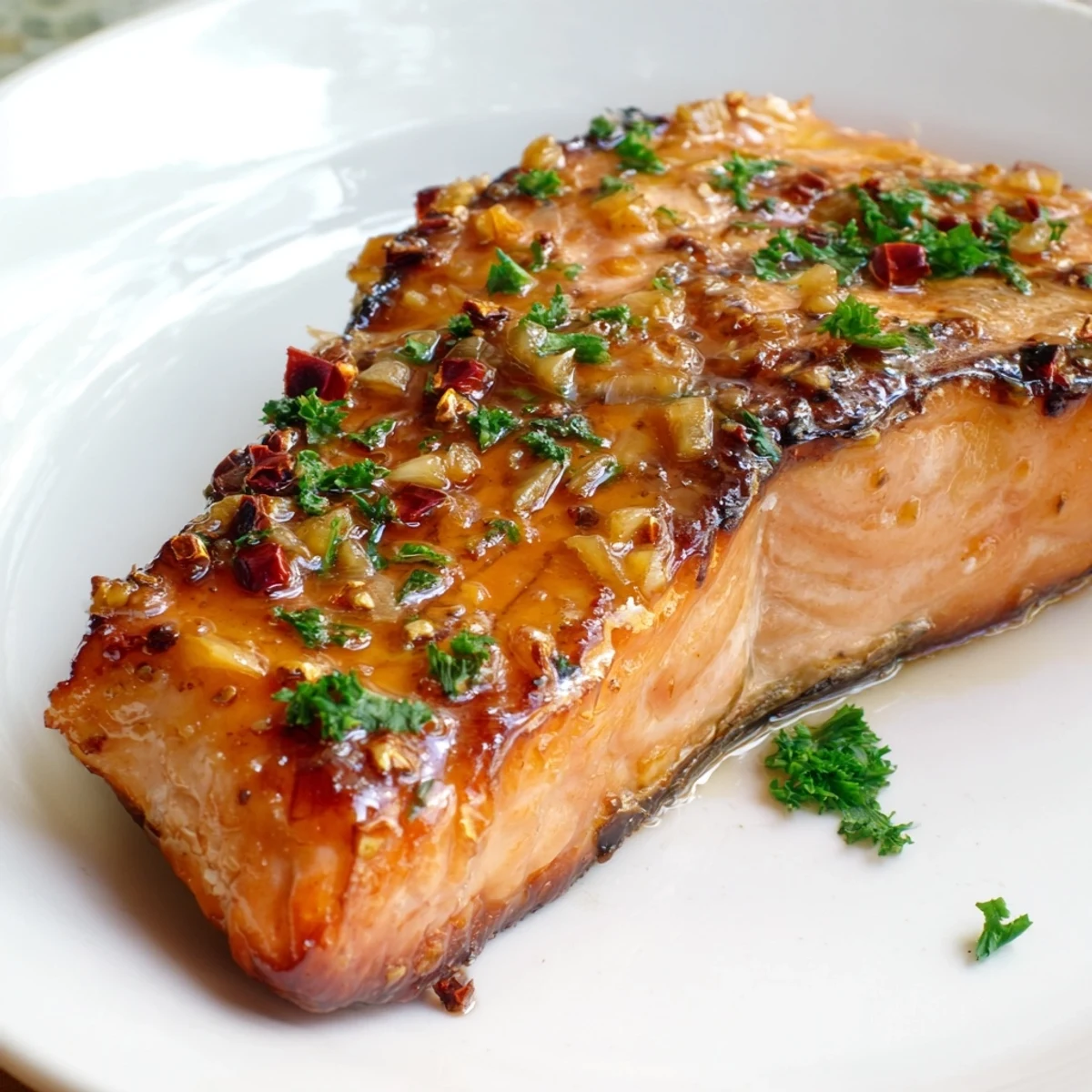
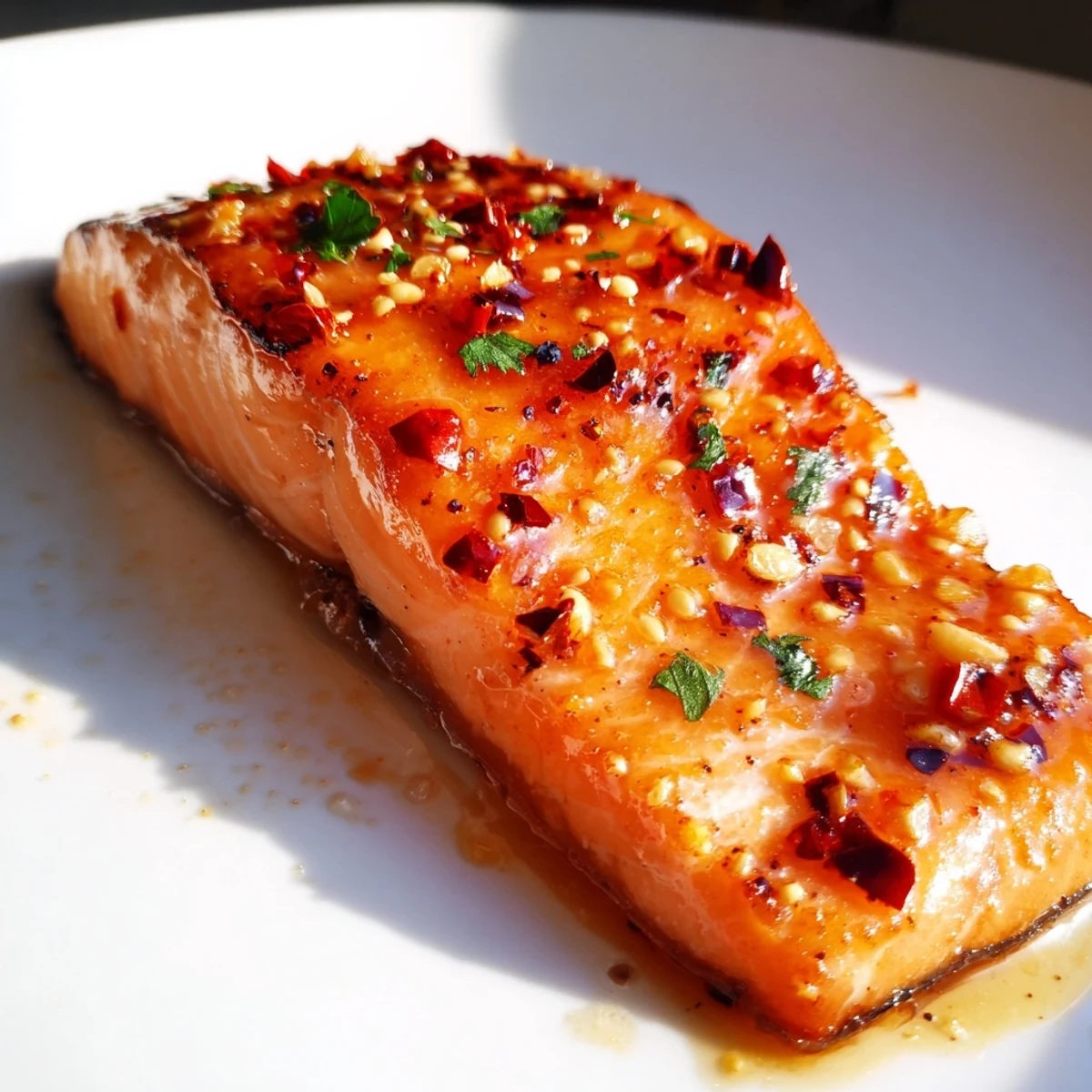
 These salmon steaks are tender and flavorful, coated in a sweet and savory honey garlic glaze. The simple broiling method caramelizes the glaze, enhancing the natural richness of the fish. The combination of honey, soy sauce, lemon juice, and garlic provides a delightful balance of sweetness, acidity, and umami. Garnished with fresh parsley and lemon wedges, this dish offers a quick and elegant main course suitable for pescatarian diets. It pairs wonderfully with steamed rice or roasted vegetables.
I wasn't planning to cook salmon that Tuesday evening, but the fish counter had these thick, glistening steaks that looked too good to pass up. I'd been craving something quick but impressive, and a jar of honey sitting on my counter practically whispered the solution. Twenty-five minutes later, I was scraping caramelized glaze off the pan with my fork, wondering why I'd ever bothered with complicated marinades.
The first time I made this for friends, I panicked halfway through because the glaze seemed too thin. I brushed it on anyway, muttering doubts, but the broiler worked its magic and transformed that glossy liquid into a lacquered coating that had everyone quiet for the first three bites. One friend asked if I'd taken a cooking class, and I just smiled and said the salmon did all the work.
Ingredients
- Salmon steaks: Thicker cuts hold up beautifully under high heat and stay moist in the center; look for bright, firm flesh and avoid any fishy smell.
- Salt and black pepper: Just enough to wake up the natural flavor without competing with the glaze.
- Honey: It caramelizes faster than sugar and adds a floral sweetness that balances the salty soy; wildflower or clover both work perfectly.
- Soy sauce: The salty, savory backbone of the glaze; low-sodium works if you're watching salt, but I prefer the full-flavored kind.
- Fresh lemon juice: Brightness is everything here; bottled juice tastes flat compared to a freshly squeezed lemon.
- Garlic: Minced fine so it melts into the glaze and perfumes the whole kitchen as it broils.
- Olive oil: Helps the glaze cling and adds a silky richness.
- Crushed red pepper flakes: Optional, but a pinch adds a gentle warmth that makes the sweetness more interesting.
- Fresh parsley and lemon wedges: A handful of green and a squeeze of citrus at the end make the dish feel complete and vibrant.
Instructions
- Set up the broiler:
- Preheat your broiler to high and line a baking sheet with foil, then give it a light coat of oil. This keeps cleanup easy and prevents the glaze from welding itself to the pan.
- Season the salmon:
- Pat the steaks dry with paper towels, season both sides with salt and pepper, and arrange them on the prepared sheet. Dry fish browns better and doesn't steam under the broiler.
- Mix the glaze:
- Whisk together honey, soy sauce, lemon juice, garlic, olive oil, and red pepper flakes in a small bowl until smooth. It should smell sweet, tangy, and a little pungent from the raw garlic.
- First glaze and broil:
- Brush half the glaze over the salmon, coating each steak evenly, then slide the pan under the broiler about six inches from the heat. Let it cook for six minutes without touching it.
- Second glaze and finish:
- Pull the pan out, brush on the remaining glaze, and return it to the broiler for another six to eight minutes. The edges should turn golden and sticky, and the thickest part should register 145 degrees Fahrenheit.
- Garnish and serve:
- Transfer the salmon to plates, scatter parsley over the top, and tuck lemon wedges alongside. Serve immediately while the glaze is still glossy and warm.
 Pin This
 I remember serving this to my skeptical brother who claimed he didn't like salmon unless it came from a sushi bar. He finished his steak, eyed the pan, and asked if there was more glaze to spoon over rice. That's when I knew this recipe had earned its place in my rotation.
How to Know When It's Done
The salmon should flake easily with a fork but still look slightly translucent in the very center when you peek between the layers. An instant-read thermometer takes the guesswork out; aim for 145 degrees Fahrenheit at the thickest part. If you prefer your salmon more on the medium side, pull it at 135 degrees and let carryover heat finish the job.
Make-Ahead and Storage
You can whisk the glaze together up to two days ahead and keep it in the fridge, which actually gives the garlic time to mellow and blend. Leftover cooked salmon keeps for three days in an airtight container and tastes great cold over salad or flaked into grain bowls. Reheat gently in a low oven or enjoy it chilled to avoid drying it out.
Serving Suggestions and Pairings
This salmon feels at home next to steamed jasmine rice, roasted asparagus, or a pile of garlicky green beans. I've also served it over sautéed spinach with a spoonful of the pan glaze drizzled on top, and it felt like a restaurant dish. A crisp Sauvignon Blanc or a dry Riesling cuts through the sweetness and complements the caramelized edges beautifully.
- Try it with quinoa or couscous if you want something lighter than rice.
- A cucumber salad with rice vinegar adds a cool, crunchy contrast to the rich glaze.
- Leftovers make an excellent filling for tacos with shredded cabbage and a squeeze of lime.
 Pin This
 This is the kind of recipe that makes you look like you know what you're doing, even on nights when you're winging it. It's become my go-to when I want something that feels special without the stress.
Recipe FAQs
- → What is the best way to broil the salmon steaks?
-
Place the salmon about 6 inches from the heat source and broil for 6 minutes, brush with glaze, then broil another 6-8 minutes until caramelized and cooked through.
- → Can I marinate the salmon before cooking?
-
Yes, marinating the salmon in the honey garlic glaze for up to 30 minutes enhances the flavor and tenderness.
- → What can I serve alongside the salmon steaks?
-
Steamed rice, roasted vegetables, or a crisp salad complement the sweet and savory flavors perfectly.
- → Is there a substitute for honey in the glaze?
-
Maple syrup can be used as a natural alternative to honey without compromising sweetness.
- → How do I know when the salmon is cooked properly?
-
The salmon is done when it reaches an internal temperature of 63°C (145°F) and has caramelized edges.