
 Pin This
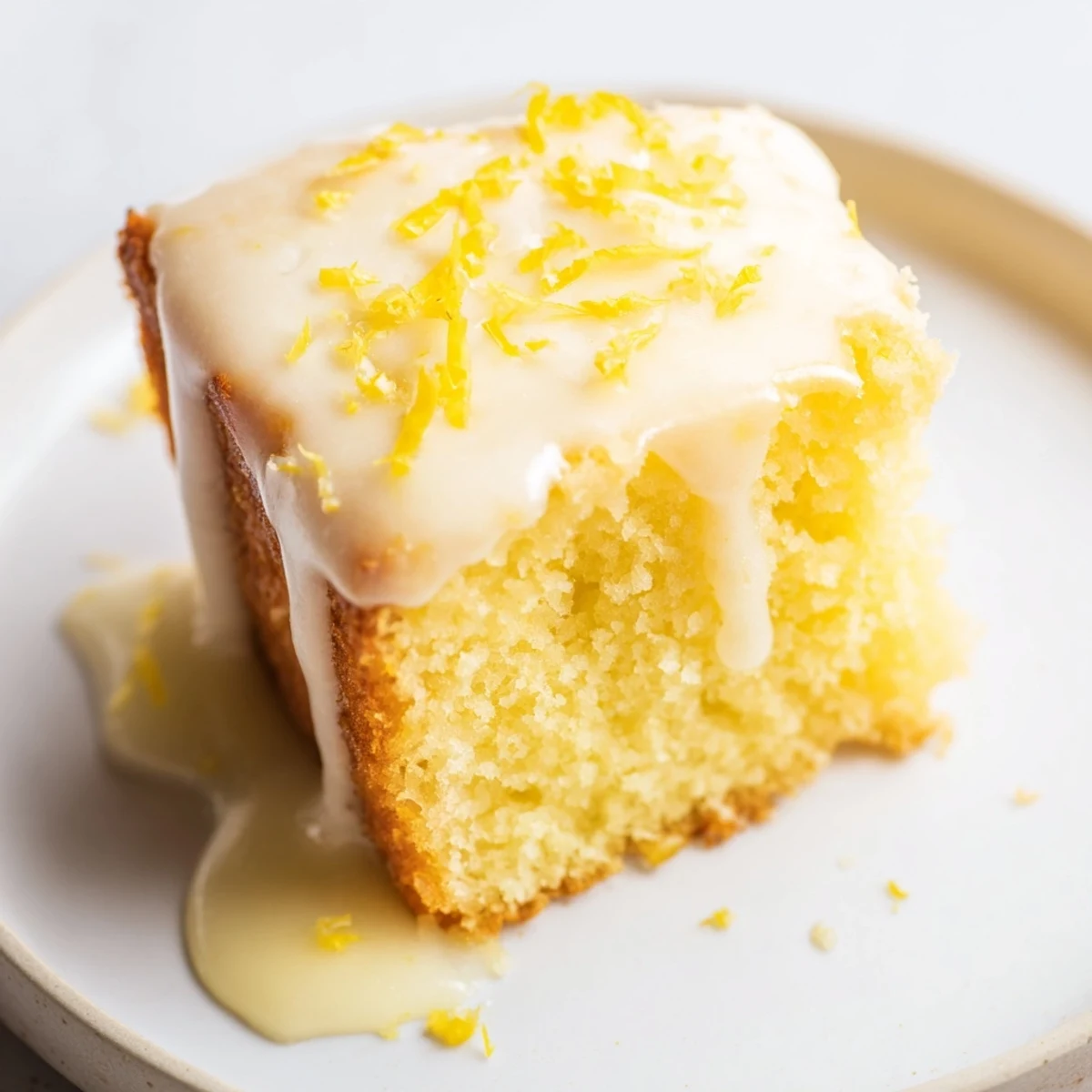
 This lemon cake slice is moist and tender, bursting with fresh lemon zest and juice for a bright tangy flavor. The batter combines flour, sugar, butter, and eggs to create a delicate crumb that bakes to golden perfection. After cooling, it’s topped with a smooth lemon glaze made from powdered sugar and fresh juice, adding a refreshing citrus finish. Ideal for serving at tea time or as a light dessert, this cake balances sweetness and acidity beautifully.
Preparation is simple and quick with common baking supplies, and it yields 8 satisfying slices. For extra punch, lemon extract or thin lemon slices can be added. Store in an airtight container to maintain freshness for up to three days.
There's something about the smell of lemon cake baking that makes an ordinary afternoon feel special. My neighbor brought one over on a grey Tuesday, and I realized in that moment how a simple slice could brighten things more than any sunny weather ever could. The combination of that sharp citrus and tender crumb became my answer to "what should I bake today?" It's the kind of cake that tastes fancier than it actually is, which is exactly why I make it constantly.
I made this for my mum's bridge club and watched four different women ask for the recipe within fifteen minutes of tasting it. That's when I knew it was a keeper—it's the kind of cake that gets people talking about citrus and butter and eggs in the middle of a card game, which somehow feels very civilized and very British all at once.
Ingredients
- All-purpose flour (1 cup): This is your cake's structure, so don't skip sifting it with the baking powder and salt—it makes the crumb finer and fluffier.
- Granulated sugar (1/2 cup): Creaming this with the butter is non-negotiable; it's where the lightness comes from, so really spend a couple of minutes on this step.
- Unsalted butter (1/2 cup, softened): Room temperature matters here more than you'd think—cold butter won't cream properly and you'll lose that tender texture.
- Eggs (2 large): They bind everything together and create that delicate crumb everyone loves; bringing them to room temperature helps them incorporate smoothly.
- Lemon zest (2 tbsp): This is where most of the lemon flavor lives, so don't be shy—zest those lemons generously and get every bit of that fragrant yellow.
- Fresh lemon juice (1/4 cup): Bottled juice works in a pinch, but fresh makes an obvious difference in the final cake and glaze.
- Milk (1/4 cup): This keeps the cake moist without weighing it down; whole milk gives the richest result.
- Baking powder (1 tsp): Your leavening agent, so measure carefully—too much and the cake tastes metallic, too little and it stays dense.
- Salt (1/4 tsp): Just a whisper to make the lemon flavor pop without tasting salty itself.
- Vanilla extract (1 tsp): A supporting player that rounds out the flavors without making itself known.
- Powdered sugar (3/4 cup): The glaze gets its sweetness and silky texture from this; sifting it first prevents lumps.
- Lemon juice for glaze (2–3 tbsp): Use your judgment here—3 tablespoons makes it tangier, 2 makes it sweeter; adjust to your taste.
Instructions
- Get your oven and pan ready:
- Preheat to 350°F and line your 8x8-inch pan with parchment paper so the cake lifts out cleanly later. This takes just a minute but saves frustration.
- Mix the dry ingredients:
- Whisk flour, baking powder, and salt together in a medium bowl and set aside. This distributes the leavening evenly so you get a tender, even crumb throughout.
- Cream the butter and sugar:
- In a large bowl, beat them together for 2–3 minutes until pale and fluffy, scraping the bowl occasionally. This aeration is what makes the cake light, so don't rush it.
- Add the eggs and zest:
- Beat in the eggs one at a time, then add the lemon zest, juice, and vanilla; mix until everything is well combined and looks smooth. The zest will give the batter a beautiful speckled appearance.
- Combine wet and dry gently:
- Alternate adding the flour mixture and milk, starting and ending with flour, and mix until just barely combined—overmixing develops gluten and makes the cake tough. You're going for a thick batter that's just come together.
- Bake until golden and set:
- Pour into the pan, smooth the top, and bake 28–32 minutes until a toothpick inserted in the center comes out clean. The cake will smell incredible and the top should be pale golden.
- Cool with patience:
- Let it rest in the pan for 10 minutes, then turn it out onto a wire rack to cool completely. This prevents the crumb from breaking and lets the glaze set evenly.
- Make the glaze:
- Whisk powdered sugar and lemon juice until smooth and pourable—it should be thin enough to drizzle but thick enough to cling to the cake. If it's too thick, add another half teaspoon of juice.
- Finish and serve:
- Drizzle the glaze over the cooled cake and let it set for a few minutes, then slice into eight squares. The contrast of tart glaze and tender cake is what makes this feel special.
 Pin This
 I remember my daughter coming home from school on the first day of spring and the smell of this cake baking was the first thing to greet her—before homework, before complaints about the day. She sat down with a slice and a glass of milk and suddenly nothing else mattered. That's the magic of a really good lemon cake; it's not just dessert, it's a moment.
Why This Cake Works
The secret is the balance between the tang of fresh lemon and the sweetness of the sugar and glaze—neither one drowns out the other. The milk keeps it tender, the creamed butter makes it light, and the baking powder gives it just enough rise to feel impressive. It's a cake that looks like you fussed over it for hours but actually comes together in about twenty minutes of active work.
Storing and Serving Ideas
This cake stays moist and delicious in an airtight container for three days, which means you can bake it on a Tuesday and still have slices waiting for you on Thursday. It's stunning with afternoon tea, but equally good with a cup of coffee first thing in the morning or as an unexpected treat after supper.
Making It Your Own
The beauty of this recipe is how open it is to small tweaks that make it feel entirely yours. A few drops of lemon extract intensifies the flavor if you're a true citrus devotee, while a pinch of poppy seeds adds an unexpected texture. You could dust it with powdered sugar before serving instead of glazing it, or top with candied lemon slices for a fancy afternoon-tea presentation.
- For extra brightness, add a few drops of lemon extract to the batter alongside the vanilla.
- Thin lemon slices or a light scatter of zest on top makes it look like something from a bakery window.
- A tiny pinch of fresh rosemary in the batter adds a whisper of herbaceousness that deepens the lemon flavor.
 Pin This
 A slice of lemon cake is a small thing, but it's the kind of small thing that can change a day. I hope this becomes one of those recipes you make so often you stop measuring and start knowing.
Recipe FAQs
- → What gives the cake its moist texture?
-
The combination of softened butter, eggs, and milk helps create a tender and moist crumb in the cake.
- → How can I intensify the lemon flavor?
-
Adding lemon zest and fresh lemon juice in the batter, plus a drizzle of lemon glaze, ensures a bright citrus taste. A few drops of lemon extract can further enhance the flavor.
- → What is the best way to apply the lemon glaze?
-
Whisk powdered sugar with fresh lemon juice until smooth, then drizzle evenly over the cooled cake for a glossy, tangy finish.
- → Can this cake be made gluten-free?
-
Yes, substituting the all-purpose flour with a suitable gluten-free flour blend works well, but ensure it is suitable for baking.
- → How should the cake be stored to keep fresh?
-
Store the cake slices in an airtight container at room temperature for up to three days to maintain moisture and freshness.
- → What tools are needed to prepare this cake?
-
Essential tools include an 8x8-inch baking pan, mixing bowls, a whisk or mixer, spatula, parchment paper, and a wire rack for cooling.