
 Pin This
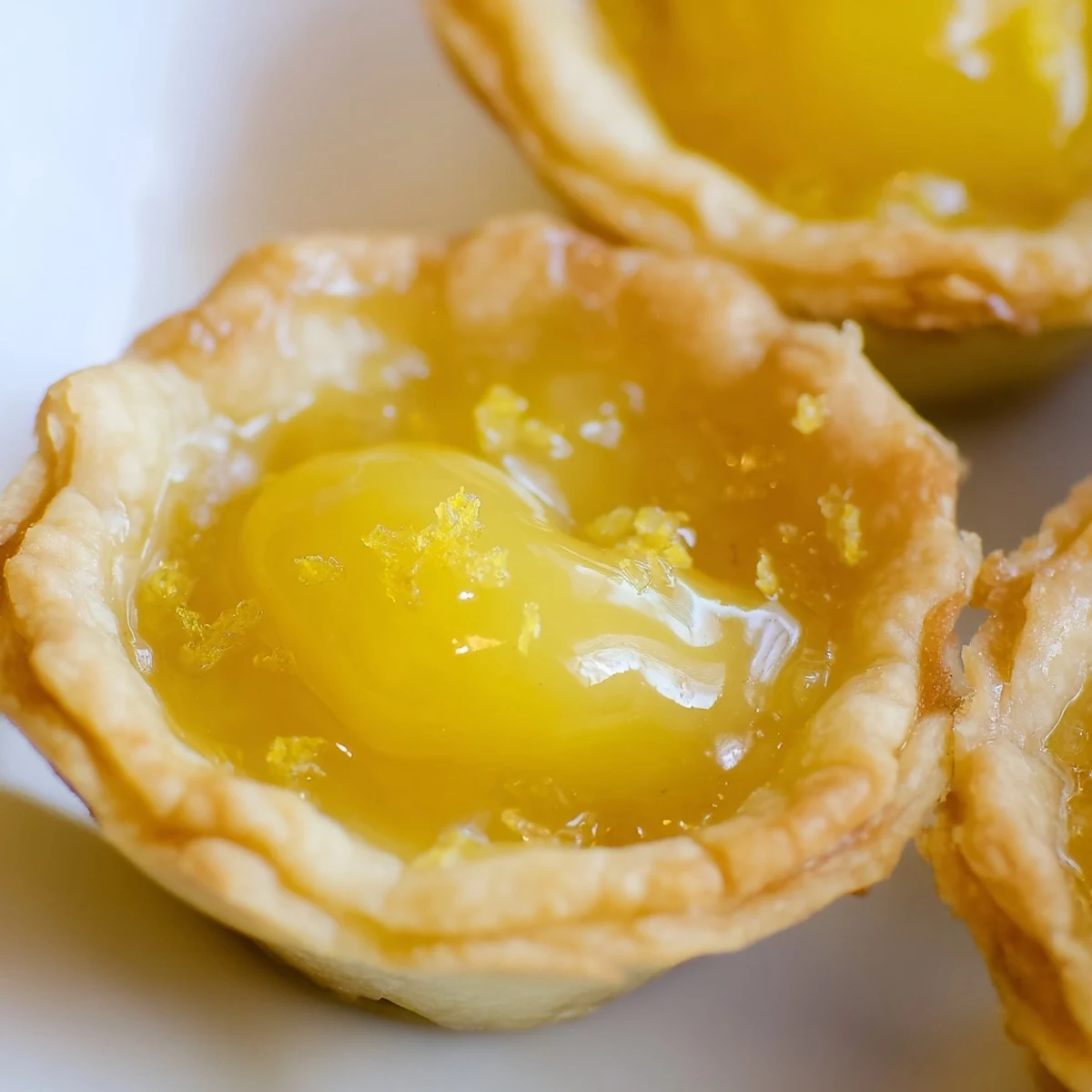
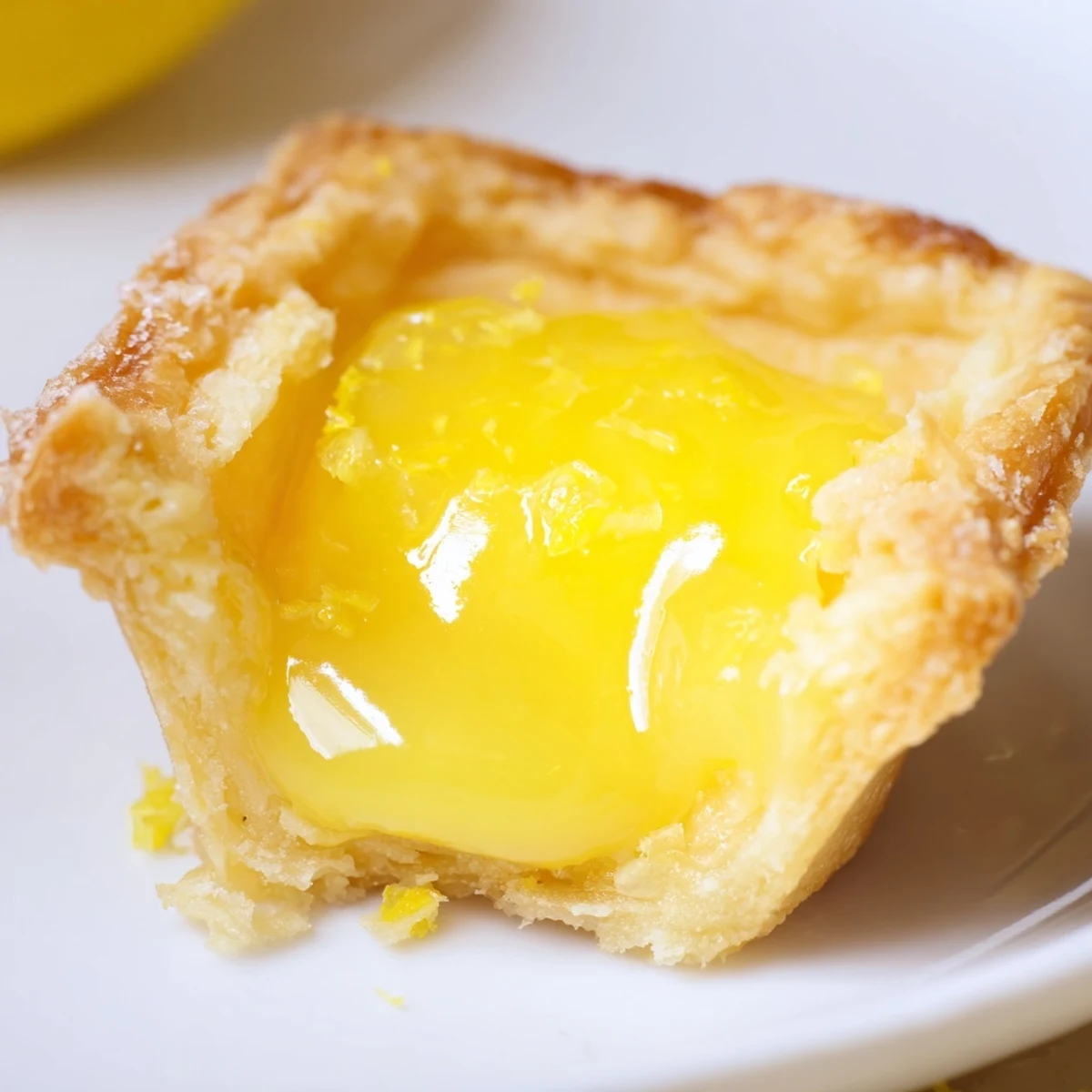
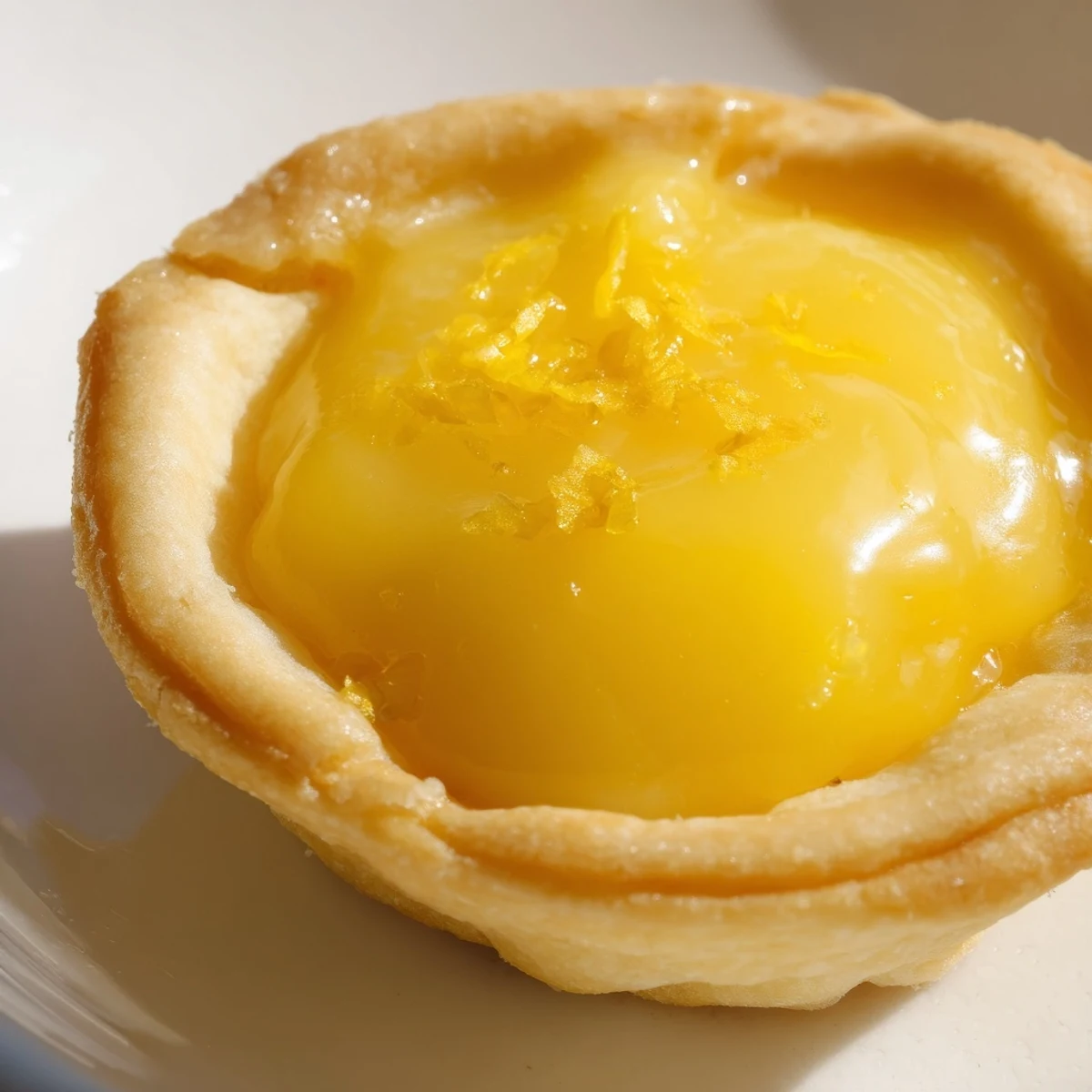
 These lemon curd tartlets offer a perfect balance of buttery, crisp pastry and silky, tangy lemon filling. Using a chilled dough base baked to golden perfection, each tartlet is then filled with smooth lemon curd cooked over a gentle double boiler to achieve creamy consistency. Ideal for serving chilled, these tartlets bring a refreshing citrus note balanced with a rich buttery crust. Great for dessert tables or light treats, they're easy to prepare and keep well refrigerated.
Enhance with fresh berries or a dusting of powdered sugar for an elegant touch. This medium-difficulty bake combines traditional methods with bright flavors, making it an inviting British-inspired sweet.
The first time I bit into a proper lemon curd tartlet, I understood why the British had built an empire partly on tea time. It was at a small bakery in London's Covent Garden, and the contrast between that crisp, buttery shell and the silky, pucker-inducing filling changed how I thought about desserts. Years later, I attempted to recreate that magic in my own kitchen, and what started as careful mimicry became something deeply personal—a dessert I now make whenever I need to remember that good things are worth the few extra steps.
I made these for my sister's engagement party, arranged on a tiered stand with fresh mint tucked between them. Someone's grandmother asked for the recipe, and that simple request made me realize these tartlets had stopped being just mine—they'd become something to pass along. She still sends me photos of hers every summer, and there's something generous about that exchange.
Ingredients
- All-purpose flour: The backbone of a tender crust; weigh it if you can, as measuring cups can pack it too densely and make pastry tough.
- Powdered sugar: Keeps the dough supple and adds a subtle sweetness that won't compete with the curd's brightness.
- Cold unsalted butter: Coldness is non-negotiable here—it creates those precious little air pockets that make pastry shatter instead of chew.
- Egg yolk: Binds everything together and gives the shell a pale, delicate crumb.
- Cold water: Just enough to bring the dough together; too much and you'll have a tough mess.
- Pinch of salt: A small thing that makes everything taste more like itself.
- Large eggs and egg yolks: The lemon curd's luxurious texture comes from this generous egg content; don't skimp or substitute.
- Granulated sugar: Dissolves cleanly into the curd without grittiness, creating that silk-like finish.
- Freshly squeezed lemon juice: Bottled juice tastes flat by comparison; the fresh kind brings acidity and life that makes this dessert memorable.
- Lemon zest: The moment you grate it, your kitchen fills with something like hope.
- Unsalted butter for the curd: Swirled in at the end, it rounds out the acidity and adds richness without drowning the lemon.
Instructions
- Prepare your pan and preheat:
- Position your oven rack at the middle and let it reach 350°F. While it's warming, lightly grease each cup of your tartlet pan—even non-stick benefits from this small gesture.
- Build the pastry foundation:
- Whisk together flour, powdered sugar, and salt in a bowl. Cut your cold butter into cubes, then work it in with your fingertips (or pulse in a food processor) until the mixture looks like breadcrumbs with pea-sized bits of butter still visible. These butter specks are where flavor and texture live.
- Bring the dough together:
- Make a small well in the center, add your egg yolk and a tablespoon of cold water, then stir gently with a fork until shaggy clumps form. Add more water, just a teaspoon at a time, if needed. The dough should come together when pinched, not be wet or sticky.
- Chill and rest:
- Turn the dough onto a lightly floured surface and knead it about six times—just enough to smooth it out. Wrap it in plastic wrap and refrigerate for at least 15 minutes; this allows the gluten to relax and the butter to stay cold and firm.
- Roll and shape:
- On a cool, floured work surface, roll the dough to about 1/8 inch thickness. Using a round cutter (or the rim of a glass), cut 12 circles slightly larger than your tartlet cups. Press each one gently into a mold, letting it rise just above the rim, then trim the excess with your fingers or a small knife.
- Blind bake:
- Prick the base of each shell with a fork to prevent puffing. Chill again for 10 minutes, then line each with a small square of parchment paper and fill with baking beans or rice. Bake for 12 minutes until the edges are just set, then carefully remove the beans and parchment. Return to the oven for another 5 to 7 minutes until pale golden and the bases feel dry to the touch.
- Cool the shells:
- Transfer the pan to a wire rack and let the pastry cool completely before handling—this is non-negotiable if you want them to hold their shape when you unmold them.
- Prepare the lemon curd base:
- In a heatproof bowl, whisk together the whole eggs, egg yolks, and sugar until pale and slightly frothy. Stir in the fresh lemon juice and zest until combined.
- Cook the curd gently:
- Set the bowl over (not touching) a pot of gently simmering water. Stir constantly and slowly with a heatproof spatula, scraping the bottom and sides of the bowl often. After about 8 to 10 minutes, the mixture will thicken and coat the back of a spoon—at that moment, remove it from the heat immediately to prevent scrambled eggs.
- Finish with butter:
- Add your cubed butter and stir until each piece melts into the warm curd, leaving you with something glossy and smooth. Strain the curd through a fine-mesh sieve if you want it perfectly silky, though a little texture from the zest is honest and good.
- Fill and chill:
- Once the pastry shells are completely cool, spoon or pipe the lemon curd into each one. Refrigerate for at least one hour before serving; this allows the flavors to marry and everything to set to the right consistency.
 Pin This
 The real turning point came when I stopped trying to make them look restaurant-perfect and just focused on getting them to taste right. A friend bit into one, closed her eyes for a second, and said, "This is the tartlet I've been dreaming about," and that small moment of being understood through food is why I keep making them.
Pastry Secrets Worth Knowing
Good pastry isn't mysterious—it's just cold butter, gentle handling, and time. I learned this the hard way after years of fighting my dough, wondering why it was tough or greasy. The turning point was when someone told me to think of pastry not as something to knead and overwork, but as something to treat with a light hand and respect. Once I stopped fussing with it, everything improved.
The Lemon Curd, Simply Put
Lemon curd is one of those recipes where you're actually just making a custard and letting citrus do the heavy lifting. The acidity in fresh lemon juice keeps everything balanced and bright, while the butter you add at the end gives it body without weighing it down. It's less about technique and more about watching for that moment when the mixture thickens—you'll feel it under your spoon, and that's when you stop.
Assembly and Storage
These tartlets are best filled no more than a few hours before serving, which keeps the pastry crisp and the contrast alive. If you're planning ahead, bake the shells days in advance and make the curd the day before, storing each in separate airtight containers. A light dusting of powdered sugar or a few fresh berries on top adds joy without complication.
- Refrigerate filled tartlets for up to three days in an airtight container, separating layers with parchment.
- You can prepare unfilled pastry shells up to a week in advance, stored in an airtight container at room temperature.
- Pair them with Earl Grey tea for a proper moment, or chilled Moscato if you're feeling more celebratory.
 Pin This
 These tartlets remind me that sometimes the best desserts are the ones where you can taste the care in every layer. They're worth making, and worth sharing with people you want to remember fondly.
Recipe FAQs
- → How do I prevent the pastry from shrinking during baking?
-
Chilling the dough before rolling and after lining the tart molds helps prevent shrinking. Also, pricking the base with a fork and using baking beans during blind baking keeps the pastry shape intact.
- → What is the best way to achieve smooth lemon curd?
-
Cooking the lemon curd gently over a double boiler while constantly stirring allows it to thicken without curdling, resulting in a silky texture.
- → Can I prepare the tartlets in advance?
-
Yes, the tartlet shells can be baked ahead, and the lemon curd chilled separately. Assemble shortly before serving for best texture.
- → What substitutions work well for the pastry butter?
-
Using cold, unsalted butter is recommended for flakiness, but high-quality margarine can be used as a substitute with slight texture differences.
- → How should I store leftover tartlets?
-
Store tartlets covered in the refrigerator for up to three days to maintain freshness and prevent the pastry from becoming soggy.
- → What drink pairs well with these tartlets?
-
A chilled Moscato or Earl Grey tea complement the citrus brightness and buttery notes of the tartlets perfectly.