
 Pin This
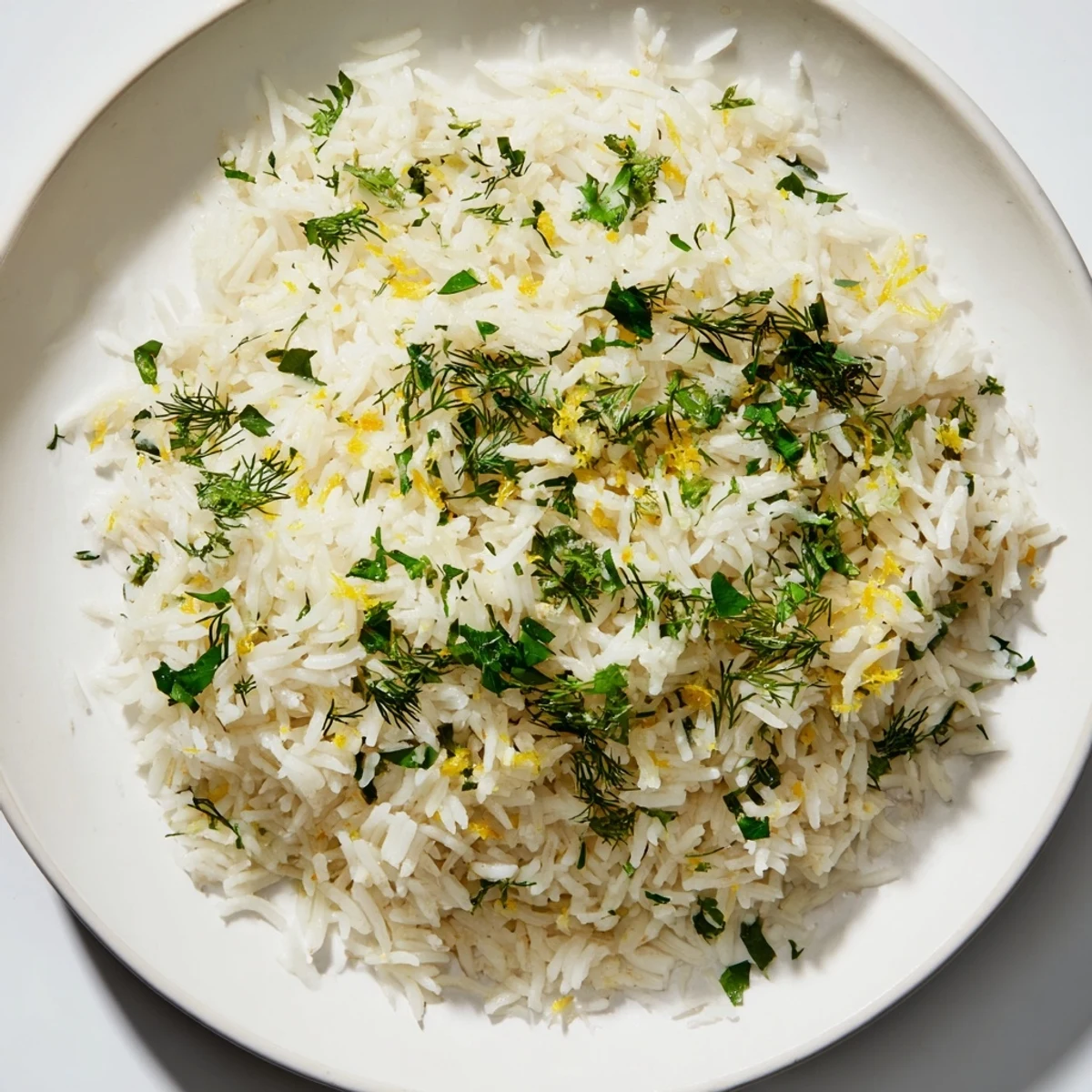
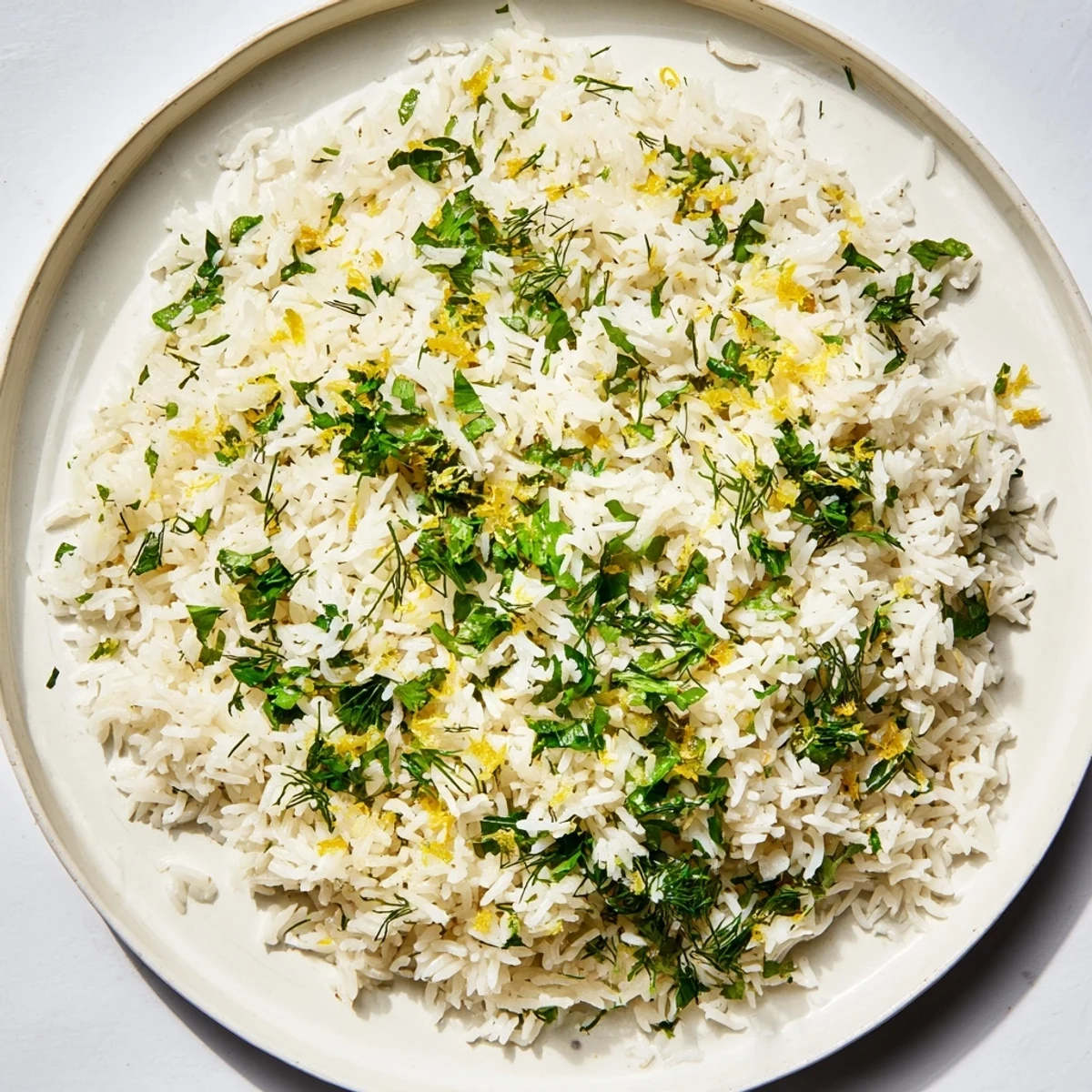
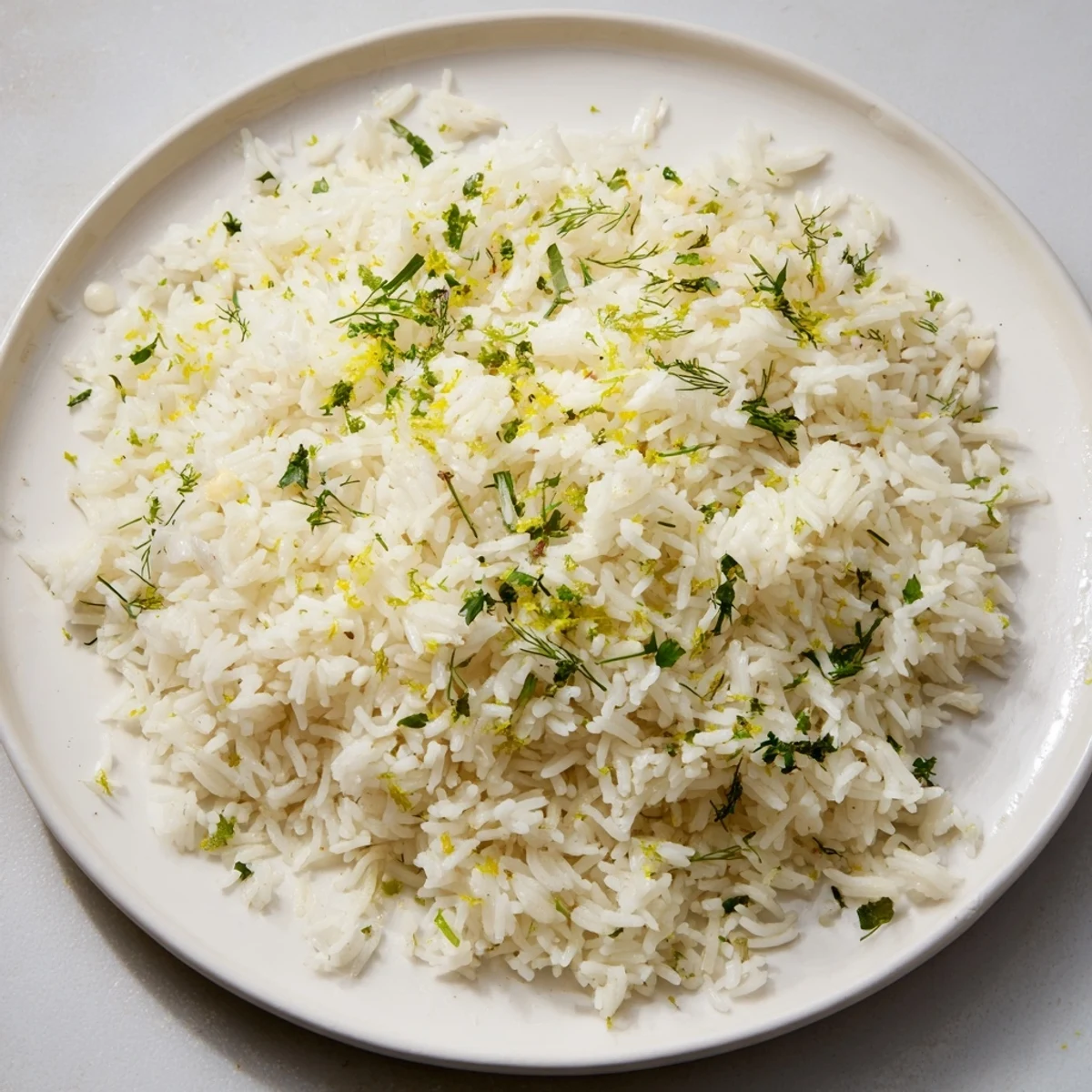
 This fragrant lemon herb rice is a light, fluffy side prepared by simmering long-grain rice with fresh garlic and olive oil. Once tender, it is enhanced with butter, fresh lemon zest, juice, and vibrant herbs like parsley, dill, and chives. Simple to make, it pairs beautifully with grilled meats or vegetables, bringing a bright, fresh element to your plate.
I'll never forget the first time I made lemon herb rice for my summer dinner party—I was nervous about getting the rice fluffy, but that bright, citrusy aroma filling my kitchen told me something wonderful was happening. My guests kept asking what made it taste so fresh and alive, and I realized it wasn't just one thing, but how the lemon, herbs, and careful technique came together in those final moments. Since then, this has become my go-to side dish whenever I want to turn a simple meal into something that feels intentional and special.
I remember cooking this for my partner on a warm evening when we were trying to eat lighter but didn't want to sacrifice flavor—watching their face light up at that first bite made me realize that food this simple, when done with care, becomes a moment worth remembering.
Ingredients
- Long-grain white rice (basmati or jasmine), 1 cup: The foundation of fluffy rice—long grains stay separate and don't clump together the way shorter varieties do
- Water, 2 cups: The exact ratio ensures perfectly cooked rice every time, though you can substitute vegetable broth for deeper flavor
- Olive oil, 1 tablespoon: Coats each grain and helps them stay distinct, while adding subtle richness
- Salt, 1/2 teaspoon: Enhances every flavor in the dish, but taste and adjust at the end
- Unsalted butter, 1 tablespoon: Stirred in at the end for a silky finish that brings everything together
- Lemon zest, from 1 lemon: The most important secret—this is where the real brightness comes from, more aromatic than juice alone
- Fresh lemon juice, 2 tablespoons: Adds tang and pulls all the flavors forward
- Fresh parsley, 2 tablespoons chopped: The workhorse herb that adds fresh, clean flavor without overwhelming
- Fresh dill, 1 tablespoon chopped (optional): My favorite touch—it adds an almost sweet, delicate herbaceousness
- Fresh chives, 1 tablespoon chopped (optional): A gentle onion whisper that rounds out the herb blend beautifully
- Garlic, 1 clove minced: Toasted in oil first, it builds a flavor foundation that carries through the whole dish
Instructions
- Rinse your rice until the water runs clear:
- Hold the rice in a fine-mesh strainer under cold running water, swirling gently with your fingers. This removes excess starch that would otherwise make your rice gummy and dense. Keep going until the water flowing through is clear—you'll feel the difference in the final texture.
- Toast the garlic in warm oil:
- Pour olive oil into your saucepan over medium heat and add the minced garlic. Let it sizzle for just about a minute until the kitchen fills with that wonderful toasted garlic smell. This one minute of patience transforms a simple side into something with real depth.
- Coat the rice and let it bloom:
- Add your rinsed rice to the garlic-infused oil and stir constantly for about 2 minutes. Every grain should glisten with oil—this protects each one and ensures they cook separately instead of sticking together.
- Add water and bring to a boil:
- Pour in your 2 cups of water and sprinkle in the salt. Bring everything to a rolling boil, listening for the sound to change from a gentle simmer to an eager bubble.
- Cover and let the rice cook gently:
- Once it's boiling, reduce heat to low, place the lid on top, and set a timer for 15 minutes. Resist the urge to peek—each time you lift the lid, steam escapes and throws off the cooking time. Trust the process.
- Rest the rice like it deserves:
- When the timer goes off, remove the pot from heat and keep the lid on for 5 more minutes. This resting period lets residual steam finish cooking any remaining water and allows the rice to set up into fluffy grains instead of a mushy mass.
- Fluff and finish with brightness:
- Use a fork to gently separate the grains, then stir in your butter, lemon zest, lemon juice, and all those fresh herbs. Do this gently so you don't break the grains—taste and adjust salt if needed. The transformation in that moment from plain rice to something aromatic and alive is pure kitchen magic.
 Pin This
 There was a moment during a family dinner when my grandmother took a bite of this rice and paused, then told me it reminded her of a little restaurant by the Mediterranean where she'd traveled as a young woman. Suddenly this simple side dish had become a bridge between us, between time and places, and I understood that the best food isn't just about technique—it's about carrying something forward.
The Secret to Fluffy Rice Every Time
The key lies in three things working together: starting with a proper rice-to-water ratio, using the gentlest heat after boiling, and resisting the urge to stir or check on it while it cooks. I learned this the hard way after years of opening the lid constantly, letting steam escape and ending up with partially cooked rice. Now I set a timer, step away, and trust the physics of steam and heat to do the work. The difference between mushy rice and fluffy, separated grains comes down to patience and that crucial resting period.
Making It Your Own
This rice is wonderfully flexible because the herb and citrus foundation is strong enough to support variations without losing its character. I've swapped in fresh basil and lime juice for a spring version, used cilantro and orange zest for something more adventurous, and even added toasted pine nuts or slivered almonds for crunch when I wanted something more substantial. The beauty is that once you understand how to cook the rice itself, the flavor variations become a conversation between you and what's in your garden or what sounds good to you that day.
Serving and Pairing
This rice is most at home alongside grilled or baked fish, where its brightness complements delicate flavors without overwhelming them. It's equally wonderful with herb-brined chicken, roasted vegetables, or even as a bed for Mediterranean-style legume stews. I've found that serving it warm, right from the pot, releases the most aroma and makes the first impression count. The herbaceous notes play beautifully against anything with even a hint of char or smokiness, making it endlessly adaptable to whatever's on your table.
- For extra richness without dairy, drizzle with good quality olive oil instead of using butter
- Make it ahead by about an hour—the flavors meld and deepen as it sits, and you can reheat gently with a splash of water if needed
- Double the recipe easily if you're feeding a crowd, keeping the rice-to-water ratio consistent
 Pin This
 This rice has become my answer to the question: how do you make something simple feel special? It's a reminder that sometimes the most meaningful food doesn't come from complicated techniques, but from respect for good ingredients and a little attention to the details that matter.