
 Pin This
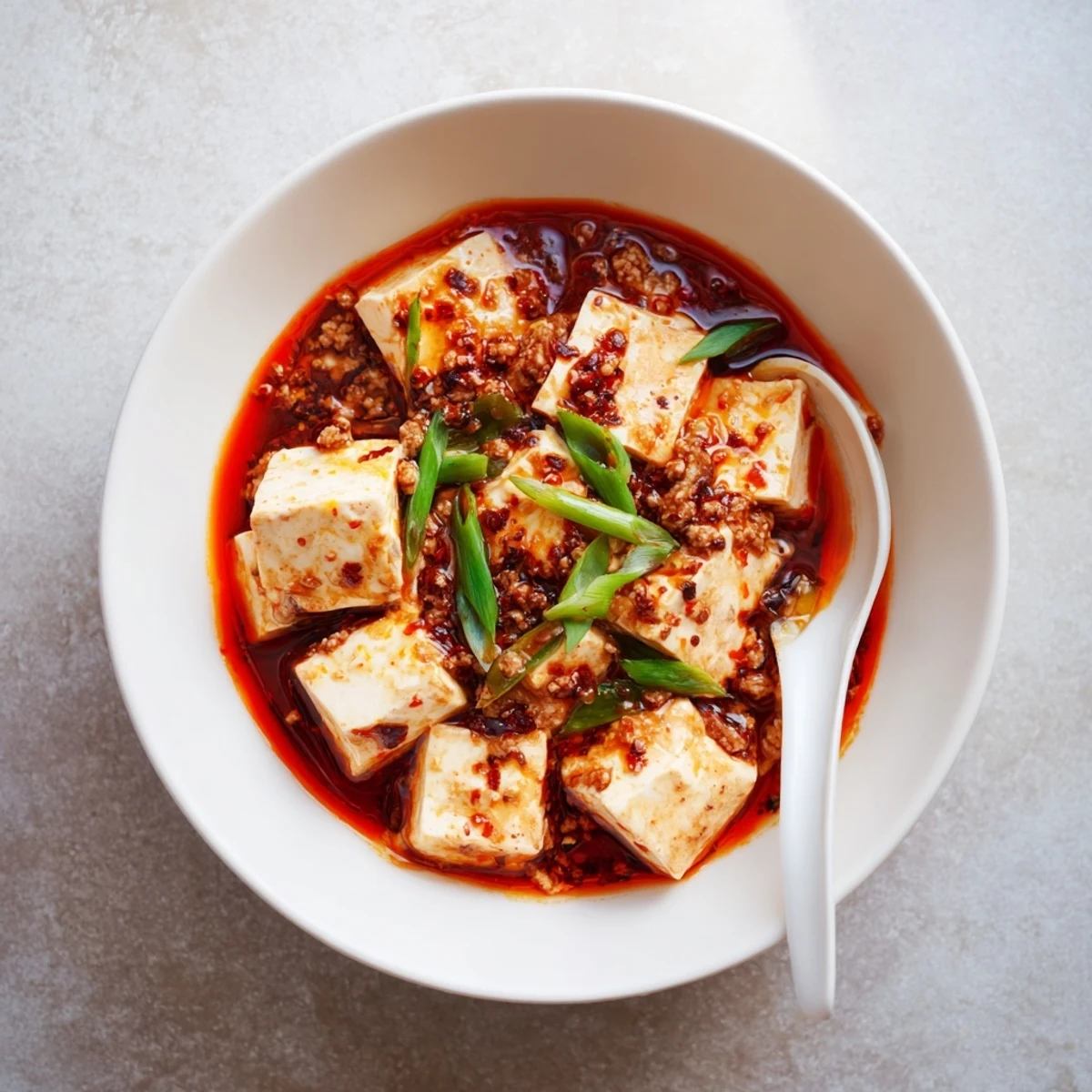
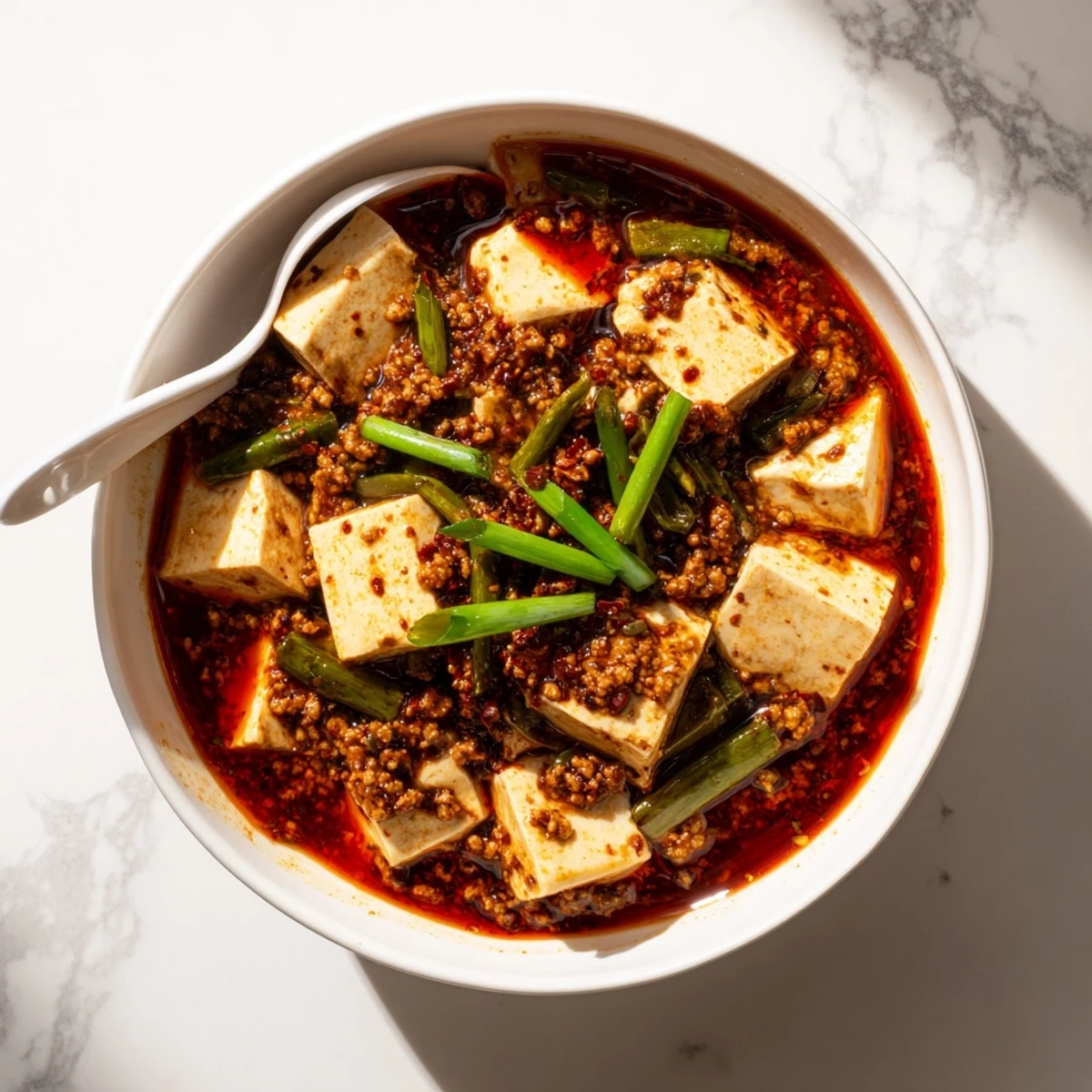
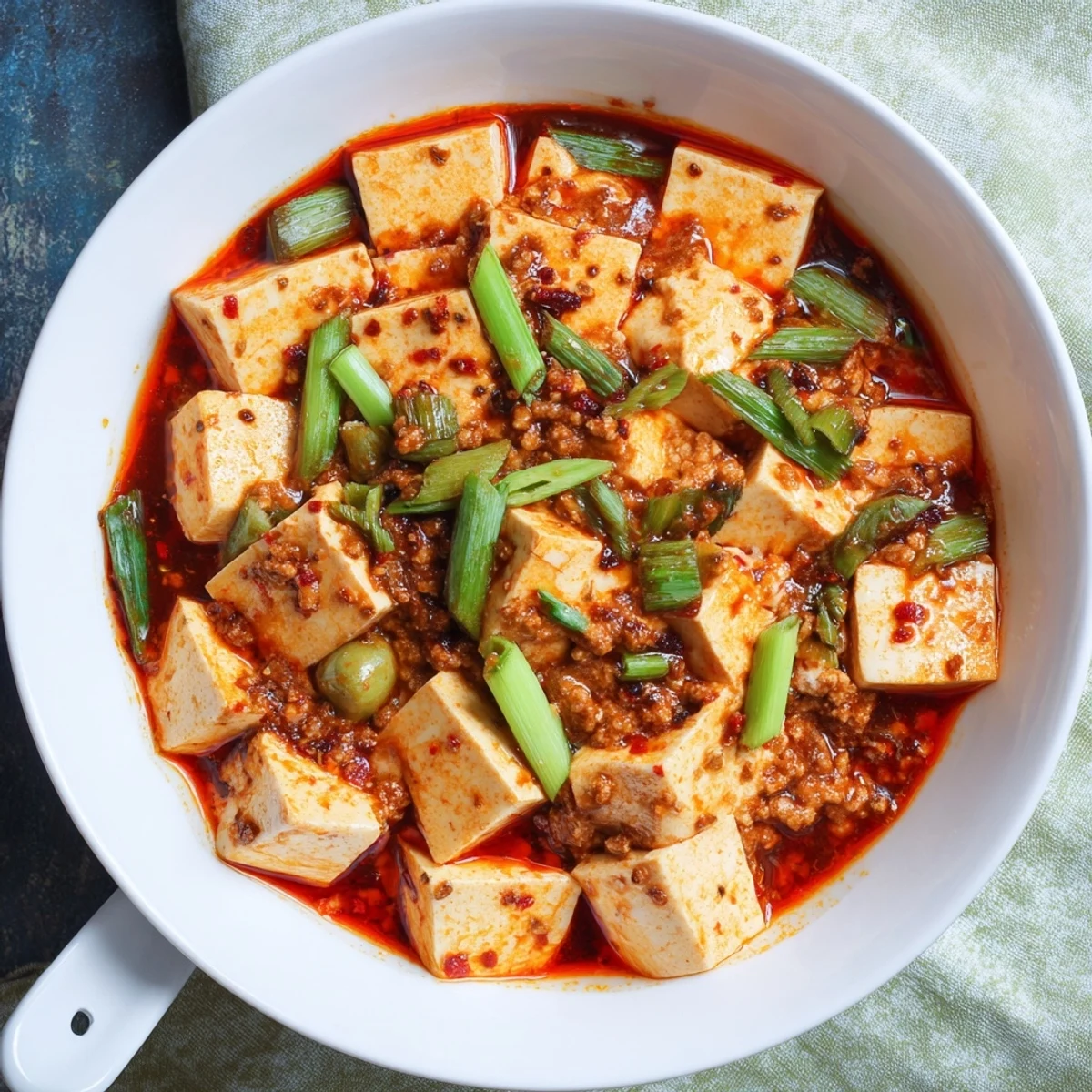
 This classic Sichuan dish combines silken tofu cubes with savory ground pork, all simmered in a richly spiced sauce. The signature flavor comes from doubanjiang (fermented broad bean paste) and fermented black beans, creating that distinctive umami depth. Sichuan peppercorns provide the characteristic numbing sensation, while chili oil brings adjustable heat. The entire dish comes together in just 35 minutes, making it perfect for weeknight dinners when you crave something bold and satisfying.
Gentle handling of the tofu ensures it stays intact while absorbing the flavorful sauce. Serve with steamed jasmine rice to balance the intense spices and soak up every drop of the aromatic broth.
The first time I attempted Mapo Tofu, I accidentally used twice the amount of Sichuan peppercorns called for. My entire mouth went delightfully, completely numb for about twenty minutes, and I've been chasing that sensation ever since. This Sichuan classic has become my go-to comfort food on rainy evenings, when something spicy and warming feels absolutely essential.
I made this for my sister last winter when she was visiting from Seattle, where good Sichuan food is surprisingly hard to find. She took one bite, eyes widened, and immediately asked for the recipe. Now she makes it weekly and claims her roommate has started requesting it by name.
Ingredients
- Soft or medium-firm tofu (400 g): The texture matters here—silken tofu will break apart too easily, while firm tofu won't absorb enough sauce
- Ground pork (200 g): Adds richness and depth, though ground chicken or plant-based mince work beautifully too
- Doubanjiang (2 tablespoons): The fermented broad bean chili paste that defines this dish—look for it at Asian markets or online
- Sichuan peppercorns (1 teaspoon plus more for garnish): Toast before grinding to release their citrusy, floral aroma
- Fermented black beans (1 tablespoon): Rinse them well to remove excess salt before chopping
- Cornstarch slurry: This is what transforms the thin broth into that glossy, velvety sauce that clings to every tofu cube
Instructions
- Prep your tofu:
- Cube the tofu and soak it in hot, lightly salted water for 5 minutes—this simple step firms it up so it doesn't break apart during cooking.
- Cook the pork:
- Heat the oil over medium-high heat, add the ground pork, and break it up until it's no longer pink, about 3 minutes.
- Add the aromatics:
- Toss in the garlic, ginger, and white scallion parts, cooking for just 1 minute until fragrant.
- Bloom the flavor base:
- Stir in the doubanjiang and fermented black beans, frying for 1 to 2 minutes until the oil turns a rich red color.
- Build the sauce:
- Pour in the soy sauce, Shaoxing wine, sugar, and broth, then bring everything to a gentle simmer.
- Add the tofu:
- Gently slide in the tofu cubes and let simmer for 5 to 7 minutes, allowing them to absorb all those bold flavors.
- Season and thicken:
- Stir in the chili oil and ground Sichuan peppercorns, then add the cornstarch slurry and simmer until the sauce thickens to a glossy consistency.
- Finish and serve:
- Garnish with fresh scallion greens and extra ground Sichuan peppercorns if you want that extra numbing kick.
 Pin This
 This recipe has saved me on countless weeknights when I want something deeply satisfying but don't have the energy for anything complicated. Something about the combination of heat, numbing spice, and silky tofu just feels like a warm hug.
Getting the Texture Right
I've learned that gentle folding motions when adding the tofu prevent breaking the cubes. Use a spatula and slide it along the bottom of the pan rather than stirring from the top.
Finding Your Heat Level
Start with half the chili oil and Sichuan peppercorns if you're new to this cuisine. You can always add more, but you cannot take it back once it's in the pot.
Make It Your Own
This dish is incredibly forgiving once you understand the basic technique. I've made countless variations depending on what's in my pantry or who I'm cooking for.
- Add a handful of snap peas or bok choy during the last 2 minutes of cooking
- Swap the pork for crumbled tempeh or extra-firm tofu for a protein-packed vegetarian version
- Double the sauce ingredients and serve over noodles for a Mapo Tofu ramen situation
 Pin This
 I hope this brings as much warmth to your table as it has to mine. There is something almost meditative about a bowl of rice and Mapo Tofu that makes everything feel right.
Recipe FAQs
- → What makes Mapo Tofu authentic?
-
Authentic Mapo Tofu relies on doubanjiang (fermented broad bean chili paste) and fermented black beans for its signature umami flavor. The numbing sensation from Sichuan peppercorns is essential, along with the proper balance of spicy, savory, and slightly sweet elements in the sauce.
- → Can I make this vegetarian?
-
Yes, simply omit the ground pork and substitute with plant-based mince or finely chopped shiitake mushrooms. The rest of the dish remains naturally dairy-free and packed with bold flavors from the aromatic sauce base.
- → How do I prevent tofu from breaking apart?
-
Use soft or medium-firm tofu and cut it into uniform cubes before briefly soaking in hot salted water. This firms up the texture. When adding to the pan, slide gently rather than stirring vigorously, and use a folding motion to coat with sauce.
- → What should I serve with Mapo Tofu?
-
Steamed jasmine rice is the traditional accompaniment, perfect for absorbing the spicy sauce. Blanched greens like bok choy or Chinese broccoli provide a fresh contrast. The dish works well as part of a larger Chinese spread with other Sichuan specialties.
- → How spicy is this dish?
-
The heat level is adjustable through the chili oil quantity. The doubanjiang provides a moderate base spice, while Sichuan peppercorns contribute numbing heat rather than burning spice. Start with less chili oil if sensitive, then add more to taste.