
 Pin This
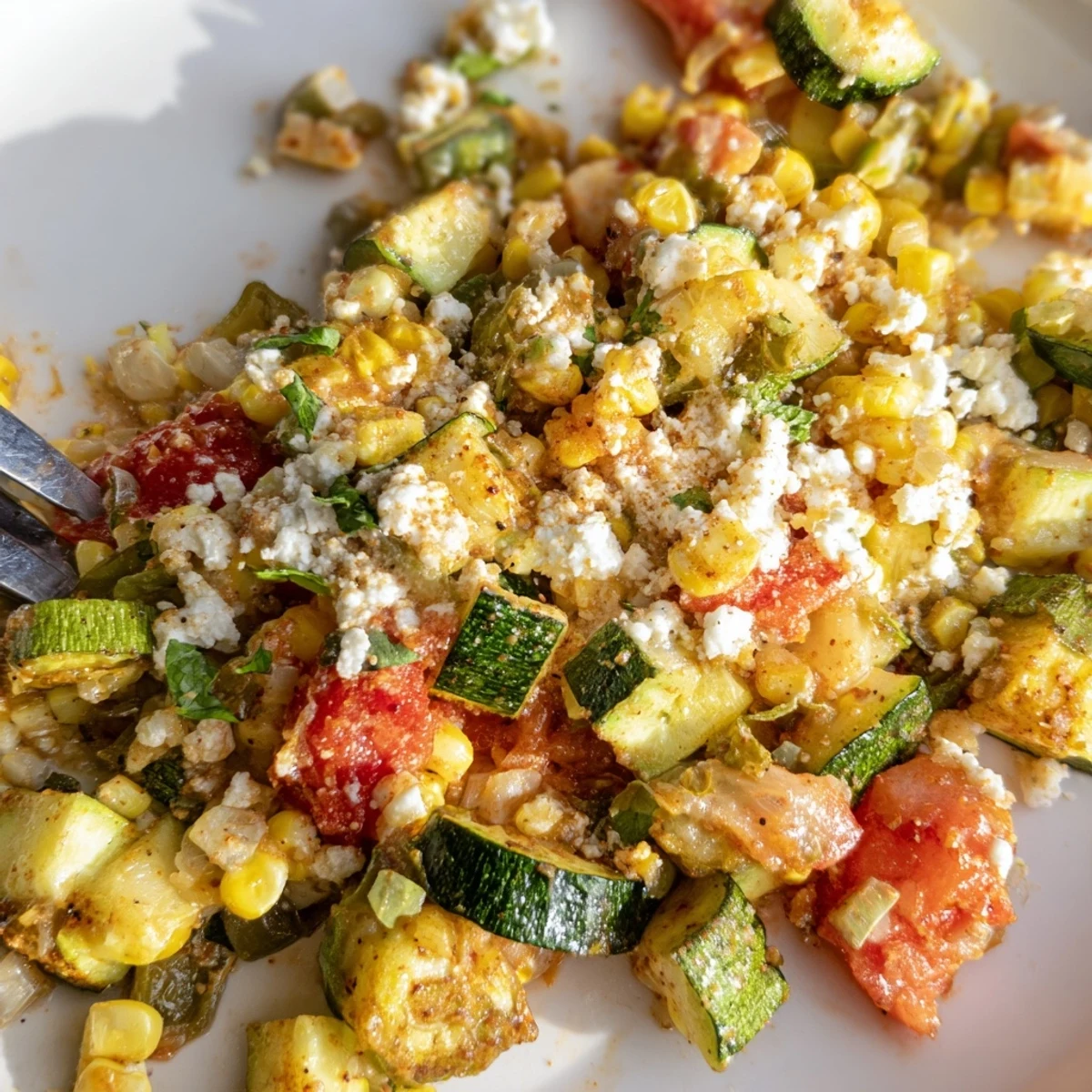
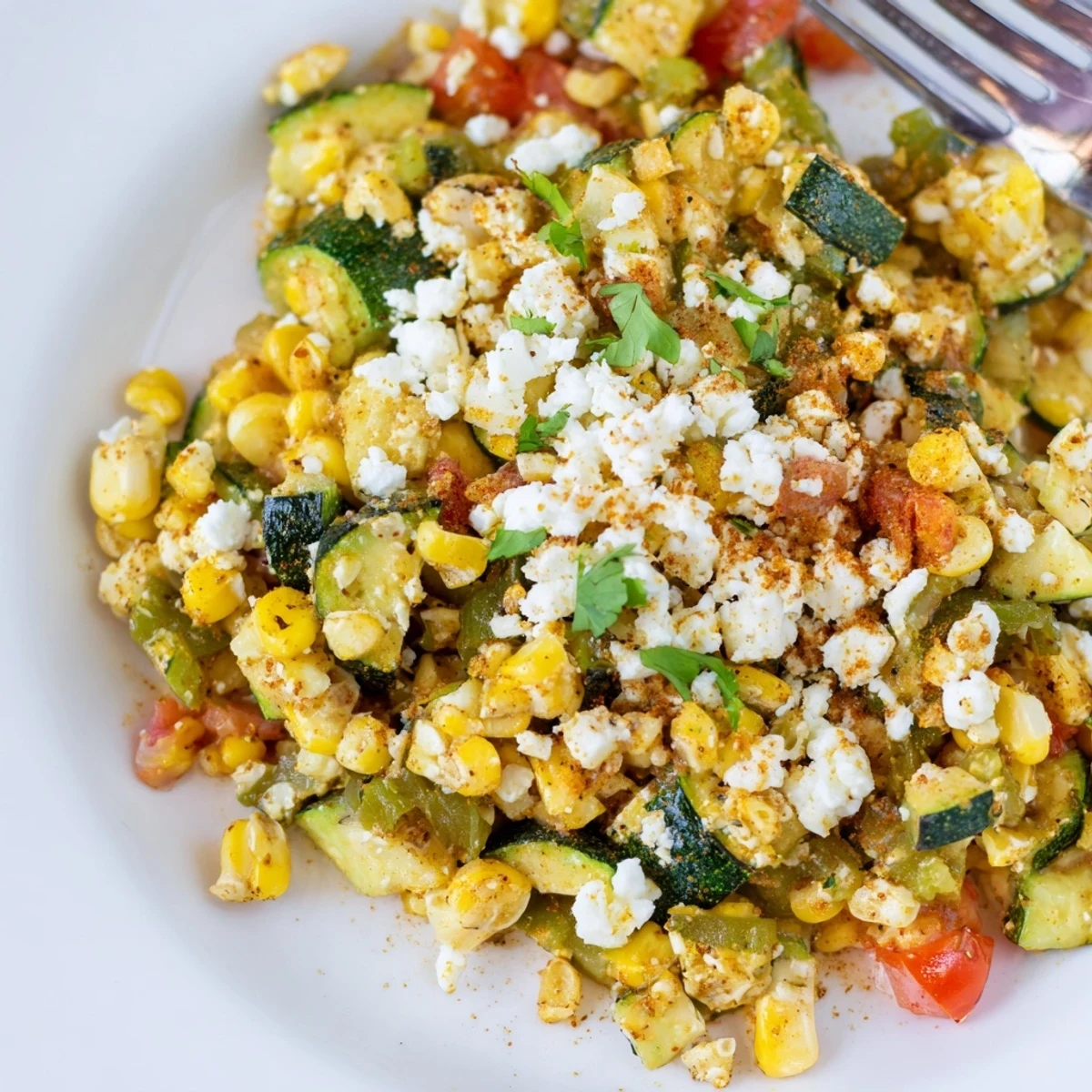
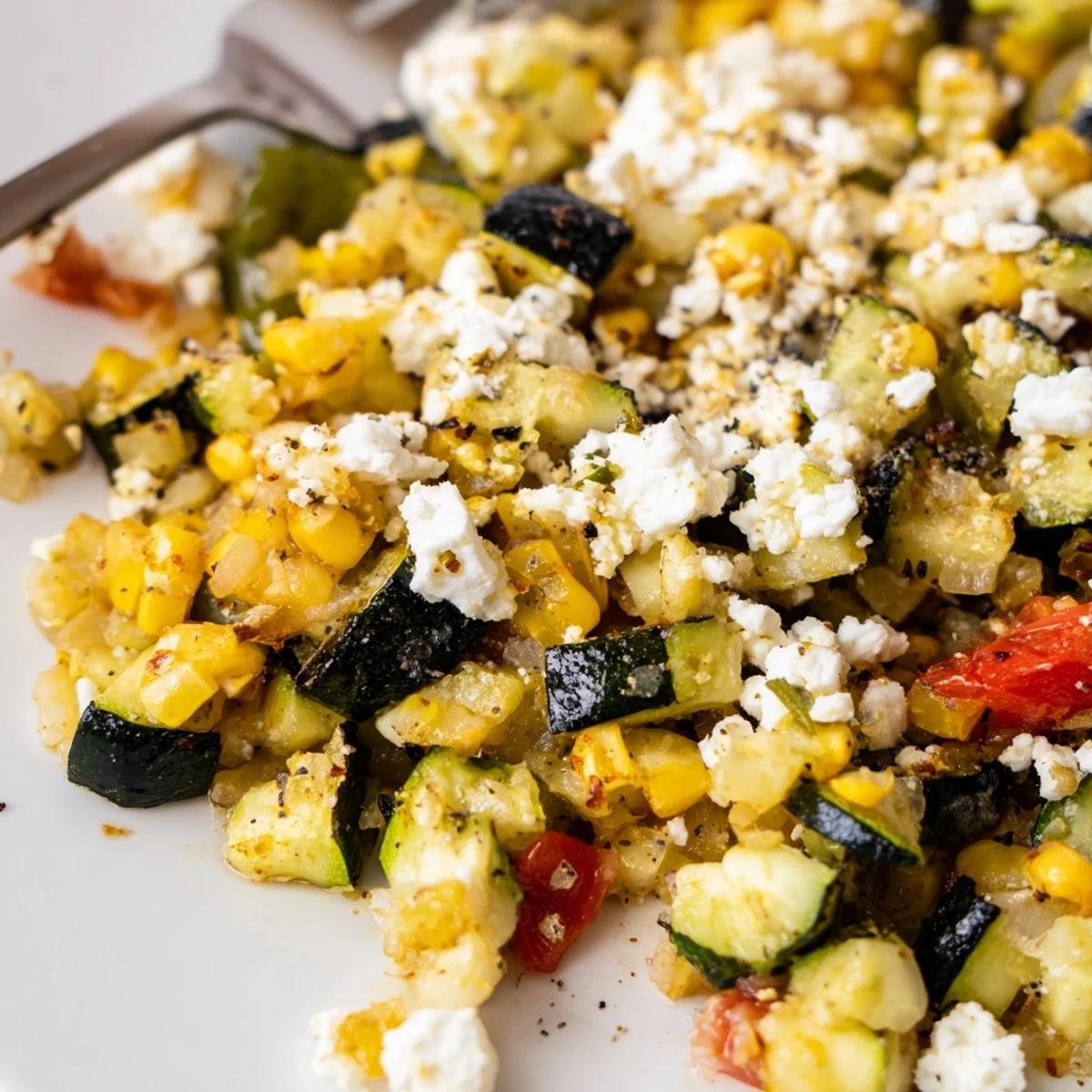
 This traditional Mexican dish combines tender zucchini, sweet corn kernels, and ripe tomatoes in a savory skillet sauté. Onions, poblano peppers, and aromatic garlic build a flavorful base, while cumin and oregano add authentic warmth. Fresh cilantro and crumbled queso fresco finish the dish, creating a satisfying balance of textures and tastes.
The preparation is straightforward—vegetables are diced and cooked until just tender, preserving their natural crunch. The final addition of cheese melts beautifully into the warm mixture, binding the ingredients together. Perfect alongside grilled meats, tucked into tacos, or served as a hearty vegetarian main with warm tortillas.
The smell of poblano peppers hitting hot olive oil takes me straight to my aunt's tiny kitchen in Guadalajara, where I first watched her transform a heap of zucchini into something magical. She worked with this casual confidence, never measuring, just tasting and adjusting. When I tried replicating it years later, I learned that Calabacitas isn't about precision—it's about letting the vegetables shine while they get to know each other in the pan.
Last summer, my neighbor brought over an armful of zucchini from her garden, the kind that appear overnight and multiply like magic. I made a triple batch of Calabacitas, and we sat on her porch eating it straight from the pan with tortilla chips, talking until the fireflies came out. Something about this dish invites lingering—the way the cheese melts into the vegetables, creating those creamy pockets that make you reach for just one more bite.
Ingredients
- 2 medium zucchini, diced: Look for firm, heavy squash with smooth skin—bigger isnt better here as they can be watery and less flavorful
- 1 cup fresh or frozen corn kernels: Fresh corn straight off the cob adds sweetness but frozen works perfectly when corn isnt in season
- 1 medium yellow onion, diced: The foundation that provides depth and sweetness as it caramelizes
- 1 medium tomato, diced: Adds acidity and moisture that helps create that saucy consistency
- 1 medium poblano pepper, seeded and diced: Brings a mild heat and smoky flavor thats essential to the dishs character
- 2 cloves garlic, minced: Add it toward the end so it blooms in the oil without burning
- 2 tablespoons fresh cilantro, chopped: Brightens everything and adds that fresh pop against the cooked vegetables
- 1/2 cup crumbled queso fresco: Salty and mild, it doesnt overwhelm the vegetables but ties everything together
- 2 tablespoons olive oil: Enough to sauté without making the dish heavy
- 1/2 teaspoon ground cumin: That earthy, warm note that screams comfort food
- 1/2 teaspoon dried oregano: Adds an herbal undertone that complements the corn and zucchini beautifully
- Salt and freshly ground black pepper: Taste as you go—the cheese will add saltiness, so adjust accordingly
Instructions
- Heat your pan and start the aromatics:
- Pour the olive oil into a large skillet over medium heat and let it shimmer slightly before adding the onion and poblano pepper. Cook them for 3–4 minutes, stirring occasionally, until they've softened and the onions turn translucent.
- Add the garlic:
- Stir in the minced garlic and cook for just 30 seconds until fragrant—you'll catch that wonderful aroma immediately, but don't let it brown or it'll turn bitter.
- Build the vegetable base:
- Add the diced zucchini, corn, tomato, cumin, oregano, and season with salt and pepper. Stir everything together so the spices coat the vegetables evenly.
- Let it cook down:
- Cook for 8–10 minutes, stirring occasionally, until the vegetables are tender but still hold their shape. You want the zucchini to yield slightly when pressed, not turn to mush.
- Finish with cheese and herbs:
- Remove the skillet from heat and stir in half the cheese plus the chopped cilantro. The residual heat will melt the cheese just enough to create those creamy pockets throughout.
- Season and serve:
- Taste and add more salt or pepper if needed, remembering the remaining cheese will add a bit more salt. Transfer to a serving dish, scatter the rest of the cheese on top, and garnish with extra cilantro. Lime wedges on the side add a bright finish if you like.
 Pin This
 My version of Calabacitas has become the dish I bring to potlucks when I dont know what anyone else is making. It's forgiving, travels well, and somehow manages to please everyone from picky eaters to food enthusiasts. Last month, someone asked for the recipe before they'd even finished their first serving, which feels like the highest compliment a home cook can receive.
Make It Your Own
The beauty of Calabacitas lies in its adaptability. I've added yellow squash when zucchini wasn't available, tossed in black beans for protein, and even stirred in cooked rice to stretch it into a full meal. Once you master the basic technique, you'll start seeing opportunities to customize based on what's in your fridge or what your family loves.
Serving Suggestions That Work
While Calabacitas shines as a side dish alongside grilled meats or fish, I've found it makes an incredible vegetarian main when served over warm rice. My favorite way might be spooning it into warm corn tortillas with a dollop of sour cream—the kind of dinner that comes together without any planning but feels intentional and satisfying.
Storage and Meal Prep
This dish actually tastes better the next day, as the flavors have time to meld and develop. I often make a double batch on Sunday, storing it in an airtight container in the refrigerator for up to four days. The texture changes slightly—the vegetables soften more—but the flavor deepens into something comforting and homey. Reheat gently on the stove with a splash of water if needed.
- Freeze portions in freezer-safe bags for those nights when cooking feels impossible
- The cheese texture changes when frozen, so stir in fresh cheese after reheating
- This reheats beautifully in the microwave for quick work lunches
 Pin This
 There's something deeply satisfying about a dish that celebrates simple ingredients treated with respect. Calabacitas reminds me that the best cooking often comes from letting good food speak for itself.
Recipe FAQs
- → What does calabacitas mean?
-
Calabacitas translates to 'little zucchini' or 'squashes' in Spanish. This traditional Mexican dish highlights summer squash combined with corn, tomatoes, and peppers—a classic trio in Mexican home cooking.
- → Can I make this dairy-free?
-
Absolutely. Simply omit the cheese or substitute with a dairy-free alternative. The vegetables carry plenty of flavor on their own, especially when seasoned well with cumin, oregano, and fresh cilantro.
- → What can I serve with calabacitas?
-
This versatile dish pairs beautifully with grilled meats, fish, or chicken. It also shines as a vegetarian filling for tacos, burritos, or enchiladas. Serve alongside rice and beans for a complete Mexican-inspired meal.
- → How do I store leftovers?
-
Store cooled calabacitas in an airtight container in the refrigerator for up to 3 days. Reheat gently in a skillet over medium-low heat, adding a splash of water if needed to loosen the mixture.
- → Can I use frozen corn?
-
Yes, frozen corn works perfectly in this dish. No need to thaw first—just add it directly to the skillet with the zucchini. Fresh corn from the cob will be slightly sweeter, but both options yield excellent results.
- → Is this dish spicy?
-
As written, poblano peppers add mild flavor without significant heat. For more spice, include the optional jalapeño or adjust the amount of pepper used. The dish is naturally family-friendly and easily customizable.