
 Pin This
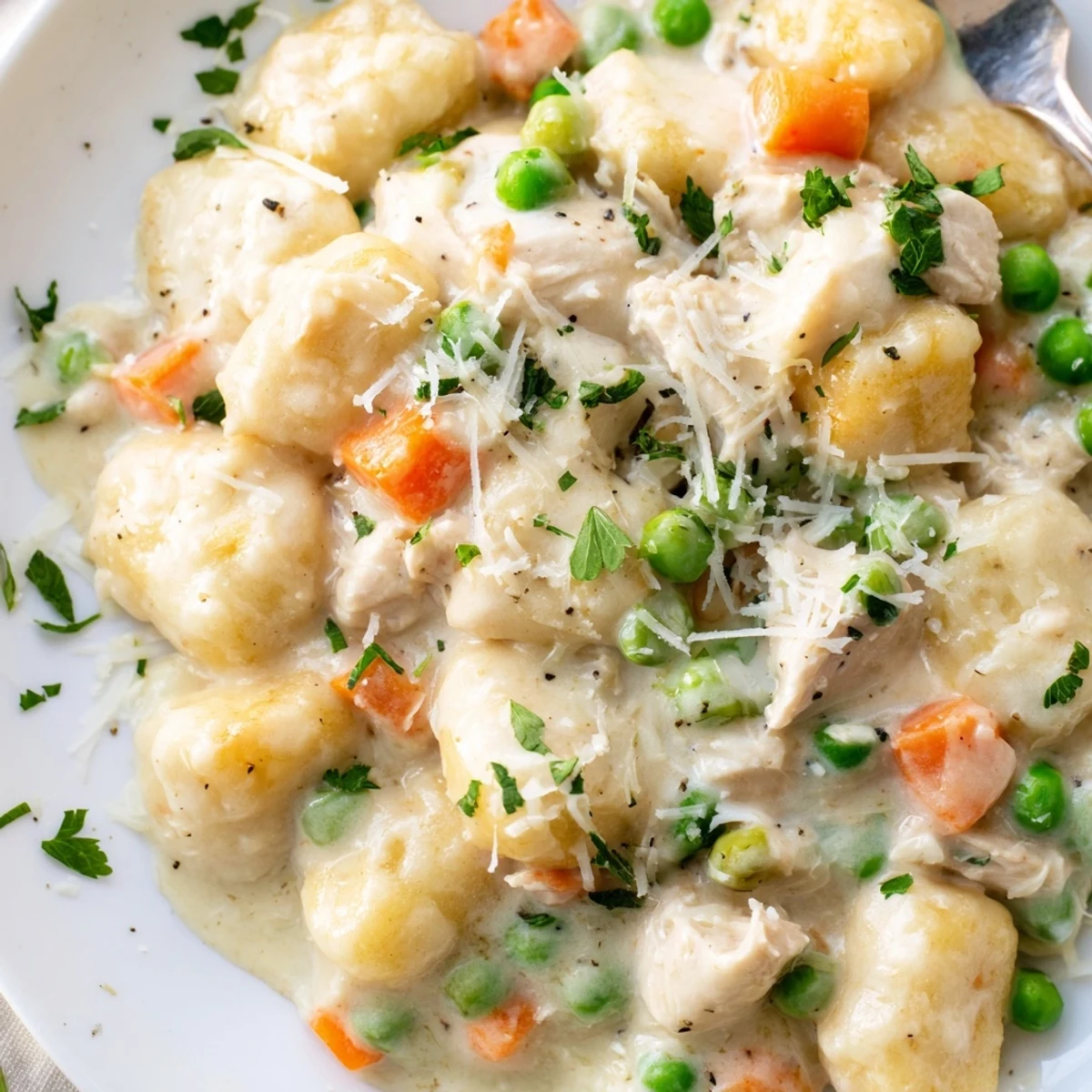
 This hearty one-pot dinner combines soft potato dumplings with shredded chicken and classic pot pie vegetables in a rich, creamy sauce. The roux-based sauce thickens beautifully as the gnocchi cooks directly in the skillet, absorbing all the savory flavors of thyme, sage, and Parmesan. Ready from start to finish in just 45 minutes, this family-friendly meal delivers all the comfort of traditional pot pie without the fuss of making pastry or using multiple pots.
Rainy Tuesday evenings call for serious comfort food, and this one-pot gnocchi chicken pot pie saved me from ordering takeout yet again. I stumbled upon this combination when I had leftover rotisserie chicken and a package of gnocchi that needed using, and now it's become my go-to 'I need a hug in a bowl' dinner. The way those pillowy gnocchi soak up all that creamy sauce while keeping their fluffy texture is absolute magic.
My sister-in-law texted me at 6 PM last winter, completely defeated by a long day at work and zero energy to cook. I talked her through this recipe over the phone, and she sent me a picture 30 minutes later of an empty bowl with the caption 'I feel human again.' That's when I knew this wasn't just dinner—it was therapy.
Ingredients
- 2 cups cooked chicken breast: Rotisserie chicken works beautifully here, or use leftover roast chicken
- 500 g potato gnocchi: Shelf-stable or refrigerated both work, just don't use the frozen kind that needs boiling first
- 1 cup diced carrots, 1 cup frozen peas, 1 cup diced celery: This classic trio gives you that authentic pot pie flavor and texture
- 1 cup diced onion and 2 cloves garlic: The aromatic foundation that makes your kitchen smell amazing
- 2 tablespoons unsalted butter and 2 tablespoons olive oil: Butter adds richness, oil prevents burning
- 1/4 cup all-purpose flour: Creates the velvety thick base for our sauce
- 2 cups chicken broth and 1 cup whole milk or half-and-half: The liquid magic that brings everything together
- 1/2 teaspoon each dried thyme and dried sage: These herbs scream 'comfort food' and pair perfectly with chicken
- Salt and black pepper: Season as you go and taste at the end
- 1/4 cup grated Parmesan and fresh parsley: The finishing touches that make it feel special
Instructions
- Build your flavor foundation:
- Heat the butter and olive oil in your largest deep skillet or Dutch oven over medium heat, then add your onions, carrots, and celery. Let them soften for 5 to 6 minutes, stirring occasionally, until they're fragrant and starting to look translucent. Add the garlic and cook just 30 seconds—you want it aromatic, not burnt.
- Create the creamy base:
- Sprinkle the flour over the vegetables and stir constantly for 1 to 2 minutes, cooking out that raw flour taste. Slowly whisk in the chicken broth first, then the milk, stirring vigorously to prevent any lumps from forming. Add thyme, sage, salt, and pepper, then let everything gently simmer for about 5 minutes until the sauce coats the back of your spoon.
- Let the gnocchi work their magic:
- Gently fold in the uncooked gnocchi, shredded chicken, and frozen peas, making sure the gnocchi are mostly submerged in that creamy sauce. Cover and simmer for 10 to 12 minutes, stirring occasionally so nothing sticks to the bottom. You'll know it's done when the gnocchi float to the surface and feel tender when you bite into one.
- Finish with love:
- Remove from heat and stir in the Parmesan if you're using it—it adds this wonderful salty, nutty depth. Scatter fresh parsley on top for a pop of color and serve directly from the pot, letting everyone help themselves to seconds.
 Pin This
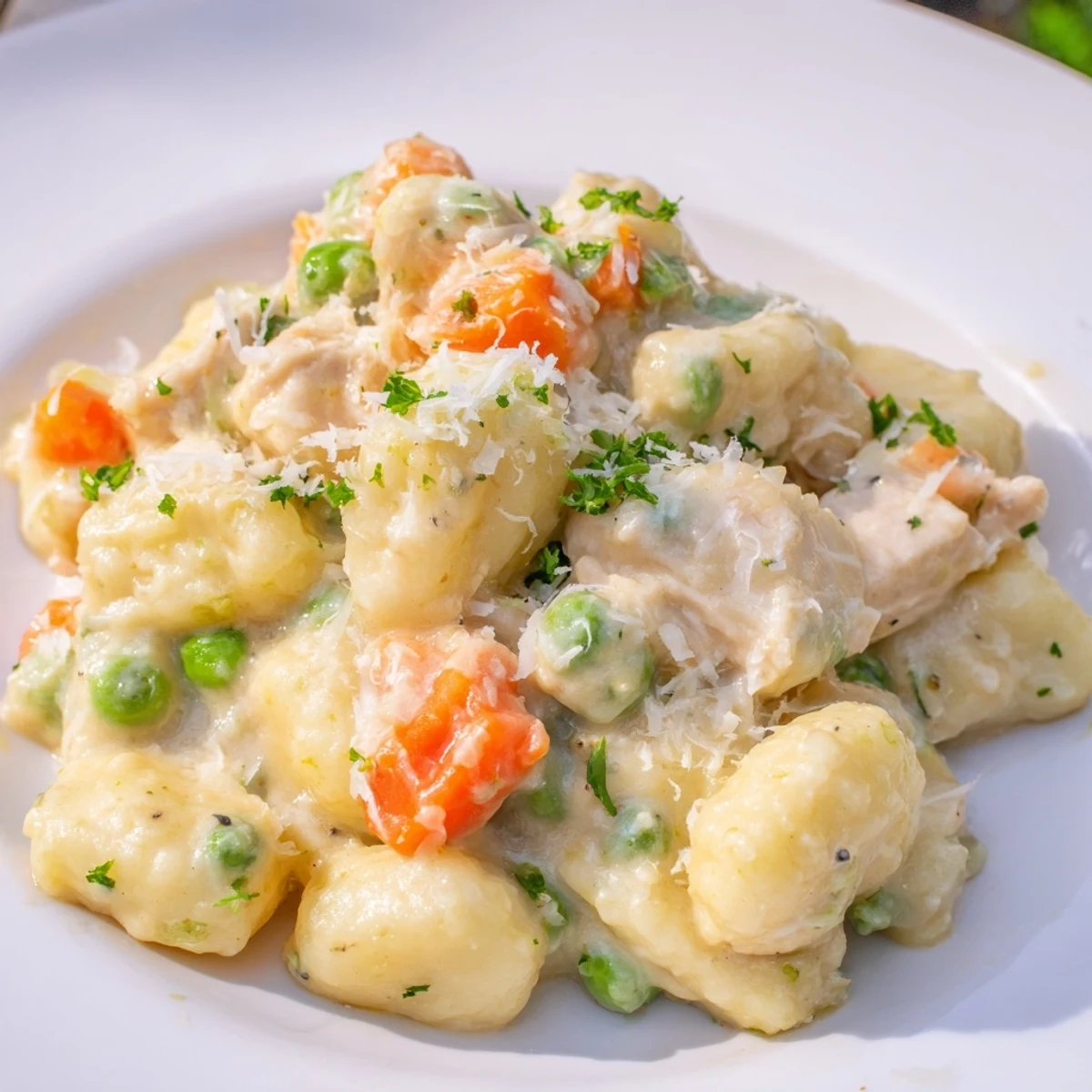
 Last month I made this for a friend who'd just had surgery, and her husband confessed later that he ate the leftovers cold straight from the container at midnight. I'm choosing to take that as the highest compliment possible.
Making It Your Own
Sometimes I swap in mushrooms or corn, especially when I'm trying to use up whatever's in the crisper drawer. The beauty of this dish is how forgiving it is—extra veggies never hurt, and the creamy sauce ties everything together beautifully.
The Secret To Perfect Texture
I learned the hard way that not all gnocchi behave the same way. Shelf-stable brands tend to hold their shape better than fresh ones, and frozen gnocchi that require pre-boiling will turn into sad, mushy little pillows in this sauce. Stick with the kind you find in the pasta aisle, not the freezer section.
Timing Is Everything
The real trick here is adding the gnocchi last—too early and they'll disintegrate, too late and everything else gets overcooked. I chop and measure all my vegetables before I even turn on the stove, so I can move through the steps without scrambling.
- Prep everything in advance since this recipe moves quickly once you start
- Keep your heat at medium—too high and your cream might separate
- Trust your nose more than the timer when it comes to knowing when garlic is done
 Pin This
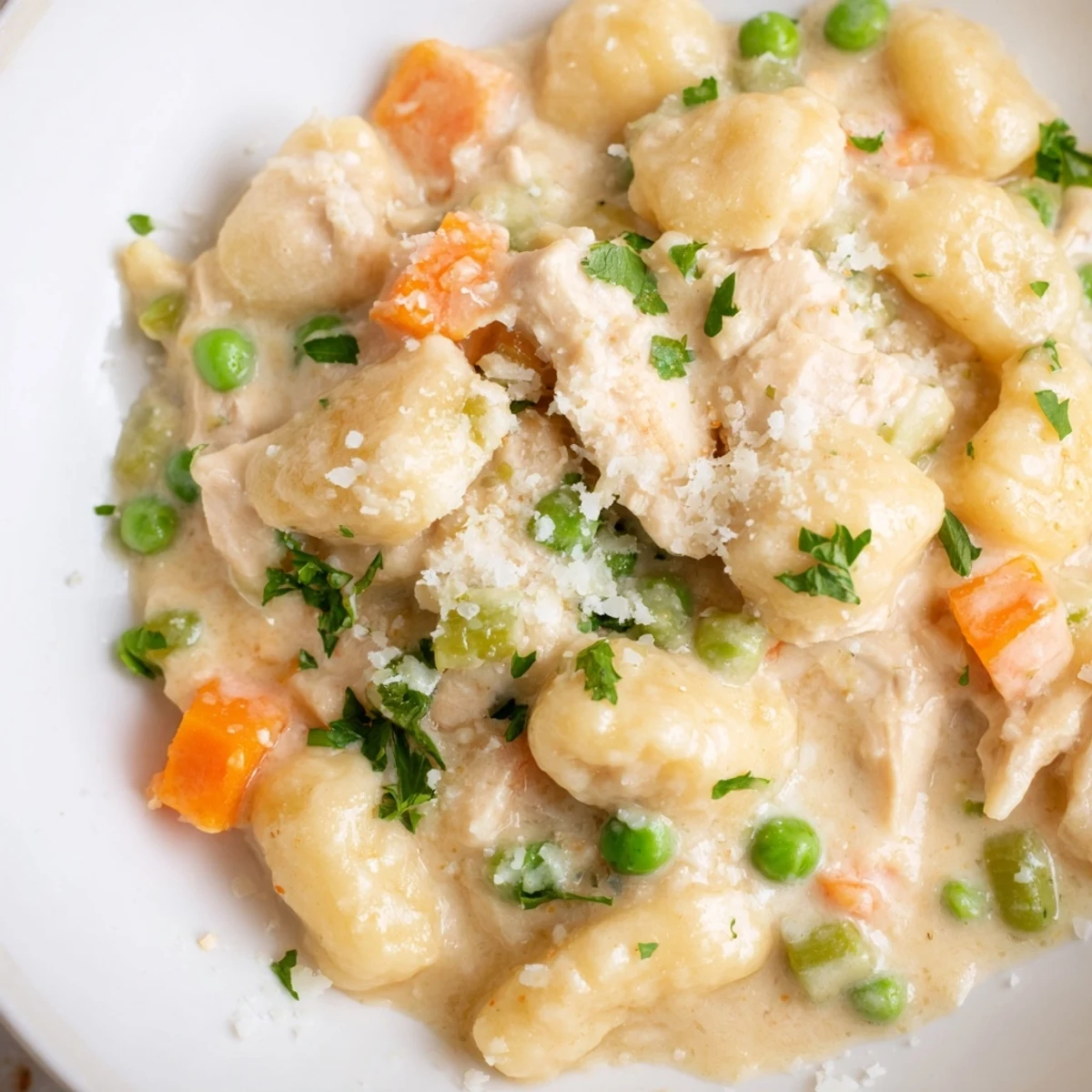
 This is the kind of dinner that makes people pause between bites and say 'wow,' without you having to tell them it only took 45 minutes to make.
Recipe FAQs
- → Can I use fresh gnocchi instead of shelf-stable?
-
Fresh refrigerated gnocchi works perfectly and may cook slightly faster than shelf-stable varieties. Check for doneness after 8-10 minutes of simmering.
- → What's the best way to store leftovers?
-
Store in an airtight container in the refrigerator for up to 3 days. The sauce will thicken considerably—add a splash of broth or milk when reheating to restore creamy consistency.
- → Can I make this gluten-free?
-
Use gluten-free gnocchi and substitute the all-purpose flour with a 1:1 gluten-free flour blend. Ensure your chicken broth is certified gluten-free as well.
- → Why use a roux for this dish?
-
The flour-butter roux creates a stable, velvety base that prevents the sauce from separating while providing body and rich mouthfeel that holds up well to the gnocchi.
- → Can I freeze this dish?
-
Freezing is possible but may affect the gnocchi's texture. If freezing, undercook the gnocchi slightly by 2-3 minutes. Thaw overnight in the refrigerator before reheating gently with added liquid.
- → What vegetables work best in this?
-
The classic trio of carrots, celery, and peas provides traditional flavors. You can also add mushrooms, corn, green beans, or diced potatoes based on preference and what's available.