
 Pin This
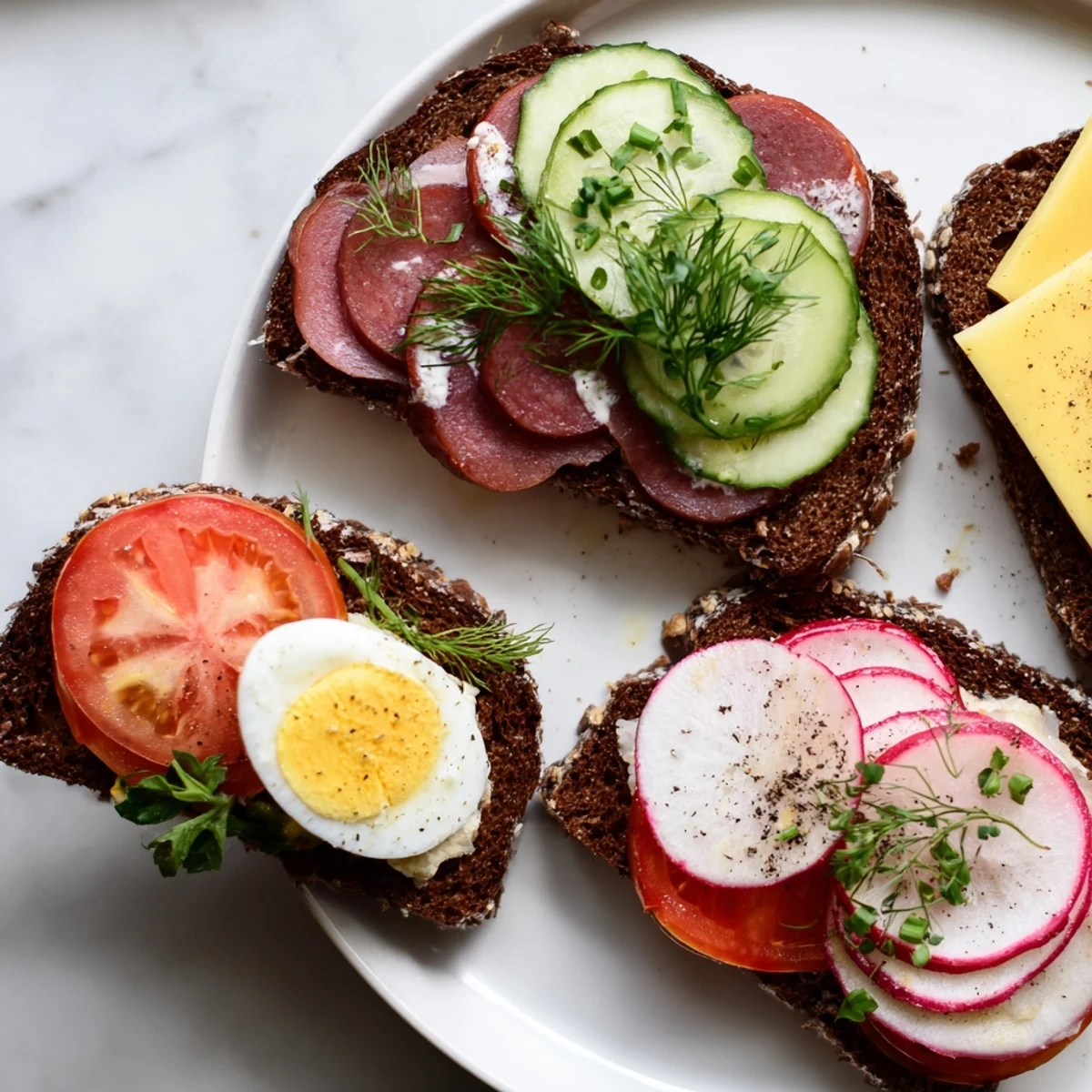
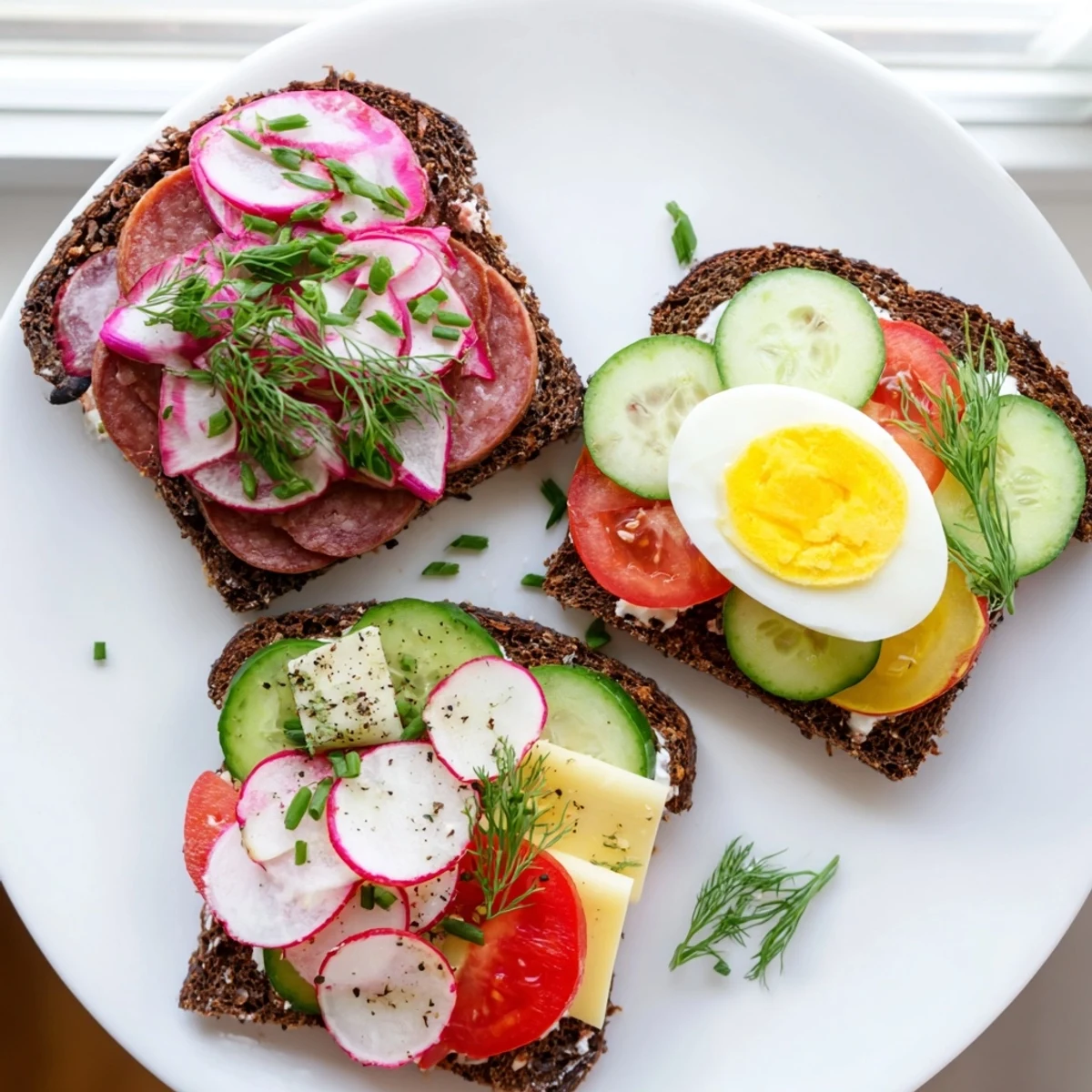
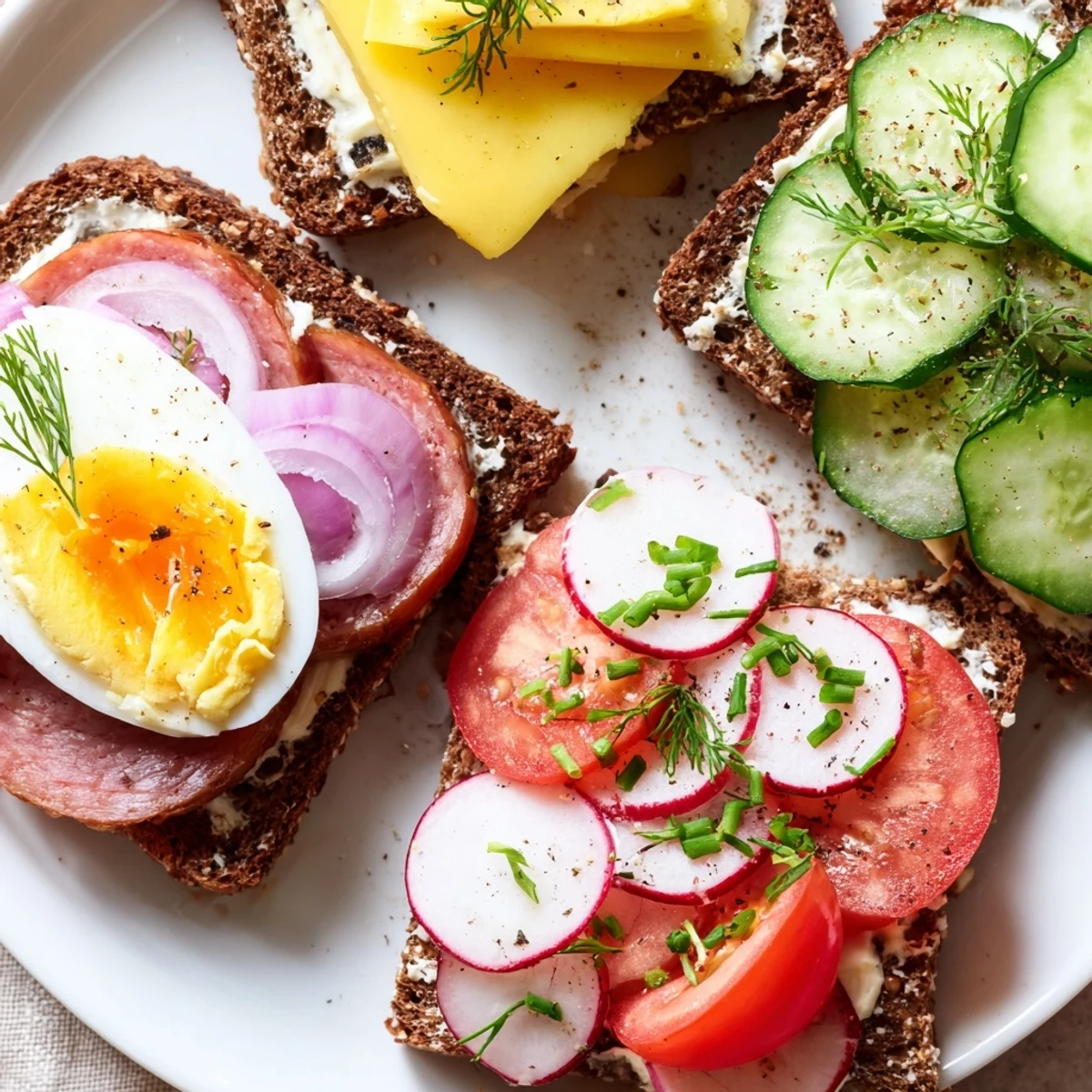
 Open faced Polish kanapki are a beloved staple of Polish cuisine, served at breakfast, lunch, or as party fare. Thick slices of rye bread get a generous spread of butter or cream cheese, then are topped with kielbasa, ham, boiled egg, or melting cheese.
Fresh vegetables like tomato, cucumber, radish, and red onion add crunch and color, while chives or dill bring a bright herbal finish. Ready in just 15 minutes with no cooking required, these sandwiches are endlessly customizable and perfect for feeding a crowd.
The smell of rye bread and butter hits me somewhere deep, somewhere that feels like a cramped kitchen in Krakow where my friend Marta once piled an impossible amount of toppings on a single slice and dared me to eat it without making a mess. I failed spectacularly. Open faced Polish sandwiches, or kanapki, are deceptively simple, which is exactly what makes them brilliant.
I started making these for Sunday morning breakfasts after my roommate walked into the kitchen holding a sad bowl of cereal and I decided that simply would not stand. Within ten minutes I had a platter of kanapki arranged like tiny edible paintings, and she looked at me like I had performed a magic trick. The truth is, the magic is all in the assembly.
Ingredients
- Rye bread or baguette (8 slices): Rye is traditional and holds up beautifully under heavy toppings without collapsing.
- Unsalted butter, softened (3 tbsp): Softened butter spreads cleanly and prevents the bread from tearing apart beneath your knife.
- Cream cheese (2 tbsp, optional): A nice alternative to butter if you want something slightly tangy and spreadable.
- Kielbasa or smoked ham (4 slices): The smoky, savory anchor that gives these sandwiches their Polish soul.
- Cooked egg (4 slices): Hardy boiled eggs add richness and a soft texture that contrasts with crusty bread.
- Yellow cheese such as Edam or Gouda (4 slices): Mild and creamy, these cheeses melt slightly at room temperature and bind everything together.
- Tomato (1, thinly sliced): Brings juiciness and a pop of color that makes the plate come alive.
- Cucumber (1 small, thinly sliced): Cool and crisp, it refreshes each bite between heavier toppings.
- Red onion (1/4, thinly sliced): A sharp bite that cuts through the richness of butter and cheese.
- Radishes (8, thinly sliced): Unexpected peppery crunch that most people underestimate until they taste it.
- Fresh chives or dill, chopped: The herbal finish that whispers Eastern European kitchen with every fragrant pinch.
- Salt and freshly ground black pepper: Season generously because cold food always needs more salt than you think.
Instructions
- Lay the foundation:
- Arrange all eight slices of bread on a clean cutting board or counter, and take a moment to appreciate the blank canvas in front of you.
- Spread with care:
- Use a butter knife to coat each slice evenly with softened butter or cream cheese, edge to edge, because dry corners are a tragedy.
- Build the hearty layer:
- Lay down your choice of kielbasa, ham, egg slices, or cheese, letting each slice drape naturally without overthinking the placement.
- Add fresh crunch:
- Layer on the tomato, cucumber, red onion, and radish slices, mixing and matching so no two sandwiches look exactly alike.
- Season and garnish:
- Sprinkle salt and pepper over everything, then scatter chopped chives or dill across the tops like green confetti at a small celebration.
- Serve immediately:
- Transfer to a platter or wooden board and bring them to the table before anyone starts sneaking bites in the kitchen.
 Pin This
 There is something quietly powerful about watching a group of friends hover over a platter of kanapki, each one reaching for the exact combination that speaks to them, no words exchanged, just contented chewing and the occasional nod of approval.
Bread Makes or Breaks This
After making these dozens of times, I can tell you with absolute certainty that the bread is not a background player here. A dense, sour rye from a proper bakery will elevate every single topping it touches, while a flimsy supermarket loaf turns the whole thing into a soggy disappointment. If you can find a Polish deli nearby, ask for their traditional chleb and thank yourself later.
Topping Combinations Worth Remembering
Some pairings have become personal favorites through trial and error in my own kitchen. Kielbasa with radish and dill creates a smoky, peppery bite that tastes like a Polish countryside afternoon. Egg slices with tomato and chives feel like the breakfast I always wanted but never knew existed until Marta handed me that first messy, glorious sandwich.
Making It Your Own
The real joy of kanapki is that they refuse to be rigid, bending happily to whatever you have in the fridge or whatever season you find yourself in. Summer versions burst with tomatoes and cucumbers, while winter versions lean heavier on cheese, egg, and pickled things that cut through cold weather gloom.
- Add a smear of horseradish under the meat for a nose tingling wake up call.
- Pickles belong on these sandwiches, and anyone who disagrees simply has not tried it yet.
- Always make two more than you think you need because they vanish faster than logic predicts.
 Pin This
 Keep it simple, pile it high, and share it with someone who appreciates the beauty of food that does not need to be cooked to be extraordinary.
Recipe FAQs
- → What type of bread works best for kanapki?
-
Traditional Polish kanapki are made with dense, hearty rye bread or a rustic baguette. Sourdough and wholegrain varieties also work beautifully, providing a sturdy base that holds up well under generous toppings.
- → Can I prepare kanapki ahead of time?
-
For the freshest results, assemble kanapki shortly before serving. You can prep all toppings and spreads in advance and store them separately in the refrigerator, then build the sandwiches right before your guests arrive.
- → What are traditional Polish toppings for kanapki?
-
Classic toppings include sliced kielbasa, smoked ham, hard-boiled egg, yellow cheese like Gouda or Edam, pickles, fresh cucumber, tomato, radish, and sprigs of dill. Butter is the standard spread, though cream cheese is also popular.
- → Are kanapki served warm or cold?
-
Kanapki are typically served at room temperature or chilled. Since no cooking is involved, they are assembled and served immediately, making them an ideal quick fix for unexpected guests or busy mornings.
- → How do I keep the bread from getting soggy?
-
Spread a layer of butter or cream cheese directly on the bread before adding moist toppings. This creates a barrier that prevents juices from tomatoes and cucumbers from seeping into the bread. Pat wet vegetables dry with a paper towel before arranging them.