
 Pin This
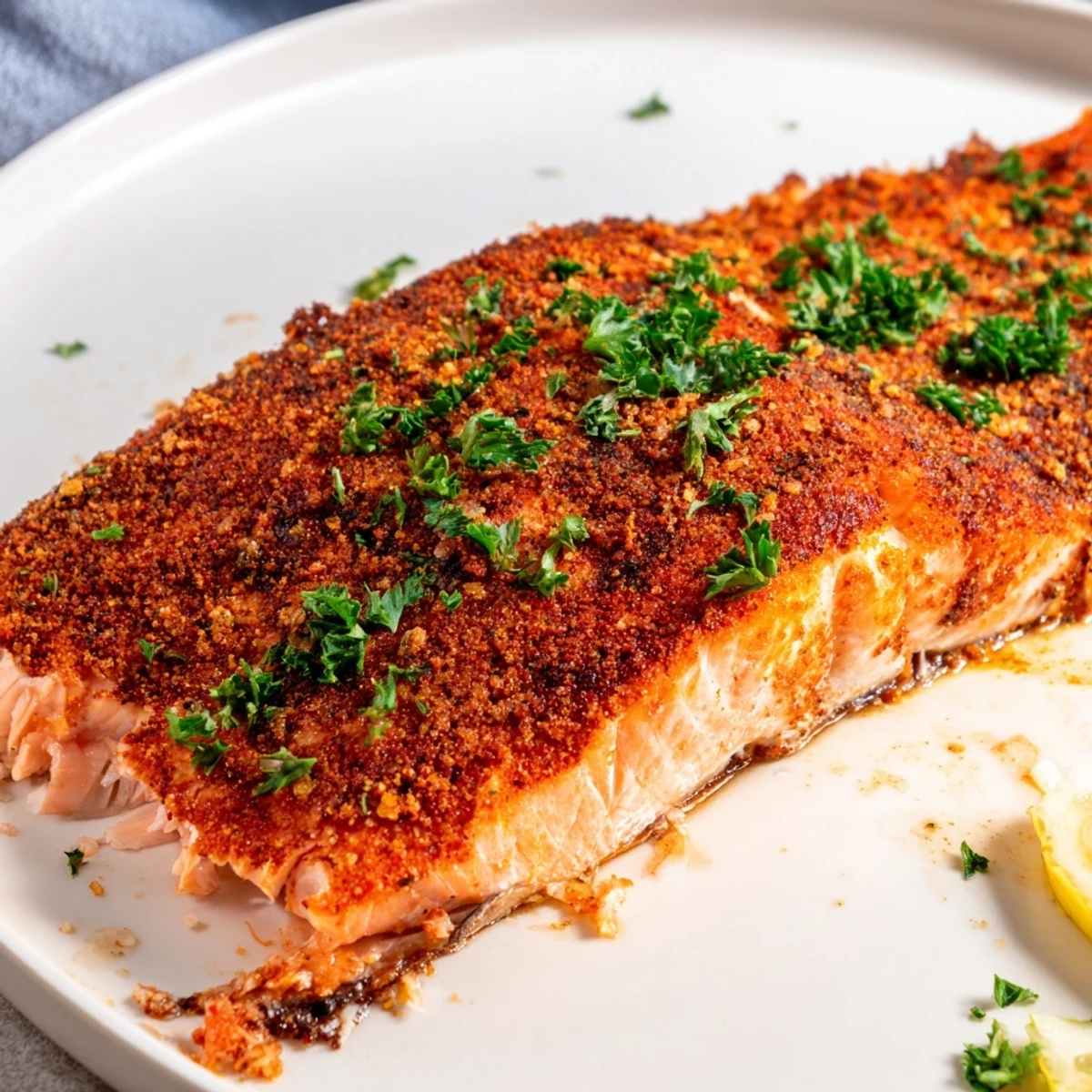
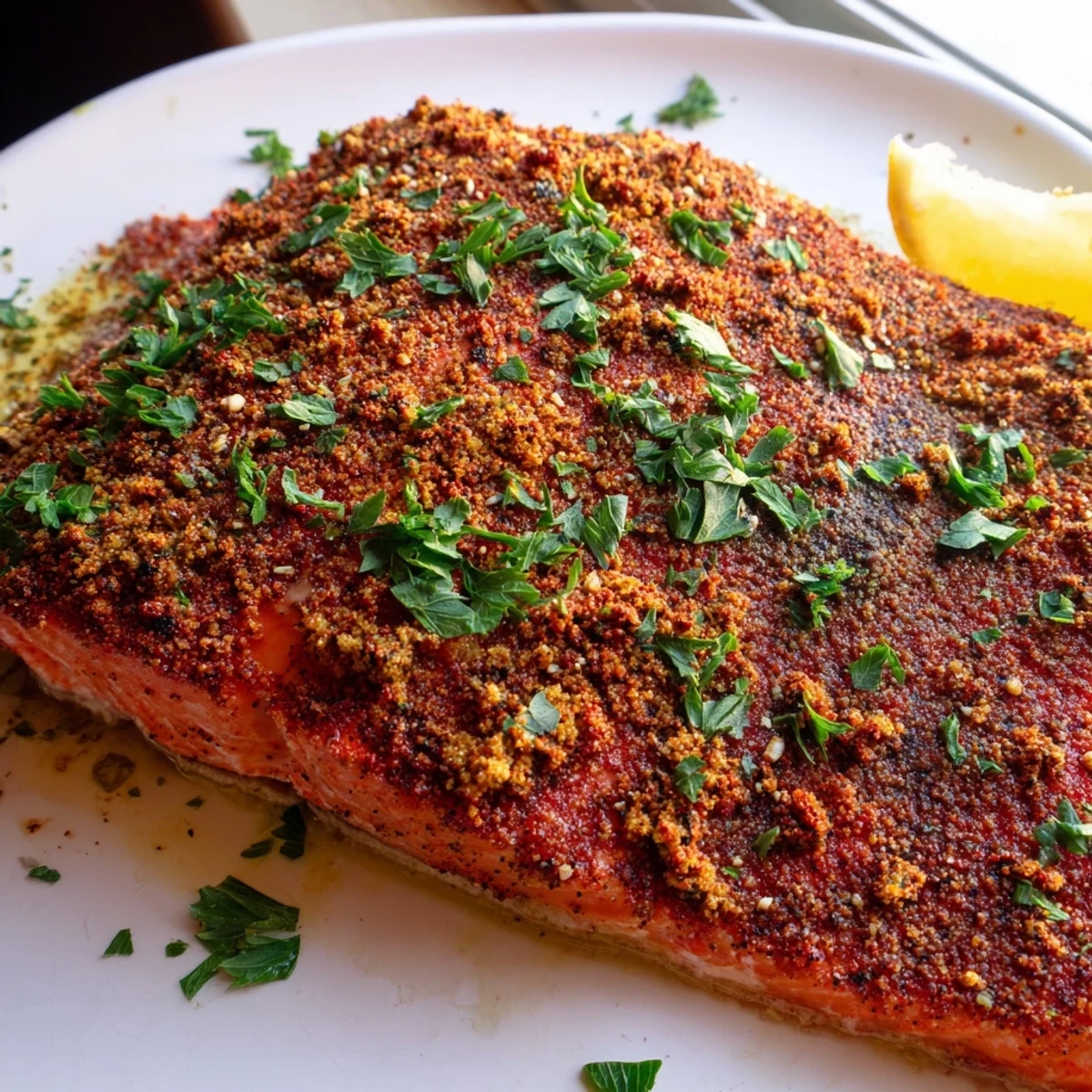
 This oven baked Cajun salmon delivers bold, smoky heat with minimal effort. Four salmon fillets are brushed with olive oil and generously coated in a homemade spice blend of smoked paprika, garlic powder, onion powder, thyme, oregano, and cayenne pepper.
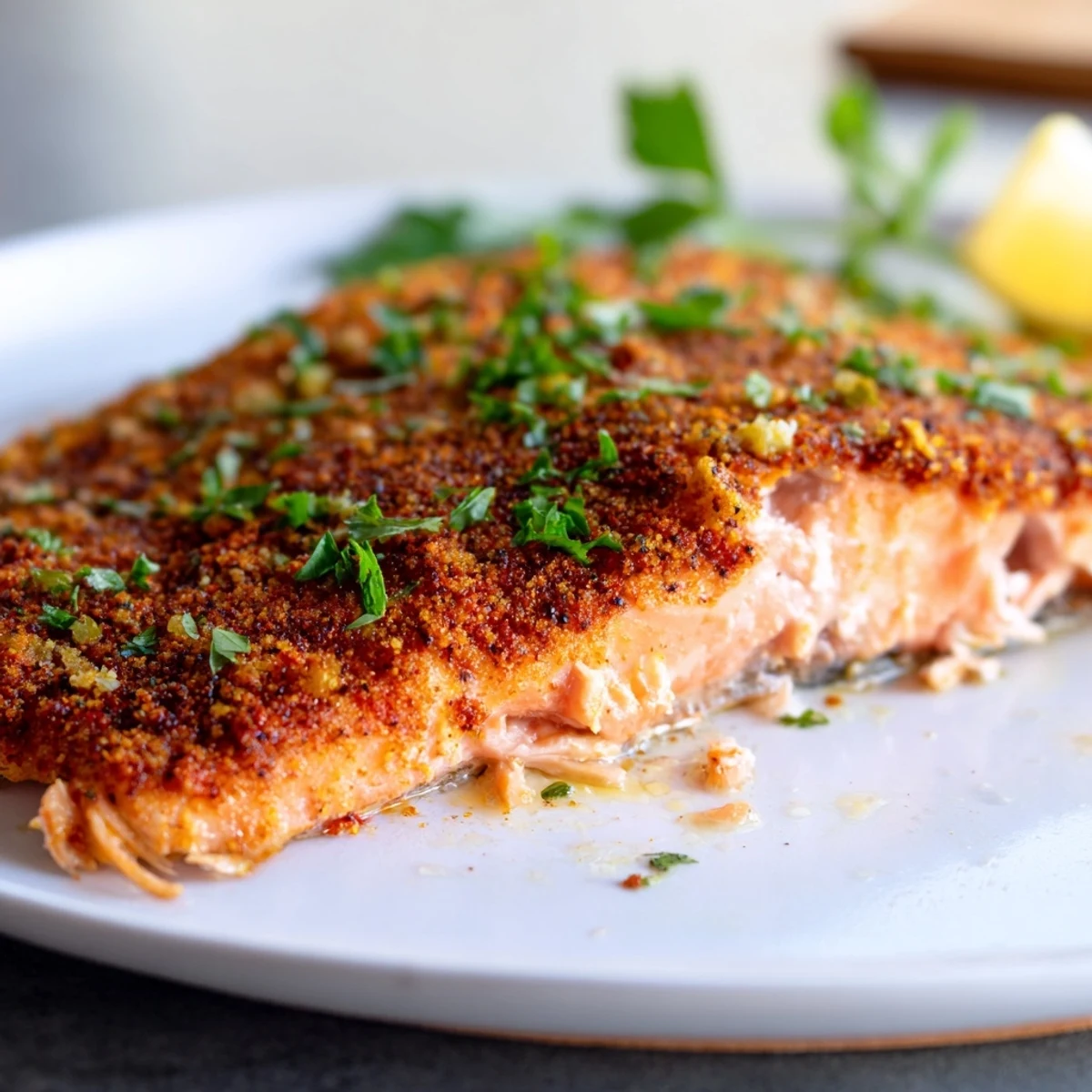
After just 12 to 15 minutes in a 200°C oven, the fish emerges perfectly flaky and opaque with a beautifully seasoned crust. A finishing squeeze of fresh lemon and a sprinkle of chopped parsley brighten every bite.
With only 10 minutes of prep and simple pantry spices, this gluten-free, low-carb main is ideal for busy weeknights when you want something satisfying without the fuss.
The smell of smoked paprika hitting hot oil is one of those scents that pulls everyone into the kitchen before dinner is even close to ready. My neighbor once knocked on my door asking what I was cooking because the spice drift had made it through the hallway of our apartment building. Cajun salmon became my Tuesday night rebellion against boring weeknight meals, and honestly it takes less time than ordering takeout.
One rainy Thursday I invited three friends over expecting to order pizza but realized I had salmon in the fridge and a fully stocked spice cabinet. We ended up standing around the kitchen island eating straight off the baking sheet with forks, nobody even bothered plating it.
Ingredients
- 4 salmon fillets (150 to 180 g each): Skin on gives you a crispy bottom but skinless works beautifully if you prefer convenience, and either way pat them bone dry so the spice actually sticks.
- 2 tsp smoked paprika: This is the backbone of the whole flavor profile, so do not substitute regular paprika unless you want a noticeably flatter result.
- 1 tsp garlic powder: Granulated garlic dissolves into the oil and creates a savory crust that fresh garlic cannot replicate here.
- 1 tsp onion powder: It adds a rounded sweetness that balances the heat without anyone realizing it is there.
- 1 tsp dried thyme: Rub it between your palms before adding to wake up the oils and release more fragrance into the mix.
- 1 tsp dried oregano: Gives the blend an earthy depth that ties the Cajun character together.
- Half tsp cayenne pepper: Start with half a teaspoon and taste your rub, you can always add more but you cannot take it back.
- Half tsp black pepper and half tsp salt: Freshly cracked pepper makes a real difference in a simple spice blend like this one.
- 2 tbsp olive oil: A light coating is all you need to help the spices adhere and keep the fish moist during baking.
- 1 lemon cut into wedges: The bright acidity squeezed over the finished salmon cuts through the richness in the best way.
- Fresh parsley chopped: Purely for freshness and color, but that pop of green makes the dish feel finished.
Instructions
- Warm the stage:
- Preheat your oven to 200 degrees C (400 degrees F) and line a baking sheet with parchment paper or a light swipe of olive oil so nothing sticks later.
- Build the rub:
- In a small bowl combine the smoked paprika, garlic powder, onion powder, thyme, oregano, cayenne, black pepper, and salt, then crush the mixture gently with the back of a spoon to release the aromatics.
- Prep the fish:
- Pat each salmon fillet thoroughly dry with paper towels, then brush both sides with olive oil so every inch is coated and ready to hold the seasoning.
- Apply the crust:
- Sprinkle the Cajun spice mix generously over the top of each fillet and press it down gently with your fingers so it forms an even layer that will not slide off in the oven.
- Arrange and bake:
- Place the fillets on the baking sheet skin side down if applicable and slide them into the oven for 12 to 15 minutes until the flesh flakes easily with a fork and looks opaque all the way through.
- Finish with brightness:
- Pull the tray out, squeeze fresh lemon juice over the top of each piece, scatter the chopped parsley, and serve immediately while the edges are still slightly crisp.
 Pin This
 That night with my friends turned into a standing Thursday dinner tradition that lasted through the whole winter, and salmon night became the one evening nobody ever canceled.
What to Serve Alongside
Roasted sweet potatoes and a simple arugula salad with lemon vinaigrette are my go to sides for this dish. The sweetness of the potatoes plays beautifully against the cayenne heat, and the peppery greens lighten everything up so the meal never feels heavy.
Storing and Reheating
Leftover salmon keeps well in an airtight container in the fridge for up to two days, though honestly it rarely survives that long in my house. Reheat it gently at 160 degrees C for about eight minutes rather than using the microwave, which will cook it further and steal that tender texture you worked for.
Making It Your Own
The spice blend is forgiving and adaptable, which means you can shift it to match what you have on hand or what you are craving. Once you nail the base ratio you can experiment confidently.
- Swap smoked paprika for chipotle powder if you want a deeper smoky heat with a different personality.
- Add a quarter teaspoon of brown sugar to the rub for a caramelized edge that works especially well under the broiler for the last two minutes.
- Always taste your spice mix on the back of your hand before applying it to the fish so you can adjust salt and heat to your preference.
 Pin This
 Some recipes earn a permanent spot in your rotation because they ask so little and give so much back. This is one of those, and your kitchen is about to smell incredible.
Recipe FAQs
- → What temperature should I bake Cajun salmon at?
-
Bake Cajun salmon at 200°C (400°F) for 12 to 15 minutes. The fish is done when it flakes easily with a fork and appears opaque throughout. Thicker fillets may need the full 15 minutes, while thinner cuts could be ready closer to 12.
- → Can I use store-bought Cajun seasoning instead of homemade?
-
Yes, a store-bought Cajun seasoning blend works well as a time-saver. Use about 2 to 3 tablespoons to coat four fillets. Keep in mind that pre-made blends vary in salt and heat levels, so taste and adjust the cayenne amount to your preference before applying.
- → Should I remove the salmon skin before baking?
-
You can bake salmon with the skin on or off. Leaving the skin on helps hold the fillet together and provides a protective layer between the fish and the baking sheet. Place the fillets skin side down. The skin easily peels away after baking if you prefer not to eat it.
- → How do I know when the salmon is fully cooked?
-
The easiest method is the fork test: gently press a fork into the thickest part of the fillet and twist. Properly cooked salmon will flake apart easily and look opaque rather than translucent. An instant-read thermometer should register 63°C (145°F) at the center for food safety.
- → What side dishes pair well with Cajun salmon?
-
Roasted potatoes, steamed rice, or a crisp green salad are all excellent choices. The bold Cajun flavors also complement grilled asparagus, buttered corn on the cob, or a cool cucumber and tomato salad. A glass of Sauvignon Blanc makes a refreshing pairing.
- → How spicy is this Cajun salmon?
-
The heat level is fully adjustable through the cayenne pepper. Using the full half teaspoon delivers a noticeable but manageable kick. Reduce the cayenne to a quarter teaspoon for a milder version, or increase it to a full teaspoon if you enjoy extra heat. The smoked paprika, garlic, and herbs provide plenty of flavor beyond just spice.