
 Pin This
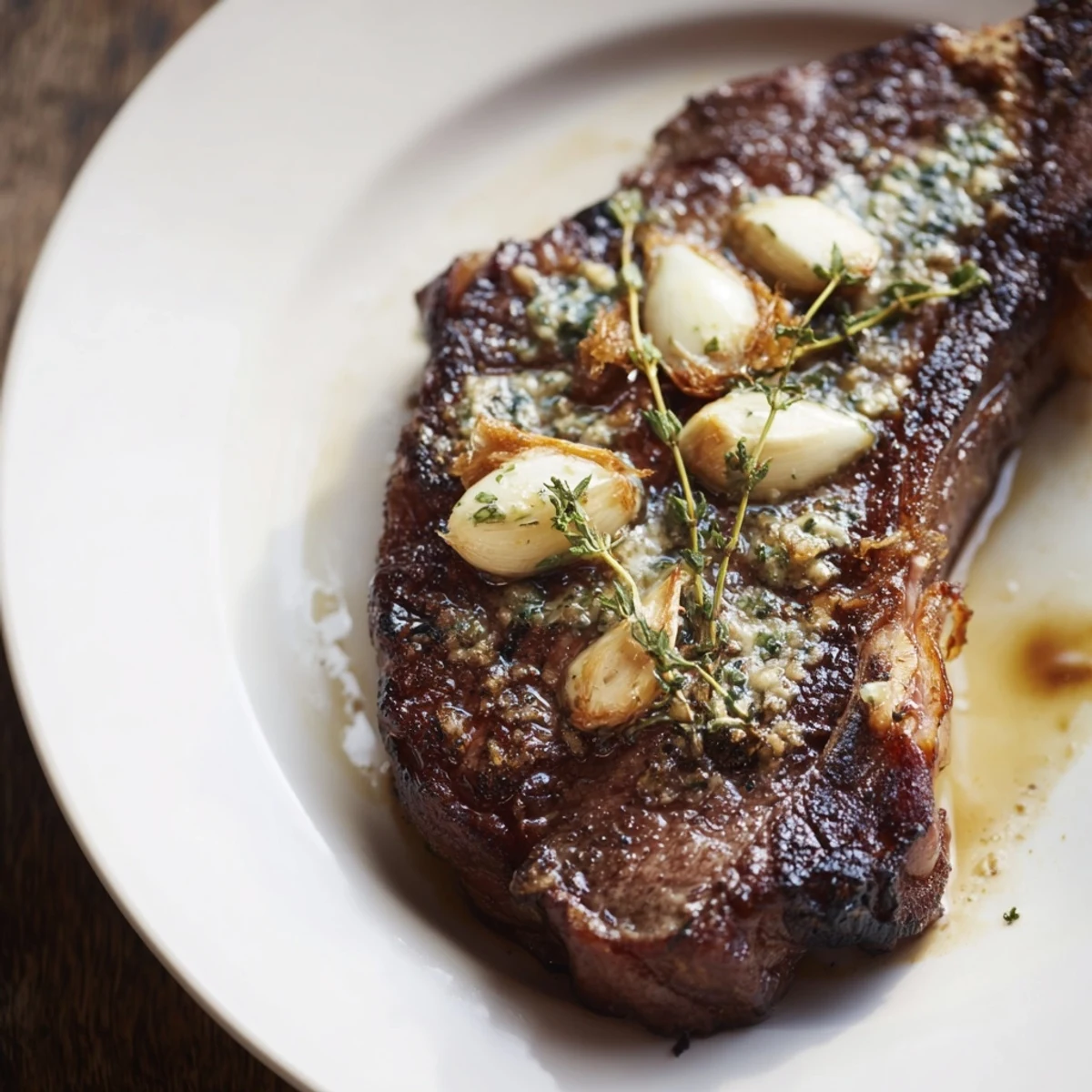
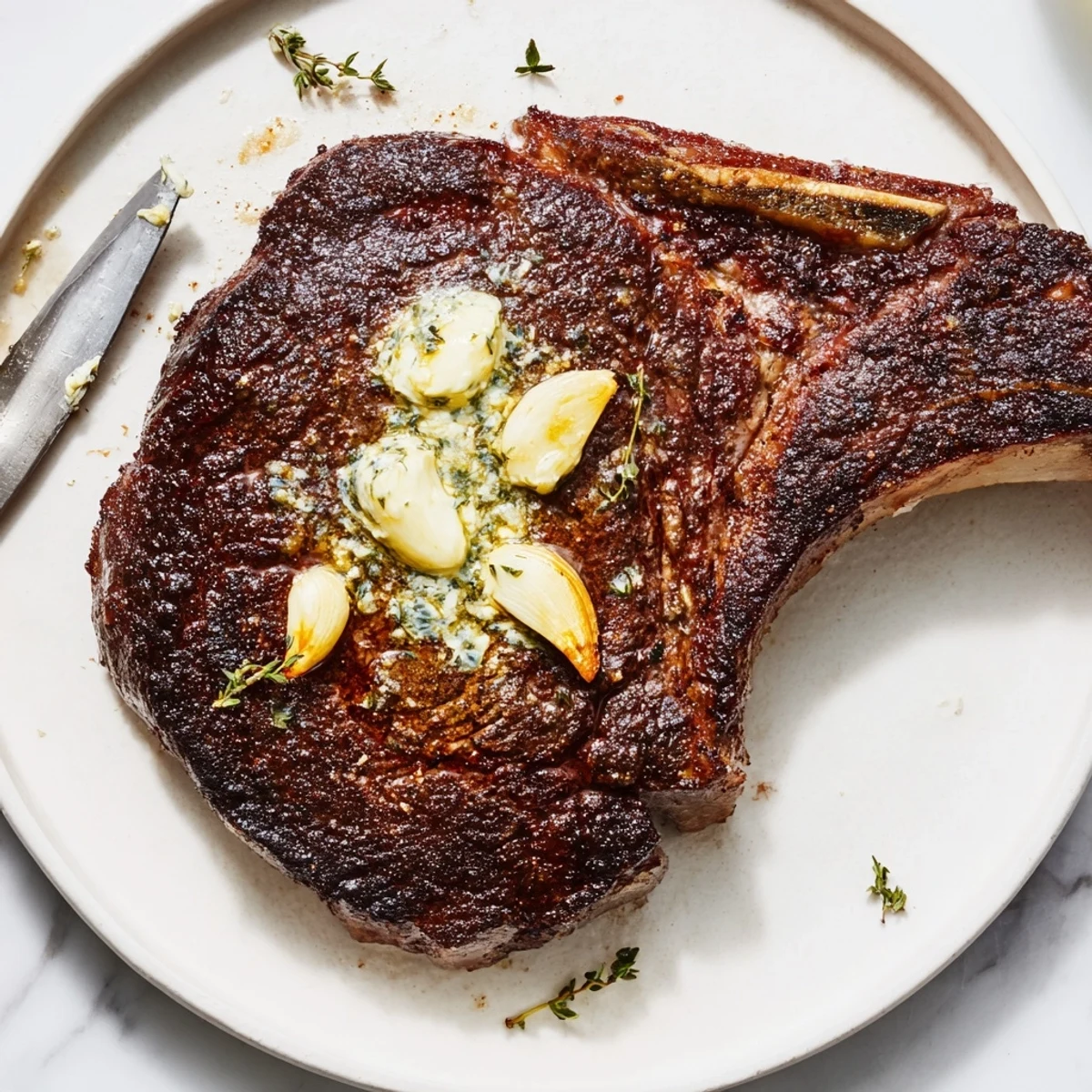
 This pan seared steak delivers a rich caramelized crust and tender, juicy interior. The steak is seasoned simply with kosher salt and black pepper before being cooked in a hot skillet with vegetable oil. Garlic cloves and fresh herbs like thyme or rosemary are added along with butter, which is spooned over the steak as it finishes cooking to infuse deep flavor. Resting the steak before slicing helps retain its juices, resulting in a delicious main dish that's easy and quick to prepare.
There was a night when I needed dinner fast but wanted something that felt special. I pulled two steaks from the fridge, grabbed my cast iron skillet, and twenty minutes later I had restaurant-quality seared steak on the table. The kitchen smelled like garlic and butter, and I realized this simple technique had been hiding in plain sight all along.
I made this for my neighbor after she helped me move furniture, and she kept asking what my secret was. There was no secret, just heat, timing, and that final spoonful of butter spooned over the top. She texted me the next week saying she'd made it twice already.
Ingredients
- Boneless ribeye or strip steaks: Look for steaks at least 1-inch thick so you get a great crust without overcooking the inside, I learned this after a few thin steaks turned grey and tough.
- Kosher salt and black pepper: Season generously because a bold crust needs it, and kosher salt sticks better than table salt.
- Vegetable oil: Use something with a high smoke point like canola or grapeseed, olive oil will burn and make the kitchen smoky.
- Unsalted butter: This melts into the pan and becomes the basting liquid that coats every surface with richness.
- Garlic cloves: Smash them with the side of your knife so they release their oils into the butter without burning.
- Fresh thyme or rosemary: Optional but wonderful, the herbs perfume the butter and make the whole dish smell incredible.
Instructions
- Bring to room temperature:
- Let the steaks sit out for 20 to 30 minutes and pat them completely dry with paper towels. A dry surface sears better and moisture will steam instead of brown.
- Season boldly:
- Sprinkle salt and pepper on both sides, more than you think you need. The seasoning forms part of that beautiful crust.
- Heat the skillet:
- Get your cast iron screaming hot over high heat, then add the oil and swirl it around. You want the pan so hot that the steak sizzles the second it touches down.
- Sear the first side:
- Lay the steaks in without moving them and let them sit undisturbed for 2 to 3 minutes. Resist the urge to peek, the crust is forming.
- Flip and baste:
- Turn the steaks over, drop in the butter, garlic, and herbs, then tilt the pan and spoon that golden butter over the meat. This is where the magic happens.
- Finish cooking:
- Keep basting and cook for another 2 to 3 minutes for medium-rare, or use a thermometer to hit 130 to 135°F. Everyones stove is different so trust the temp more than the clock.
- Rest before slicing:
- Move the steaks to a plate and let them sit for 5 minutes. The juices redistribute and every bite stays tender.
 Pin This
 One evening I served this with roasted potatoes and a simple salad, and my brother said it was better than the steakhouse down the street. I didn't tell him how easy it was until he'd already finished his plate.
Choosing Your Steak
Ribeye has more marbling and tastes incredibly rich, while strip steak is leaner but still tender and flavorful. I usually grab whichever looks best at the butcher counter that day, but I always check the thickness because anything under an inch cooks too fast and loses that perfect pink center.
Doneness Guide
Medium-rare hits around 130 to 135°F and stays juicy with a warm red center, medium is 135 to 145°F and feels firmer, and anything past that starts to lose tenderness. I keep a cheap instant-read thermometer in my drawer because guessing never works as well as I think it will.
Serving Suggestions
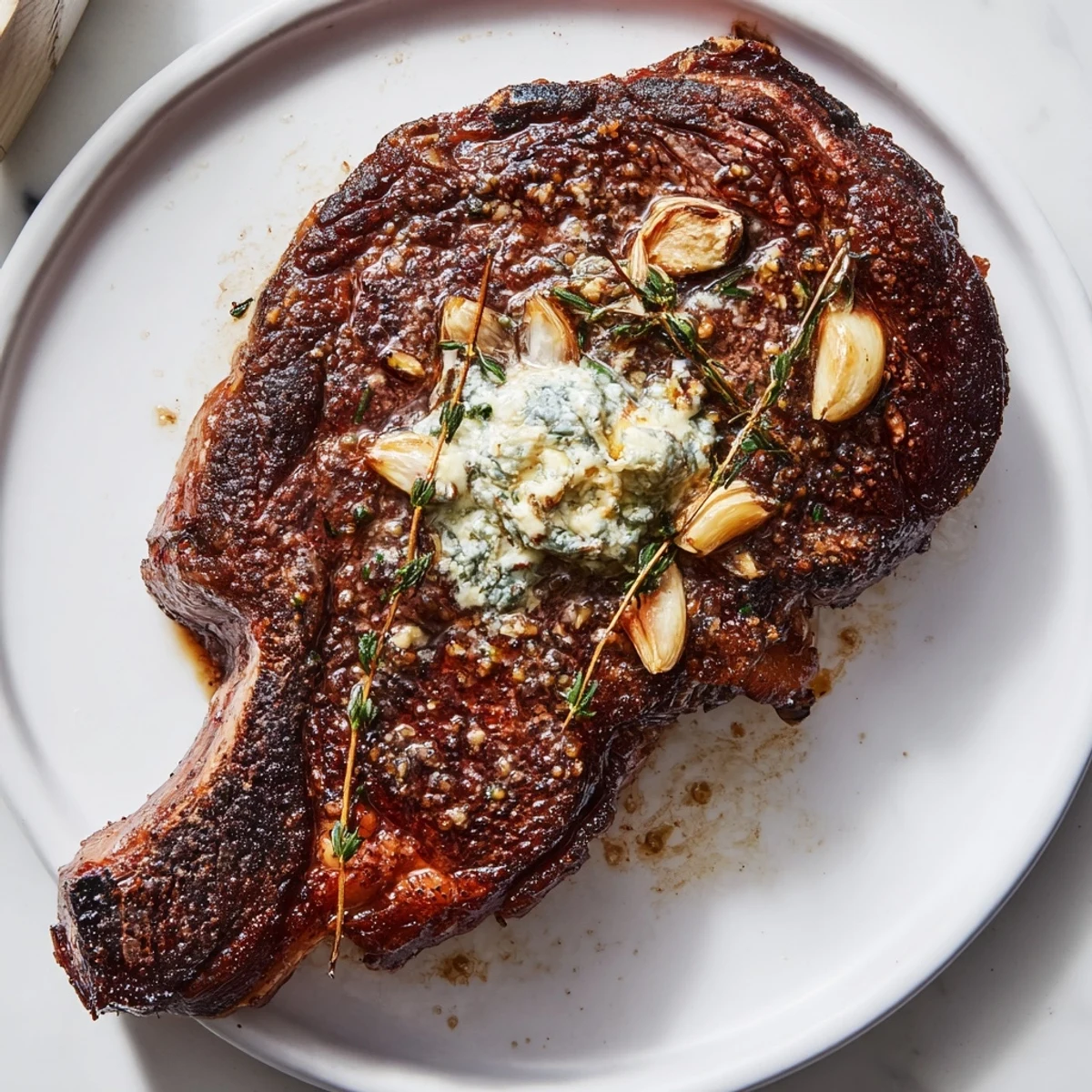
This steak shines next to roasted vegetables, mashed potatoes, or a crisp green salad with a tangy vinaigrette. I sometimes make a garlic butter compound by mixing softened butter with minced garlic and parsley, then letting a pat melt on top of each steak right before serving.
- Pour yourself a glass of Cabernet Sauvignon or Malbec, the tannins cut through the richness beautifully.
- Spoon any leftover pan butter over your sides, nothing should go to waste.
- If you have extra steak, slice it thin and pile it onto a salad or sandwich the next day.
 Pin This
 This recipe taught me that great steak at home isn't about complicated techniques or expensive ingredients, just heat, timing, and a little butter. Now it's one of those meals I reach for when I want something satisfying without spending all night in the kitchen.
Recipe FAQs
- → What cut of steak works best for pan searing?
-
Boneless ribeye or strip steaks about 1-inch thick are ideal as they develop a good crust without overcooking inside.
- → How do I get a perfect caramelized crust?
-
Ensure the skillet is very hot before adding steak and avoid moving it during the initial sear to create a deep brown crust.
- → What herbs complement the garlic butter?
-
Fresh thyme or rosemary add aromatic depth that pairs wonderfully with garlic and butter.
- → Why should the steak rest after cooking?
-
Resting allows juices to redistribute, keeping the steak moist and tender when sliced.
- → Can I use a different fat instead of butter?
-
Yes, oils with a high smoke point like grapeseed can be used for searing, but butter adds richness during the finishing step.
- → How do I check steak doneness without a thermometer?
-
Use the finger test method or cut into the steak slightly to check the color and texture, though a thermometer is most accurate.