
 Pin This
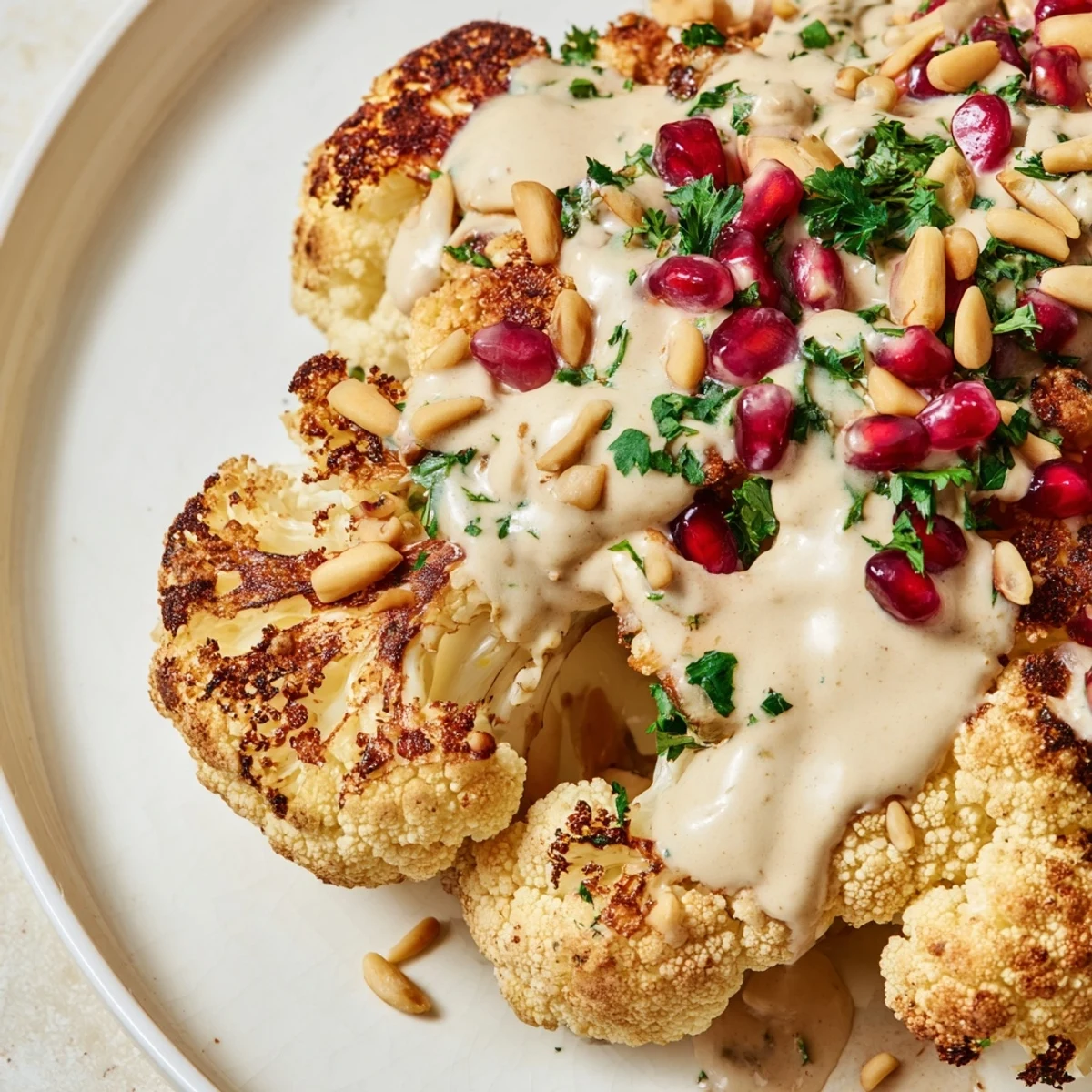
 Cauliflower is sliced into thick steaks, brushed with a warm blend of olive oil and spices, then roasted until tender and golden. A creamy tahini dressing, brightened with lemon juice and garlic, complements the savory cauliflower. Garnished with fresh parsley and optional toasted nuts or pomegranate seeds, this dish offers a richly flavored, plant-based option ideal as a main or side. Easy to prepare and perfect for Middle Eastern-inspired meals.
I discovered roasted cauliflower steaks completely by accident one Wednesday evening when I was trying to use up a head of cauliflower before it went bad. Instead of chopping it into florets like usual, I sliced it thick and it transformed into something entirely different—meaty, almost steaklike, with caramelized edges that tasted nothing like the mushy vegetable I'd been avoiding for years. The first bite with a drizzle of tahini dressing made me stop mid-chew; this wasn't a side dish, it was a main course masquerading as vegetables.
I made this for my friend Marco on a cool autumn evening when he'd just gone vegan, and I could see the relief wash over his face when he realized dinner didn't mean eating nothing but salad. He asked for the recipe that same night, and now he makes it every other week. That moment taught me that the best dishes are the ones that quietly change someone's mind without them realizing it.
Ingredients
- Cauliflower heads (2 large): Look for heads with tightly packed florets and no brown spots—the fresher it is, the better the roast. I learned to slice them lengthwise through the core so each steak holds together instead of falling apart.
- Olive oil (3 tbsp for coating): Don't use the fancy extra virgin here; save that for the dressing where you'll actually taste it. Regular olive oil has a higher smoke point and won't burn as easily in the oven.
- Ground cumin (1 tsp): This is the spice that makes people ask what you've done differently. It adds warmth without being aggressive, rounding out the earthy cauliflower perfectly.
- Smoked paprika (1 tsp): The secret to those golden, almost-caramelized edges that make your kitchen smell incredible. Real smoked paprika makes all the difference.
- Garlic powder (1/2 tsp) and salt & pepper: Keep the amounts modest here since the tahini dressing adds more seasoning—you want balance, not a spice overload.
- Tahini (1/3 cup): This is pure sesame paste, not hummus or any shortcut. I buy it from the international section because it's usually fresher and cheaper. Stir it well before measuring since the oil separates.
- Fresh lemon juice (2 tbsp): Bottled lemon juice tastes flat and chemical here. Squeeze fresh lemons and taste the dressing as you go—it should make your mouth water a little.
- Garlic (1 clove, minced fine): Mince it as small as you possibly can so you don't get sharp, raw garlic bites in every spoonful. I learned this the hard way.
- Water (2 tbsp, plus more as needed): Add this gradually to your tahini dressing so you don't over-thin it. Tahini drinks up liquid fast, and you're looking for something that pours smoothly but isn't runny.
- Pine nuts or almonds (optional, toasted): Toasting them yourself in a dry pan for two minutes changes everything—suddenly they're nutty and bright instead of pale and boring. This step takes thirty seconds and makes people think you're more skilled than you are.
- Fresh parsley (2 tbsp chopped): The bright color and fresh flavor cut through the richness of the tahini and make the dish feel complete. Don't skip this; it does more work than it looks like.
Instructions
- Heat your oven and prep the pan:
- Get your oven to 425°F and line a baking sheet with parchment paper. I use parchment because it means zero cleanup and nothing sticks, which makes me actually want to cook this on busy weeknights.
- Slice your cauliflower into steaks:
- Remove the outer leaves, trim the stem, then slice the head lengthwise into 1-inch-thick steaks, keeping the core intact so everything holds together. You'll get about 2-3 good steaks per head; the small florets that fall off go into a container for roasting separately another night.
- Coat generously with spiced oil:
- Mix your olive oil with cumin, smoked paprika, garlic powder, salt, and pepper, then brush both sides of each steak generously. Don't be shy here—the oil is what gets those golden, crispy edges you're after.
- Roast until golden:
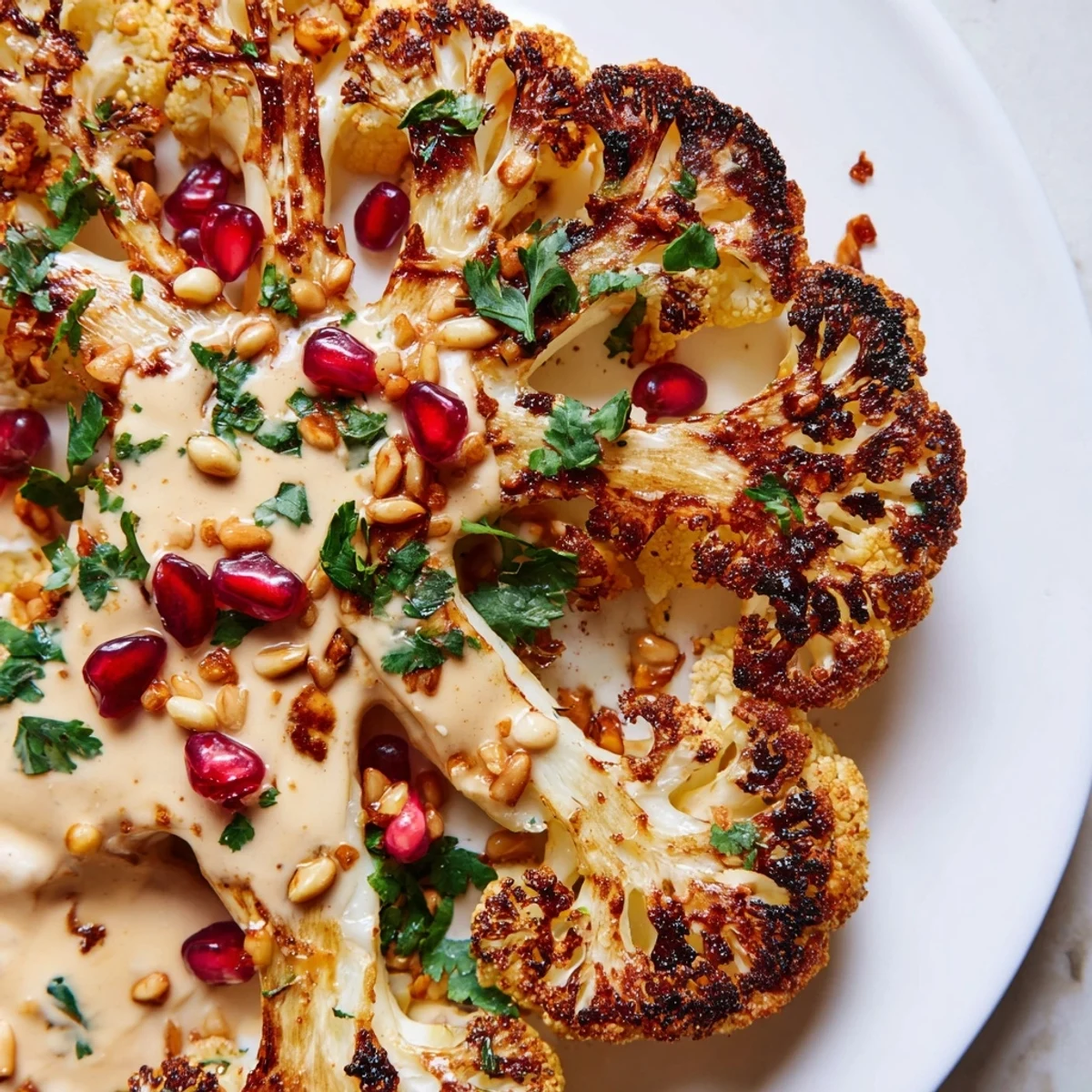
- Lay steaks flat on the baking sheet and roast for 15 minutes. Flip carefully, then roast another 10-15 minutes until the edges are caramelized and a fork pierces the center easily. The smell alone is worth the wait.
- Make your tahini dressing:
- While the cauliflower roasts, whisk together tahini, minced garlic, lemon juice, olive oil, salt, cumin, and a pinch of cayenne if you want heat. Add water slowly, whisking constantly, until you have something that pours smoothly—like thick cream, not like soup.
- Plate and finish:
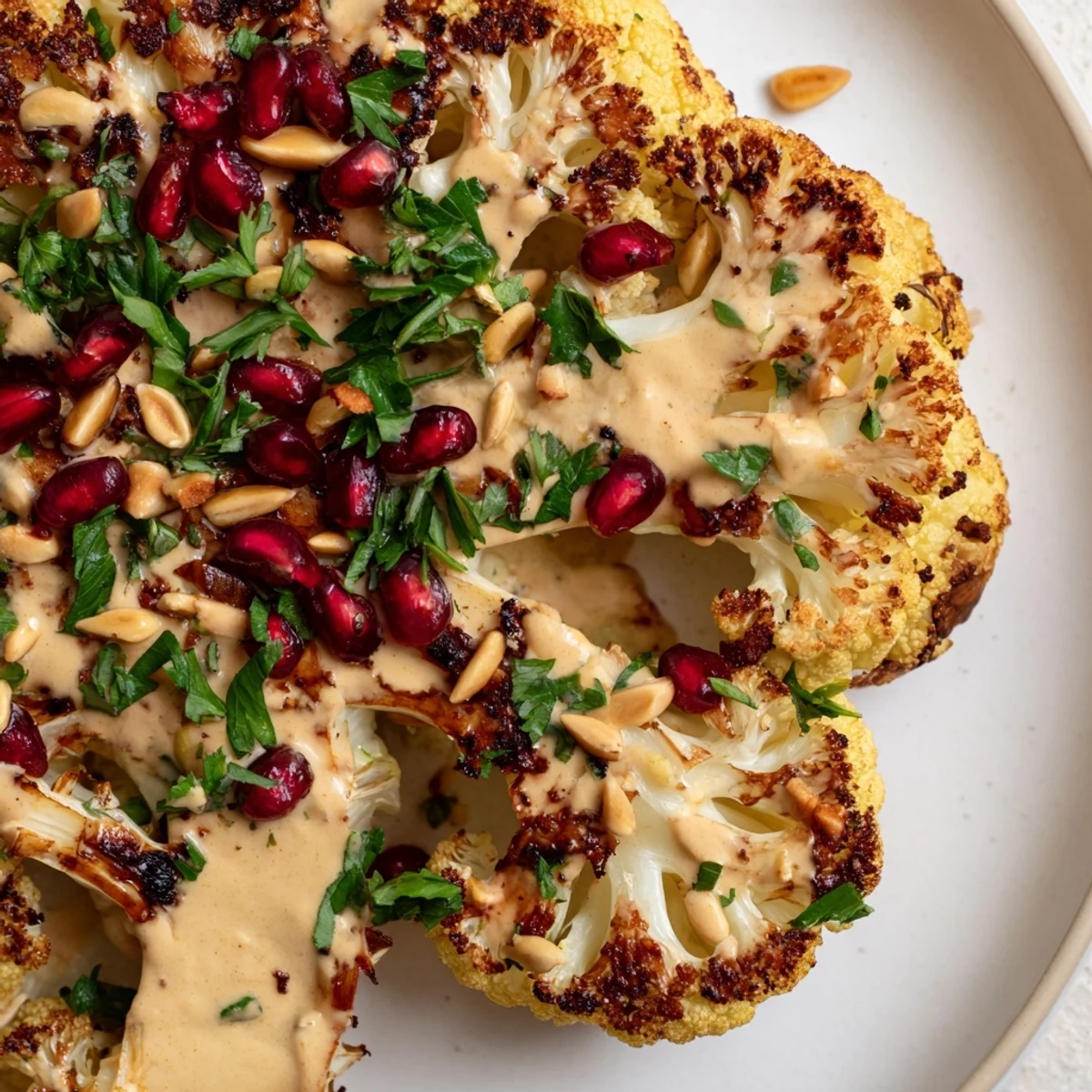
- Transfer the hot steaks to plates, drizzle with tahini dressing, and scatter fresh parsley, toasted nuts if using, and pomegranate seeds across the top. Serve immediately while everything is still warm.
 Pin This
 There was a moment last winter when my mom, who's been a carnivore her whole life, sat down to this without realizing the main protein was a vegetable. She ate the whole plate and only found out when she reached for seconds. I've never seen her so surprised by something I'd made, and now she asks me to bring this to family dinners.
Why Thick Slices Matter
The thickness is what separates this from regular roasted cauliflower. Those 1-inch slices mean the outside caramelizes and crisps up while the inside stays tender and almost creamy. If you slice too thin, you end up with everything golden but nobody can tell it's a "steak." The thickness also means it holds together—you get to cut into it, which feels more substantial than a bowl of florets.
The Tahini Dressing Is Everything
I've learned that the tahini dressing is what makes people come back for more. It's nutty and tangy at the same time, and the lemon juice cuts through the richness so you don't feel like you're eating something heavy. The garlic should be barely detectable—just there to add depth. I usually taste it and add a tiny pinch more salt because tahini mutes flavors, and I want the dressing to taste bright and alive, not muted and flat.
Serving Ideas and Variations
Serve this as a main dish with quinoa or rice and a simple salad, or alongside grilled chicken or fish if you want to add more protein. I've also made it for potlucks and served it at room temperature, which somehow made it even better—the flavors had time to settle and become more interesting. You can make it your own by adding heat with chili flakes, swapping lime for lemon in the dressing, or broiling the steaks for 1-2 minutes at the end if you want crispier edges.
- For extra crunch, top with toasted breadcrumbs or crispy chickpeas instead of nuts.
- Make a batch of tahini dressing on Sunday and use it all week on salads, roasted vegetables, and grain bowls.
- If pomegranate seeds are expensive or out of season, chopped fresh herbs or a squeeze of lemon at the table work just as well.
 Pin This
 This dish has become my answer to the question "what's for dinner?" on nights when I want something that feels special but doesn't require a lot of fuss. It's proof that sometimes the simplest transformations make the biggest impact.
Recipe FAQs
- → How do you prepare cauliflower steaks evenly?
-
Slice cauliflower into 1-inch thick pieces, keeping the core intact to hold the steaks together for even roasting.
- → What spices enhance the roasted cauliflower flavor?
-
A blend of ground cumin, smoked paprika, garlic powder, salt, and black pepper provides warmth and depth.
- → How is the tahini dressing made smooth?
-
Whisk tahini with lemon juice, garlic, olive oil, and gradually add water until the dressing becomes creamy and pourable.
- → Can this dish accommodate dietary restrictions?
-
It is naturally vegan and gluten-free, though check for nut allergies when adding pine nuts or almonds as garnish.
- → What sides pair well with this dish?
-
Serve alongside quinoa, rice, or grilled meats for a balanced meal with complementary textures and flavors.