 Pin This
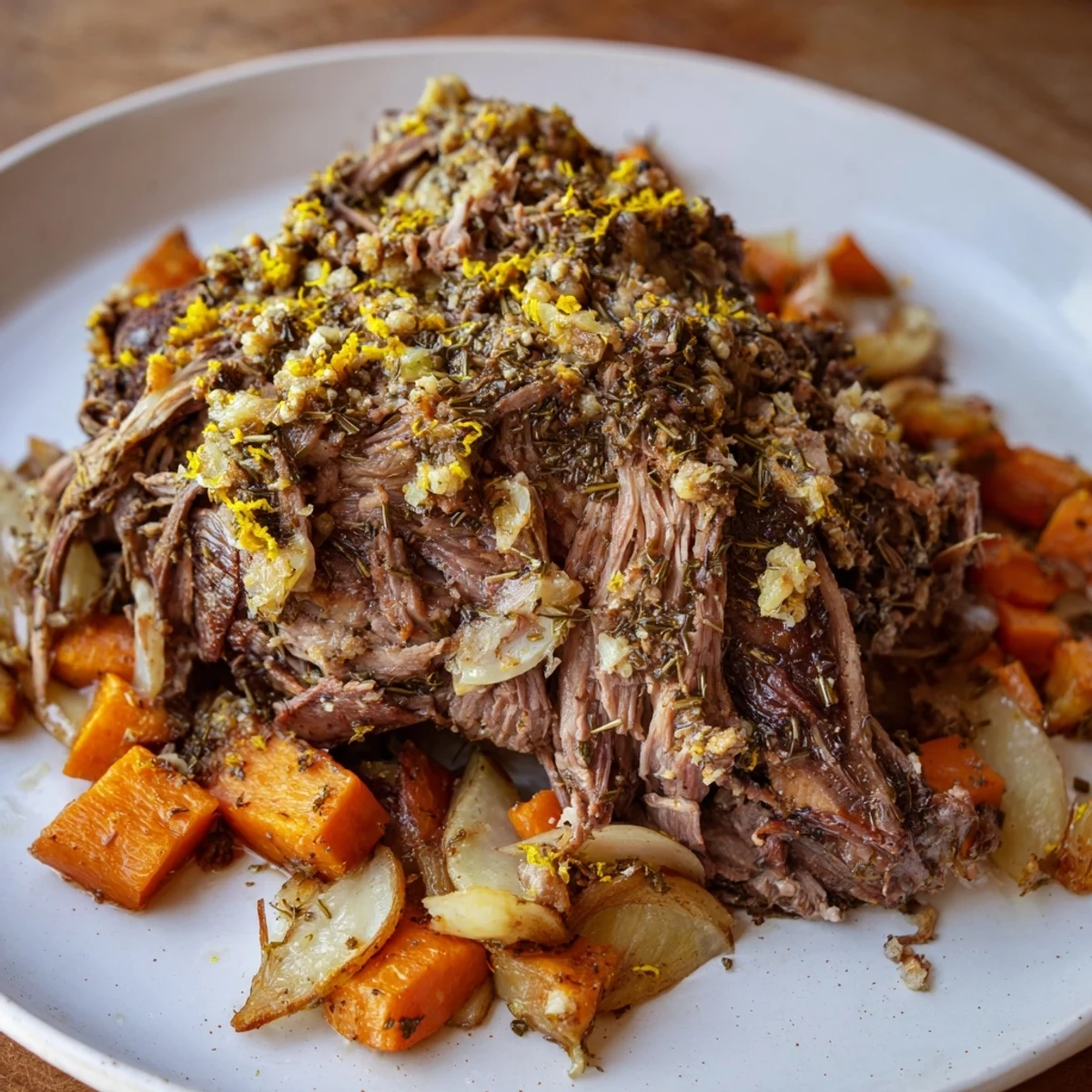
 This dish features a bone-in lamb shoulder slow-cooked at low temperature with a garlic and herb paste, including rosemary, thyme, and oregano. Root vegetables like onions, carrots, and celery provide a savory base while white wine and stock add depth. The slow roasting process breaks down the meat for a tender, juicy texture. Resting the lamb before serving enhances flavor and moisture retention. Perfect for gatherings, it's a comforting and rich dish suitable for Mediterranean cuisine lovers.
The way lamb fills the entire house with its perfume is something I didn't truly appreciate until I moved into my first apartment with a proper kitchen. My neighbor used to roast lamb every Sunday, and that scent would drift through the hallway vents, making everyone on our floor slightly hungry and unusually friendly to one another.
I made this for my father's birthday one year when I was still nervous about cooking meat properly. The carving knife slid through like butter, and he kept asking which expensive restaurant I'd ordered it from. That quiet victory of nailing a dish that looks impressive but is actually forgiving and low-stress has made this my go-to for times when I want people to feel special without spending the entire day chained to the stove.
Ingredients
- 1 bone-in lamb shoulder (approx 2 kg / 4.5 lb): The bone adds incredible depth to the cooking liquid and keeps the meat moist during those long hours. Ask your butcher to trim some of the excess fat if you prefer, but honestly that fat is where the flavor lives.
- 6 cloves garlic, minced: Don't be shy here. The garlic mellows beautifully over hours and becomes almost sweet. Fresh is best, but in a genuine emergency jarred minced garlic won't ruin you.
- 2 tbsp fresh rosemary, finely chopped: Piney and resinous, rosemary stands up to lamb's richness perfectly. Strip the needles backward against the stem for easy removal, then chop finely.
- 2 tbsp fresh thyme leaves: Earthy and subtle. Hold the stem at the top and pull downward against the growth to strip off the tiny leaves quickly.
- 2 tbsp fresh oregano, finely chopped: Bright and slightly peppery. If your oregano is flowering, even better, those tiny flowers are edible and lovely.
- 1 tsp sea salt: Use a good one. The lamb needs proper seasoning to shine.
- 1 tsp freshly ground black pepper: Grind it fresh. Your future self deserves that consideration.
- 1 lemon, zested and juiced: The zest cuts through all that rich meat beautifully. Zest before you cut it open, or you'll be fishing zest out of juice later.
- 3 tbsp olive oil: Helps bind the herbs into a paste and carries flavor into every crevice of the meat.
- 2 large onions, sliced: These will collapse into a sweet, jammy foundation for your lamb. Don't bother with perfect slices, they're going to disappear anyway.
- 3 carrots, cut into chunks: Rough chunks are perfect here. They'll absorb all those meat juices and become something extraordinary.
- 2 celery stalks, cut into chunks: Provides a savory base note that you can't quite put your finger on but would miss if it were gone.
- 250 ml dry white wine: Something you'd actually drink. The alcohol evaporates, but the wine's character stays behind.
- 250 ml chicken or beef stock: Creates your braising liquid. Homemade is wonderful, but don't stress if you're using store-bought.
Instructions
- Preheat your oven to 150°C (300°F):
- This low temperature is what transforms tough connective tissue into melting tenderness. If your oven runs hot or cold, consider an oven thermometer.
- Mix your herb paste:
- Combine the garlic, rosemary, thyme, oregano, salt, pepper, lemon zest, lemon juice, and olive oil until it forms a fragrant, spreadable paste. Rub it between your fingers to release the herb oils.
- Prepare the lamb:
- Pat the shoulder completely dry with paper towels. Wet meat steams instead of roasting, and we want that crust. Rub the herb mixture everywhere, pressing into every crevice and fold.
- Build your base:
- Arrange the onions, carrots, and celery in your roasting pan or Dutch oven. This vegetable bed keeps the lamb from direct contact with the metal and becomes incredible eating.
- Add the liquid:
- Pour the wine and stock around the lamb, not over it. You don't want to wash off all that lovely herb paste you just applied.
- The long wait:
- Cover tightly and roast for 4 to 4.5 hours. Every hour or so, open briefly to baste the meat with those pan juices. The lamb is done when it pulls apart easily with a fork.
- Finish with a crust:
- Remove the lid for the last 30 minutes. The meat should be tender enough that this is just for appearance and texture.
- Rest before serving:
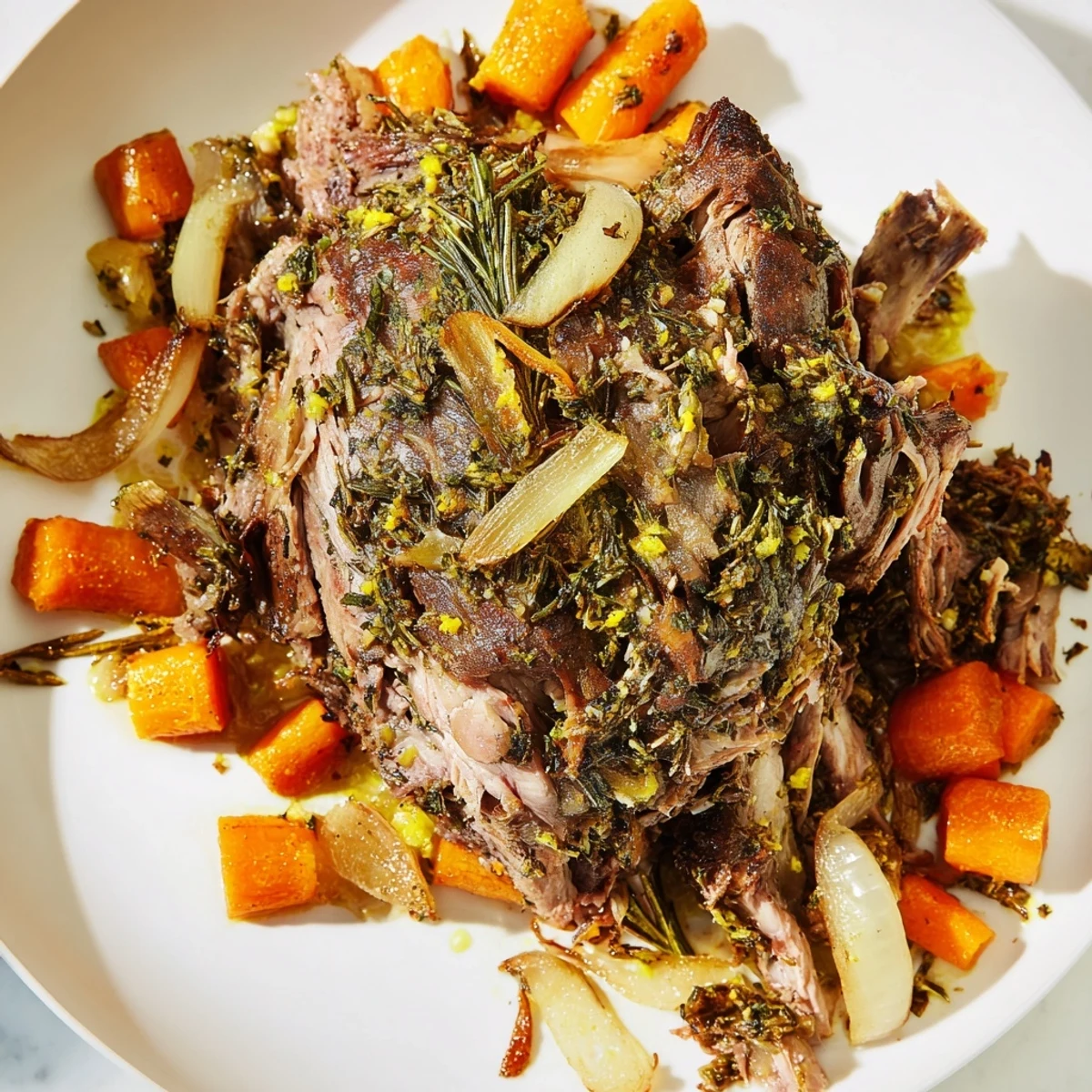
- Let the lamb rest for at least 15 minutes. Those juices need time to redistribute or they'll escape the moment you cut into it. Serve with the vegetables and plenty of pan juices.
 Pin This
 There's something about the communal nature of this dish that I love. The way everyone gathers around while you carve, the way the meat pulls apart in soft shreds, how people inevitably go back for seconds even when they swore they were full. It's become my default for difficult conversations, celebrations, or just because Tuesday felt like it needed some extra warmth.
Make Ahead Magic
This lamb actually improves with time. Cook it a day ahead, refrigerate overnight, and the fat rises to the top for easy removal. Reheat gently, covered, at 160°C until warmed through. The flavors have married and intensified, and you get to enjoy your own dinner party instead of checking the oven every ten minutes.
Temperature Trust
If you're nervous about doneness, invest in an instant-read thermometer. You're looking for around 95°C (200°F) internal temperature for that falling-apart tenderness. This is much higher than you'd cook a rack of lamb, but shoulder needs that heat to break down properly. Trust the process and let it go until it yields easily to a fork.
The Wine Question
The wine you cook with matters, but not in the way you might think. You want something dry and decent quality, but expensive wine doesn't automatically mean better food. A basic drinkable Sauvignon Blanc or Pinot Grigio works beautifully. If you wouldn't drink it, don't cook with it. But also, don't waste something exceptional.
- Don't add cold liquid directly to your hot pan, which can cause cracking. Let the wine and stock come to room temperature first.
- If you prefer not to use wine, additional stock works fine. Consider adding a splash of apple cider vinegar for brightness.
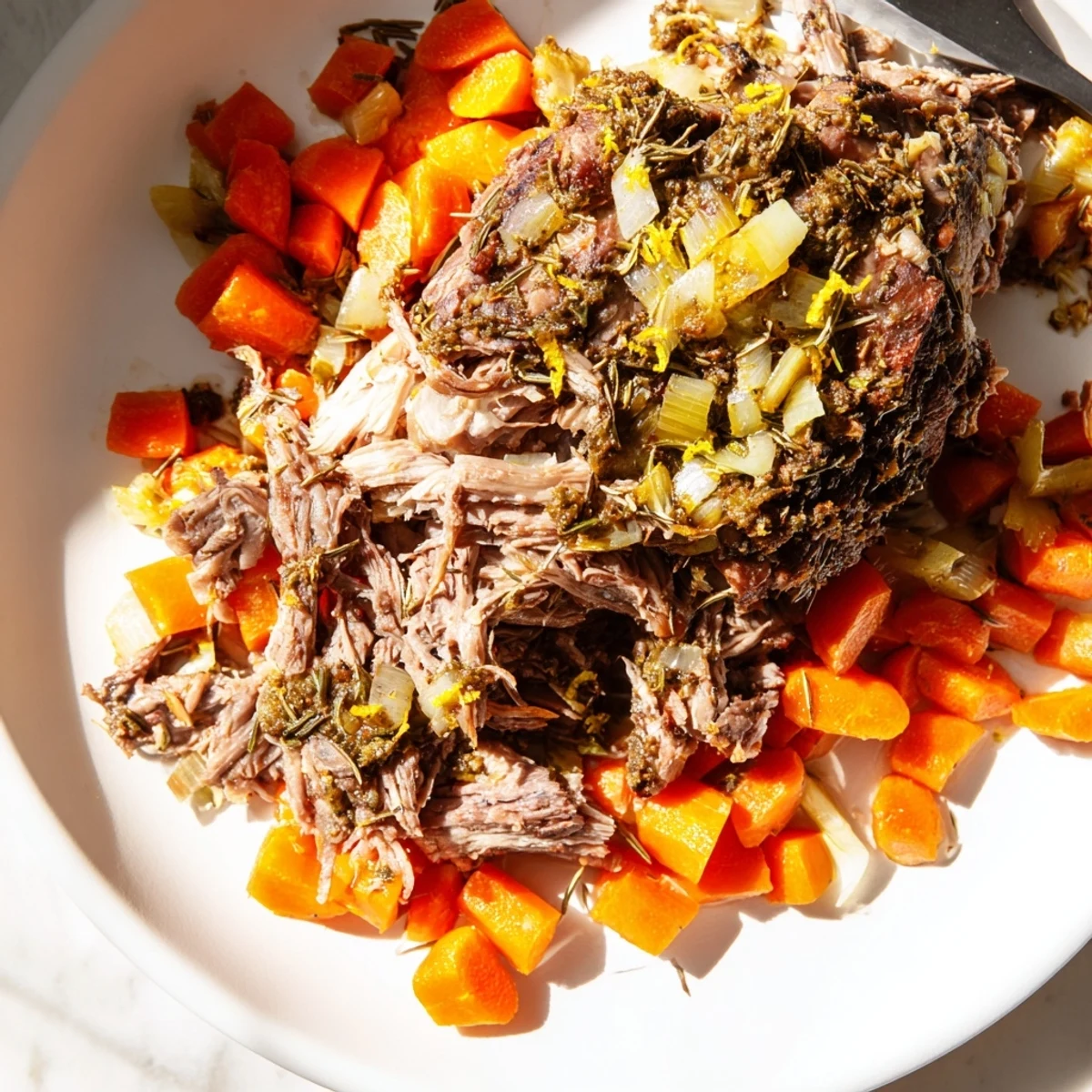
- Leftover lamb makes incredible sandwiches the next day, especially with some of those softened vegetables and a bit of those pan juices.
 Pin This
 Lamb this good deserves to be shared, but if you somehow end up with leftovers, consider yourself lucky. The flavors deepen overnight and those leftovers become precious secrets you might not even offer to share.
Recipe FAQs
- → What cut of lamb is best for this dish?
-
A bone-in lamb shoulder around 2 kg (4.5 lb) is ideal for slow cooking as it becomes tender and flavorful over time.
- → Can I prepare the lamb ahead of time?
-
Yes, marinating the lamb overnight with the garlic and herb mixture enhances the depth of flavor before slow cooking.
- → What herbs complement lamb in this preparation?
-
Fresh rosemary, thyme, and oregano are used to create an aromatic and balanced herb paste for seasoning the lamb.
- → How do the vegetables contribute to the dish?
-
Onions, carrots, and celery act as a flavorful bed, absorbing juices and providing a subtle sweetness and texture contrast.
- → Is it necessary to use wine and stock during cooking?
-
Yes, the white wine and stock add moisture and layers of flavor, helping keep the lamb tender throughout the slow roast.
- → Can dried herbs be used instead of fresh?
-
Dried herbs can be substituted at half the amount, though fresh ones provide a brighter flavor profile.