
 Pin This
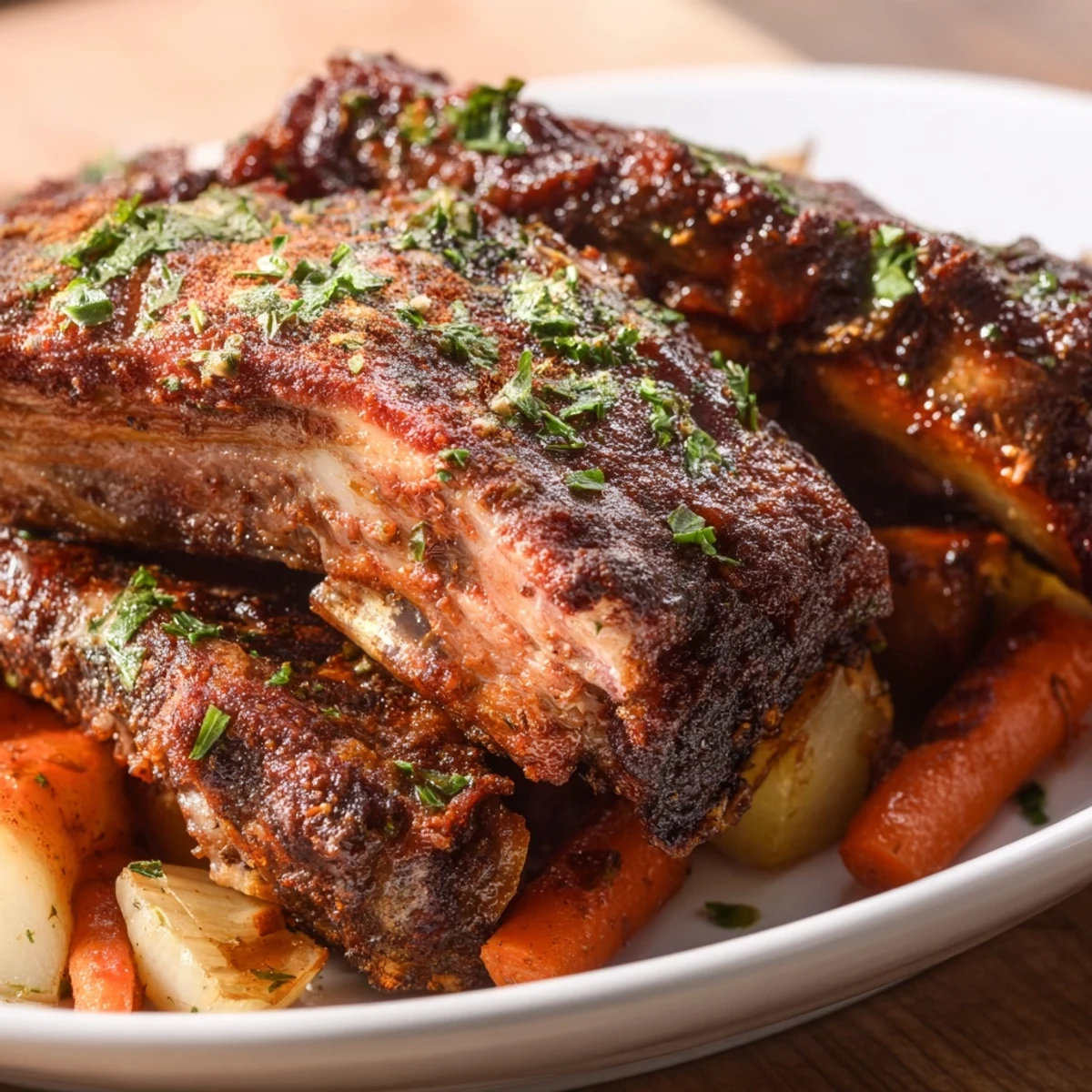
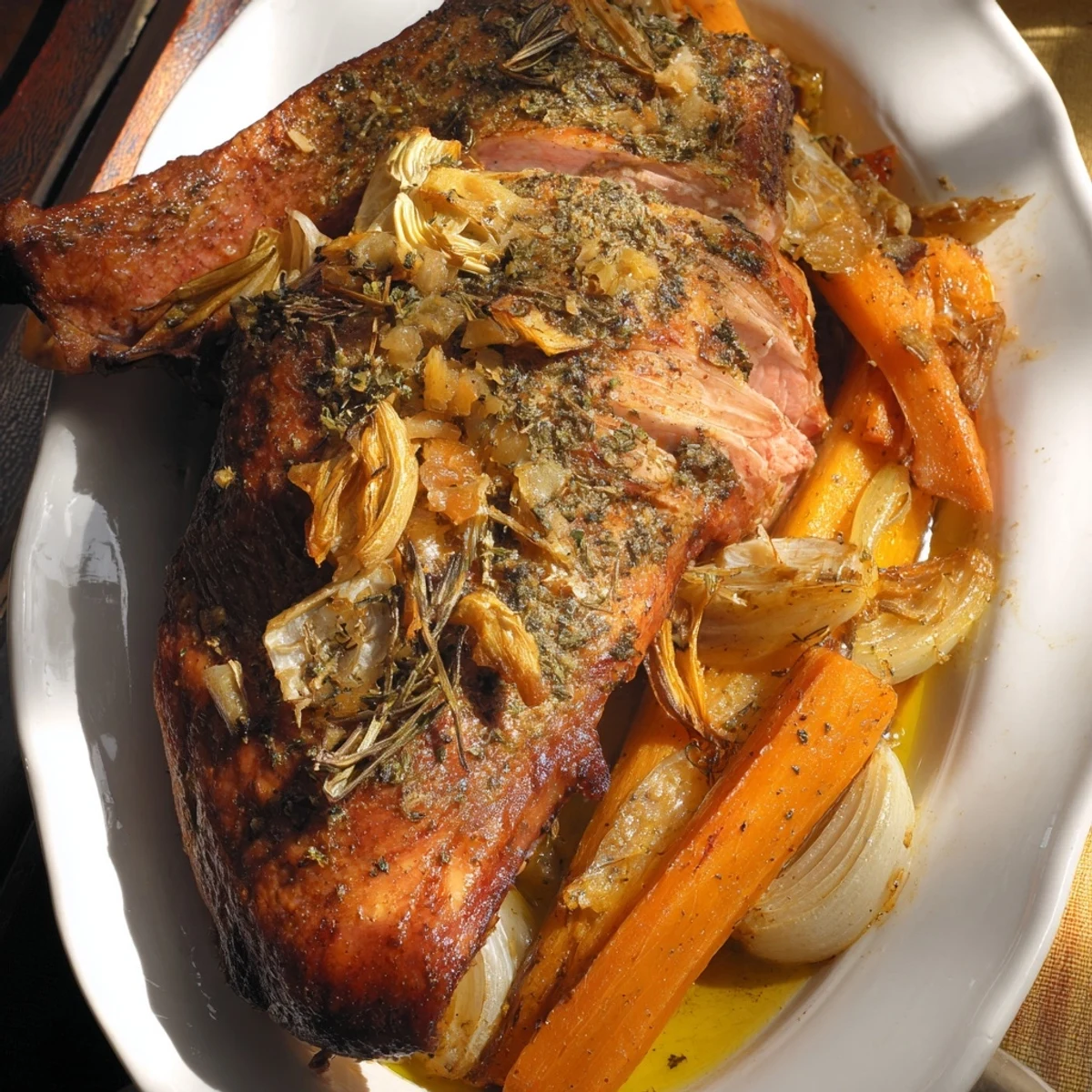
 This slow-roasted turkey breast is gently seasoned with fresh thyme, garlic, and a hint of lemon zest. The bird is placed on a bed of root vegetables, absorbing rich flavors during the low and slow cooking process to achieve tender, juicy meat with crispy skin. Resting after roasting ensures maximum succulence. Ideal for festive gatherings or satisfying dinners, it pairs wonderfully with roasted potatoes and fresh cranberry sauce.
I pulled this turkey out of the oven on a Thursday night when I had no reason to cook something fancy, just wanted the house to smell like something worth coming home to. The thyme hit first, then the garlic, and I stood there with a wooden spoon in my hand realizing I'd been overthinking dinner for years. Slow heat and a little patience did more than any complicated technique ever could.
My neighbor knocked on the door once while this was roasting and asked if I was having a party. I wasnt, just making dinner for two, but the smell had drifted across the driveway and apparently made her nostalgic for her grandmothers kitchen. I sent her home with a plate and she still asks me to make it every November.
Ingredients
- Turkey breast, bone-in and skin-on: The bone keeps everything juicy and the skin crisps up beautifully if you finish it hot.
- Olive oil or melted butter: Butter adds richness but olive oil keeps it lighter, I switch depending on what else is on the table.
- Garlic cloves, minced: Fresh garlic turns sweet and mellow in the oven, jarred stuff just tastes sharp and wrong.
- Fresh thyme leaves: This herb was made for poultry, it does not compete, it just lifts everything quietly.
- Fresh rosemary, finely chopped: Optional but I almost always add it because it makes the skin taste like something you would order at a restaurant.
- Salt and black pepper: Do not skip the salt under the skin, that is where the seasoning actually matters.
- Lemon zest: Just the zest, no juice, it brightens the whole thing without making it citrusy.
- Onion, carrots, and celery: These are not for eating, they are for flavor and they keep the turkey off the bottom of the pan so it roasts instead of steams.
- Low-sodium chicken broth: Keeps the pan from drying out and becomes the base for gravy if you want to make it.
Instructions
- Preheat and prep the herb rub:
- Set your oven to 150°C and mix the olive oil, garlic, thyme, rosemary, salt, pepper, and lemon zest in a small bowl. It should smell like a garden after rain.
- Season the turkey:
- Pat the turkey dry, then gently slide your fingers under the skin to loosen it without tearing. Rub half the herb mixture directly onto the meat, then smooth the rest over the skin.
- Build the roasting bed:
- Scatter the onion, carrots, and celery across the bottom of your roasting pan and pour in the broth. Set the turkey on top, skin-side up.
- Slow roast:
- Roast uncovered for 1 hour 45 minutes to 2 hours, until a thermometer reads 74°C in the thickest part. The skin will be pale but the meat will be perfect.
- Crisp the skin (optional):
- Crank the oven to 220°C for the last 10 minutes if you want golden, crackling skin. Watch it closely so it does not burn.
- Rest and serve:
- Tent the turkey loosely with foil and let it rest for 20 minutes. Strain the pan juices and serve them warm alongside the sliced meat.
 Pin This
 The first time I made this for my family, my brother, who usually only eats dark meat, went back for seconds and admitted he might have been wrong about turkey breast his whole life. That felt like winning something small but important.
Brining for Even More Flavor
If you have time the night before, dissolve a quarter cup of salt and two tablespoons of sugar in four cups of cold water, submerge the turkey breast, and refrigerate it overnight. Pat it completely dry before seasoning and you will notice the difference in every bite.
Making Gravy from the Pan Juices
After you strain the drippings, pour them into a small saucepan and simmer with a splash of white wine or more broth. Whisk in a cornstarch slurry if you want it thicker, or just serve it as a light jus that tastes like the turkey itself.
Storing and Reheating
Leftover turkey stays moist for up to four days in the fridge if you slice it only as you need it and keep the rest covered. Reheat slices gently in a covered dish with a spoonful of broth so they do not dry out.
- Cold sliced turkey makes the best sandwiches with cranberry sauce and a little mayonnaise.
- Shred leftovers into soup or mix with stuffing for a quick casserole.
- Freeze sliced turkey in portions with a little broth for up to three months.
 Pin This
 This turkey does not need a special occasion, it just needs a couple of hours and the willingness to let your oven do the work. It will repay you with something tender, flavorful, and worth every minute of waiting.
Recipe FAQs
- → How do I ensure the turkey breast stays juicy?
-
Cooking at a low temperature slowly allows the meat to retain moisture. Loosening the skin and rubbing herbs underneath also infuses flavor deeply while keeping it moist.
- → Can I use dried thyme instead of fresh?
-
Yes, dried thyme works well. Use about one-third the amount of fresh thyme to maintain balanced flavor.
- → What temperature should the turkey reach when done?
-
The internal temperature should reach 74°C (165°F) at the thickest part for safe and perfectly cooked meat.
- → What vegetables work best as a roasting bed?
-
A mix of onions, carrots, and celery creates a flavorful base that enhances the turkey's aroma and juices during roasting.
- → How can I get a crispy skin on the turkey breast?
-
Increase oven temperature to 220°C (425°F) for the last 10 minutes of cooking to crisp up the skin while keeping the meat tender inside.