 Pin This
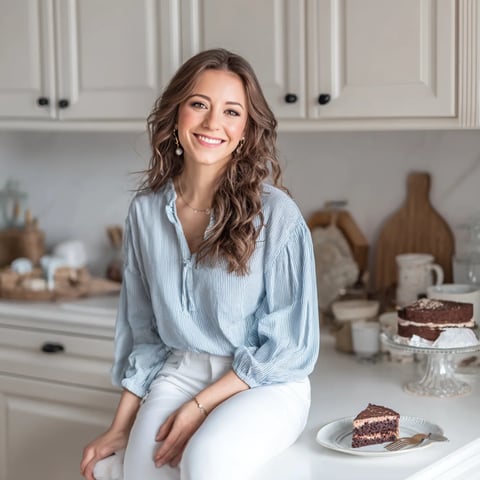
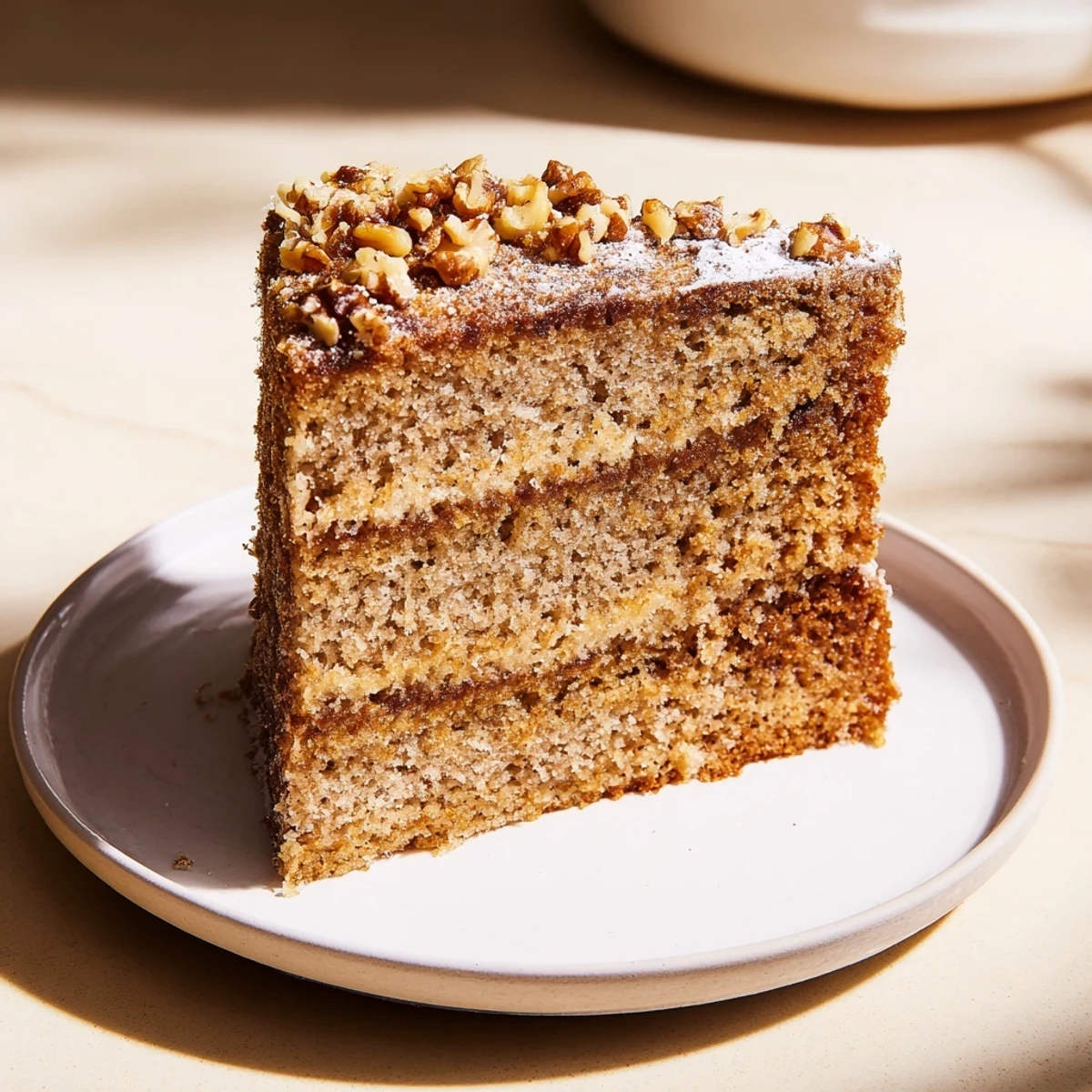
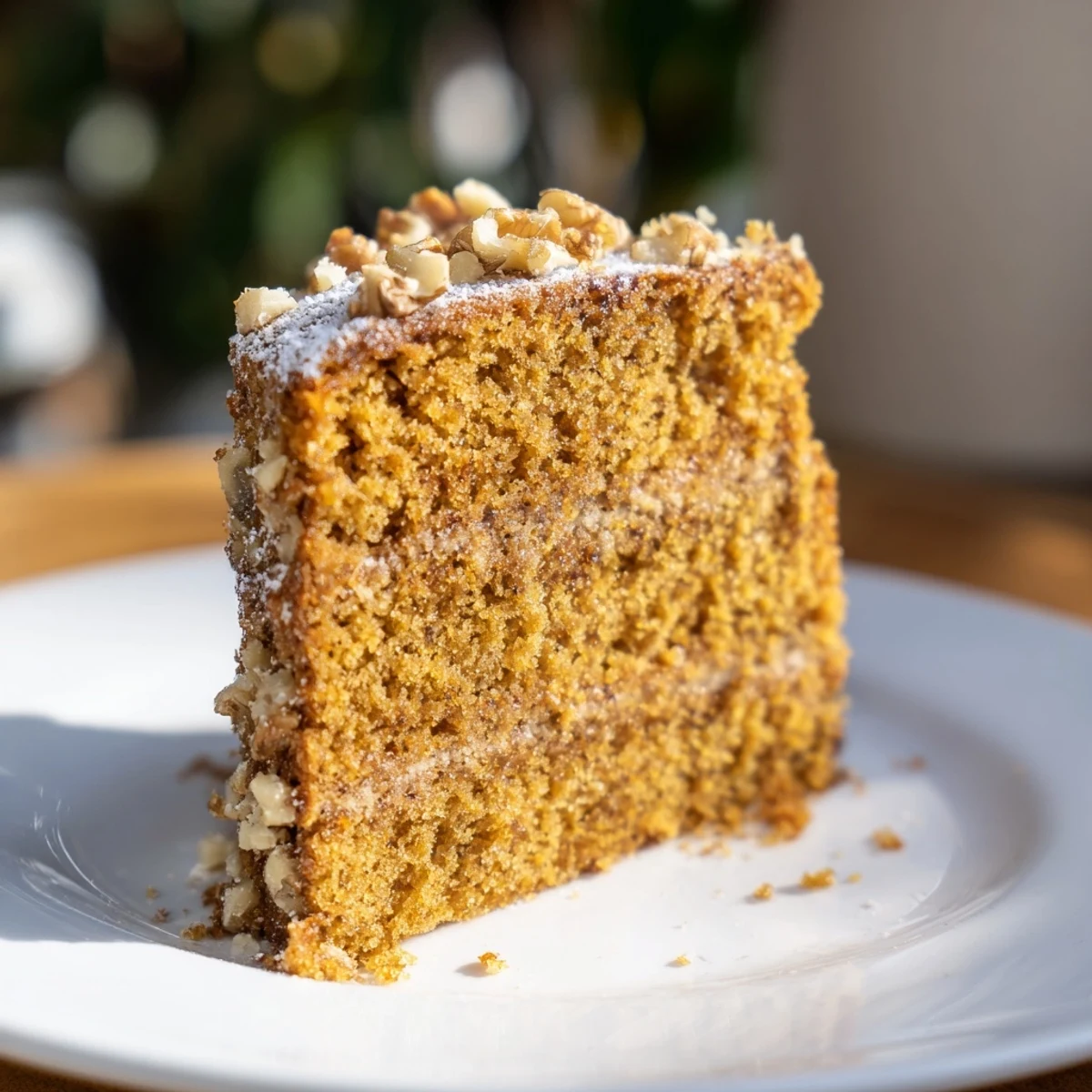
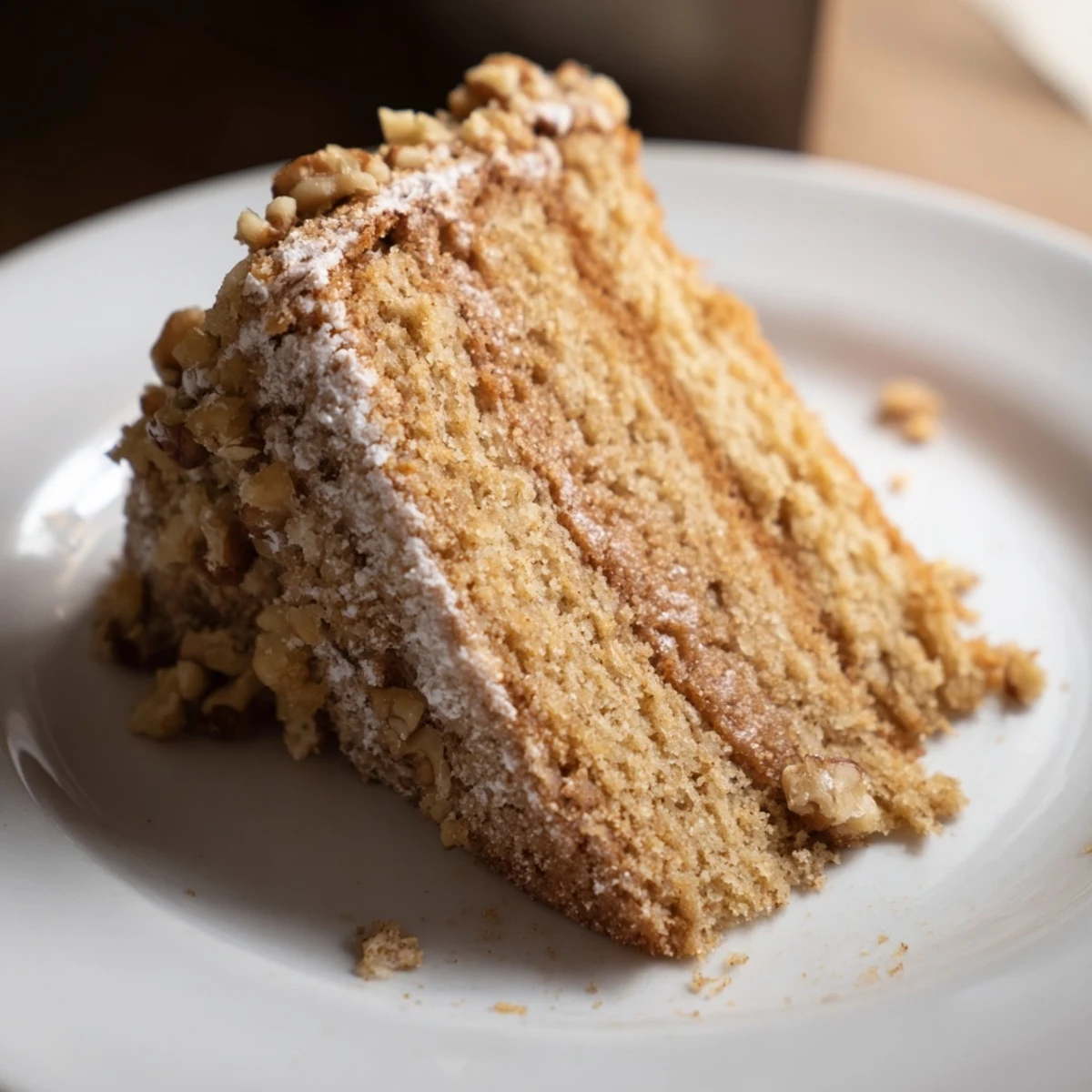
 This moist cake is infused with a blend of warming spices including cinnamon, ginger, nutmeg, cloves, and allspice. The batter combines brown sugar, soft butter, eggs, and molasses for a rich, comforting flavor. Apple cider vinegar adds a subtle tang that balances sweetness. Optional chopped pecans or walnuts add texture, while a dusting of powdered sugar finishes it with a delicate touch. Perfect for an easy, flavorful dessert that brings warmth without any alcohol.
I remember the first time I baked a spiced cake without rum—it was an autumn afternoon when a dear friend mentioned she'd been craving those warm, comforting spice flavors but didn't drink alcohol. I realized that the magic of spiced cake isn't in the liquor at all; it's in those precious warming spices that make your kitchen smell like a cozy embrace. That day, I discovered that the right combination of cinnamon, ginger, nutmeg, and cloves could create something just as rich and memorable as any traditional version. Now, this is the cake I reach for whenever I want to capture that feeling of home in every bite.
I'll never forget bringing this cake to my book club on a chilly October evening. As everyone took their first bites, the room went quiet for just a moment—that magical pause where you know something tastes genuinely good. One friend asked for the recipe immediately, and another admitted she'd been missing spiced desserts. That night, this cake became more than just something I'd baked; it became a bridge between everyone at the table who wanted warmth and comfort without compromise.
Ingredients
- All-purpose flour (2 1/2 cups): The foundation that holds everything together—make sure yours is fresh and properly measured by spooning and leveling for the best texture
- Baking powder and baking soda (1 1/2 teaspoons and 1/2 teaspoon): These two work as a team to give you that perfect rise; the vinegar in the milk mixture reacts beautifully with the baking soda for extra lift
- Salt (1/2 teaspoon): Never skip this—it amplifies the spices and keeps the sweetness from becoming cloying
- Ground cinnamon (1 1/2 teaspoons): The star of the show; use fresh cinnamon if you can, as it makes a noticeable difference in flavor
- Ground ginger (1 teaspoon): Adds a subtle warmth and brightness that makes people wonder what they're tasting
- Ground nutmeg (1/2 teaspoon): A little goes a long way; this is what makes it feel special and slightly mysterious
- Ground cloves and allspice (1/4 teaspoon each): These are the secret notes that make your kitchen smell incredible and your cake taste unforgettable
- Unsalted butter (3/4 cup, softened): Softening it properly is non-negotiable—it should be like soft butter, not melted, so your cake stays tender
- Brown sugar (1 1/4 cups, packed): The molasses in brown sugar is what creates that moist, caramel-like depth
- Eggs (3 large): Bring them to room temperature before you start; they blend more smoothly and create a more tender crumb
- Vanilla extract (1 tablespoon): The subtle backbone that lets all those spices shine without competing
- Whole milk (1 cup): The apple cider vinegar transforms it into a buttermilk substitute that tenderizes the cake beautifully
- Unsulphured molasses (2 tablespoons): This brings an earthy sweetness and moisture that makes the difference between a good cake and one people remember
- Apple cider vinegar (1 tablespoon): Don't skip this—it's magic with the baking soda and creates that tender, almost melt-in-your-mouth crumb
Instructions
- Prepare your stage:
- Preheat your oven to 350°F and take a moment to prepare your 9-inch cake pan—grease it generously with butter and dust with flour, or line it with parchment paper if you prefer extra assurance. This step matters more than you'd think; it's what lets your cake release gracefully when it's golden and beautiful.
- Combine the dry team:
- In a medium bowl, whisk together your flour, baking powder, baking soda, salt, and all those gorgeous spices—cinnamon, ginger, nutmeg, cloves, and allspice. Take your time here; whisking them together ensures they're evenly distributed throughout the cake so every bite has that balanced warmth. Set this aside and you'll feel prepared.
- Cream the butter and sugar:
- In a large bowl, beat your softened butter and brown sugar together until it's light, fluffy, and pale—this usually takes about 2 to 3 minutes with an electric mixer. This step isn't just about combining; you're incorporating air into the mixture, which creates lift and tenderness in your finished cake. You'll know you're done when it looks almost mousse-like.
- Introduce the eggs gently:
- Add your eggs one at a time, beating well after each addition before you add the next. This patience pays off; if you rush and dump all three eggs in at once, the mixture might look separated and sad. After all three are in, stir in your vanilla extract and take a moment to appreciate how smooth and luxurious everything looks.
- Create the magical milk mixture:
- In a small bowl or measuring cup, combine your whole milk, molasses, and apple cider vinegar. Let it sit for just a minute—you'll notice it starting to curdle slightly and smell tangy. This is exactly what you want; it's becoming a buttermilk-like substitute that will make your cake incredibly tender and moist.
- Build the batter thoughtfully:
- Now comes the technique that makes the difference: add your dry ingredients and milk mixture in alternating additions, starting and ending with the dry ingredients. Begin with about a third of the dry mixture, mixing just until combined. Then add half the milk mixture and mix gently. Continue with another third of the dry mixture, then the remaining milk mixture, and finally the last of the dry ingredients. Mix until everything is just combined—this is crucial. Overmixing develops gluten and creates a tough, dense cake, so be gentle. This folding together, not beating together, is your secret.
- Fill and top the pan:
- Pour your batter into the prepared pan and smooth the top with a spatula or the back of a spoon. If you're using pecans or walnuts, sprinkle them now across the top—they'll toast slightly during baking and add a wonderful crunch to each bite.
- Bake with patience:
- Place the pan in your preheated oven for 38 to 42 minutes. You'll know it's done when a toothpick inserted into the center comes out clean or with just a few moist crumbs. The cake will smell absolutely incredible—that's your signal you're close. Don't be tempted to open the oven door constantly; just let it do its work.
- Cool with intention:
- When it comes out of the oven, let the cake cool in the pan for exactly 10 minutes—this allows it to set just enough to release cleanly. Then turn it out onto a wire rack and let it cool completely. Patience here means a cake that holds its shape beautifully. If you dust it with powdered sugar before serving, do so just before guests arrive for that fresh, beautiful finish.
 Pin This
 There's a moment that happens every time I make this cake—right when the first person tastes it and their eyes light up, and they say something like, 'Wait, there's no rum in this?' That's when I know I've created something that stands on its own, that doesn't need anything else to be special. This cake has taught me that sometimes the simplest stories make the most memorable desserts.
Making It Your Own
One of the beautiful things about this recipe is how it welcomes your personal touch. The foundation is strong enough to handle additions and modifications without losing its soul. I've discovered that you can fold in 1/2 cup of raisins or chopped dates if you want to add texture and pockets of sweetness—just toss them in with the final dry ingredient addition. Some friends have experimented with adding a splash of orange zest, which plays beautifully with the spices without making the cake taste citrusy. The molasses is forgiving; it anchors everything, so your additions feel like natural extensions rather than disruptions. This is a cake that grows with you and your kitchen creativity.
Serving This Cake
The magic of this cake continues right through to serving. On its own, it's perfect with a cup of tea or coffee, the spices providing their own kind of warmth. But if you want to make it feel like an occasion, a dollop of whipped cream or a scoop of vanilla ice cream transforms it into something you'd serve at a dinner party. I've found that this cake actually tastes better on day two—the flavors deepen and the moisture settles in, making it seem almost more luxurious than when it's fresh from the cooling rack. Wrapped well in an airtight container at room temperature, it stays wonderful for up to three days, which makes it a cake you can bake with confidence, knowing you're not racing against time.
Adapting for Your Needs
I've learned that this recipe is genuinely adaptable for different dietary preferences. If you need dairy-free, simply substitute plant-based butter—I've had success with brands that are softer and more similar to dairy butter—and non-dairy milk of your choice. The vinegar is still essential; it does the chemical work regardless of whether your milk is dairy or plant-based. For nut-free celebrations, just skip the pecans or walnuts entirely without substituting; the cake is rich enough on its own. For friends with nut allergies, always double-check your labels, because sometimes spices and some ingredients share processing facilities. This cake works hardest for inclusivity, so it rewards attention to those details.
- Dairy-free? Use plant-based butter and any non-dairy milk, keeping the vinegar for perfect crumb structure
- Nut-free? Skip the topping entirely; the cake doesn't need it to be special
- Make it ahead? You can wrap cooled slices and freeze for up to a month, then thaw at room temperature before serving
 Pin This
 This cake has become the one I make when I want to say something without words—comfort, care, warmth, and the knowledge that everyone deserves something that tastes this good. Every time you make it, you're creating more than dessert; you're creating a moment someone will remember.
Recipe FAQs
- → What spices are used to flavor this cake?
-
Cinnamon, ginger, nutmeg, cloves, and allspice create the warming spice blend in this cake.
- → Can I make this cake dairy-free?
-
Yes, use plant-based butter and non-dairy milk to keep it dairy-free without compromising flavor.
- → What nuts can be added for texture?
-
Chopped pecans or walnuts can be sprinkled on top before baking for added crunch.
- → How do I know when the cake is done baking?
-
A toothpick inserted in the center should come out clean after 38–42 minutes of baking at 350°F (175°C).
- → Can I add dried fruits for extra sweetness?
-
Yes, adding half a cup of raisins or chopped dates enhances texture and natural sweetness.