
 Pin This
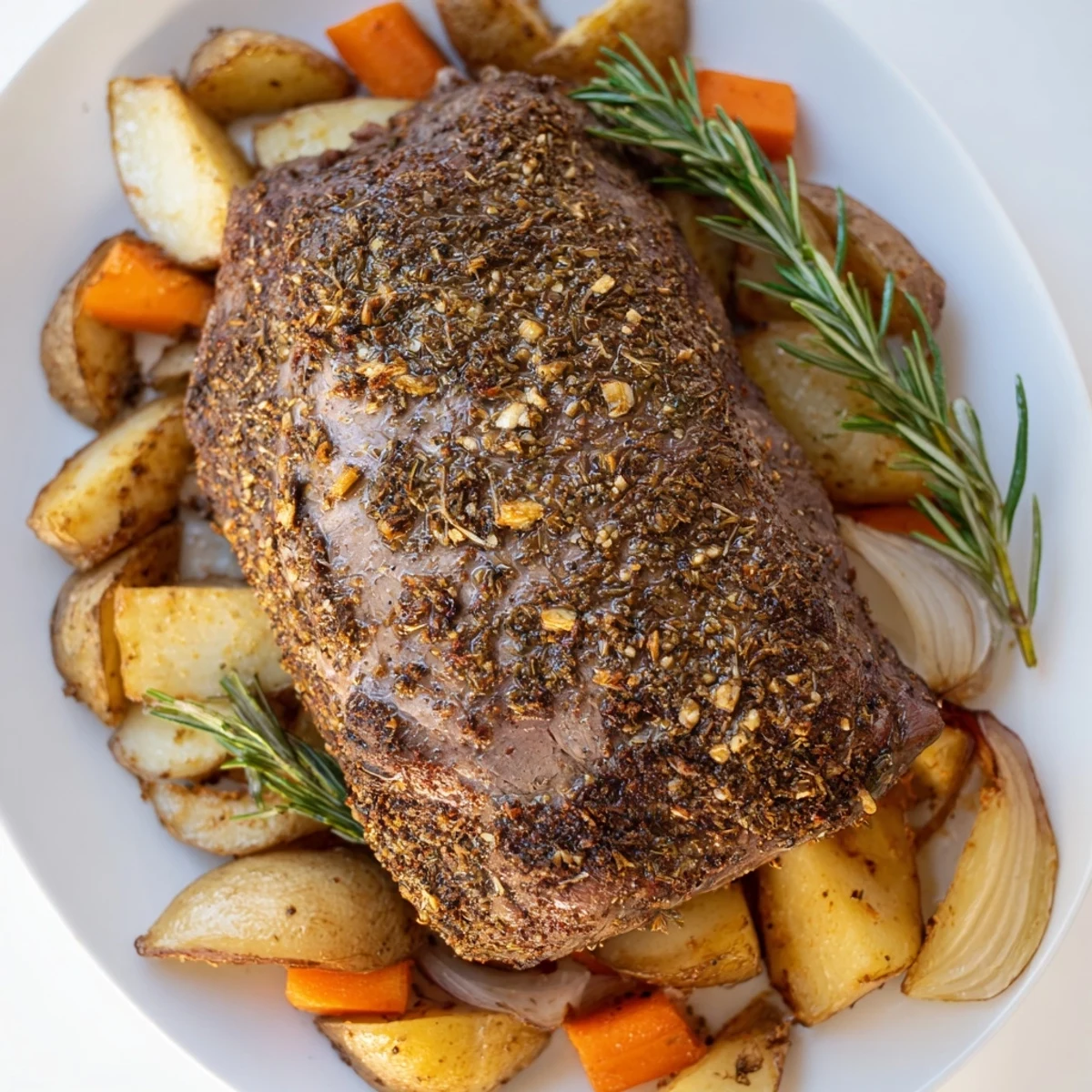
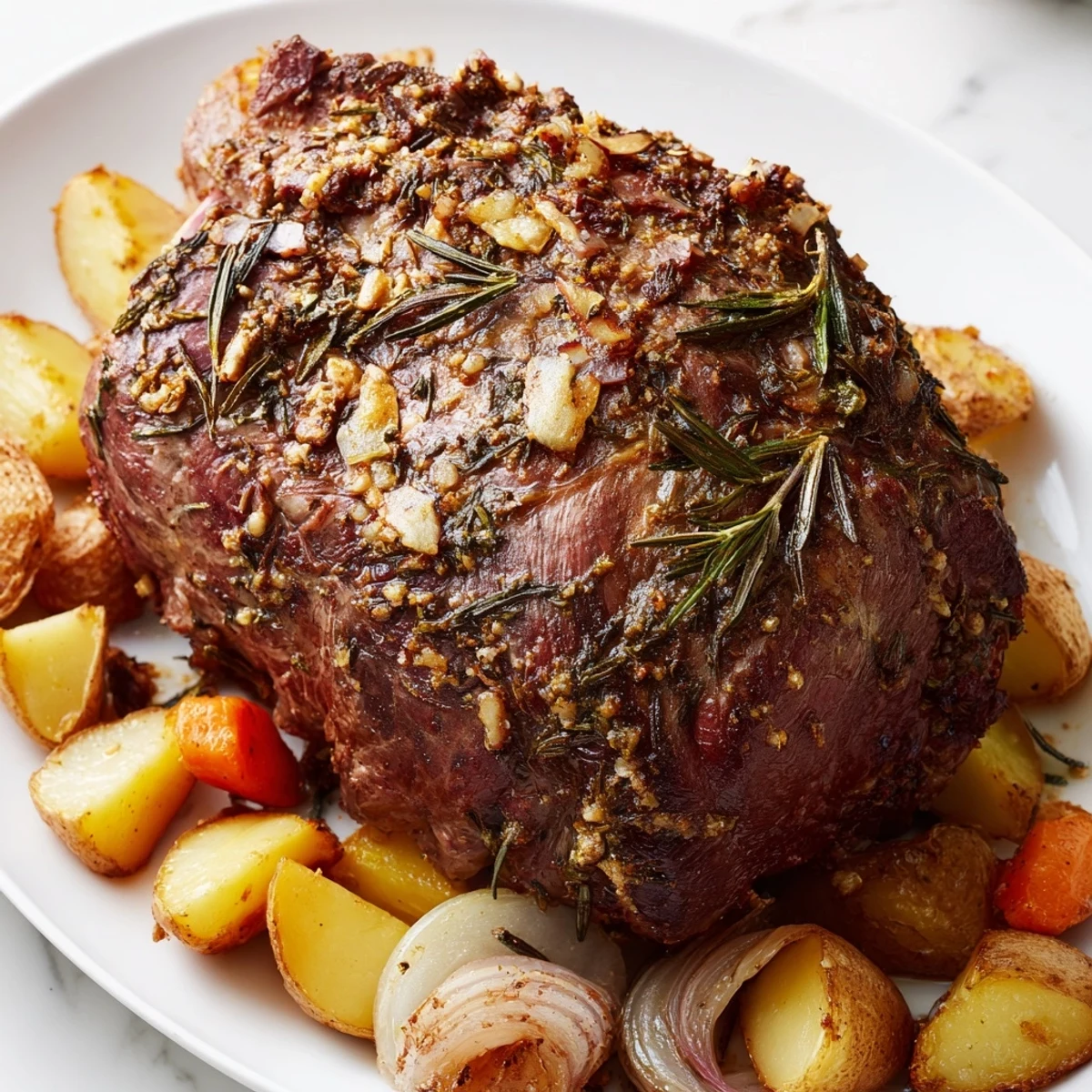
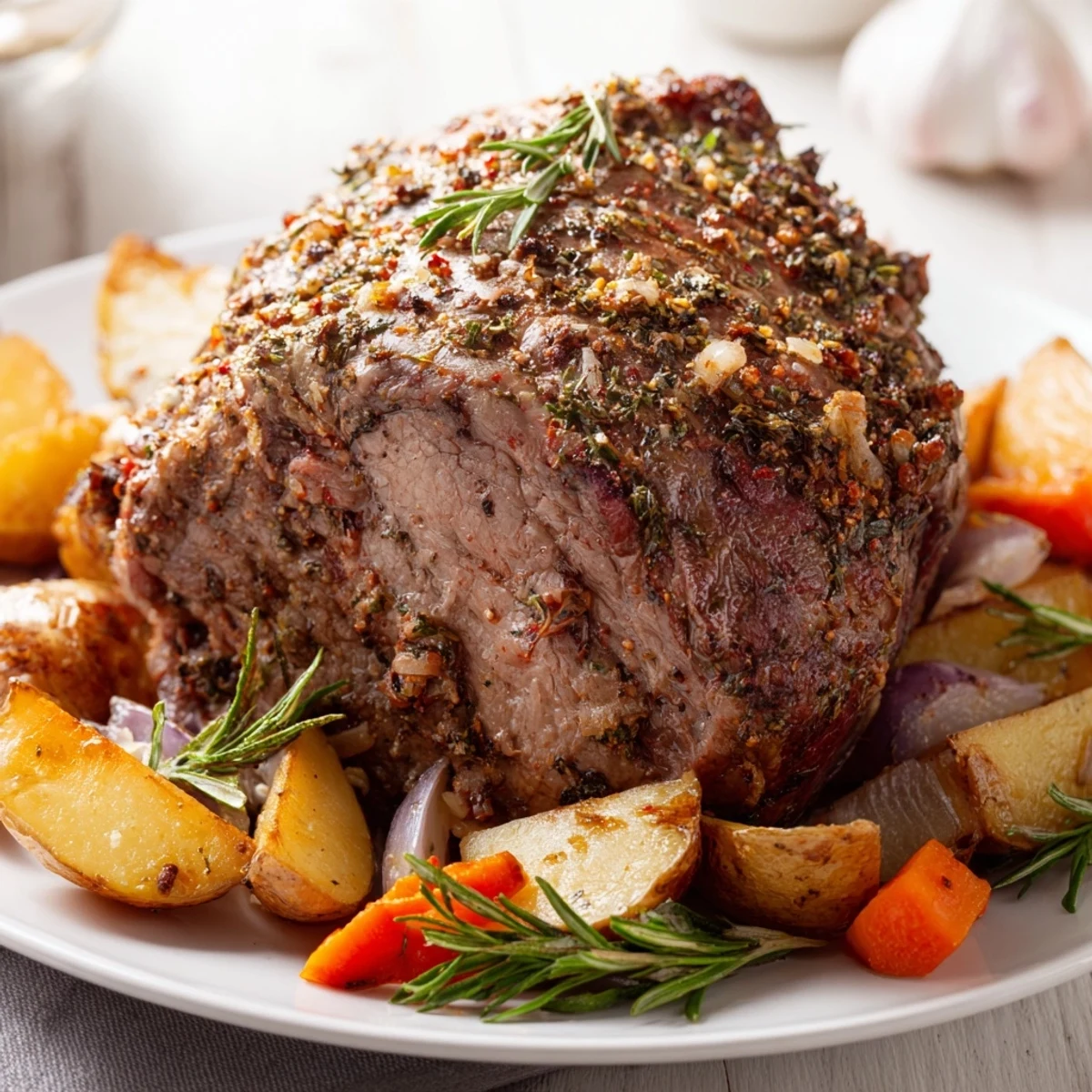
 This classic roasted meat offers a beautifully crisp golden crust and a tender, juicy interior. Seasoned with olive oil, garlic, rosemary, thyme, and smoked paprika, it's roasted alongside carrots, onions, and potatoes to absorb rich flavors. Cooking at high heat initially seals the meat’s juices, followed by slow roasting to ensure perfect doneness. Resting before slicing allows flavors to settle, making it ideal for family gatherings or special occasions that call for a hearty, flavorful dish.
There's something almost ceremonial about pulling a perfectly roasted beef from the oven, the kitchen filling with the scent of rosemary and garlic that somehow smells like celebration. My first attempt at a proper roast was less polished—I forgot to let it rest and ended up with dry slices—but that mistake taught me to respect the process. Now, whenever I set out a roast for family or friends, I remember my grandmother's kitchen, where these moments of patience and heat created the centerpiece of every important meal.
I made this for a Sunday dinner when my sister was visiting from out of town, and I'll never forget how quiet the table got the moment everyone took their first bite. The rosemary had perfumed the meat so thoroughly that even the vegetables tasted like they belonged in a restaurant kitchen. She asked for the recipe before dessert was even served, which, in our family, is the highest compliment.
Ingredients
- Beef roast (1.5 kg or 3.3 lbs): Choose sirloin, ribeye, or rump—I prefer sirloin for its balance of tenderness and flavor, though ribeye is luxuriously marbled if you want richness.
- Olive oil (3 tbsp): Use a good quality one; it's the carrier for all those lovely aromatics and helps build that gorgeous crust.
- Kosher salt (2 tsp) and black pepper (1 tsp): These form the foundation—don't skimp or use table salt, which tastes metallic.
- Garlic cloves, minced (4): Fresh garlic is non-negotiable; the minced pieces will caramelize into sweet, savory pockets throughout the meat.
- Fresh rosemary (2 tbsp) and thyme (1 tbsp): Dried works in a pinch, but fresh herbs create a more vibrant, alive flavor that makes people ask what your secret is.
- Smoked paprika (1 tsp): This adds warmth and a subtle smokiness that makes the roast feel like it was cooked over a fire.
- Carrots, onions, and potatoes: These vegetables cook alongside the meat, absorbing its juices and becoming sweet and caramelized—they're not just sides.
Instructions
- Preheat and prepare:
- Set your oven to 220°C (425°F) and pat the beef completely dry with paper towels. Moisture is the enemy of a crispy crust, so take your time here.
- Mix the herb paste:
- Combine olive oil, salt, pepper, garlic, rosemary, thyme, and smoked paprika in a small bowl until it looks like a fragrant paste. This is your magic; the oils bind everything and help it cling to the meat.
- Coat the roast:
- Rub the paste evenly all over the beef, getting into any crevices or contours. Your hands will smell incredible, and you'll start imagining dinner before it's even in the oven.
- Arrange vegetables:
- Scatter carrots, onions, and potatoes in your roasting pan, drizzle with a little olive oil, and season with salt and pepper. They'll act as a natural rack, keeping the meat slightly elevated.
- Roast on high, then low:
- Place the seasoned roast in the center of the pan and roast at 220°C (425°F) for 20 minutes to sear and brown the exterior. Then lower the heat to 180°C (350°F) and continue for about 1 hour, or until a meat thermometer reads 55°C (130°F) for medium-rare.
- Rest and serve:
- Remove the roast from the oven, tent it loosely with foil, and let it rest for 15 minutes—this allows the juices to redistribute so every slice stays tender. Slice against the grain and serve with the roasted vegetables and pan juices drizzled over top.
 Pin This
 There was a moment during that Sunday dinner when everyone was eating quietly, genuinely lost in the flavors, and I realized that good food does more than fill your belly—it creates space for connection. That's what a proper roast does; it brings people to the table and gives them something worth their time.
Making It Ahead
One of my favorite discoveries is marinating the roast overnight in the refrigerator before cooking. The herbs penetrate deeper, the garlic becomes mellow and integrated, and the meat accepts the flavors like it's been waiting for them. If you're planning a dinner party, this is your secret shortcut—minimal extra effort, maximum impact.
Substitutions and Variations
Pork and lamb work beautifully with this same herb treatment, though cooking times shift slightly. Pork needs a little longer at lower heat to become tender, while lamb pairs especially well with rosemary and develops an almost nutty flavor. I've also played with different herb combinations—thyme and sage, or rosemary with a whisper of oregano—and each version tells a slightly different story.
The Finishing Touches
Serve this roast with horseradish sauce for a sharp, clean contrast, or make a simple red wine gravy from the pan drippings. A good mustard on the side never hurts either. Pair it all with a robust red wine like Cabernet Sauvignon or Syrah, and you've got a meal that feels both special and entirely satisfying.
- The pan juices are liquid gold—always pour them over the sliced meat and vegetables to tie everything together.
- Leftover roast makes incredible sandwiches the next day, especially with horseradish and crusty bread.
- If your oven runs hot or cool, start checking the internal temperature 10 minutes before the estimated time; every oven has its own personality.
 Pin This
 A perfect roast is one of those dishes that justifies the oven time and the patience it demands. Once you master this, you'll find yourself making it again and again, each time a little more confident, each time tasting a little better.
Recipe FAQs
- → What cut of meat works best for roasting?
-
Beef cuts like sirloin, ribeye, or rump roast are ideal, providing a balance of tenderness and flavor when roasted properly.
- → How does seasoning affect the final taste?
-
Herbs like rosemary and thyme combined with garlic and smoked paprika create a fragrant, savory crust that enhances the meat's natural flavors.
- → When is the best time to rest the meat after roasting?
-
Resting the meat for about 15 minutes after roasting allows juices to redistribute, resulting in a moist and tender finish.
- → Can vegetables be cooked alongside the meat?
-
Yes, roasting carrots, onions, and potatoes with the meat absorbs flavorful drippings, complementing the dish perfectly.
- → How to adjust cooking for preferred doneness?
-
Use a meat thermometer to monitor internal temperature and adjust roasting time to reach medium-rare or desired levels of doneness.