
 Pin This
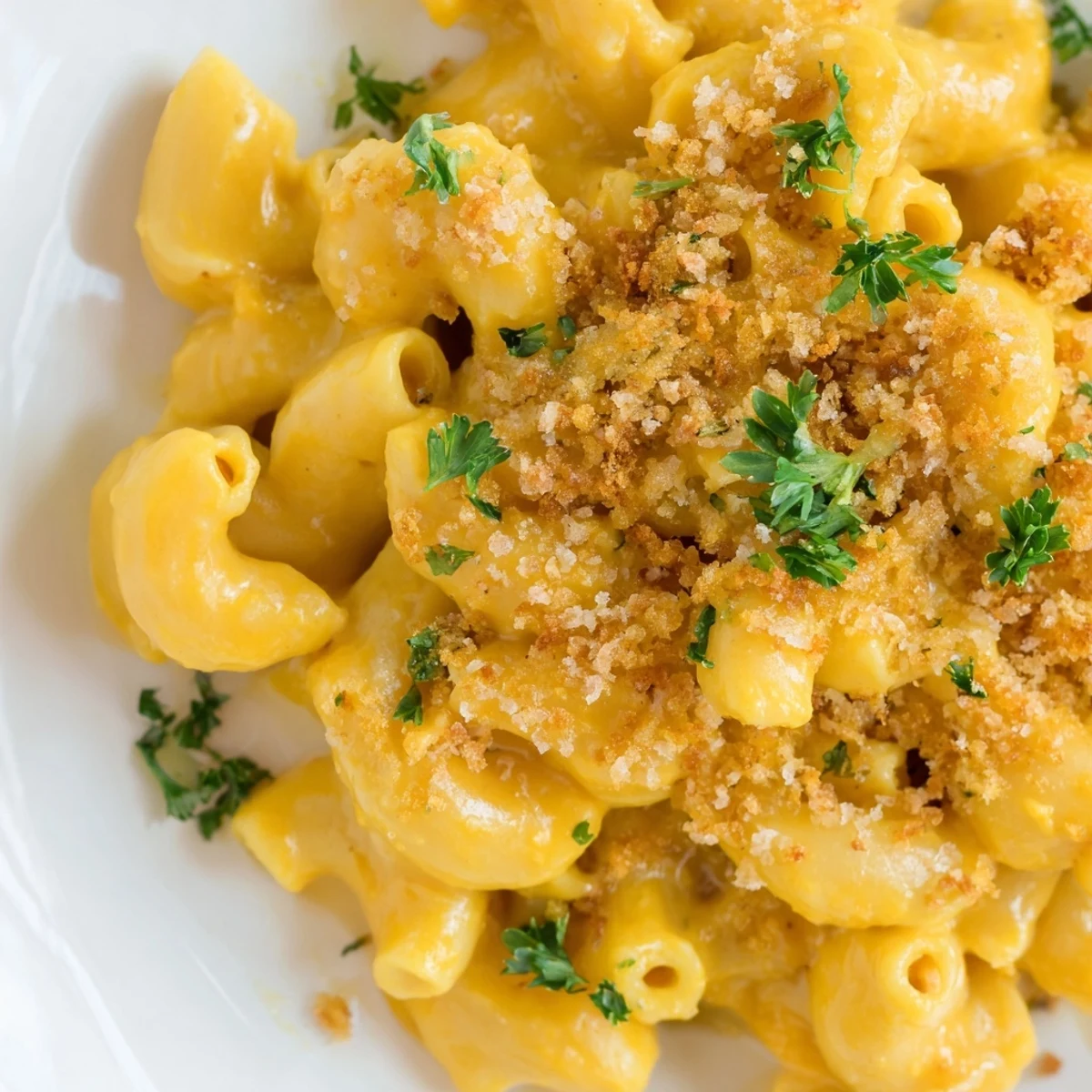
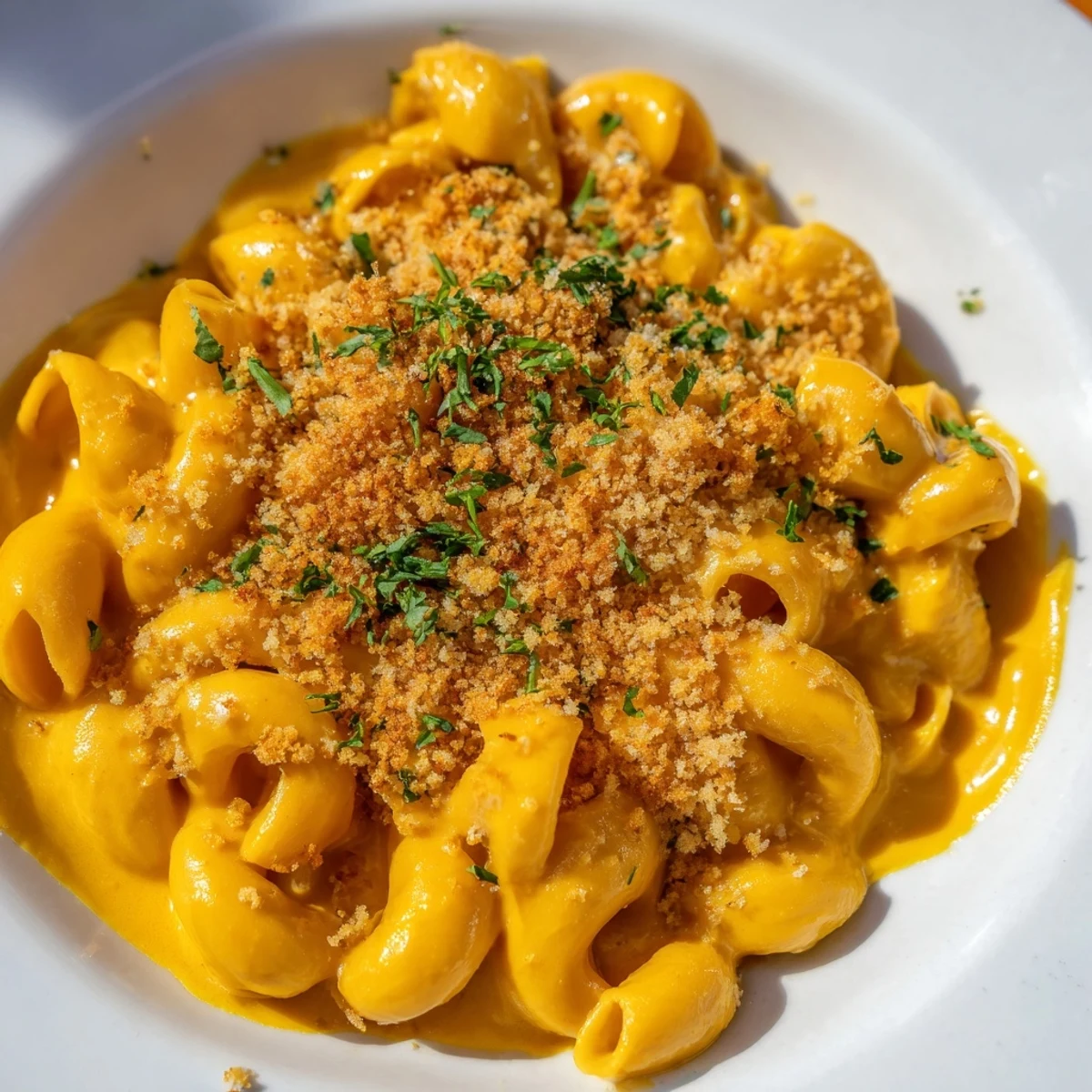
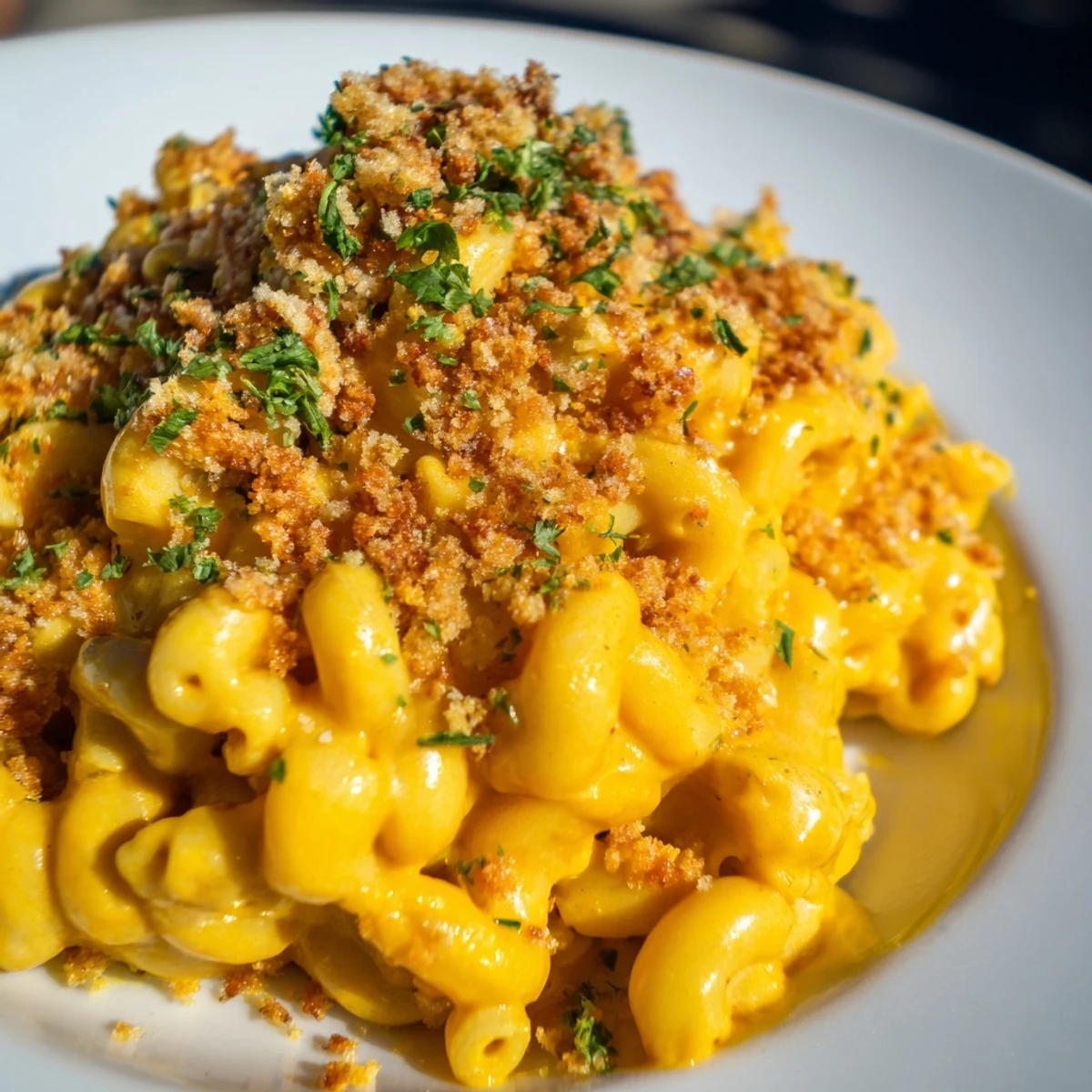
 This comforting dish features tender elbow macaroni coated in a smooth, creamy sauce made from roasted butternut squash, nutritional yeast, and plant-based milk. Roasting the squash with onion and garlic enhances the natural sweetness, while Dijon mustard and smoked paprika add depth. The sauce is blended until velvety and combined with perfectly cooked pasta, then warmed gently to meld flavors. An optional panko topping brings a crunchy contrast, garnished with fresh parsley for a bright finish.
Ideal for those seeking a dairy-free, vegan dish that balances creamy richness and wholesome ingredients, this meal is simple to prepare and satisfying. Serve with a fresh green salad or your favorite sides for a nourishing experience.
The first time I made vegan mac and cheese, I was honestly skeptical—I grew up on the boxed kind with that neon orange powder, and nothing seemed like it could compare. But then I roasted butternut squash one autumn afternoon, and the kitchen filled with this warm, caramel-like smell that made me think: what if that became the sauce? It took some blending, some tasting, some adjusting, but when I twisted that first forkful onto my spoon, I understood why comfort food doesn't need dairy to feel like home.
I made this for my friend Marcus one rainy Tuesday when he mentioned he'd gone vegan but felt like he was missing out on his favorite comfort foods. Watching him take that first bite—the way his eyes got wide and he said, "Wait, seriously?"—that moment made me realize this recipe was worth keeping around. Now it's what he requests whenever I text asking what he wants for dinner.
Ingredients
- Elbow macaroni (350 g / 12 oz): Use whatever small pasta shape you have, but smaller pieces catch the sauce better—I learned that the hard way with rigatoni.
- Butternut squash (1 medium, about 900 g / 2 lbs): The star player here; roasting it concentrates the sweetness and natural creaminess that makes the sauce so rich.
- Yellow onion (1 small, roughly chopped): Just one, because you want squash to be the main flavor, not onion taking over the show.
- Garlic cloves (2): Roasted garlic turns sweet and mellow, which softens the earthiness of the squash beautifully.
- Plant-based milk (120 ml / ½ cup): Oat milk gives the creamiest result, but any unsweetened kind works; soy adds a subtle richness.
- Nutritional yeast (60 ml / ¼ cup): This is the umami bomb that makes it taste like actual cheese sauce, not squash soup.
- Olive oil (3 tbsp total): One for roasting the veg, one in the sauce, one for the breadcrumb topping if you make it.
- Lemon juice (1 tbsp): Cuts through the richness and keeps everything from tasting flat or one-dimensional.
- Dijon mustard (2 tsp): Trust this—it adds a sharpness that makes the sauce taste like it has depth.
- Smoked paprika (½ tsp): Gives a subtle smoky warmth that nobody can quite put their finger on.
- Ground turmeric (½ tsp, optional): I add this for a golden color and a gentle earthiness, but you can skip it.
- Salt and pepper: Season the roasted vegetables before blending, then taste the sauce and add more to your preference.
- Panko breadcrumbs (30 g / ¼ cup) and fresh parsley (1 tbsp chopped): Optional, but the crunch and green make it look like you actually tried.
Instructions
- Preheat and prep:
- Get your oven to 200°C (400°F) and line a baking tray with parchment paper. There's no reason to make cleanup harder than it needs to be.
- Toss your vegetables:
- Spread the butternut squash cubes, onion, and garlic on the tray. Drizzle with 1 tbsp olive oil, sprinkle with salt and pepper, and toss until everything is coated. You want every piece to have contact with the hot pan.
- Roast until golden:
- Roast for about 25 minutes, until the squash is so soft it breaks apart with a fork and the edges are lightly caramelized. You'll smell it getting sweeter—that's when you know it's ready.
- Cook your pasta:
- While the vegetables roast, boil a large pot of salted water and cook your pasta until it's al dente. You want it to have a slight firmness because it'll soften a tiny bit when you mix it with the warm sauce.
- Make the sauce:
- Transfer the roasted vegetables to a blender and add the plant-based milk, nutritional yeast, olive oil, lemon juice, Dijon mustard, smoked paprika, turmeric if using, salt, and pepper. Blend until it's completely smooth and creamy—scrape down the sides if you need to. Taste it and adjust the seasoning; it should feel bold enough to coat pasta.
- Bring it together:
- Return the drained pasta to the pot and pour the sauce over it. Stir gently and thoroughly until every piece of pasta is coated. Heat it on low for 2 to 3 minutes, stirring occasionally, just until everything is warm.
- Top it (optional but rewarding):
- If you want that crispy-crunchy element, mix panko breadcrumbs with 1 tbsp olive oil, scatter over the pasta in an ovenproof dish, and broil for 2 to 3 minutes until golden brown. Serve right away with fresh parsley scattered on top.
 Pin This
 There's something about watching someone taste this for the first time and actually believing it's vegan—the surprise and relief that they're not missing out on the comfort they thought they were giving up. That's when I realized this dish is really about showing up for people, whether they eat dairy or not.
Why This Became My Go-To
The beauty of this recipe is that it broke something in my brain—I'd always thought vegan cooking meant deprivation or compromise, but this proved me wrong. It's not a substitute for mac and cheese; it's its own thing, and it's delicious on its own terms. The roasted squash brings a natural sweetness and body that cream never could, and the nutritional yeast adds a savory depth that feels almost mysterious until you realize what's happening.
Customizing It to Your Mood
This sauce is forgiving enough to bend to what you're craving. In the winter, I sometimes add a pinch of cayenne for warmth, and in summer, I've thrown in fresh thyme or even a tiny bit of curry powder. The foundation is solid enough that you can play around without breaking anything.
Making It a Meal
On its own, this dish is satisfying, but it's even better when you pair it with something bright and fresh—a sharp green salad cuts through the richness beautifully, and it's nice alongside roasted broccoli or sautéed spinach if you want to add more vegetables. I've also stirred in cooked green peas or crispy vegan sausage on nights when I wanted more protein and texture.
- Add protein by mixing in white beans, crispy chickpeas, or sautéed mushrooms for extra heartiness.
- If you can't find nutritional yeast, you can substitute with miso paste, but use less and taste as you go.
- Make extra sauce and store it in the fridge for up to four days—it's great reheated and honestly tastes even better the next day.
 Pin This
 This dish taught me that comfort food is about the feeling of being taken care of, and that feeling doesn't come from any one ingredient—it comes from the time you spent, the care you took, and the people you're feeding. That's what makes it worth making again and again.
Recipe FAQs
- → How do I roast the butternut squash for best flavor?
-
Roast peeled, cubed butternut squash with onion and garlic at 200°C (400°F) for about 25 minutes until fork-tender and lightly caramelized to bring out natural sweetness.
- → What pasta works well in this dish?
-
Elbow macaroni or small pasta shells are ideal as they hold the sauce well, but any small pasta shape can be used based on preference.
- → Can I substitute any ingredients in the sauce?
-
Yes, you can use different plant-based milks like oat, almond, or soy, and add optional turmeric for color. Nutritional yeast provides a cheesy flavor and can be adjusted to taste.
- → How do I make the dish crunchy on top?
-
Mix panko breadcrumbs with olive oil and sprinkle over the pasta, then broil for 2-3 minutes until golden for a crunchy topping.
- → Any tips for extra protein?
-
Stir in cooked green peas or sautéed vegan sausage to boost protein content while maintaining the dish's creamy texture.
- → Is this suitable for gluten-free diets?
-
Use gluten-free pasta and substitute panko with gluten-free breadcrumbs to adapt this dish for gluten-free needs.