 Pin This
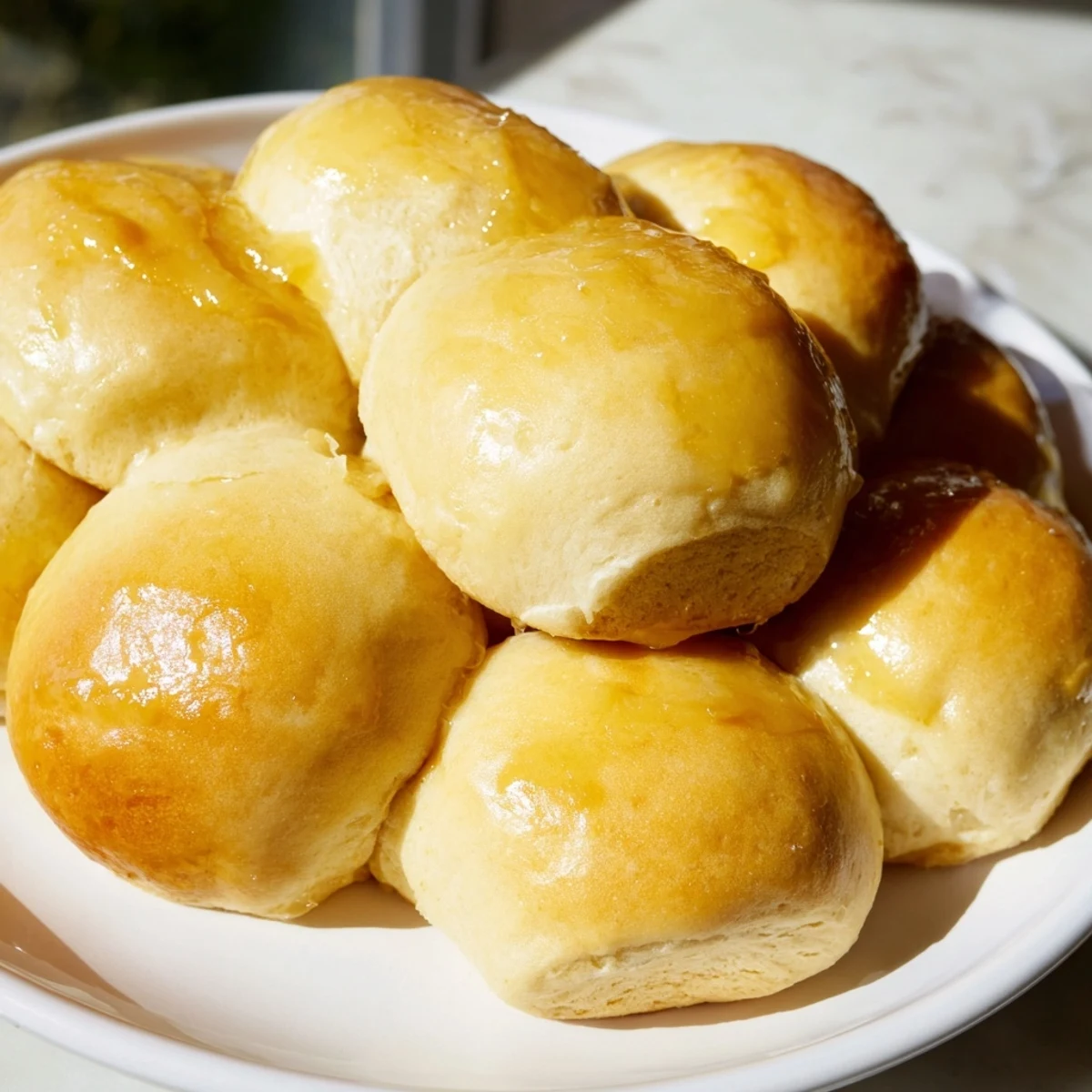
 These soft and fluffy vegan dinner rolls are crafted with plant-based milk, melted vegan butter, sugar, active dry yeast, flour, and salt. The dough is kneaded until smooth and allowed to rise twice for a tender texture. After baking until golden, the rolls are brushed with melted vegan butter to add a rich finishing touch. Perfect for complementing any meal or enjoyed warm with a spread.
The first time I served these rolls at a dinner party, my friend Sarah took one bite and immediately asked, "Wait, these are actually vegan?" She'd been skeptical about plant-based baking, but watching her reach for a second roll with genuine delight was such a validating moment. There's something magical about converting skeptics with food that speaks for itself.
I developed this recipe during a particularly rainy winter when comfort food was non-negotiable. My kitchen became a bread laboratory, with flour dust coating every surface and the heavenly scent of rising dough filling the apartment. Those afternoons of kneading and waiting became something I looked forward to, a ritual that turned gray days into warm ones.
Ingredients
- Unsweetened almond milk: The neutral base that lets yeast thrive without competing flavors, warmed just enough to activate but not kill those precious microorganisms
- Vegan butter: This creates the tender crumb and rich mouthfeel that makes people forget they're eating plant-based
- Organic cane sugar: Feeds the yeast for proper rise while adding just enough sweetness to balance the salt
- Active dry yeast: The living ingredient that transforms flour and water into something spectacular
- All-purpose flour: The perfect protein content for structure while maintaining tenderness
- Fine sea salt: Enhances all the other flavors and controls yeast activity
- Additional vegan butter: Brushed on hot rolls for that glossy, bakery finish that makes them impossible to resist
Instructions
- Wake up the yeast:
- Warm your plant-based milk to about 100°F, then whisk in melted butter and sugar until dissolved. Sprinkle the yeast on top and watch for that beautiful foamy layer that tells you it's alive and ready to work.
- Build the dough:
- Add flour and salt to your yeast mixture, stirring until it comes together into a shaggy ball that might look messy but will transform beautifully.
- Knead with intention:
- Turn the dough onto a floured surface and knead for 8 to 10 minutes, feeling it transform from sticky to smooth and elastic as the gluten develops.
- Let it rise:
- Place the dough in an oiled bowl, cover with a towel, and find a warm corner for it to double in size over the next hour.
- Shape the rolls:
- Punch down the risen dough gently, divide into 12 equal pieces, and form each into a smooth ball, tucking the edges underneath for that perfect round shape.
- Second rise:
- Arrange your rolls in a greased baking dish, cover again, and let them puff up for 30 minutes until they're touching and looking irresistible.
- Bake to golden:
- Preheat your oven to 375°F and bake for 18 to 20 minutes until the tops are beautifully browned and your kitchen smells like a professional bakery.
- The finishing touch:
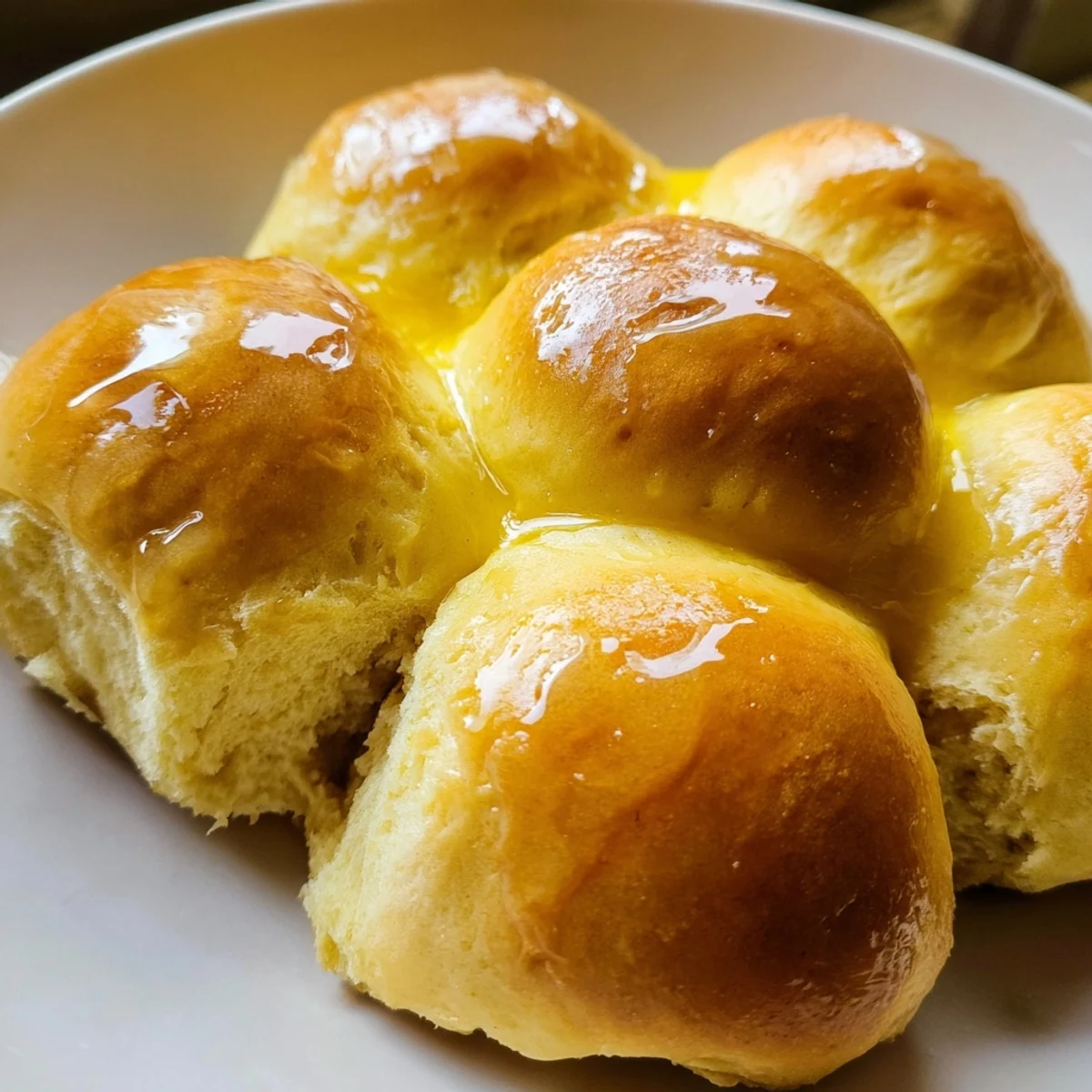
- Brush the hot rolls immediately with melted vegan butter, watching it glisten and soak into the crust for ultimate flavor.
 Pin This
 Last Thanksgiving, I made three batches of these rolls because they disappeared so quickly. My grandmother, who's been making traditional dinner rolls for fifty years, asked for the recipe after dinner, writing it down on the back of a grocery receipt with genuine interest.
Choosing Your Plant Milk
While almond milk is my go-to for its neutral flavor profile, I've had excellent results with oat milk's natural sweetness and cashew milk's creamy texture. Soy milk works beautifully too, though some varieties can impart a slight beaniness that subtle herbs can help mask. The key is staying away from vanilla-flavored varieties, which will make your rolls taste strangely like dessert.
Make Ahead Strategy
On busy cooking days, I'll prepare the dough through the first rise, then punch it down and refrigerate overnight. The cold slows the fermentation, developing deeper flavor while giving me a head start. Let the dough come to room temperature for 30 minutes before shaping, then proceed with the second rise as normal.
Freezing For Later
Fully baked rolls freeze exceptionally well, wrapped individually in plastic then placed in a freezer bag. Thaw at room temperature for an hour, then refresh in a 350°F oven for 5 minutes to restore that fresh-baked texture. I always keep a stash for emergency carb cravings.
- Wrap rolls while slightly warm for better moisture retention
- Label your freezer bags with dates so you use the oldest first
- Reheat frozen rolls directly from the freezer, just add a few extra minutes
 Pin This
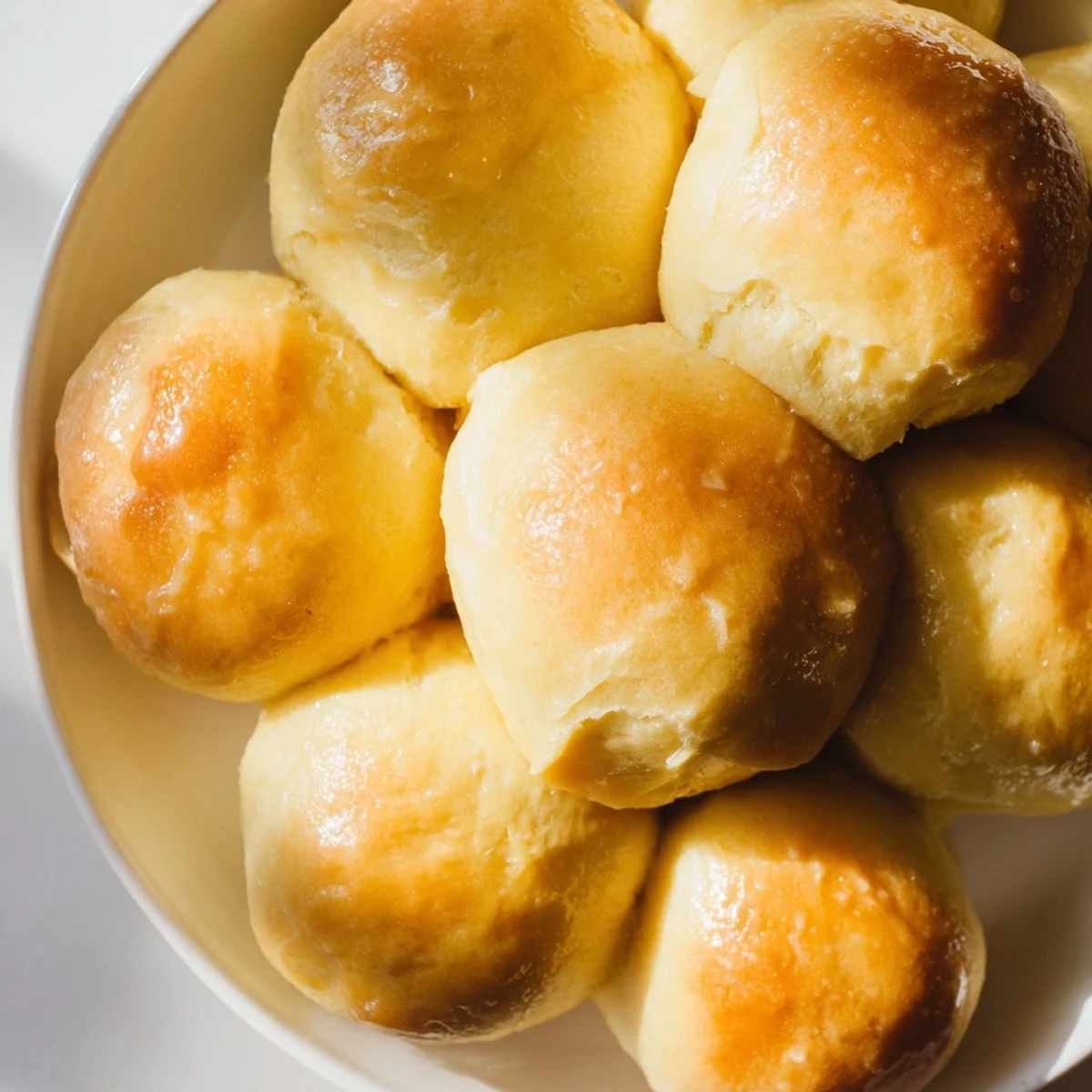
 There's something profoundly satisfying about pulling a pan of golden rolls from the oven, knowing you created something nourishing from the simplest ingredients. These rolls have become my go-to for bringing people together, one warm, buttery bite at a time.
Recipe FAQs
- → What type of milk is best for these rolls?
-
Unsweetened almond milk works great, but soy, oat, or cashew milk can be used as well for similar results.
- → How do I ensure the dough rises properly?
-
Keep the dough in a warm, draft-free place covered with a clean towel until it doubles in size, usually about 1 hour.
- → Can I add extra flavor to the dough?
-
Yes, adding 1 tsp garlic powder or fresh herbs to the dough enhances the taste without overpowering the soft texture.
- → What is the texture of these rolls after baking?
-
They come out tender, fluffy, and golden with a slight buttery taste from the vegan butter brushed on top.
- → How should I store leftover rolls?
-
Store them in an airtight container or freeze. Gently reheat before serving for best texture and flavor.