 Pin This
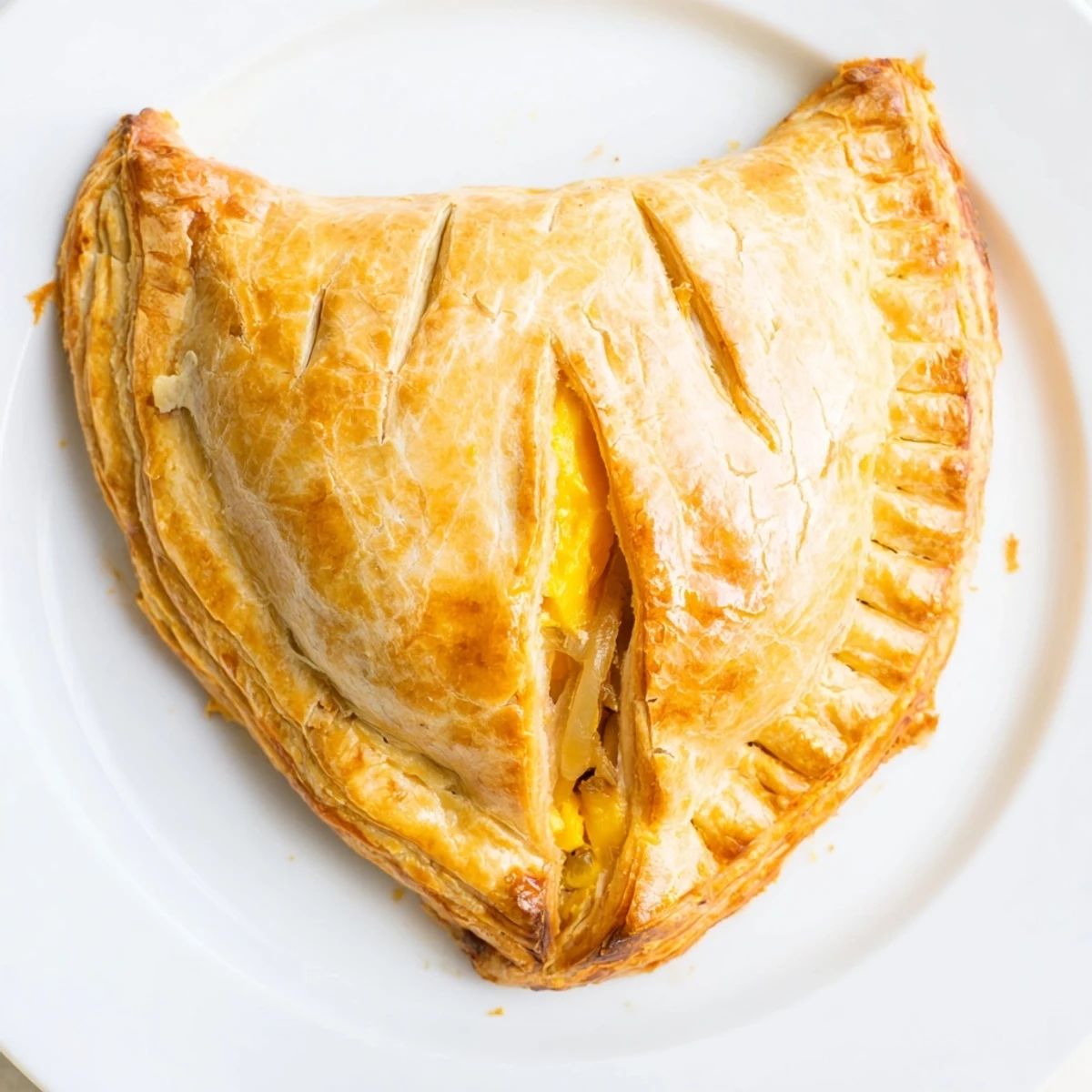
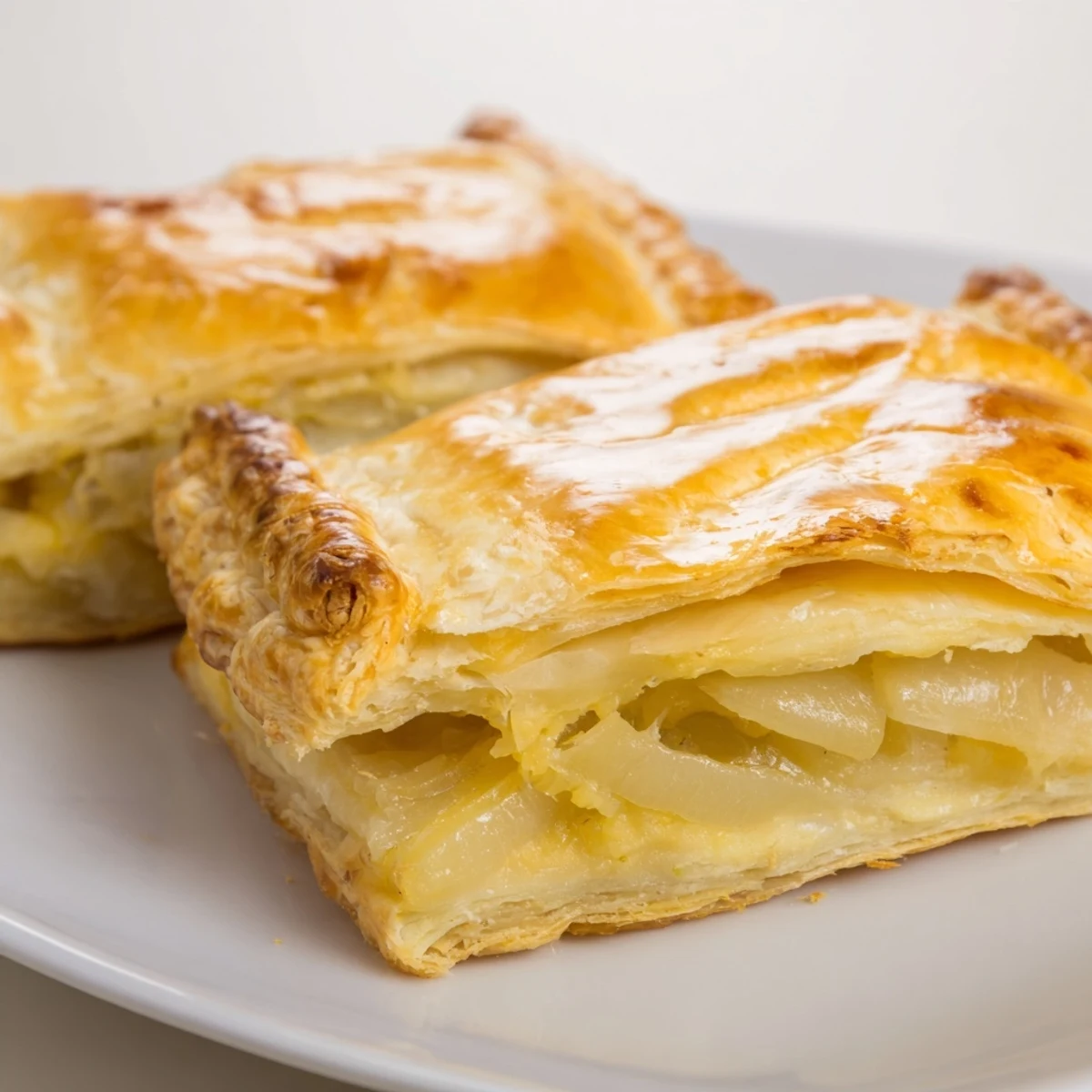
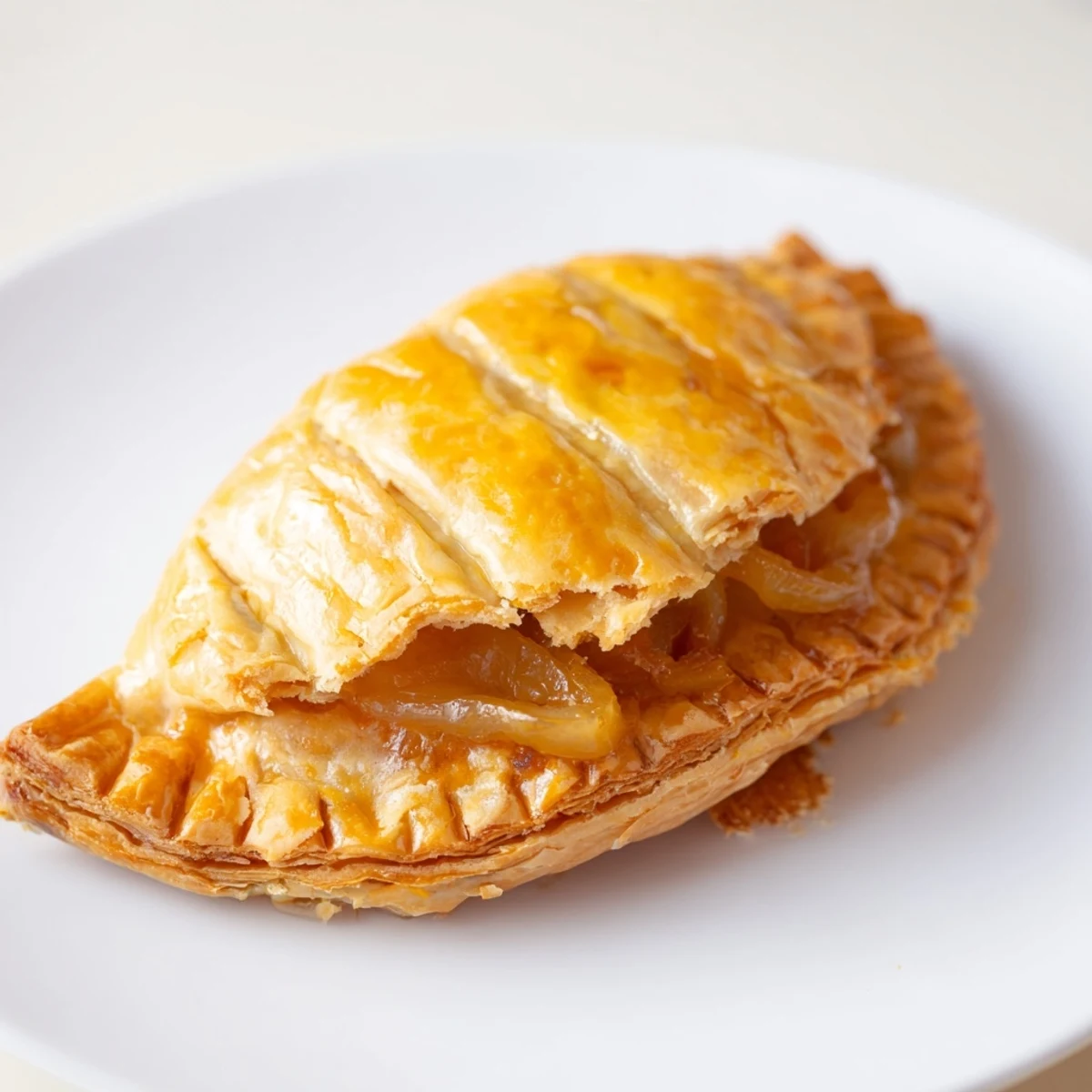
 This traditional British pasty features a crisp, golden crust encasing a luscious mixture of mature cheddar, cream cheese, and softly sautéed onions. The buttery pastry combined with the creamy, savory filling offers a delightful balance of textures and flavors. Ideal for lunch or a satisfying snack, these pasties are best served warm or at room temperature. Herbs like chives add fresh notes, while baking ensures a crisp exterior and meltingly smooth center.
I burnt the bottoms of my first batch because I was too impatient to let the oven preheat properly. The tops were pale, the cheese had leaked out one side, and I stood there wondering if I'd misunderstood the entire concept of a pasty. But I ate one anyway, straight from the tray, and even half-raw it tasted like comfort wrapped in butter. That's when I knew this recipe was worth getting right.
My neighbor once knocked on my door asking what smelled so good, and I handed her a pasty still warm from the oven. She came back an hour later with an empty plate and asked for the recipe. I've made them for her twice since, and now she brings me tomatoes from her garden every summer.
Ingredients
- All-purpose flour: I use plain white flour because it gives the pastry structure without making it tough, and I always keep it cold in the fridge before starting.
- Cold unsalted butter: The colder the better, I cube it straight from the fridge and work fast so it doesn't melt into the dough too early.
- Salt: Just enough to wake up the pastry without competing with the filling.
- Cold water: I add it one tablespoon at a time because humidity changes how much the dough needs, and I'd rather add more than drown it.
- Egg: Beaten with a fork until smooth, this gives the pasties that shiny golden finish that makes them look like they came from a bakery.
- Onions: I slice them thin so they soften completely and almost melt into the cheese.
- Mature cheddar cheese: The sharper the cheddar, the better the filling tastes, I've tried mild and it just disappears.
- Cream cheese: This is what makes the filling creamy instead of dry, and it holds everything together when you fold the pastry.
- English mustard: A small spoon of this cuts through the richness and adds a gentle warmth without turning spicy.
- Black pepper and salt: Freshly ground pepper makes a difference here, the preground stuff just tastes like dust.
- Fresh chives or parsley: Optional, but I like the little green flecks and the freshness they bring to each bite.
Instructions
- Make the pastry dough:
- Rub the cold butter into the flour and salt with your fingertips until it looks like rough sand with a few pea-sized lumps still visible. Add the cold water slowly, stirring with a fork, then bring it together into a shaggy dough and press it into a flat disk before wrapping it up.
- Chill the dough:
- Let it rest in the fridge for at least twenty minutes so the gluten relaxes and the butter firms back up. This makes rolling it out so much easier and stops it from shrinking in the oven.
- Cook the onions:
- Melt the butter over medium heat and add the sliced onions, stirring them every minute or so until they turn soft and translucent. Don't let them brown or they'll taste bitter instead of sweet.
- Mix the filling:
- Combine the cooled onions with the grated cheddar, cream cheese, mustard, pepper, salt, and herbs in a bowl. Stir until everything is evenly mixed and the cream cheese has softened into the rest.
- Roll out the pastry:
- On a floured surface, roll the dough out to about three millimeters thick, turning it a quarter turn every few rolls to keep it even. Use a small plate or bowl to cut out four circles roughly eighteen centimeters across.
- Fill and fold:
- Spoon a generous heap of filling onto one half of each circle, leaving a border around the edge. Brush the edges with beaten egg, then fold the pastry over and press firmly to seal, crimping the edge with a fork so it looks tidy and stays shut.
- Glaze and vent:
- Brush the tops with more egg wash and use a sharp knife to cut a small slit in the top of each pasty. This lets steam escape and stops them from bursting open.
- Bake until golden:
- Slide the tray into a preheated oven and bake for thirty to thirty-five minutes, until the pasties are deep gold and the pastry sounds hollow when you tap the bottom. Let them cool for a few minutes before you try to pick one up or the filling will burn your mouth.
 Pin This
 I packed these in a tin for a long train ride once, and by the time I opened it the whole carriage smelled like butter and cheese. A woman sitting across from me smiled and said it reminded her of her grandmother's kitchen. I offered her one, and she took it.
How to Store and Reheat
I keep baked pasties in an airtight container in the fridge for up to three days, and I reheat them in a low oven for ten minutes so the pastry crisps back up. Microwaving them makes the pastry soggy, which is fine if you're desperate but not ideal. You can also freeze unbaked pasties on a tray, then transfer them to a freezer bag and bake them straight from frozen, adding an extra five minutes to the baking time.
Variations You Might Like
I've added crumbled blue cheese to the filling when I want something more pungent, and I've swapped half the onions for thinly sliced leeks when I'm feeling fancy. A handful of cooked spinach or kale mixed into the filling adds color and a bit of earthiness. Once I stirred in some crispy bacon bits and it tasted like a full English breakfast folded into pastry.
What to Serve Alongside
These pasties are rich enough to stand alone, but I like them with a simple green salad dressed in lemon and olive oil, or a handful of sharp pickles to cut through the cheese. A bowl of tomato soup on the side turns them into a full meal, especially in the colder months.
- Serve them warm with a dab of chutney or relish on the side
- Pack them cold for lunch with an apple and some crisps
- Slice them in half and serve as part of a picnic spread with hard-boiled eggs and cherry tomatoes
 Pin This
 The best part about these pasties is that they never feel like too much work, even when you're tired. You'll make them once and then find yourself making them again a week later because someone asked for them, or because you just want one.
Recipe FAQs
- → How do I achieve a flaky pastry for the pasty?
-
Use cold unsalted butter and rub it into the flour until crumbs form. Keep ingredients chilled and avoid overworking the dough for a tender, flaky texture.
- → What type of cheese works best for the filling?
-
Mature cheddar provides sharpness and richness; combining it with cream cheese adds creaminess and smooth texture.
- → How do I prevent the onions from browning too much?
-
Sauté onions gently over medium heat until soft and translucent, stirring frequently but avoiding high heat to keep them sweet and tender.
- → Can I prepare the pasties ahead of time?
-
Yes, assemble and chill the pasties before baking. Bake fresh when needed to maintain a crisp crust and warm filling.
- → Are there suggested herb variations for the filling?
-
Fresh chives or parsley finely chopped add a bright, fresh note that complements the rich cheese and onions nicely.
- → What is the best way to seal the pasties?
-
After folding the pastry over, press edges firmly and crimp with a fork to ensure a tight seal that holds the filling during baking.