
 Pin This
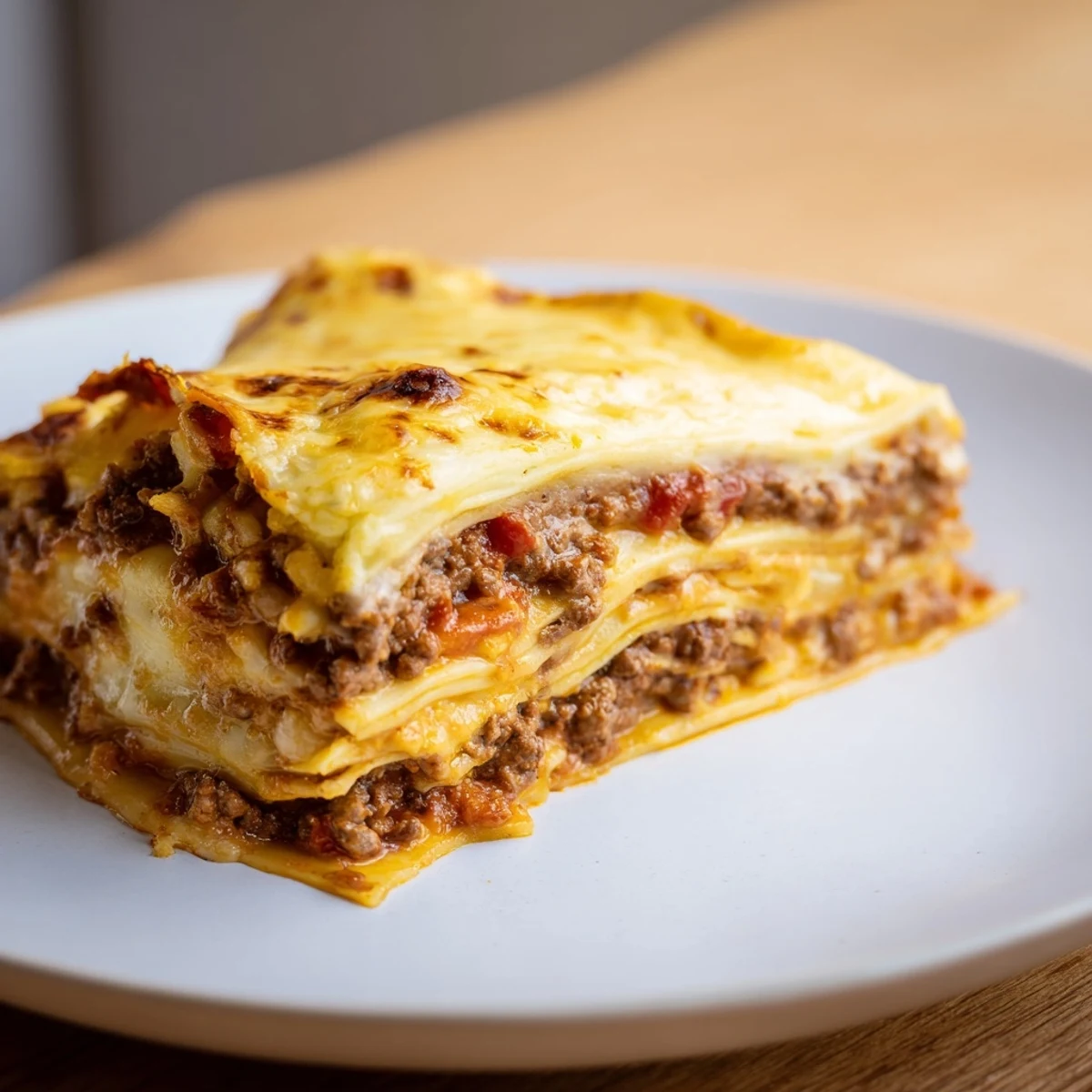
 This beloved Italian dish brings together three essential components: a slow-simmered beef ragù built on a foundation of aromatic vegetables, a velvety béchamel infused with nutmeg, and layers of pasta that bake to tender perfection. The combination creates deeply satisfying layers of flavor and texture.
Plan ahead as this requires about 90 minutes total time. The ragù benefits from a long simmer to develop depth, while the béchamel needs constant whisking for smoothness. Assembly follows a simple pattern of sauce, pasta, and cheese, repeated until your dish is full.
The result is a bubbling, golden-topped masterpiece that needs just 15 minutes of resting time before serving. This generous portion serves six, making it ideal for Sunday family meals or entertaining guests.
The aromatics hitting hot olive oil still trigger something primal in me. On rainy Tuesdays, when the kitchen feels like the only warm place in the world, I start chopping onions and carrots and somehow everything else can wait. This lasagne is not about speed. It is about building flavors that make people pause mid-bite and forget what they were going to say.
Last winter my sister stayed over for the weekend and I made a double batch. We stood by the oven watching the cheese bubble through the foil window, debating whether fifteen minutes was long enough to let it rest. We cut into it after twelve. The layers slid everywhere but neither of us cared.
Ingredients
- Olive oil: Creates the foundation for your soffritto and carries those aromatic flavors throughout the ragù
- Onion, carrot, celery: This trio builds depth and sweetness that balances the acidity of tomatoes
- Garlic: Add it after the vegetables soften so it does not burn and turn bitter
- Ground beef: The base of your ragù, brown it thoroughly to develop those caramelized notes
- Tomato paste: Cook it until it darkens and smells sweet to concentrate its umami
- Crushed tomatoes: Use good quality canned tomatoes, they actually outperform fresh ones here
- Red wine: Deglazes the pan and adds complexity, let it almost completely evaporate
- Dried oregano and basil: Dried herbs work beautifully in long simmered sauces
- Sugar: Just a pinch balances acidic tomatoes without making the sauce sweet
- Unsalted butter: The start of a roux that becomes your silky béchamel
- All purpose flour: Whisk it into the butter until no dry flour remains
- Whole milk: Warm it first so it incorporates smoothly without shocking the roux
- Ground nutmeg: The secret ingredient that makes béchamel taste professional
- No boil lasagne sheets: Soak up sauce as they bake and save you the par cooking step
- Mozzarella and Parmesan: The finishing layer that becomes golden and irresistible
Instructions
- Build your soffritto:
- Heat olive oil in a large skillet over medium heat and add onion, carrot, and celery, letting them soften for six to eight minutes until fragrant and translucent.
- Add the garlic:
- Stir in minced garlic for just one minute, then add ground beef, breaking it up with your spoon until it browns evenly.
- Concentrate the flavors:
- Mix in tomato paste and let it cook for two minutes until it darkens, then pour in wine and simmer until mostly evaporated.
- Simmer the ragù:
- Add crushed tomatoes, oregano, basil, salt, pepper, and sugar if using, then simmer uncovered for thirty to forty minutes until thickened.
- Start the béchamel:
- Melt butter in a saucepan over medium heat, whisk in flour for one to two minutes, then gradually whisk in warm milk.
- Finish the sauce:
- Cook the milk mixture, whisking constantly, until thickened and smooth, about six to eight minutes, then season with nutmeg, salt, and white pepper.
- Preheat and prep:
- Heat your oven to 180°C and spread a thin layer of ragù on the bottom of your baking dish to prevent sticking.
- Layer it up:
- Add lasagne sheets, spread a quarter of the ragù, then a quarter of the béchamel, and repeat three more times.
- Top with cheese:
- Finish the final layer with béchamel and sprinkle mozzarella and Parmesan evenly across the top.
- Bake covered:
- Cover loosely with foil and bake for thirty minutes to let everything cook through.
- Brown the top:
- Remove foil and bake another fifteen to twenty minutes until the cheese is golden and bubbling.
- Rest before serving:
- Let the lasagne sit for fifteen minutes so the layers set and slice cleanly.
 Pin This
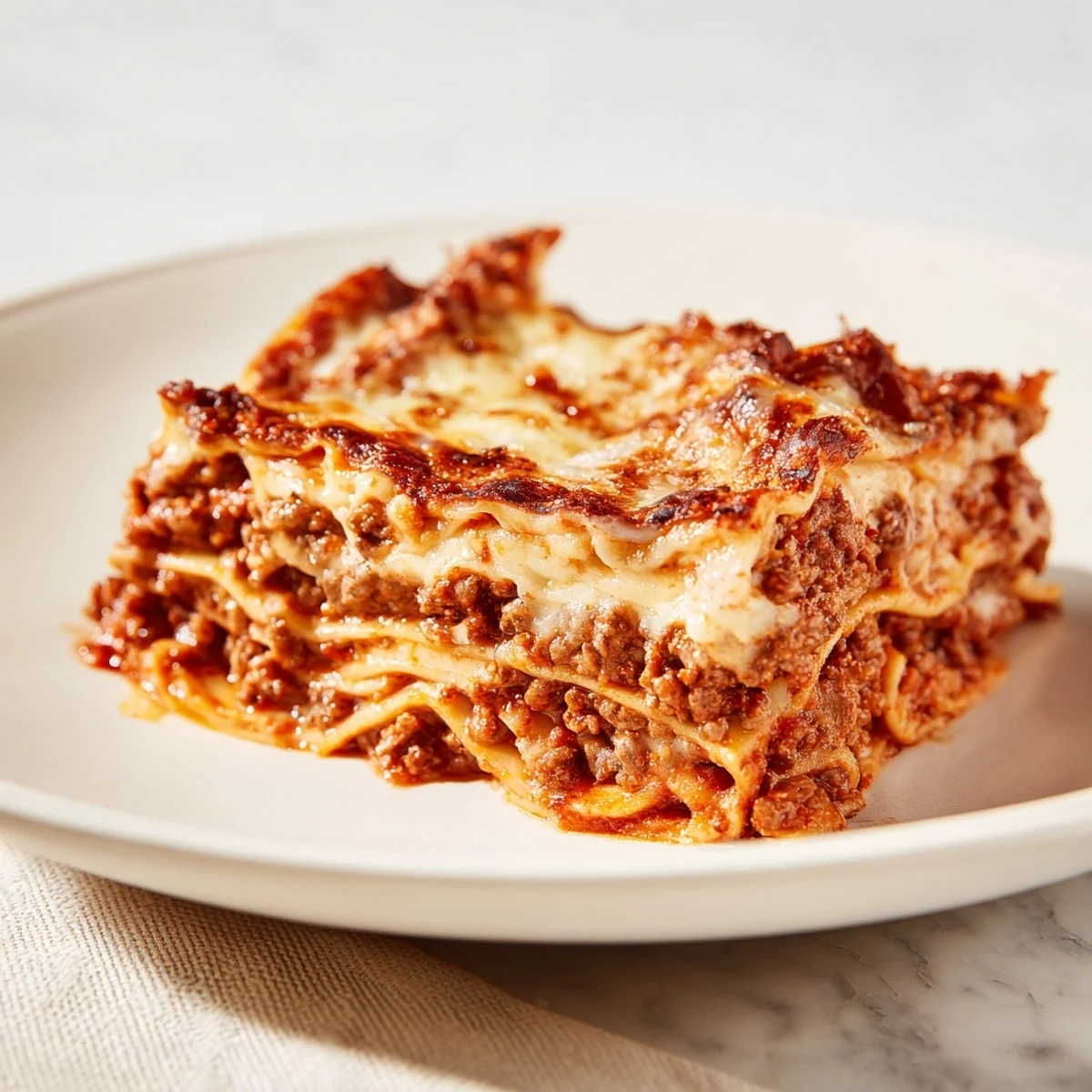
 Sunday dinner growing up always meant lasagne. My grandmother would start the sauce in the morning and the house would smell like simmering tomatoes and onions for hours. She never used a recipe, just tasted and adjusted until it was right.
Making It Ahead
You can assemble the entire lasagne up to a day before baking and refrigerate it covered. Add ten minutes to the covered baking time if it goes into the oven cold from the refrigerator.
Freezing Instructions
Wrap the unbaked lasagne tightly in plastic and foil, then freeze for up to three months. Thaw overnight in the refrigerator before baking as directed.
Serving Suggestions
A simple green salad with vinaigrette cuts through the richness perfectly. Crusty bread for soaking up extra sauce never hurts either.
- Let leftovers cool completely before refrigerating
- Reheat individual portions covered so they do not dry out
- The flavors actually improve after a day or two
 Pin This
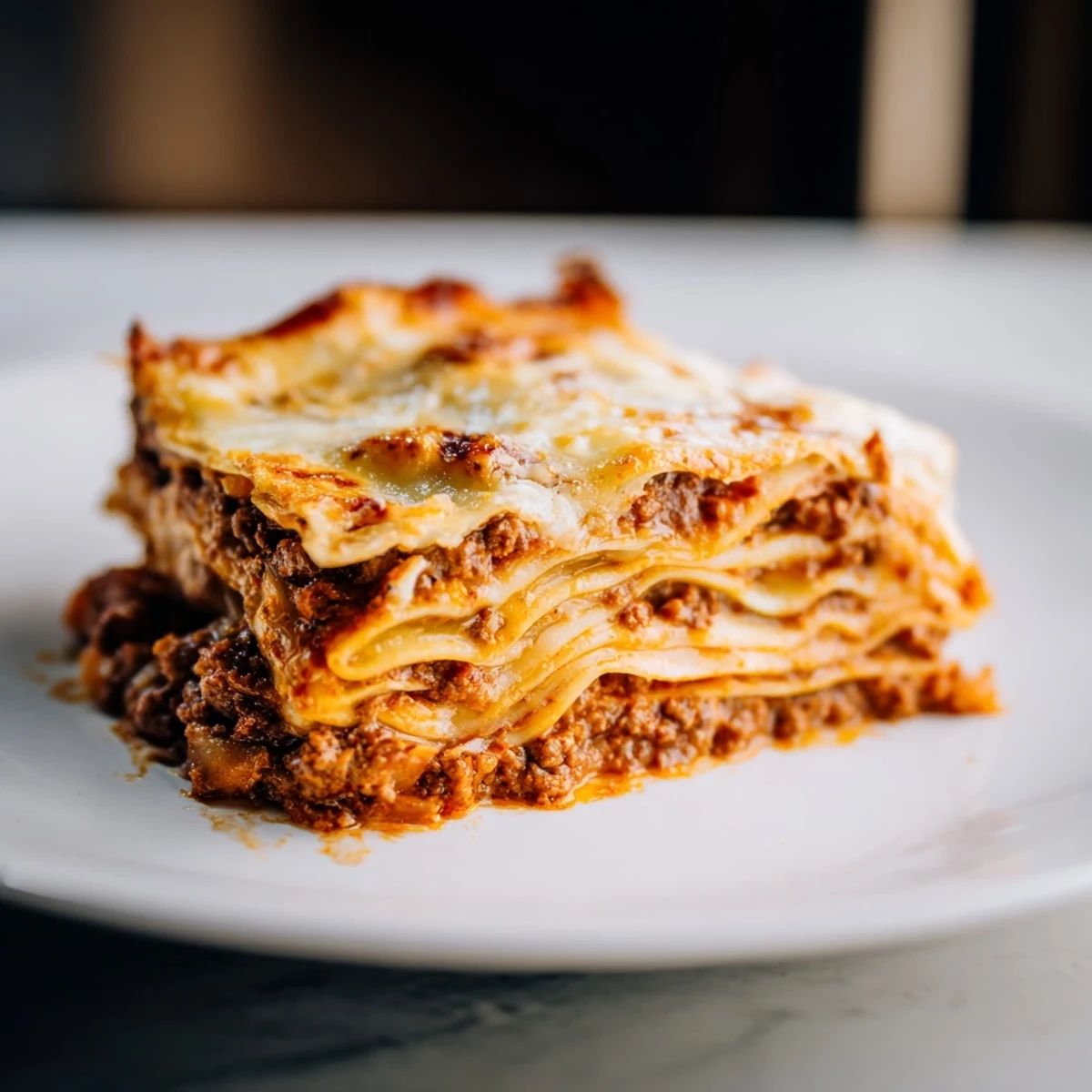
 Some dishes are worth the time and this is one of them.
Recipe FAQs
- → Can I make this ahead of time?
-
Absolutely. Assemble the entire lasagne up to 24 hours in advance, cover tightly, and refrigerate. You may need to add 10-15 minutes to the baking time if baking from cold. Alternatively, bake completely and refrigerate for up to 3 days, reheating individual portions as needed.
- → What can I substitute for the wine in the ragù?
-
Replace the red wine with additional beef stock, tomato juice, or simply omit it entirely. The wine adds depth and acidity, but the ragù remains delicious without it. If using stock, reduce it slightly to concentrate the flavors.
- → Why does my bechamel sometimes turn out lumpy?
-
Lumps typically form when cold milk hits the hot roux too quickly, or when the flour isn't fully incorporated into the butter. Whisk constantly while gradually adding warmed milk, and ensure your roux cooks for at least 1-2 minutes to remove the raw flour taste. A fine-mesh strainer can rescue a lumpy sauce.
- → Can I freeze leftover lasagne?
-
Yes, lasagne freezes exceptionally well. Cut into portions, wrap individually in plastic and foil, and freeze for up to 3 months. Thaw overnight in the refrigerator before reheating at 180°C (350°F) until heated through, about 25-30 minutes.
- → Do I really need to let it rest before serving?
-
The 15-minute resting period is crucial. This allows the layers to set and makes serving much cleaner. If you cut too soon, the slices will slide apart. The resting time also lets the flavors meld and the internal temperature even out for optimal eating.
- → Can I use no-boil noodles if I only have traditional ones?
-
Traditional lasagne noodles work perfectly—just boil them according to package directions until al dente, then drain and lay flat on towels to prevent sticking. You may need slightly less béchamel since pre-boiled noodles don't absorb as much liquid during baking.