
 Pin This
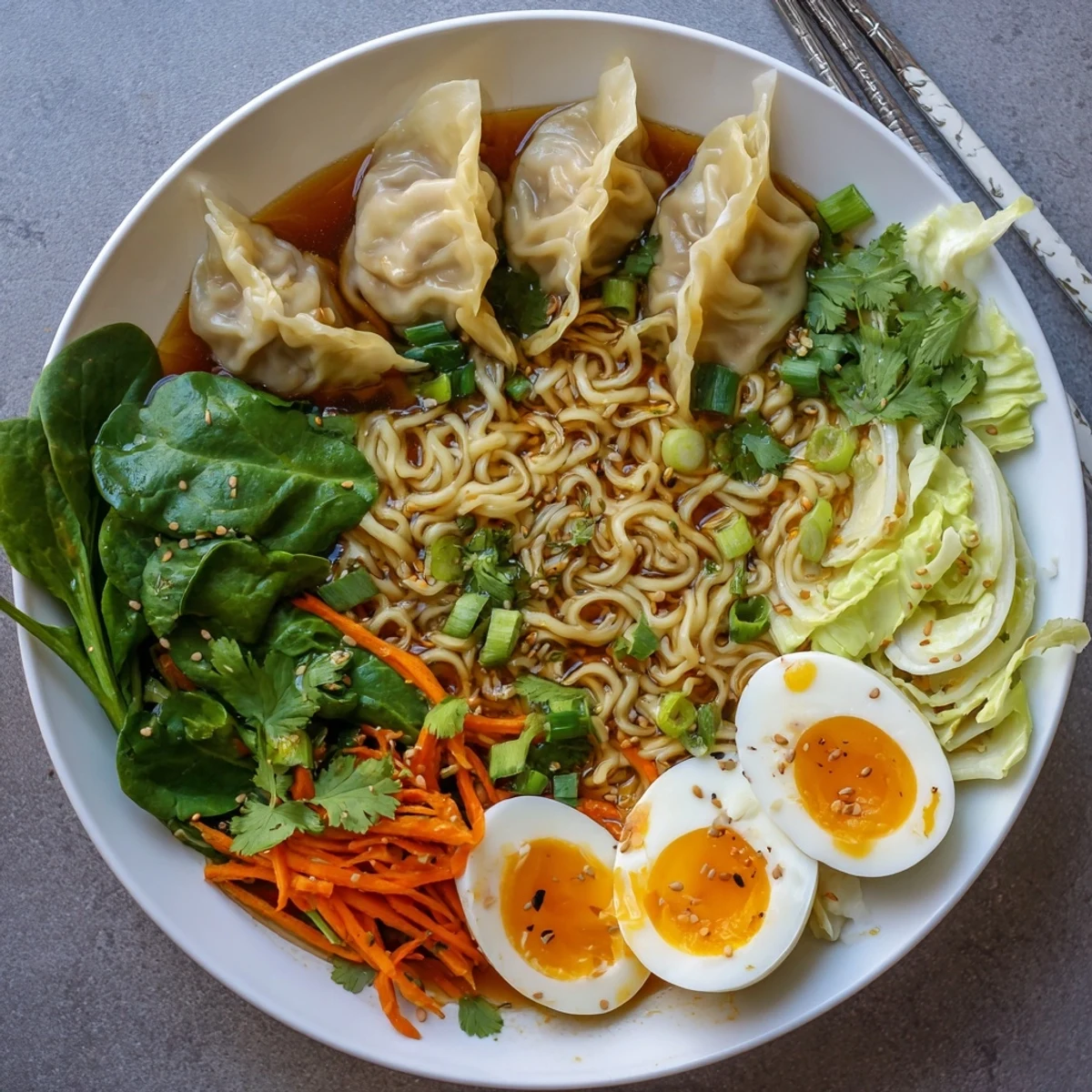
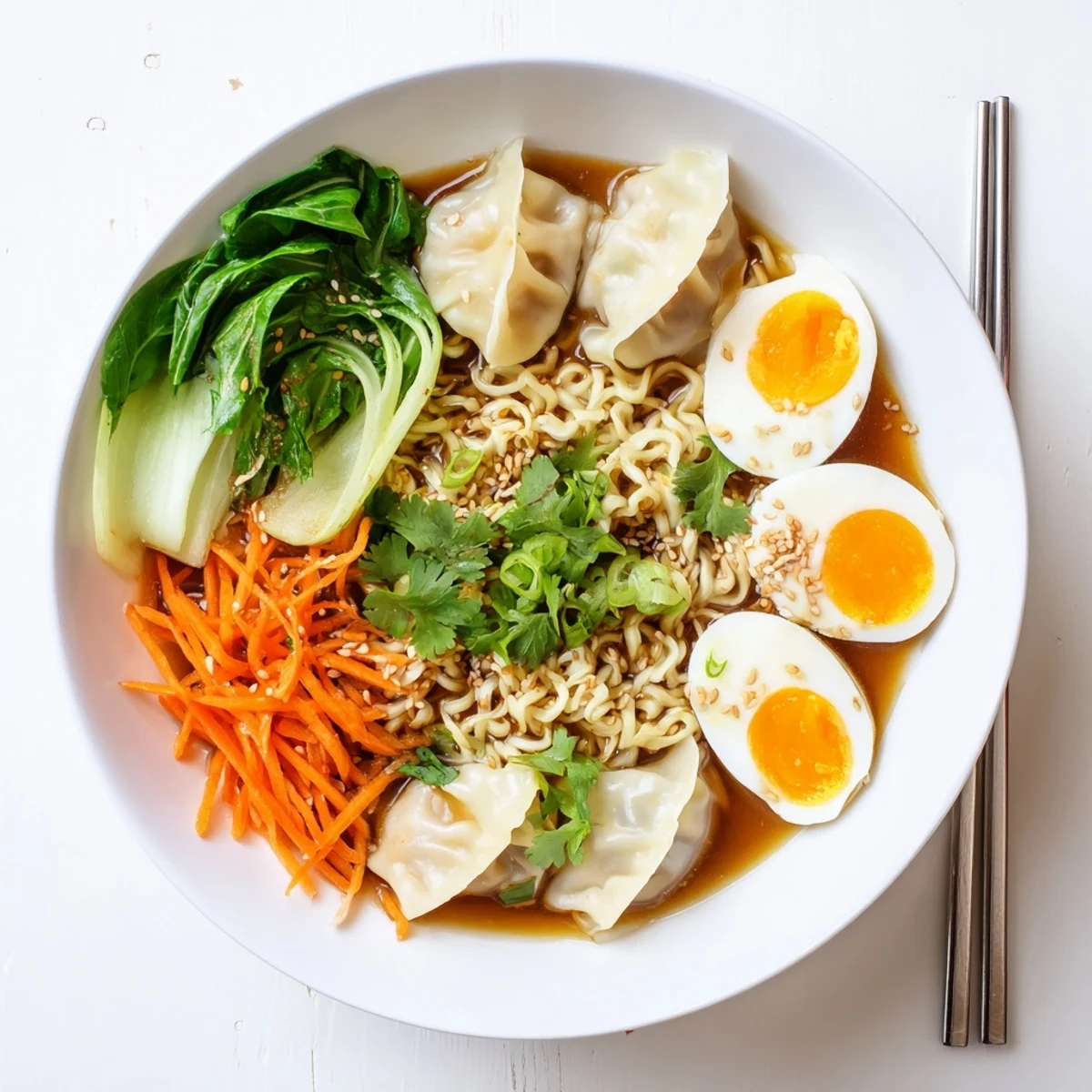
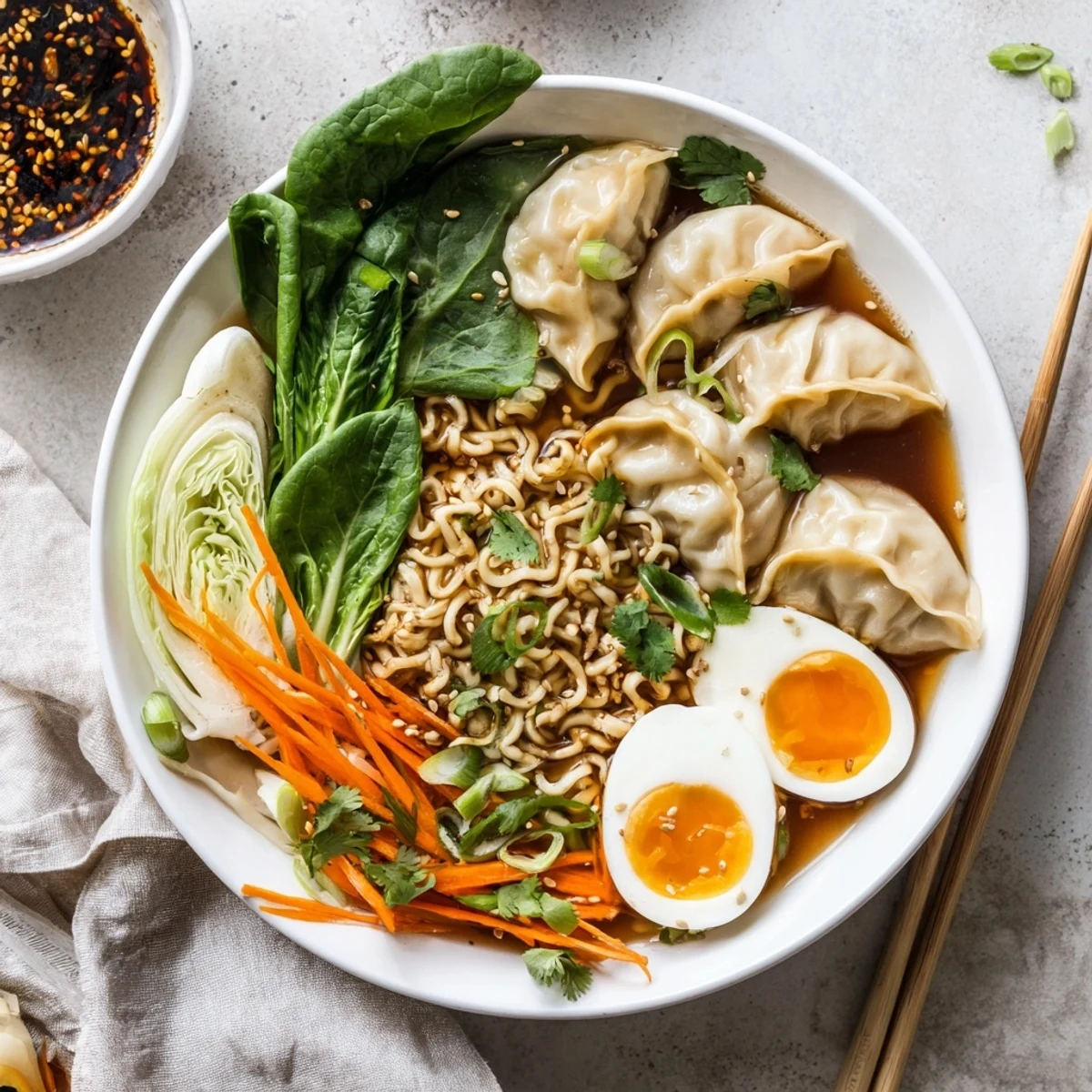
 This satisfying bowl combines tender Asian dumplings with perfectly cooked soft-boiled eggs, creating a harmonious blend of textures and flavors. The aromatic broth, infused with garlic, ginger, and miso, provides a savory foundation that brings everything together. Fresh baby spinach, napa cabbage, and julienned carrots add crispness and color, while toasted sesame seeds and cilantro finish each bowl with aromatic brightness. Ready in under an hour, this Asian-inspired dish delivers restaurant-quality results in your own kitchen.
Last winter, my neighbor brought over frozen dumplings after returning from visiting family in Chinatown, and this ramen bowl was born from needing something substantial but not heavy. The house smelled incredible while the broth simmered, and I've been making it on repeat ever since, especially when I want food that feels like a hug.
I served this to my brother when he was recovering from the flu, and he actually asked for seconds despite barely having an appetite. Watching him slowly rally over that steaming bowl reminded me why comfort food matters.
Ingredients
- Chicken or vegetable broth: The foundation of everything, so choose one you would happily drink on its own
- Soy sauce and miso paste: This umami combo creates depth that plain broth can never achieve alone
- Fresh ginger and garlic: Dont skip these aromatics, theyre what makes your kitchen smell like a proper ramen shop
- Sesame oil: Adds that nutty warmth that Asian broth recipes rely on
- Frozen or fresh dumplings: Frozen work perfectly here and are often better than homemade for soup
- Large eggs: Room temperature eggs peel more easily after boiling
- Baby spinach or bok choy: Baby spinach wilts beautifully into the broth without becoming slimy
- Ramen noodles: Fresh noodles have the best texture but dried ones absolutely work in a pinch
- Soft-boiled eggs: Six to seven minutes gives you that gloriously jammy yolk
- Fresh cilantro and sesame seeds: These toppings arent optional, theyre what makes each bite exciting
Instructions
- Get those eggs perfect first:
- Boil water, gently lower in your eggs, and set a timer for exactly six minutes. Ice bath them immediately so they stop cooking and peel cleanly.
- Build your flavorful base:
- Heat sesame oil in your big pot, then sauté garlic and ginger until they release that incredible aroma and turn golden.
- Simmer the broth:
- Pour in the broth, soy sauce, and miso, then let it bubble gently for ten minutes so all the flavors become friends.
- Cook the noodles separately:
- Boil your ramen noodles according to the package, then rinse them under cold water so they dont turn to mush in the hot soup.
- Add dumplings to the broth:
- Drop them into your simmering liquid and wait for them to float, which usually takes four to six minutes and tells you they are done.
- Wilt in the fresh greens:
- Toss in the spinach, cabbage, and carrots, cooking just long enough for the vegetables to soften but stay bright and vibrant.
- Assemble like you mean it:
- Divide noodles among bowls, then ladle over the hot broth, dumplings, and vegetables before halving those beautiful soft-boiled eggs.
- Finish with the good stuff:
- Scatter green onions, cilantro, and sesame seeds over everything, then add a drizzle of chili oil if you like a little heat.
 Pin This
 This recipe has become my go-to when friends need feeding, and I love watching everyone lean over their bowls in comfortable silence. The way the yolks swirl into the broth is pure magic.
Broth Secrets
I tried making this with water and bouillon cubes once and it was honestly depressing. Real broth, whether chicken or vegetable, makes the difference between dinner and an experience worth repeating.
Dumpling Game
Frozen dumplings are actually superior for soup because they hold their shape better than fresh ones, and you can keep bags in the freezer for emergency ramen nights. I always buy extra now.
Egg Mastery
The six minute egg is nonnegotiable here, and I ruined plenty before finally setting my phone timer religiously. Room temperature eggs really do peel easier, and I learned this after three frustrating attempts.
- Start eggs in boiling water, not cold
- Have your ice bath ready before you drop them in
- Peel them gently under running water for the cleanest results
 Pin This
 Every bowl of this ramen feels like a small victory, especially on days when you need something that truly delivers.
Recipe FAQs
- → How do I achieve perfectly soft-boiled eggs?
-
Bring water to a gentle boil, carefully lower eggs into the pot, and cook for exactly 6-7 minutes. Immediately transfer to an ice bath to stop the cooking process. This yields a set white with a creamy, golden yolk center.
- → Can I use fresh dumplings instead of frozen?
-
Absolutely. Fresh dumplings typically cook faster than frozen—reduce cooking time to 3-4 minutes or until they float to the surface. Avoid overcooking to prevent the wrappers from becoming tough.
- → What's the best way to store leftovers?
-
Store broth, dumplings, and noodles separately in airtight containers. The noodles can become soggy if left in the broth. Reheat broth on the stovetop and add cooked noodles just before serving.
- → How can I make this dish vegetarian?
-
Use vegetable broth instead of chicken broth and select vegetarian dumplings. The miso and soy sauce provide plenty of savory depth, so you won't miss the meat flavors.
- → Can I add other vegetables to this bowl?
-
Certainly. Mushrooms, bean sprouts, corn, or snap peas work beautifully. Add heartier vegetables like mushrooms during the broth simmer, and delicate ones like sprouts during the final 2 minutes.
- → What type of noodles work best?
-
Traditional ramen noodles are ideal, but you can substitute udon, soba, or even rice noodles. Adjust cooking times according to package directions, as different noodles require varying cook times.