
 Pin This
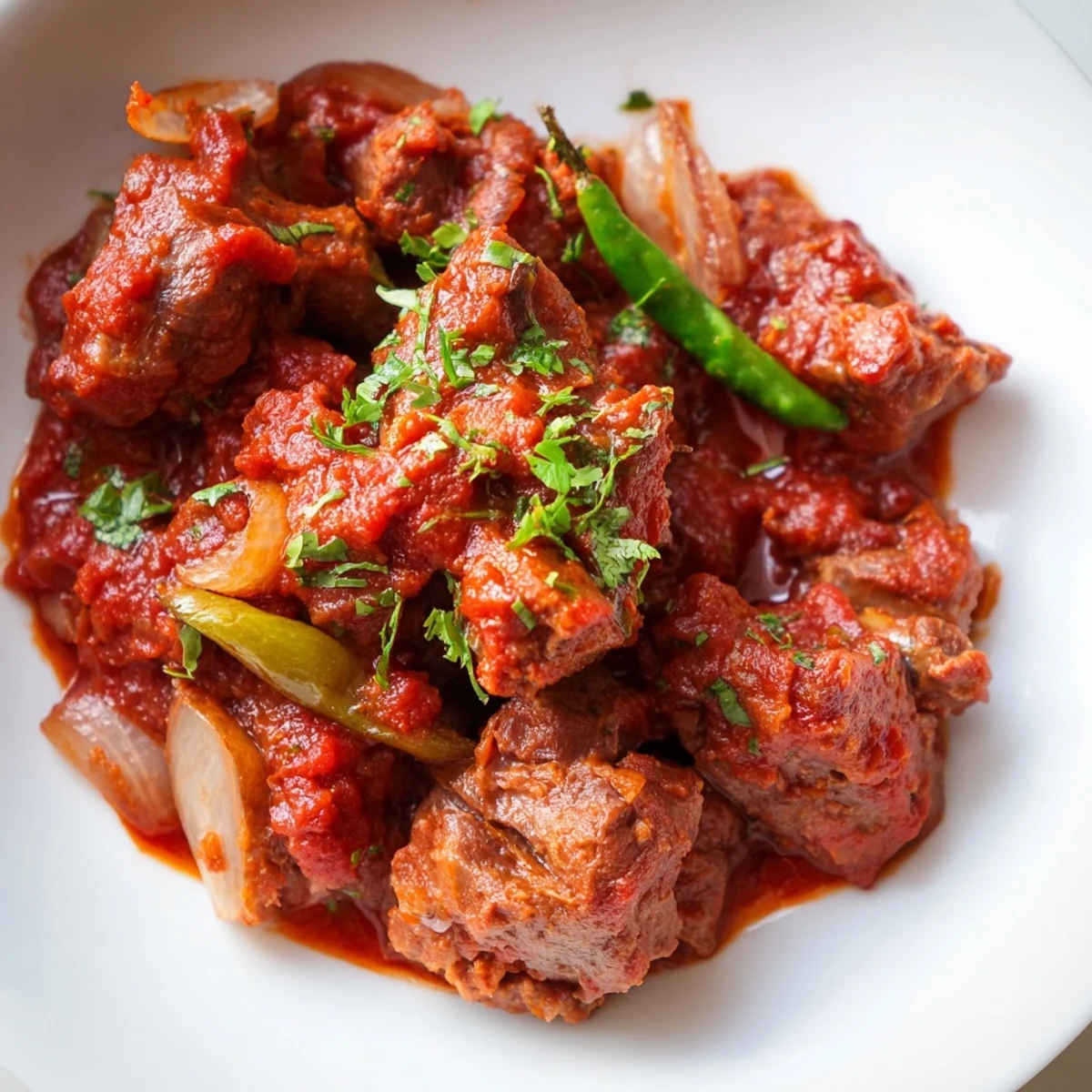
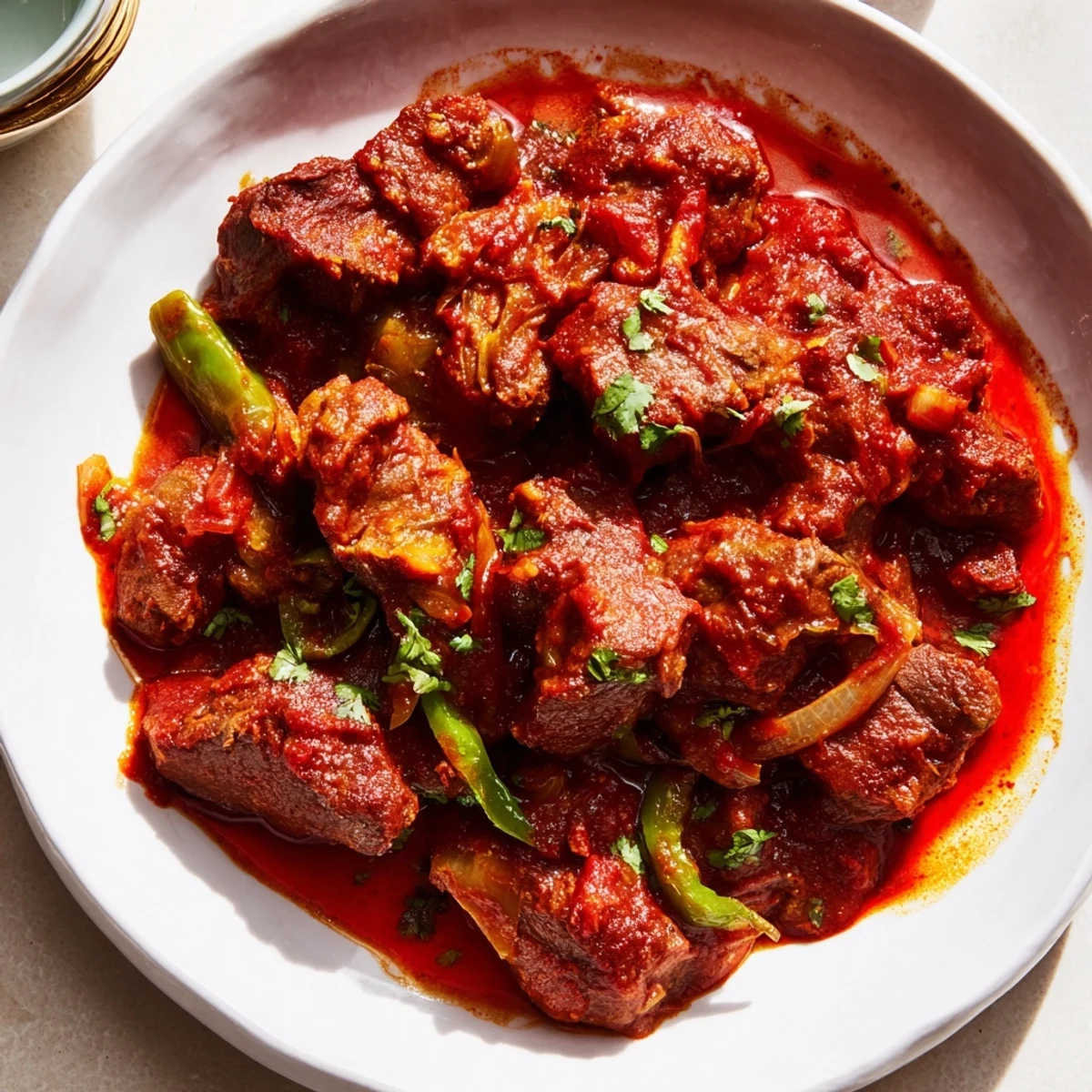
 This beloved Kenyan dish transforms tender goat meat into a savory, aromatic masterpiece. The meat is first simmered until tender, then stir-fried with golden onions, fresh tomatoes, garlic, ginger, and warming spices like paprika, coriander, and turmeric. The result is a beautifully glossy, thickened sauce that coats every piece of meat. Perfect served alongside traditional ugali, steamed rice, or warm chapati for an authentic East African dining experience.
The first time my cousin Sarah walked me through her version of wet fry, I kept interrupting to ask about timing and measurements. She laughed and told me to just watch how the onions changed color and how the sauce started clinging to the meat. That afternoon in her tiny Nairobi kitchen, where the windows always steamed up, taught me more about instinctual cooking than any cookbook ever has. Now every time I catch that earthy, spicy aroma hitting the air, I'm back there, learning to trust my senses instead of the clock.
Last Sunday, I made this for friends who'd never tried goat meat before. They were skeptical at first, asking about gamey flavors and toughness. But watching them go back for thirds, reaching for extra pieces with their fingers like true Kenyans, was honestly the best validation. The conversation shifted completely from tentative questions to stories about their own family recipes, all sparked by one really good meal shared together.
Ingredients
- Goat meat: The star of the show, and buying it from a butcher who knows their cuts makes all the difference in tenderness and flavor depth
- Onions: Slicing them thin instead of chopping helps them melt into the sauce naturally, creating that rich base we're after
- Tomatoes: Really ripe ones break down beautifully and thicken the sauce without needing any tomato paste or flour
- Fresh ginger and garlic: I've learned to grate these instead of mincing so they disappear into the dish but still pack that aromatic punch
- Ground coriander and paprika: This combination gives the dish its signature warm, earthy notes without overwhelming the meat
- Fresh coriander: Adding this at the very end keeps the dish tasting bright and fresh, cutting through the richness
Instructions
- Start with the meat:
- Place your goat pieces in a large saucepan with half the onions, garlic, ginger, and some salt, then add just enough water to cover everything and let it simmer until the meat is tender and most of the liquid has disappeared
- Build your flavor base:
- Heat oil in a heavy pan and cook those remaining sliced onions until they're golden brown and fragrant, taking your time because this is where the depth develops
- Add tomatoes and heat:
- Toss in your diced tomatoes and green chilies, cooking until everything breaks down into this thick, glossy mixture that smells absolutely incredible
- Bring it all together:
- Add your cooked goat meat with all its juices, sprinkle in your spices, and cook uncovered while stirring until the sauce coats every piece perfectly and reaches that signature wet fry consistency
- Finish with freshness:
- Stir in your chopped fresh coriander right at the end, give it a final taste adjustment, and serve while it's still hot and inviting
 Pin This
 This recipe became my go-to for new neighbors and housewarming gifts. Something about a fragrant, bubbling pot of goat wet fry makes any house feel like home immediately. I've watched strangers become friends over shared plates and the inevitable conversation about how different families make it their own way.
Choosing Your Meat
Young goat meat is noticeably more tender, but if you can only find mature meat, don't worry. The initial simmering step is designed to break down those tougher fibers. I've also discovered that cutting the meat into uniform, bite-sized pieces helps everything cook evenly, so no pieces end up dry while others are still chewing.
Serving Suggestions
Ugali is the traditional choice for good reason, its neutral, slightly grainy texture balances the rich sauce perfectly. But I've also served this over plain white rice when I'm short on time, and the way the sauce seeps into the grains is honestly magical. Warm chapatis work too, especially for soaking up every last drop of that spiced gravy.
Making It Ahead
This dish reheats beautifully, and I actually think the flavors deepen and meld together after a night in the refrigerator. The sauce thickens up even more, so you might need to splash in a tiny bit of water when reheating.
- Store in an airtight container for up to three days
- Freeze individual portions for those busy weeknight dinners
- Reheat gently over low heat to keep the meat tender
 Pin This
 There's something deeply satisfying about making a dish that's been perfected across generations of home cooks. Every time I serve this, I feel connected to that lineage of cooks who understood that good food is about more than just ingredients.
Recipe FAQs
- → What makes Kenyan goat wet fry unique?
-
The distinctive wet fry technique creates a thick, glossy sauce that coats the meat rather than a soup-like consistency. The combination of aromatic spices and the method of first boiling then stir-frying creates depth of flavor and texture unique to Kenyan cuisine.
- → Can I substitute goat meat with other proteins?
-
Yes, beef, lamb, or chicken work well as substitutes. Adjust cooking times accordingly—chicken will cook faster while beef may require longer simmering to achieve tenderness similar to goat meat.
- → What should I serve with Kenyan goat wet fry?
-
Traditional accompaniments include ugali (maize porridge), steamed rice, or chapati (flatbread). These sides help soak up the flavorful sauce and balance the rich, spiced meat.
- → How do I know when the sauce has reached the right consistency?
-
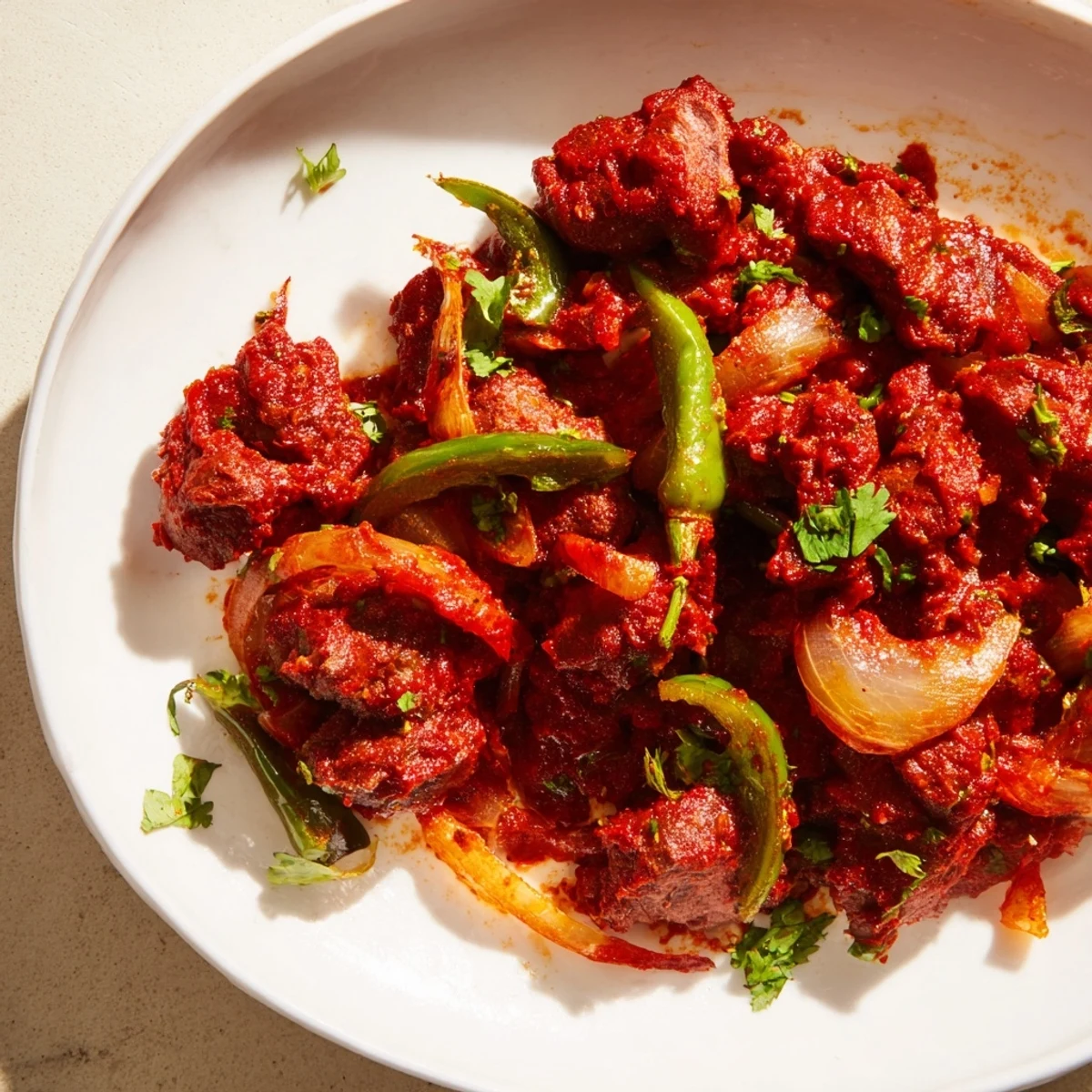
The sauce is ready when it's thickened enough to coat the meat but not soupy—it should be 'wet' but not dripping. This usually takes 10-15 minutes of cooking uncovered while stirring frequently.
- → Is this dish spicy?
-
The heat level is adjustable. Green chilies add medium spice, but you can reduce or omit them for a milder version. The other spices provide aromatic warmth rather than intense heat.
- → Can I make this dish ahead of time?
-
While best served immediately for maximum juiciness, you can prepare it in advance and reheat gently. The flavors often deepen overnight, though the sauce may thicken further—add a splash of water when reheating.