
 Pin This
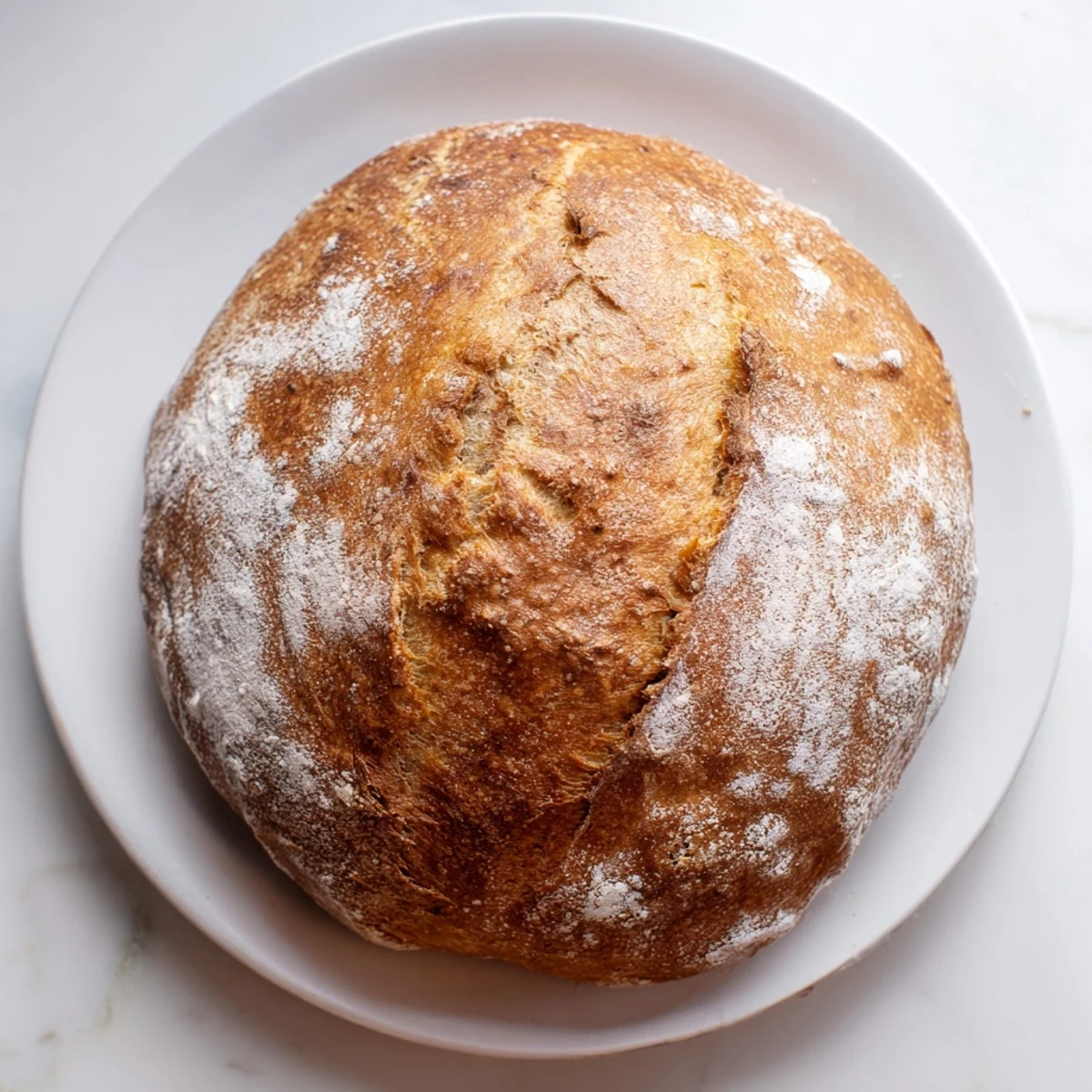
 This foolproof method delivers professional-quality artisan bread with virtually no effort. The dough develops deep flavor during an overnight rise, creating that signature crackling crust and airy, chewy interior found in European bakeries.
Simply mix flour, salt, yeast, and water, then let time work its magic. The long fermentation breaks down proteins naturally, eliminating any need for kneading while developing complex flavor profiles.
Baking in a preheated Dutch oven creates steam, resulting in an impressive crust and beautiful oven spring. Perfect for beginners wanting bakery results without the technical skills.
The winter morning I discovered no-knead bread, my tiny apartment smelled like a professional bakery by noon. I had spent years believing beautiful bread required endless kneading and mysterious talent my hands simply did not possess. That first attempt emerged from the oven with a crackling crust that sang throughout the room. Now I keep a fresh-baked loaf on hand for simple dinners and midnight snacking.
My sister-in-law stayed over last spring while apartment hunting, exhausted from weeks of viewings and decisions. I pulled a freshly baked loaf from the oven, sliced it while still warm, and we stood at the counter eating pieces with salted butter. She cancelled her remaining appointments and sat with me for another hour, talking and eating. Bread has a way of slowing time and opening conversations.
Ingredients
- Bread flour: Higher protein creates better structure but all purpose works perfectly fine
- Salt: Essential for flavor so do not reduce the amount significantly
- Instant yeast: No proofing needed and it dissolves beautifully into the flour mixture
- Lukewarm water: Think bath temperature not hot which can kill the yeast activity
- Extra flour: Keep plenty nearby for shaping because this dough is delightfully sticky
Instructions
- Mix the dough:
- Whisk flour salt and yeast in a large bowl then add water and stir until shaggy dough forms
- Let it rest:
- Cover tightly and let rise at room temperature for 12 to 18 hours until bubbly and doubled
- Shape the loaf:
- Turn dough onto floured surface and gently form into a ball using well floured hands
- Second rise:
- Place seam side down on floured parchment cover and rest 30 to 60 minutes
- Preheat strategically:
- Heat Dutch oven at 450°F for at least 30 minutes while dough rests
- Bake covered:
- Transfer dough with parchment into hot pot cover and bake 30 minutes
- Create the crust:
- Remove lid and bake 12 to 15 minutes more until deep golden brown
- Cool completely:
- Let bread rest on wire rack before slicing to preserve the interior texture
 Pin This
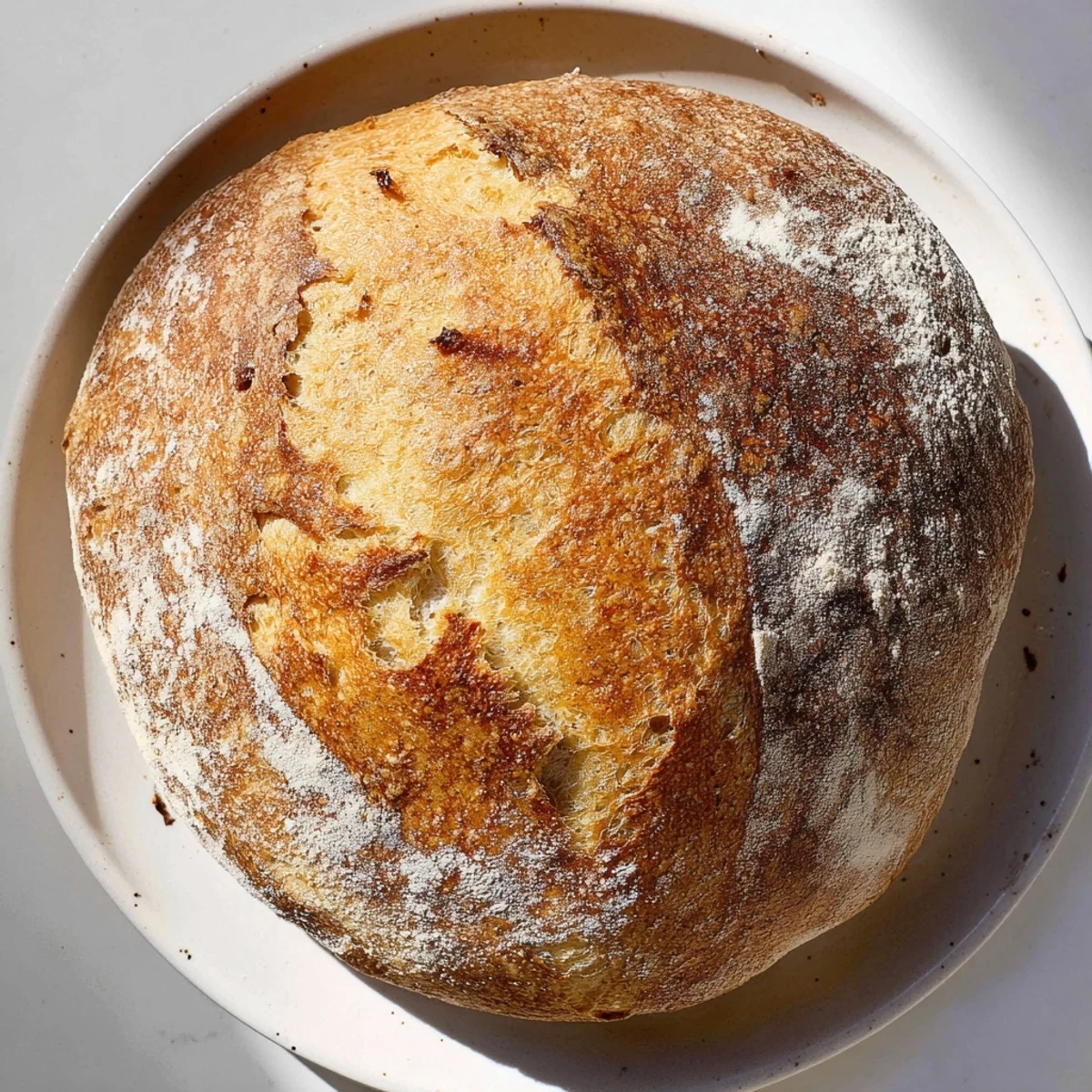
 Last autumn I brought a loaf to a neighborhood potluck and three people asked for the recipe before dinner even started. Something about tearing into a crusty homemade bread makes people feel cared for and welcomed. Now it is my go-to contribution for any gathering or new neighbor situation.
The Magic of Long Fermentation
Those hours of doing nothing are actually where all the flavor develops. The yeast slowly breaks down sugars and creates complexity you cannot rush. Your patience is the secret ingredient here.
Dutch Oven Essentials
Any heavy pot with a tight-fitting lid works though enameled cast iron is ideal. The trapped steam mimics professional steam injection ovens creating that beautiful blistered crust. If your lid has a plastic knob remove it or wrap it in foil before heating.
Customization Possibilities
This base recipe welcomes endless variations to suit your mood or meal. Try mix-ins like rosemary and garlic or kalamata olives for a Mediterranean twist. A handful of shredded cheese transforms it into the perfect grilled bread base.
- Swap one third of the white flour for whole wheat for nutty depth
- Add one half cup of chopped nuts or dried fruit to the dry ingredients
- Sprinkle the top with everything bagel seasoning before baking
 Pin This
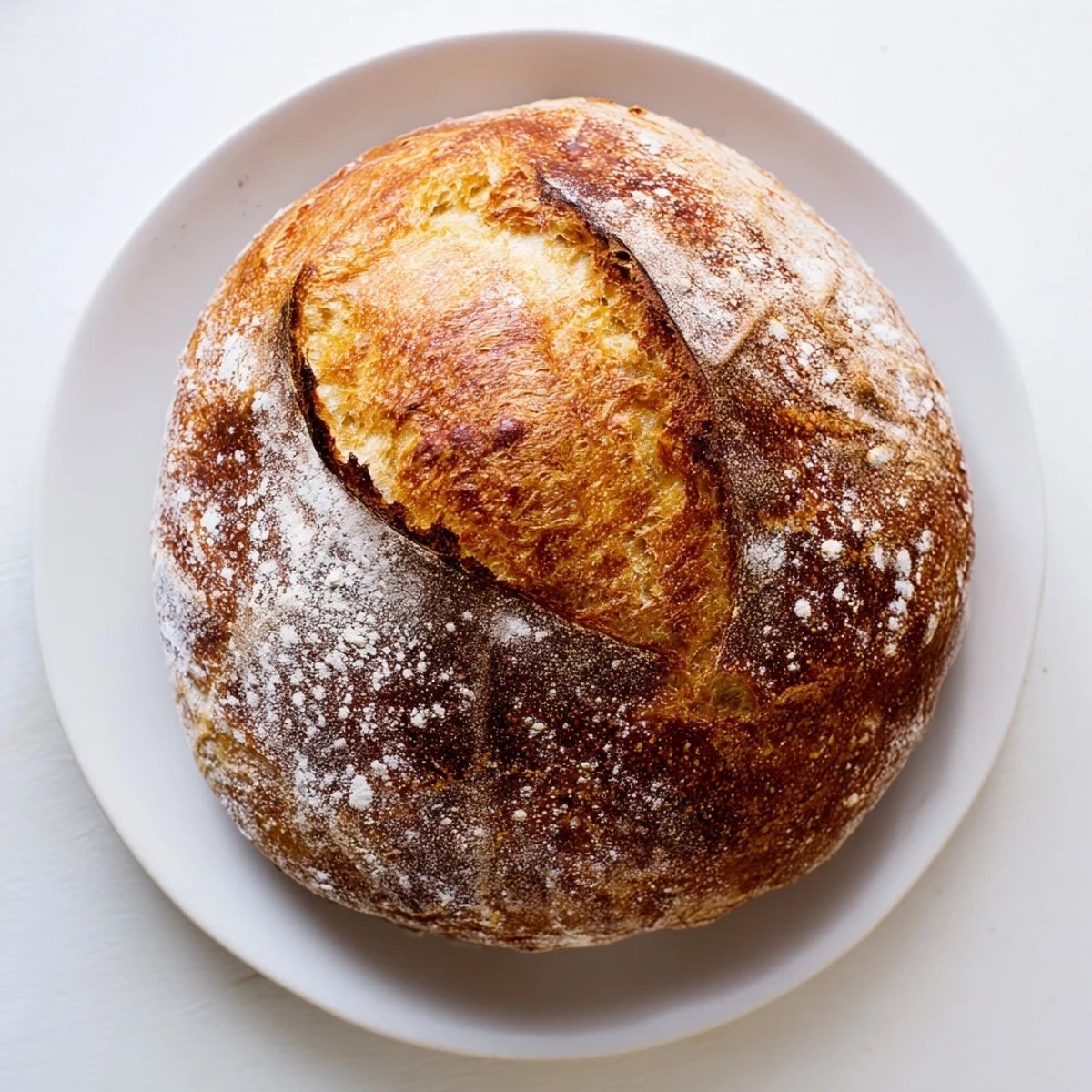
 There is something deeply satisfying about turning three ingredients into something so extraordinary. Happy baking friend.
Recipe FAQs
- → What makes this bread method foolproof?
-
The extended fermentation period (12–18 hours) naturally develops gluten structure without kneading. Time does the work for you, making it nearly impossible to mess up.
- → Can I use all-purpose flour instead of bread flour?
-
Absolutely. All-purpose flour works well, though bread flour yields slightly chewier results due to higher protein content. Both produce excellent crusty loaves.
- → Why bake in a Dutch oven?
-
The preheated Dutch oven traps steam during baking, creating that professional bakery-style crust and impressive oven spring. It mimics commercial steam-injected ovens.
- → How do I know when the dough has risen enough?
-
Look for bubbles dotting the surface and dough that has approximately doubled in size. It should look puffy and jiggly when you gently shake the bowl.
- → Can I speed up the rising process?
-
You can reduce rising time to 8–10 hours by placing the dough in a slightly warmer area (80°F/27°C), though the longer rise develops deeper flavor for the most authentic artisan taste.
- → How should I store this bread?
-
Store in a paper bag at room temperature for up to 2 days. For longer storage, freeze sliced portions in freezer bags and toast directly from frozen.