
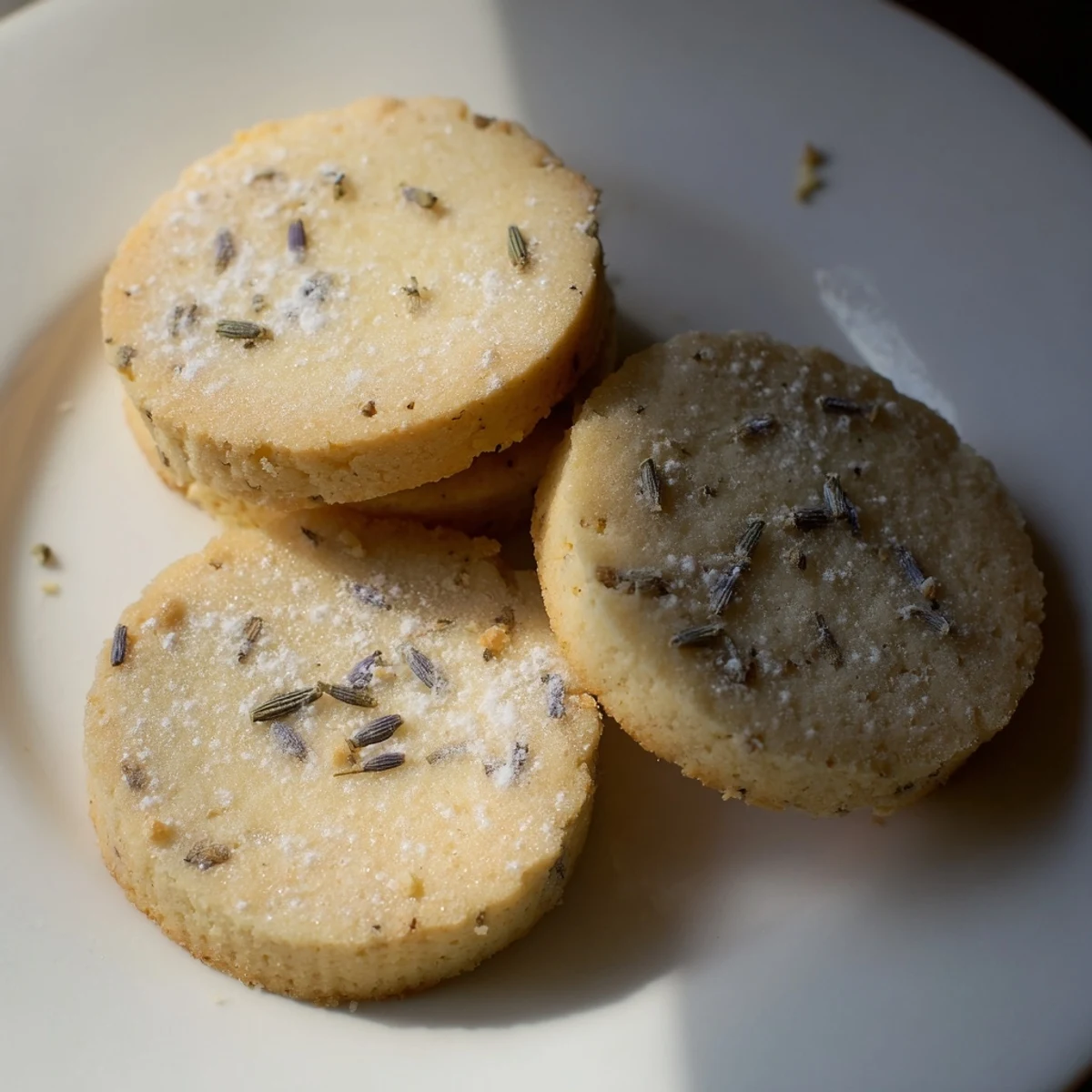
 Pin This
 These delicate cookies combine the bright, citrusy essence of fresh lemon with the subtle floral notes of dried lavender. The dough comes together quickly with softened butter creamed into sugar, then enriched with vanilla and fresh lemon juice. Crushing the dried lavender with lemon zest releases the aromatic oils, ensuring the floral flavor permeates every bite.
Baked until edges turn golden, these tender cookies offer a sophisticated balance of sweet and floral. The 32-minute process includes simple mixing techniques and yields 24 treats perfect for afternoon tea or light dessert. A lemon glaze adds extra sweetness if desired, while gluten-free flour substitutions make these accessible for various dietary needs.
The first time I baked with lavender, I was honestly skeptical. My grandmother had mentioned using flowers in desserts, but it sounded like something from a fancy French patisserie, not my tiny kitchen. Then I caught whiff of these cookies fresh from the oven and that floral-citrus perfume wrapped around the entire house. Now they are my go-to when I want something that feels special but is actually quite simple to throw together.
Last spring I made a batch for a book club meeting and watched three different people ask for the recipe before they even finished their first cookie. One friend admitted she does not usually like floral anything but these won her over completely. There is something about the combination that feels like sunshine and calm all at once.
Ingredients
- 2 cups all-purpose flour: This is the foundation that gives structure while staying tender
- 1/2 teaspoon baking powder: Just enough lift for a light texture without turning these into cake
- 1/4 teaspoon salt: Enhances all the other flavors and keeps them from being one-note sweet
- 1 tablespoon dried culinary lavender: Use only culinary grade because craft lavender can have pesticides or bitter aftertaste
- Zest of 2 lemons: The essential oils in the zest carry the bright lemon flavor better than juice alone
- 3/4 cup unsalted butter softened: Room temperature butter cream properly creates those airy pockets that make cookies tender
- 1 cup granulated sugar: Sweetens but also helps create that perfect crisp edge
- 1 large egg: Binds everything together and adds richness
- 1 teaspoon vanilla extract: Rounds out the floral notes with warmth
- 2 tablespoons fresh lemon juice: Adds brightness and helps activate the baking powder
Instructions
- Preheat your oven to 350°F and line baking sheets:
- Parchment paper prevents sticking and makes cleanup so much easier later
- Whisk together the dry ingredients:
- In a medium bowl combine flour baking powder and salt until evenly distributed
- Crush the lavender with lemon zest:
- Use a mortar and pestle or spice grinder to lightly crush them together which releases the lavender oils
- Cream butter and sugar:
- Beat them for about 2 minutes until the mixture looks pale and fluffy
- Add the egg and extracts:
- Beat in the egg vanilla and lemon juice until everything is combined
- Mix in the lavender blend:
- Fold in that crushed lavender and lemon zest mixture
- Add the dry ingredients gradually:
- Mix in the flour mixture just until you no longer see streaks of dry flour
- Scoop onto baking sheets:
- Drop tablespoon sized balls about 2 inches apart to give them room to spread
- Bake until golden:
- Check at 10 minutes and continue up to 12 minutes until edges are lightly golden
- Cool completely:
- Let them rest on the baking sheet for 2 minutes then move to a wire rack
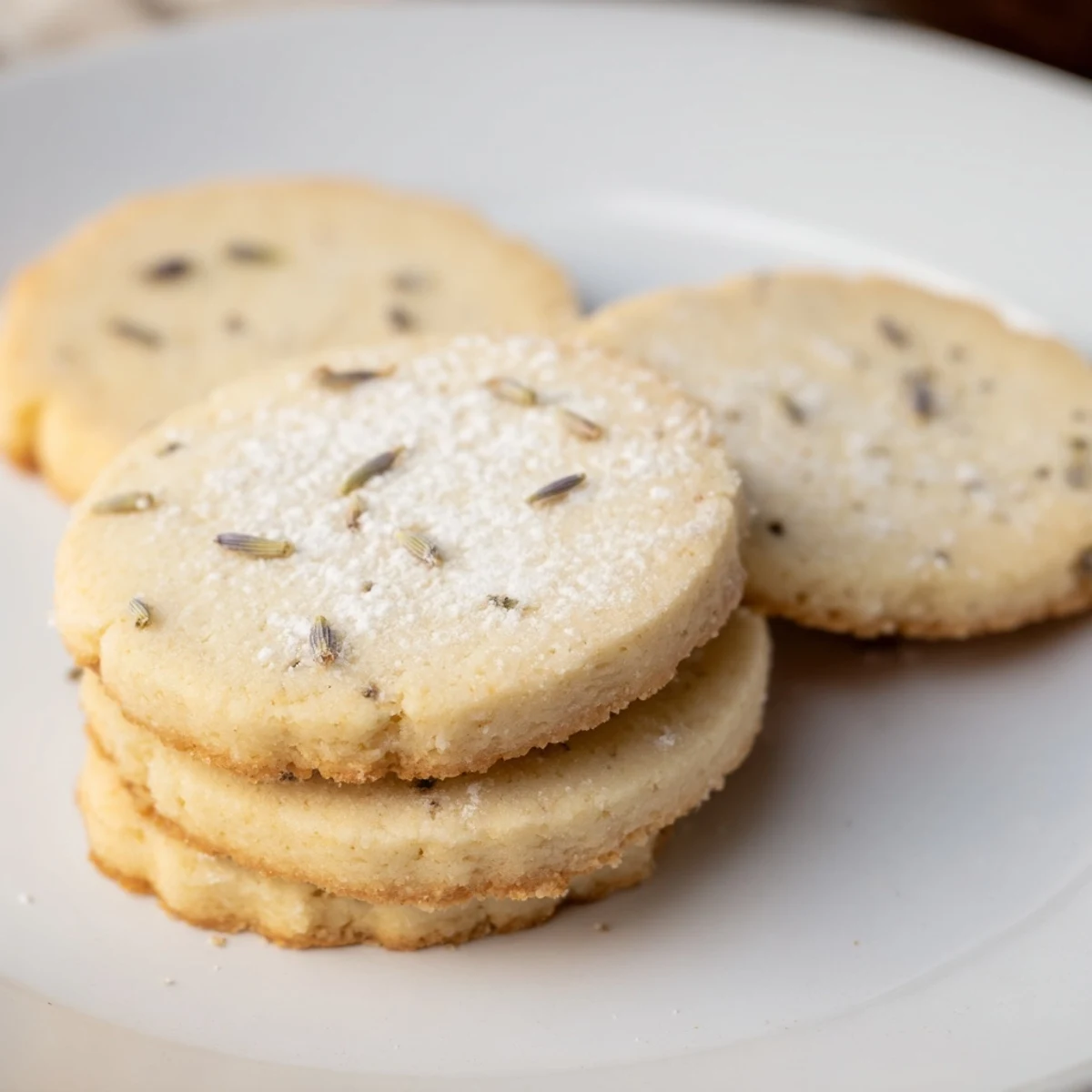 Pin This
 These have become my signature hostess gift because they travel well and never fail to impress. Something about serving homemade cookies with lavender makes people think you spent hours when really the active time is minimal.
Making That Glaze
When I want these to feel extra special I whisk together a cup of powdered sugar with just enough lemon juice to make it drizzle consistency. The glaze adds sweetness and makes them look bakery beautiful without much effort at all.
Getting The Lavender Right
Culinary lavender can be found at specialty stores or ordered online but do not try using lavender from craft stores or florists. I learned this the hard way and ended up with cookies that tasted like soap. The culinary variety is grown specifically for cooking and has a milder sweeter flavor.
Storage And Freezing
These cookies actually develop more depth after a day or two as the lavender and lemon meld together. I store them in an airtight container at room temperature and they stay fresh for almost a week.
- Scoop extra dough onto a baking sheet freeze until solid then transfer to a bag for fresh baked cookies anytime
- If freezing baked cookies separate layers with parchment paper to prevent sticking
- The glaze does not freeze well so add that after thawing if you plan to freeze them
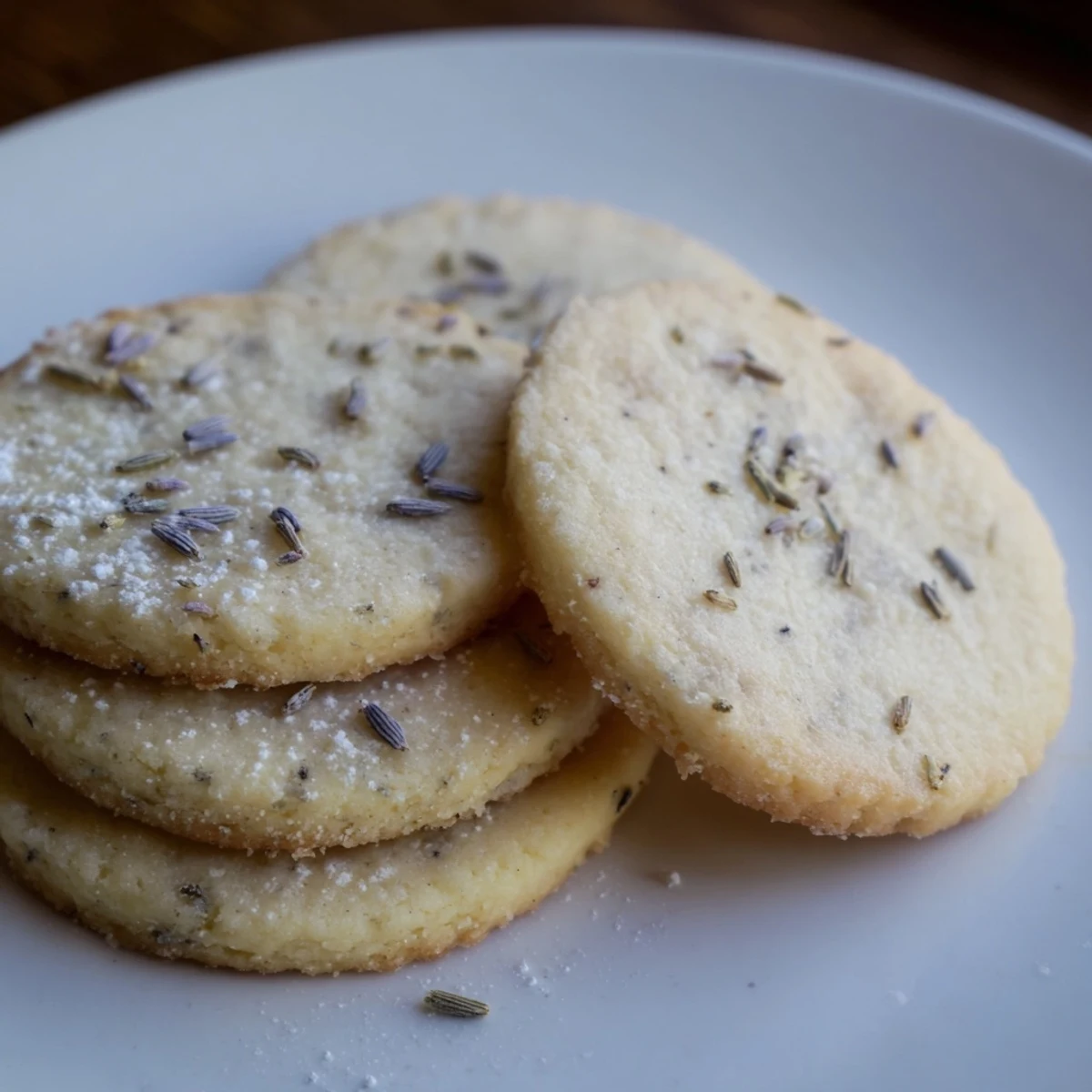 Pin This
 Whether for tea time or just because these little cookies have a way of making ordinary moments feel lovely.
Recipe FAQs
- → Can I use fresh lavender instead of dried?
-
Fresh lavender contains too much moisture and can make the cookies soggy. Stick to dried culinary lavender, which provides concentrated floral flavor without affecting the dough's texture. Culinary-grade lavender is specifically grown and processed for cooking, ensuring the best taste.
- → How do I know when the cookies are done baking?
-
The cookies are ready when the edges turn lightly golden, around 10-12 minutes. The centers may still appear slightly soft, but they will firm up as they cool. Avoid overbaking, as these delicate cookies can become dry. Letting them rest on the baking sheet for 2 minutes helps set the structure before transferring.
- → Can I make the dough ahead of time?
-
Yes, the dough can be prepared and refrigerated for up to 48 hours before baking. Wrap the dough tightly in plastic wrap or store in an airtight container. Chilled dough may need an extra minute or two in the oven. You can also scoop individual dough balls and freeze them for up to 3 months, baking straight from frozen with added time.
- → What's the best way to crush lavender with lemon zest?
-
A mortar and pestle works beautifully for this step, gently crushing the lavender buds while releasing their natural oils. A spice grinder also works, but pulse carefully to avoid over-processing. The goal is to break the lavender slightly and infuse the zest with floral oils, not create a fine powder.
- → Is the glaze necessary?
-
The glaze is entirely optional. These cookies shine on their own with a tender texture and balanced lemon-lavender flavor. The powdered sugar and lemon juice glaze adds sweetness and extra tartness, creating a finished bakery-style appearance. Skip it for a simpler treat that highlights the subtle floral notes.
- → Can I substitute the butter?
-
Butter provides the classic texture and rich flavor. While coconut oil or vegan butter substitutes work, they may alter the cookie's spread and taste. For best results, use high-quality unsalted butter at room temperature. If making dietary substitutions, expect slight texture variations.