
 Pin This
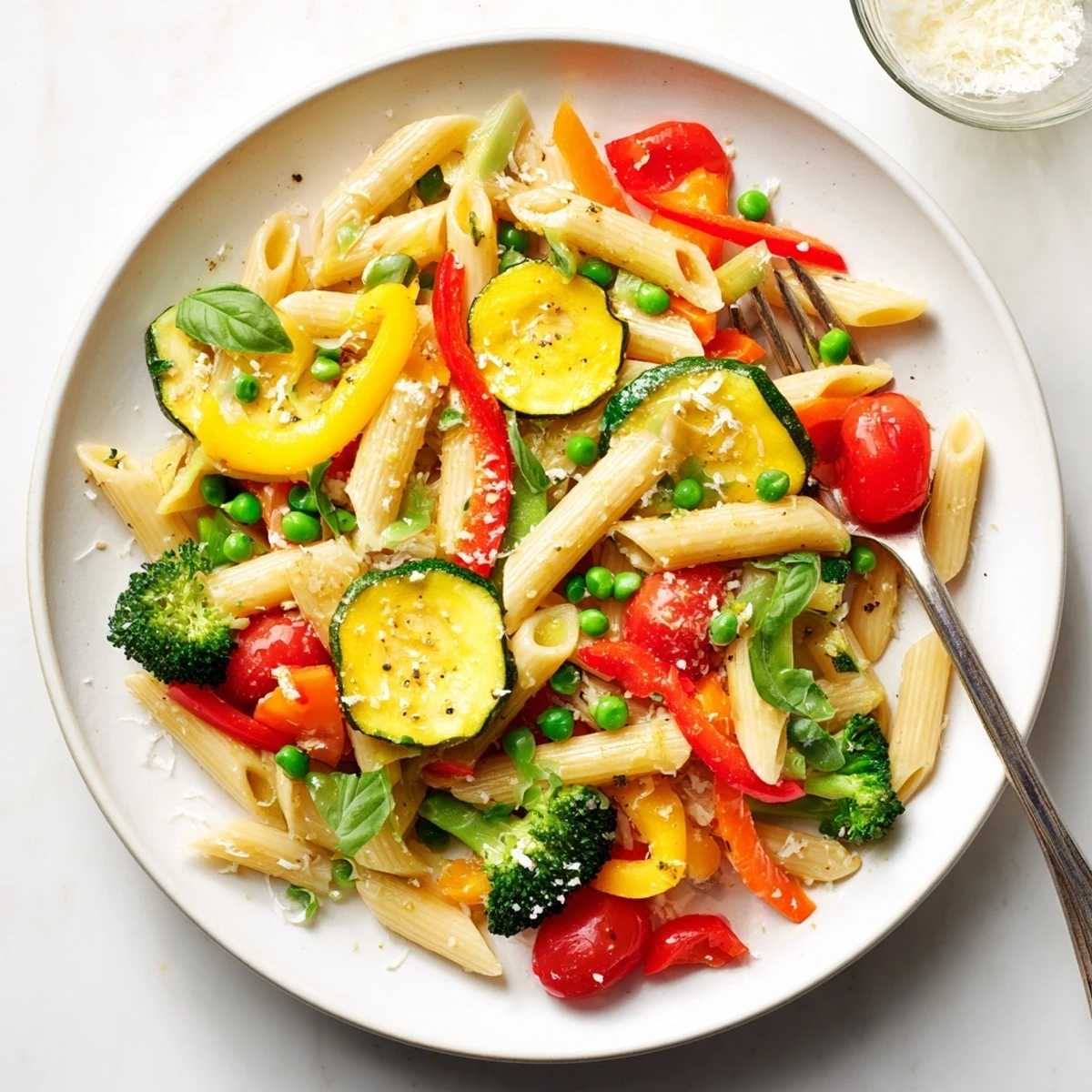
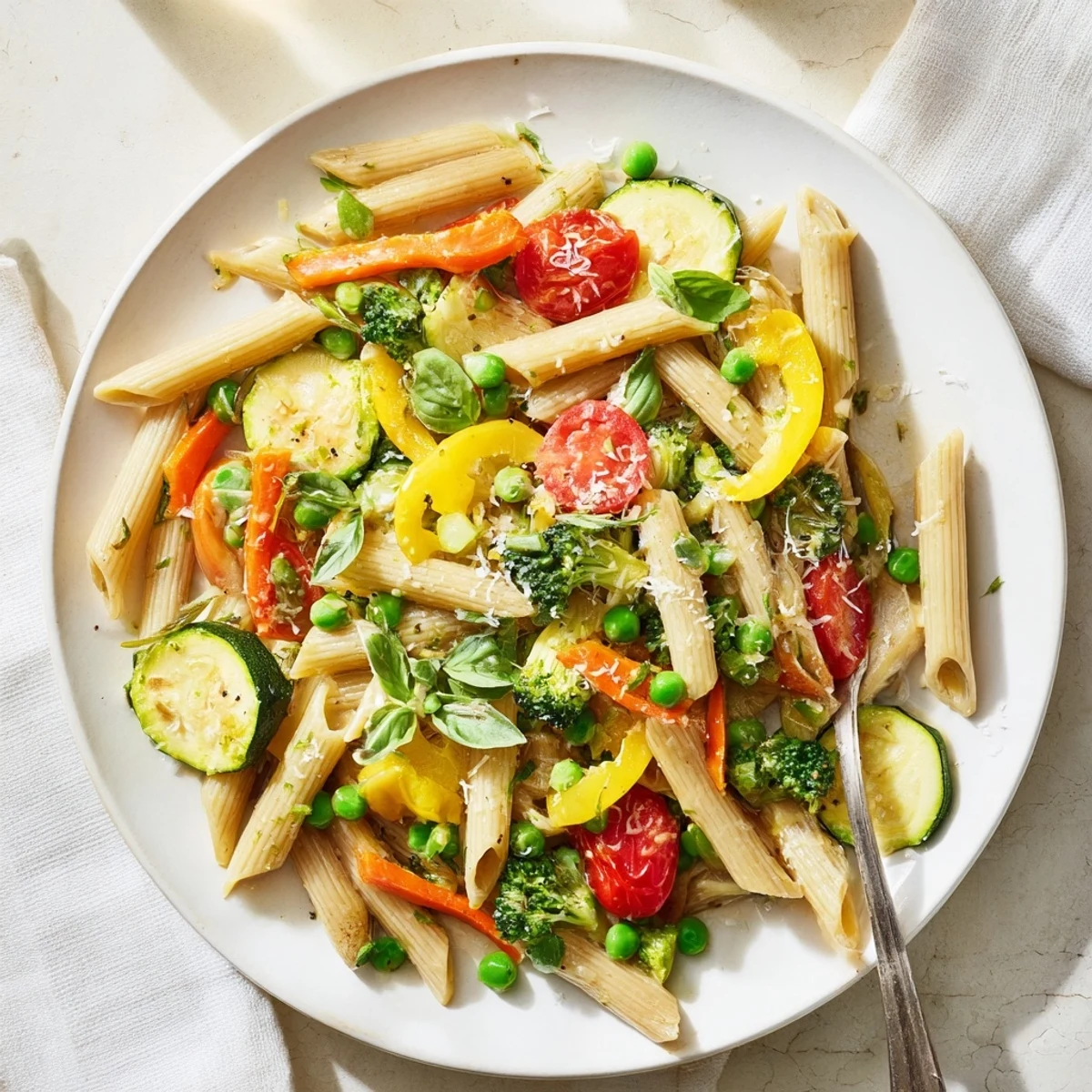
 This classic Italian dish celebrates the abundance of spring with a colorful medley of vegetables. Al dente penne or fusilli gets tossed with tender-crisp zucchini, bell peppers, broccoli, cherry tomatoes, and sweet peas.
The vegetables are sautéed in aromatic olive oil and garlic, then brightened with fresh lemon zest and juice. A finish of grated Parmesan and fragrant basil ties everything together into a harmonious bowl that's perfect for busy weeknights or casual entertaining.
Best of all, this versatile dish adapts to whatever seasonal vegetables you have on hand, making it a year-round favorite for using up garden produce.
The first time I made pasta primavera, I was trying to use up a CSA box that was overflowing with spring vegetables. I didnt follow any recipe, just tossed whatever looked colorful into a skillet, and somehow that chaotic Tuesday night dinner became one of my most requested dishes.
Last summer, my neighbor Sarah dropped by unexpectedly while I was making this. She ended up staying for dinner and told me it was the best pasta shed had outside of Italy. Now whenever her family visits, they ask if Im making that colorful pasta with all the vegetables.
Ingredients
- 350 g (12 oz) penne or fusilli pasta: The ridges and curves catch the light sauce and small vegetable pieces perfectly
- 1 small zucchini, sliced into half-moons: Dont slice too thin or theyll turn to mush, but thick enough to hold their shape
- 1 small yellow squash, sliced into half-moons: Adds beautiful color contrast and a slightly sweeter flavor than zucchini
- 1 red bell pepper, sliced into thin strips: The sweetness here balances the brighter vegetables
- 1 cup broccoli florets: Cut them small so they cook quickly and evenly with everything else
- 1 cup cherry tomatoes, halved: They burst gently in the heat, creating little pockets of brightness throughout
- 1/2 cup frozen peas, thawed: Add them last so they keep their sweet pop without turning gray
- 2 cloves garlic, minced: Fresh is non-negotiable here, the garlic builds the foundation of flavor
- 1 small carrot, julienned: Adds subtle sweetness and a beautiful orange fleck throughout the dish
- 3 tbsp extra virgin olive oil: The backbone that brings everything together
- 1/4 cup grated Parmesan cheese: Plus more for serving because everyone always wants more
- 1/4 cup chopped fresh basil: Or parsley if thats what you have growing
- Zest of 1 lemon: Use a microplane to get just the bright yellow part, none of the bitter white pith
- Juice of 1/2 lemon: Brightens all the vegetables and cuts through the olive oil
- Salt and freshly ground black pepper: Taste as you go, the vegetables need proper seasoning
- Pinch of red pepper flakes (optional): Just a whisper of heat to make things interesting
Instructions
- Get your water going:
- Bring a large pot of salted water to boil, then cook pasta until al dente, reserving that precious 1/2 cup of pasta water before draining
- Start the aromatics:
- Heat olive oil in a large skillet over medium heat and sauté garlic for just 30 seconds until fragrant, watching carefully so it doesnt burn
- Add the harder vegetables first:
- Toss in carrot, bell pepper, and broccoli, stirring frequently for 3 minutes until they start to soften but still have crunch
- Add the softer vegetables:
- Throw in zucchini, yellow squash, and peas, cooking another 4 to 5 minutes until tender but still vibrant and colorful
- Finish with tomatoes and citrus:
- Stir in cherry tomatoes, lemon zest, and lemon juice, cooking 2 more minutes until tomatoes just start to break down
- Bring it all together:
- Add the drained pasta to the vegetables, tossing everything together and adding pasta water as needed to create a light coating sauce
- Finish with the good stuff:
- Remove from heat, stir in Parmesan and fresh basil, then season generously with salt, pepper, and red pepper flakes if you like a little kick
- Serve it up:
- Plate immediately with extra Parmesan on top because everyone loves that freshly grated cheese moment at the table
 Pin This
 My daughter used to pick out all the vegetables when she was little, but now she asks for extra broccoli. Watching her relationship with vegetables evolve through this dish has been surprisingly heartwarming for something so simple.
Making It Your Own
Ive made this in every season and the key is working with whats available. In summer I pile in more tomatoes and fresh corn, while winter versions benefit from roasted root vegetables added at the end. The pasta and lemon remain constant, but the vegetables change with the calendar.
The Protein Question
This started as a side dish at my house but became a main when I realized how satisfying it is on its own. When I do add protein, grilled chicken strips work beautifully, or sometimes I toss in shrimp during the last two minutes of cooking. The vegetables remain the stars either way.
Leftover Magic
While this is best fresh, leftovers make an excellent cold pasta salad for lunch the next day. I add a splash more olive oil and maybe some diced mozzarella if Im feeling fancy. The vegetables soften slightly but the flavors actually deepen overnight.
- Make extra vegetables on purpose for next-day lunches
- If pasta seems dry cold, add a tiny drizzle of olive oil before serving
- This travels well for potlucks since its delicious at room temperature
 Pin This
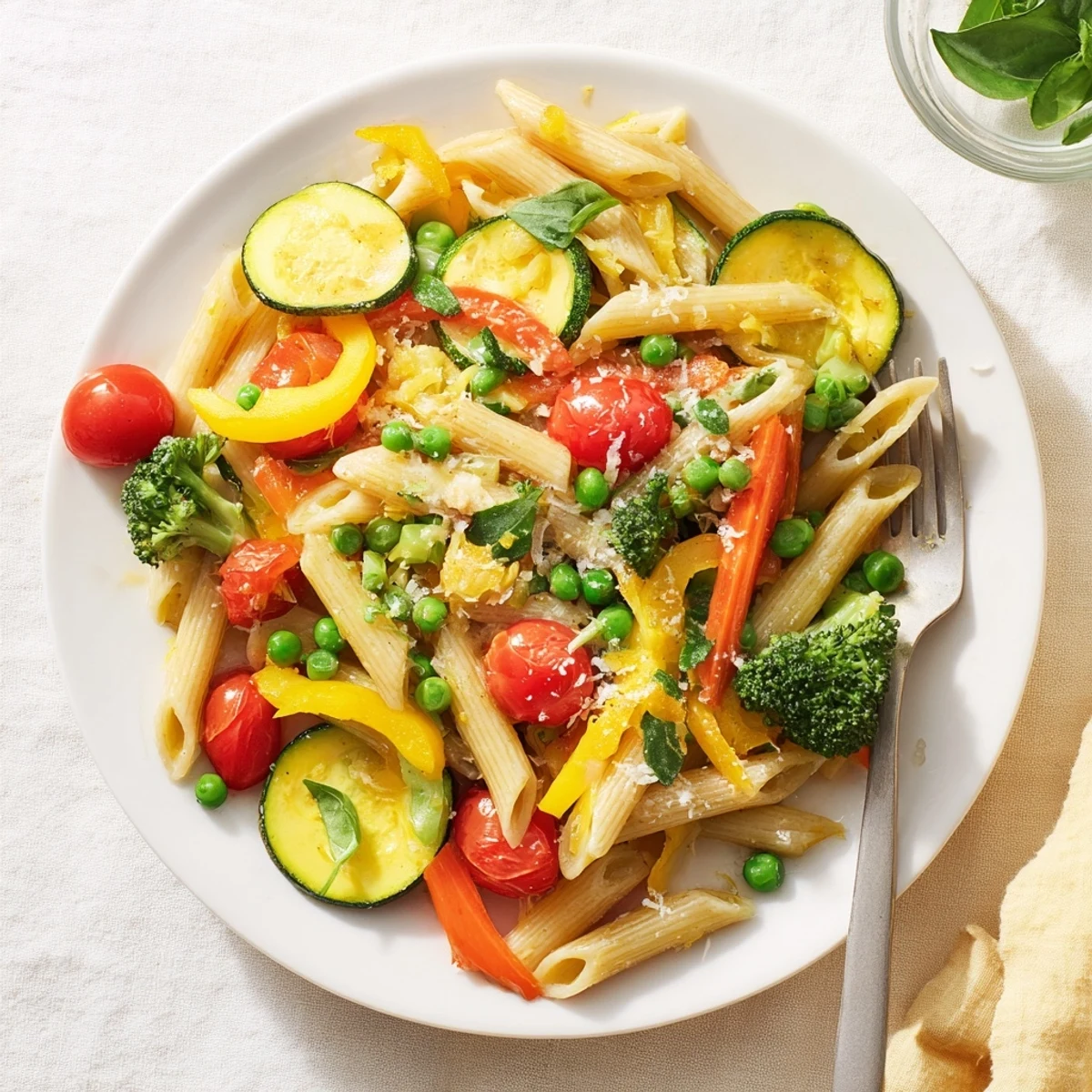
 Theres something deeply satisfying about a bowl full of so many colors, each bite different from the last. Hope this brings some brightness to your table too.
Recipe FAQs
- → What vegetables work best in pasta primavera?
-
Classic spring vegetables shine here: zucchini, yellow squash, bell peppers, broccoli, cherry tomatoes, and peas. You can also add asparagus, snap peas, or green beans. The key is cutting vegetables into similar sizes so they cook evenly.
- → How do I prevent vegetables from becoming mushy?
-
Cook vegetables in stages based on their cooking time. Start with harder vegetables like carrots and broccoli, then add softer ones like zucchini and tomatoes last. Keep the heat at medium and stir frequently to maintain texture and vibrant color.
- → Can I make pasta primavera ahead of time?
-
It's best enjoyed fresh, but you can prep components ahead. Chop vegetables up to a day in advance and store separately. Cook pasta and vegetables just before serving, as reheating can make the pasta absorb all the sauce and vegetables lose their crisp-tender texture.
- → What pasta shapes work well with primavera?
-
Penne and fusilli are excellent choices because their ridges and curves capture the light sauce and small vegetable pieces. Farfalle, rotini, or gemelli also work beautifully. Avoid long strands like spaghetti, as they don't hold the chunky vegetables as well.
- → How can I add protein to make it more filling?
-
Grilled chicken strips, sautéed shrimp, or pan-seared salmon fillets pair beautifully. For plant-based options, add white beans, chickpeas, or toasted pine nuts and walnuts. The vegetables already provide substantial fiber, making it satisfying on its own.