
 Pin This
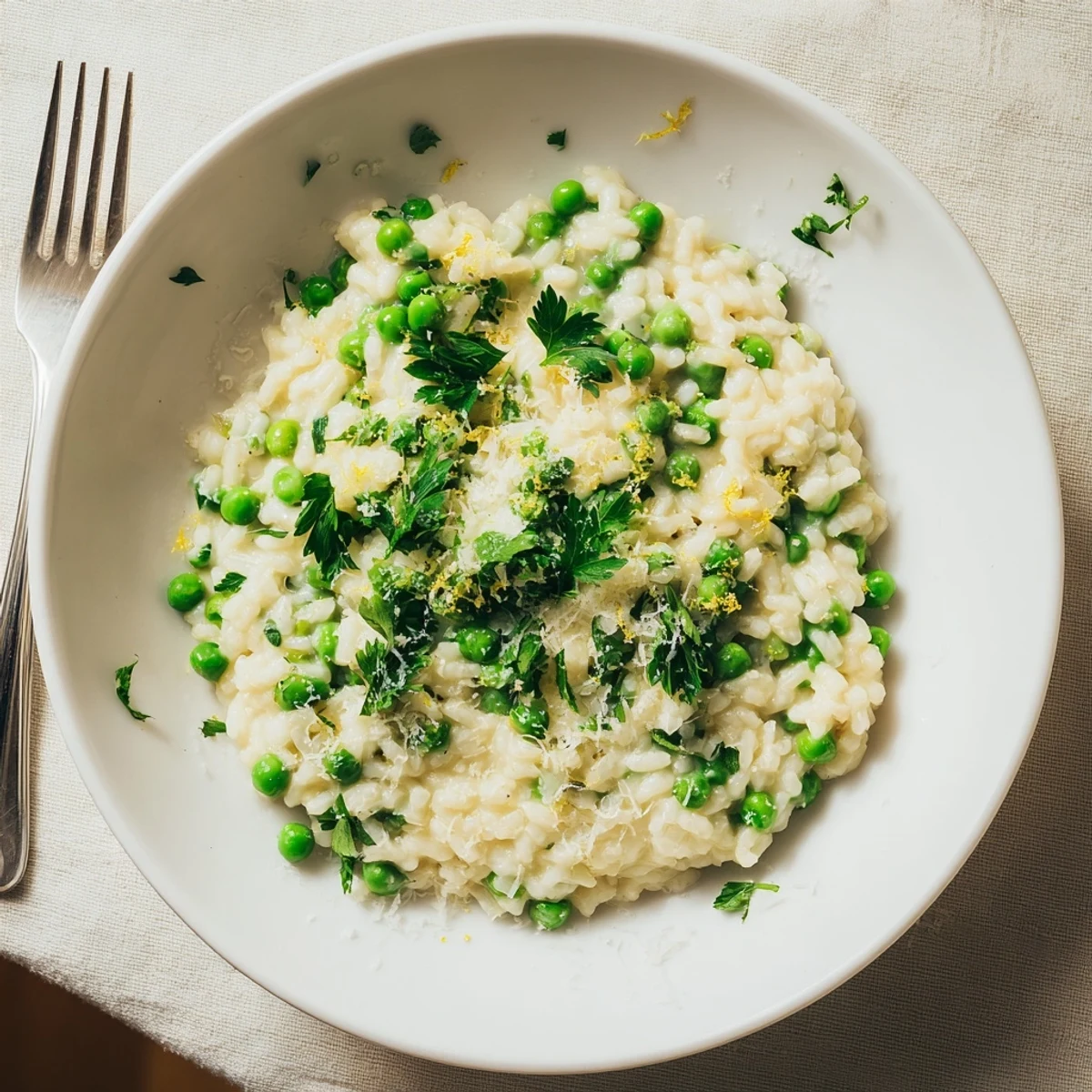
 This vibrant Italian dish transforms Arborio rice into a creamy, luxurious meal featuring naturally sweet spring peas. The slow addition of warm vegetable broth creates that signature velvety texture while fresh parsley and optional mint add brightness. Finished with butter and Parmesan, this risotto delivers restaurant-quality results at home. Ready in under an hour, it's perfect for weeknight dinners or elegant spring entertaining.
The first time I made risotto, I stood at the stove for forty five minutes, convinced I had ruined it completely. The rice seemed too tough, the liquid too abundant, and my arms were actually tired from all that stirring. But somewhere around minute thirty, something magical happened the grains transformed into this incredibly creamy, luxurious dish that tasted like it came from a restaurant. Now spring pea risotto is my go to when I want something that feels fancy but is actually quite simple to pull off.
Last April, my friend Sarah came over for dinner and watched wide eyed as I ladled broth into the rice, seemingly forever. She kept asking if it was done yet, and I kept explaining that the slow process is exactly what makes risotto so incredible. When we finally sat down to eat, she took one bite and literally went quiet for a full minute before declaring it the best thing shed ever tasted in my kitchen.
Ingredients
- Arborio rice: This short grain rice releases starch as it cooks, creating that signature creamy texture without actually needing cream
- Spring peas: Fresh peas are sweet and tender, but frozen work perfectly fine just thaw them first
- Vegetable broth: Keep it warm in a separate pot adding cold broth shocks the rice and ruins the texture
- White wine: Adds acidity and depth, though you can skip it and use more broth if needed
- Parmesan cheese: The finishing salt that ties everything together with its salty, nutty richness
- Butter: Divided use some for cooking the aromatics, some for finishing for maximum silkiness
- Fresh herbs: Parsley brings freshness, while mint adds a surprising bright note that makes peas sing
Instructions
- Get your broth warm:
- Pour the vegetable broth into a medium saucepan and bring it to a gentle simmer, then reduce the heat to low to keep it warm while you cook
- Sauté the aromatics:
- Heat olive oil and 1 tablespoon butter in a large heavy bottomed skillet over medium heat, add the chopped onion and cook for 2 to 3 minutes until translucent
- Add garlic:
- Stir in the minced garlic and cook for just 1 minute until fragrant, being careful not to let it brown
- Toast the rice:
- Add the Arborio rice and stir constantly for 2 minutes, letting the grains toast slightly until they look translucent around the edges
- Deglaze with wine:
- Pour in the white wine and keep stirring until it is almost completely absorbed by the rice
- Begin adding broth:
- Add one ladleful of warm broth, about 1/2 cup, and stir gently until the liquid is nearly absorbed before adding the next ladleful
- Continue the process:
- Keep adding broth one ladle at a time, stirring often, for 18 to 20 minutes until the rice is creamy and tender but still has a slight bite
- Add the peas:
- About 5 minutes before the rice is done, stir in the peas so they cook through and become tender
- Finish it off:
- Remove from heat and stir in the remaining butter, Parmesan, parsley, mint if using, and lemon zest, then season with salt and pepper to taste
 Pin This
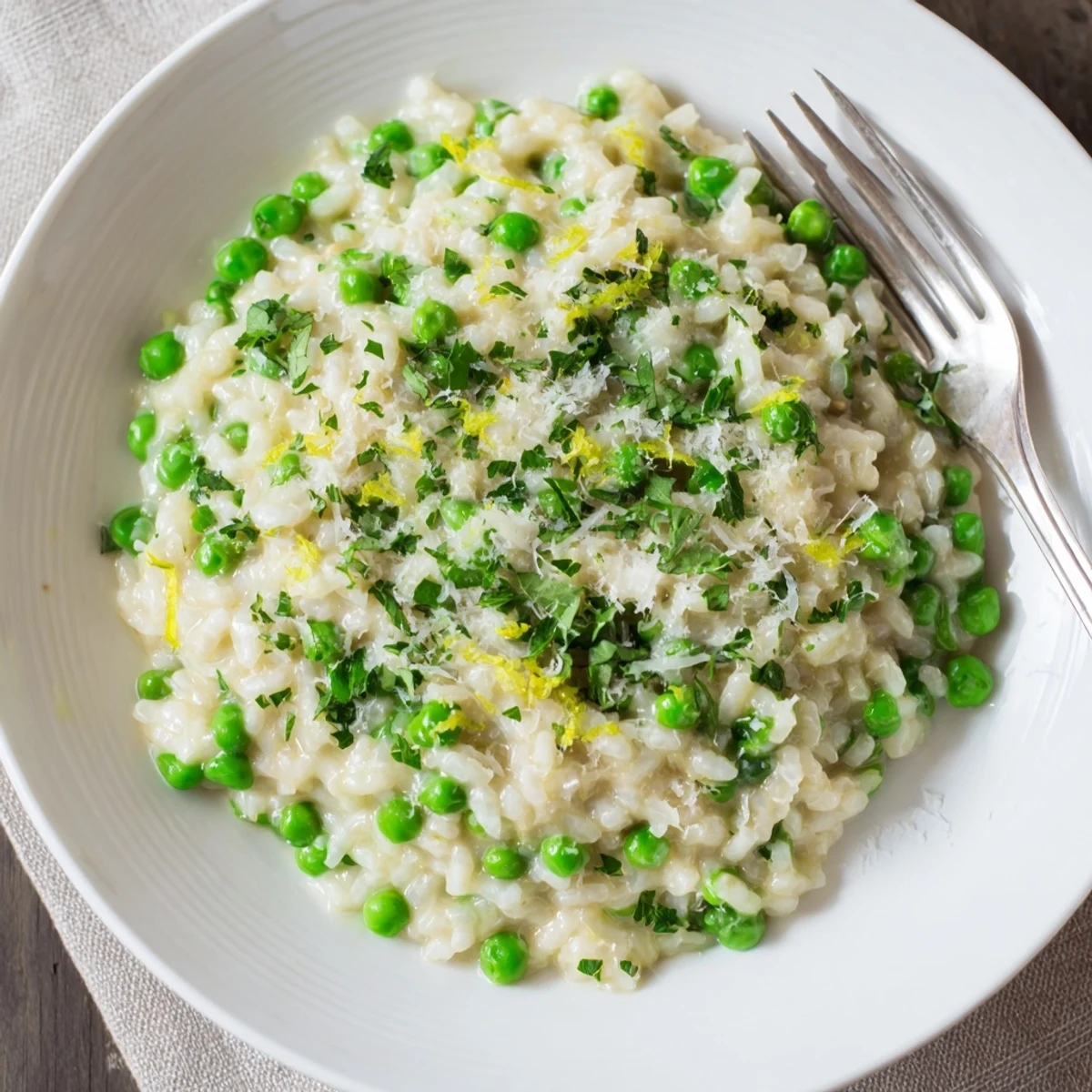
 This recipe became a spring tradition after my sister requested it for her birthday dinner three years in a row. Something about the bright green peas and fresh herbs just feels like celebration on a plate, especially when the weather starts turning warm.
The Art of Risotto
Risotto is one of those dishes that teaches you patience in the kitchen. You cannot rush it, you cannot walk away, and you cannot cut corners. But the rhythm of adding broth, stirring, waiting, and adding more becomes almost meditative once you get into it. The reward is something so much better than quick rice dishes could ever be.
Choosing Your Peas
Fresh spring peas are incredible if you can find them at the farmers market, shell them right before cooking for the sweetest flavor. Frozen peas are actually just as good for this application, and sometimes even better since they are picked and frozen at peak ripeness. Just remember to thaw them first so they dont cool down your risotto when you add them.
Making It Your Own
Once you master the basic technique, risotto becomes a canvas for whatever is in season. Sautéed mushrooms work beautifully in autumn, while asparagus takes center stage in early spring. You could even add some chopped spinach or kale for extra nutrition.
- Try swapping half the broth for mushroom broth for deeper flavor
- Add a dollop of mascarpone cheese instead of all butter for extra richness
- Top with toasted pine nuts or chopped walnuts for a satisfying crunch
 Pin This
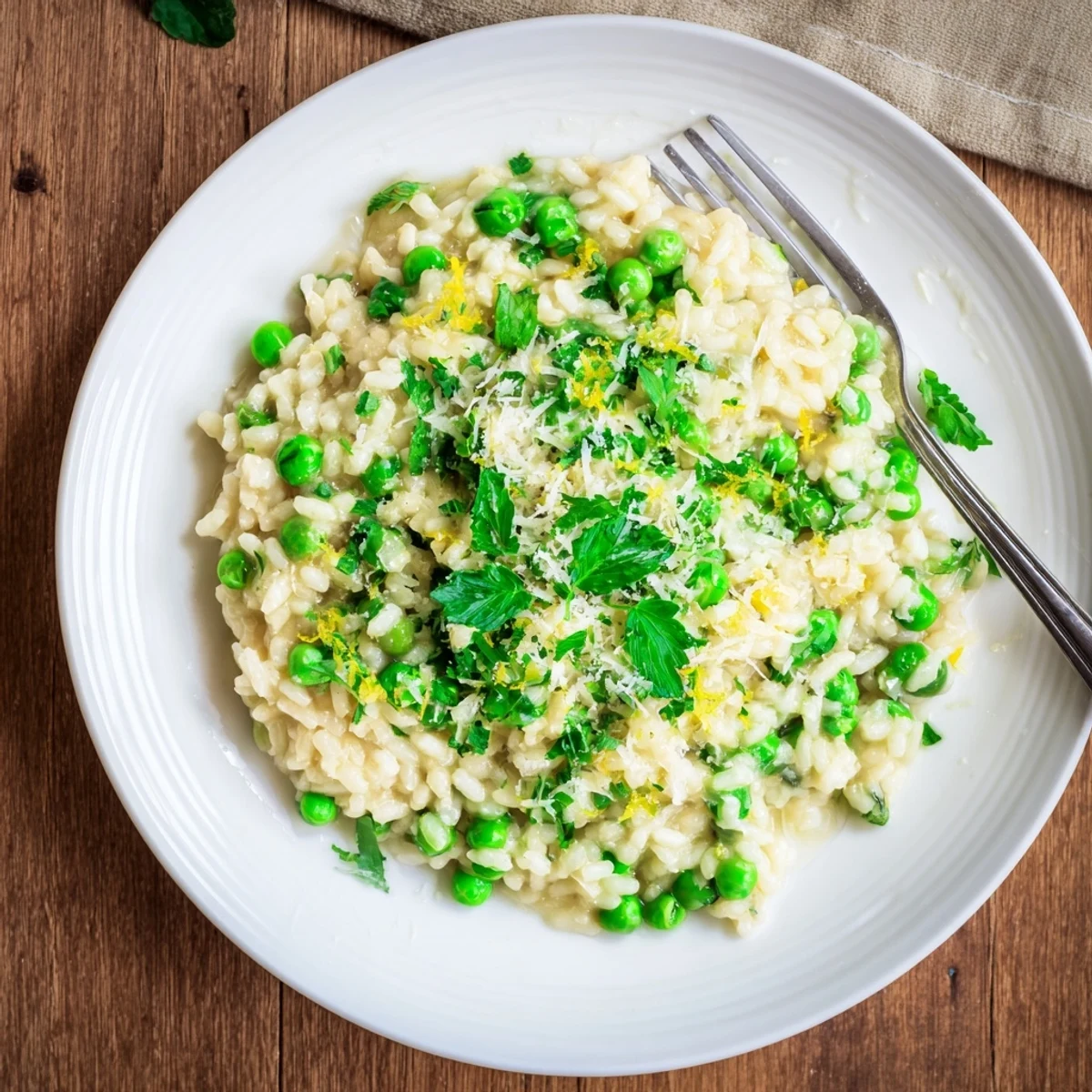
 There is something so comforting about standing at the stove, slowly transforming simple ingredients into something extraordinary. Spring pea risotto is more than just dinner, it is a reminder that good things come to those who stir.
Recipe FAQs
- → What makes risotto creamy?
-
The creaminess comes from Arborio rice's high starch content, which releases during slow cooking. Continuous stirring and gradual broth addition help create that signature velvety texture without adding heavy cream.
- → Can I use frozen peas?
-
Absolutely. Frozen peas work beautifully and often provide consistent sweetness. Add them during the last 5 minutes of cooking to thaw and heat through without becoming mushy.
- → Why must the broth be warm?
-
Adding cold broth shocks the rice, interrupting the starch release and creating uneven cooking. Warm broth maintains temperature consistency, ensuring proper texture development throughout the cooking process.
- → How do I know when risotto is done?
-
Taste the rice—it should be al dente with a slight bite in the center. The texture should be creamy and流动, flowing like slow-moving lava when you tilt the pan. Total cooking time typically ranges 18-20 minutes.
- → Can I make this vegan?
-
Yes. Replace butter with vegan alternatives and use nutritional yeast or vegan Parmesan. The cooking technique remains identical, and you'll still achieve that beloved creamy consistency.
- → What wine works best?
-
Dry white wines like Pinot Grigio or Sauvignon Blanc complement the delicate sweetness of peas. Avoid oaky wines— crisp, acidic whites provide the best balance to the rich, creamy risotto.