
 Pin This
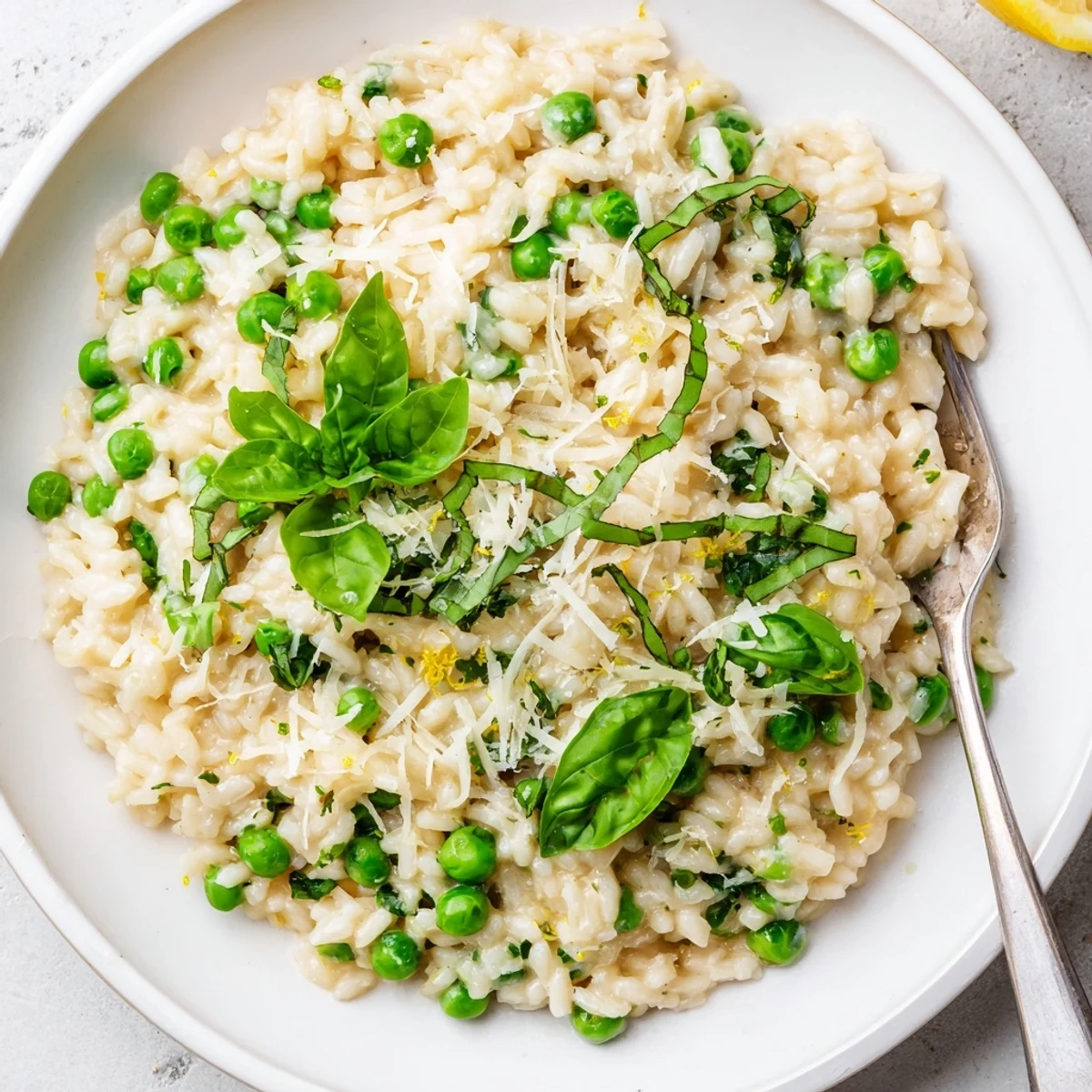
 This vibrant Italian dish transforms Arborio rice into a creamy, luxurious base sweetened with tender spring peas. The traditional risotto method involves gradually adding warm broth while stirring constantly, releasing the rice's natural starches for that signature velvety texture. Freshly grated Parmesan adds a salty, nutty depth, while bright basil and a touch of lemon juice cut through the richness. The result is a comforting yet elegant bowl that celebrates spring flavors, perfect as a main course or impressive side dish for entertaining.
The first time I made risotto, I stood at the stove for what felt like hours, adding broth ladle by ladle, wondering if all this stirring was really necessary. But when that first creamy spoonful hit my taste buds, suddenly the meditative rhythm made perfect sense. This spring pea version became my go-to when I want something that feels fancy but comes together with simple pantry staples.
Last spring, my neighbor Sarah came over while I was making this, and we ended up standing at the stove taking turns adding broth and catching up on life. The basil from her garden made it extra special, and now whenever I smell fresh basil and Parmesan together, Im back in that kitchen with wine glasses and laughter.
Ingredients
- Arborio rice: This short-grain rice is essential for risotto because it releases starch slowly, creating that signature creamy texture without actually needing cream
- Warm vegetable broth: Keep it gently simmering in a separate pot because adding cold broth shocks the rice and breaks the creamy emulsion youre building
- Yellow onion: Finely diced so it melts into the rice, providing a sweet foundation without distracting from the delicate pea flavor
- Garlic: Minced fresh and added just before the rice so it doesnt burn and become bitter
- Spring peas: Fresh peas during peak season are unbeatable, but good quality frozen peas work beautifully and actually hold their bright green color better
- Butter: One tablespoon starts the risotto, another finishes it, creating that luxurious restaurant-style mouthfeel
- Parmesan cheese: Freshly grated is non-negotiable here because pre-grated cheese has anti-caking agents that prevent proper melting
- Heavy cream: Completely optional but adds an extra velvety richness if youre feeling indulgent
- Fresh basil: Sliced into ribbons chiffonade style and added at the very end to preserve its bright, peppery sweetness
- Lemon zest and juice: The secret weapon that cuts through all that richness and makes the whole dish sing
Instructions
- Warm the broth:
- Pour the vegetable broth into a medium saucepan and bring it to a gentle simmer over low heat, keeping it warm throughout the cooking process.
- Build the foundation:
- In a large heavy-bottomed skillet or Dutch oven, heat olive oil and one tablespoon butter over medium heat until the butter foams, then add the diced onion and cook until translucent about four minutes.
- Add the garlic:
- Stir in the minced garlic and cook for just one minute until fragrant, being careful not to let it brown or it will turn bitter.
- Toast the rice:
- Pour in the Arborio rice and stir constantly for about two minutes until the grains look opaque around the edges and smell slightly nutty.
- Begin the ritual:
- Add one ladleful of warm broth about half a cup and stir frequently until most of the liquid is absorbed, watching the rice transform before your eyes.
- Continue adding broth:
- Keep adding broth one ladleful at a time, stirring and letting the liquid absorb before adding more, for eighteen to twenty-two minutes until the rice is tender but still has a slight bite.
- Add the peas:
- When the rice is almost al dente and beautifully creamy, stir in the peas and cook for two to three minutes until theyre tender and vibrantly green.
- Finish with flair:
- Remove from heat and stir in the remaining butter, Parmesan, heavy cream if using, basil, parsley, lemon zest and lemon juice, then season generously with salt and pepper.
- Serve immediately:
- Plate the risotto right away while its perfectly creamy and hot, topping with extra Parmesan and fresh basil leaves.
 Pin This
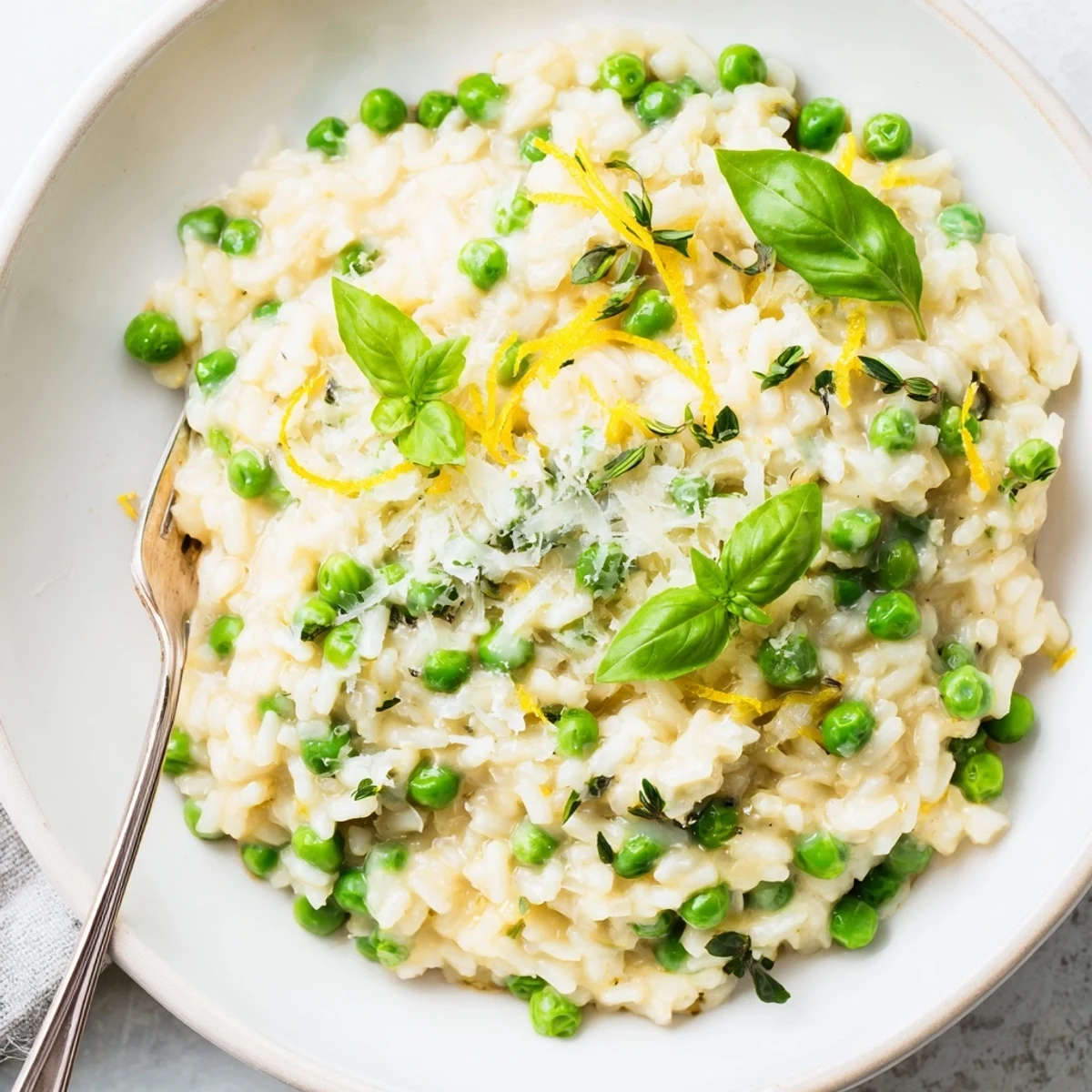
 This risotto has become my favorite way to welcome spring, and I make it whenever I need a meal that feels like a warm hug. Something about the combination of sweet peas and fresh basil just makes everything feel right with the world.
Making It Your Own
Once you master the basic risotto technique, you can swap in whatever vegetables are in season. Asparagus and shaved asparagus work beautifully, or try corn and cherry tomatoes in summer.
Perfecting The Texture
The risotto is done when the rice is tender but still has a tiny white dot in the center of each grain. It should flow like a wave when you tilt the pan, not sit there like a pile of sticky rice.
Serving Suggestions
I love serving this with a simple arugula salad dressed with lemon vinaigrette to cut through the richness. A crisp white wine like Sauvignon Blanc or Pinot Grigio makes the perfect companion.
- Keep some extra warm broth handy in case the risotto thickens up too much before serving
- Grate the Parmesan fresh right before adding it for the best melting capability
- Reserve a handful of whole peas to scatter on top for a beautiful presentation
 Pin This
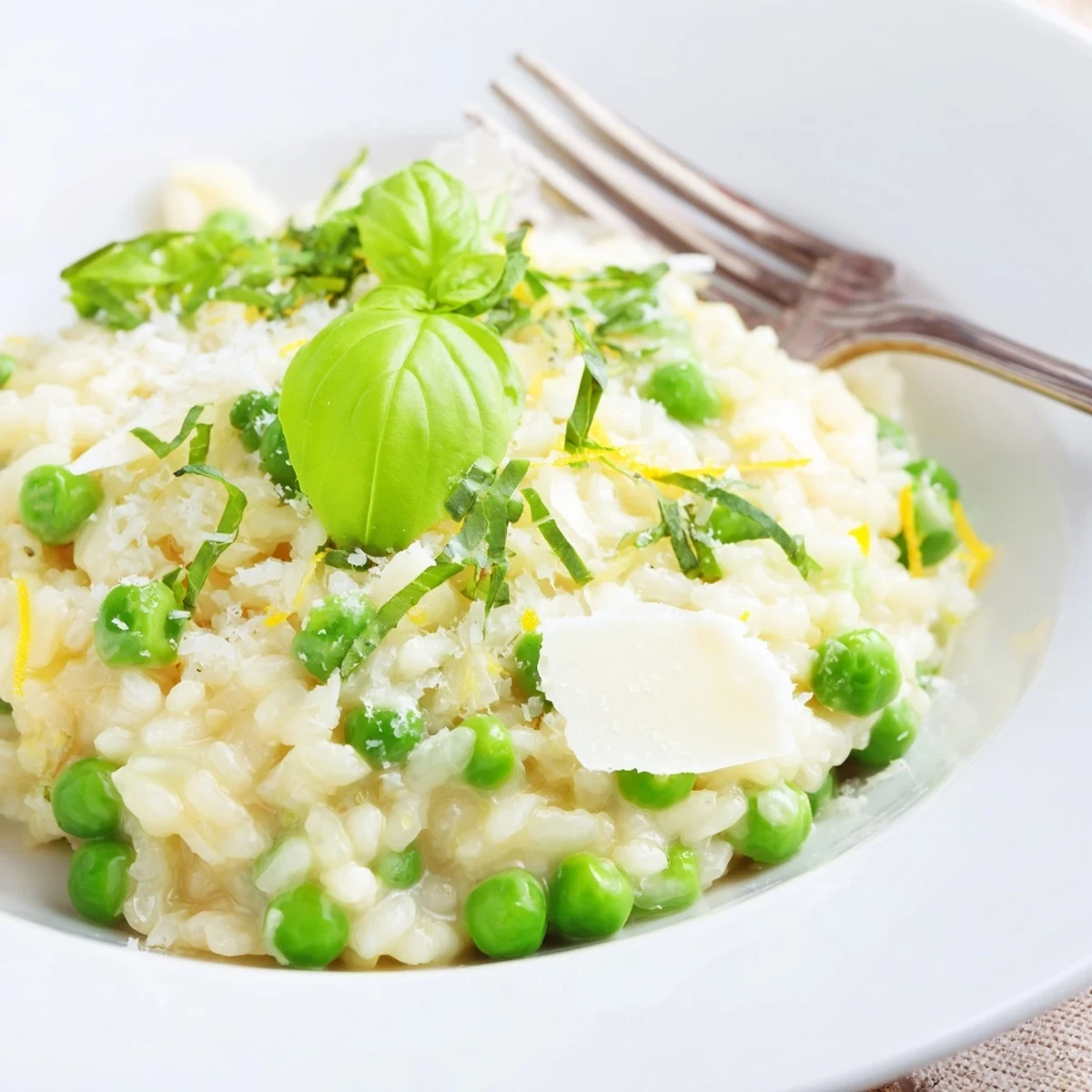
 Theres something deeply satisfying about the rhythm of making risotto, and this spring pea version is worth every minute of stirring.
Recipe FAQs
- → What makes risotto creamy without adding cream?
-
The creaminess comes from the rice itself. Arborio contains high amylopectin starch that releases into the cooking liquid as you stir. This constant agitation and gradual broth addition creates the luxurious texture traditionally associated with risotto.
- → Can I use frozen peas instead of fresh?
-
Absolutely. Frozen peas work beautifully and are often sweeter since they're picked at peak ripeness. Add them directly to the rice during the last few minutes of cooking—no need to thaw beforehand.
- → Why must the broth be warm when adding to risotto?
-
Cold broth shocks the rice, interrupting the cooking process and creating uneven texture. Warm broth maintains a consistent cooking temperature, allowing the rice to release starch evenly and cook properly to al dente perfection.
- → How do I know when risotto is done?
-
Taste the rice—it should be tender but still have a slight bite at the center (al dente). The texture should be flowing, not stiff or soupy. When you shake the pan, the rice should ripple like waves.
- → Can I make this risotto ahead?
-
Risotto is best served immediately for optimal texture. However, you can prep ingredients in advance: dice the onion, mince garlic, grate cheese, and measure broth. If you must make it ahead, undercook slightly and reheat with extra warm broth.
- → What wine pairs well with pea risotto?
-
A crisp Sauvignon Blanc or Pinot Grigio complements the creamy rice and bright peas beautifully. The acidity cuts through the richness while enhancing the fresh basil and citrus notes.